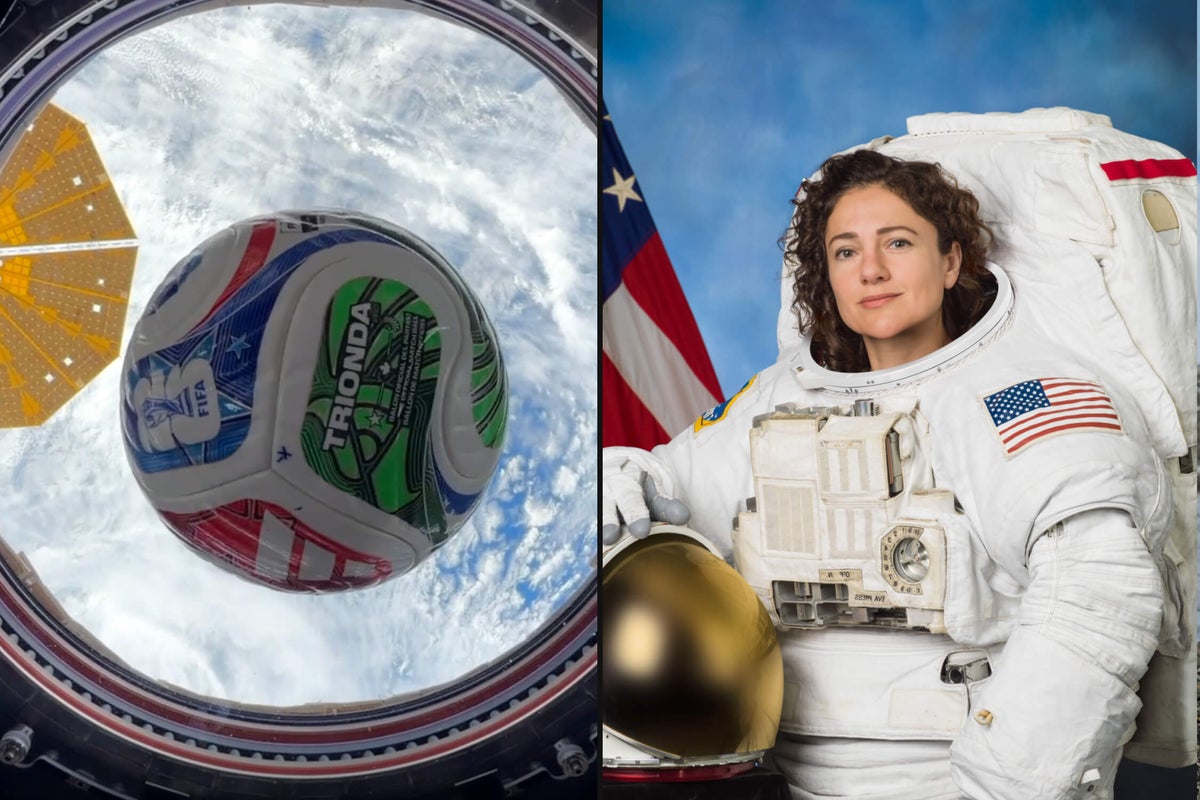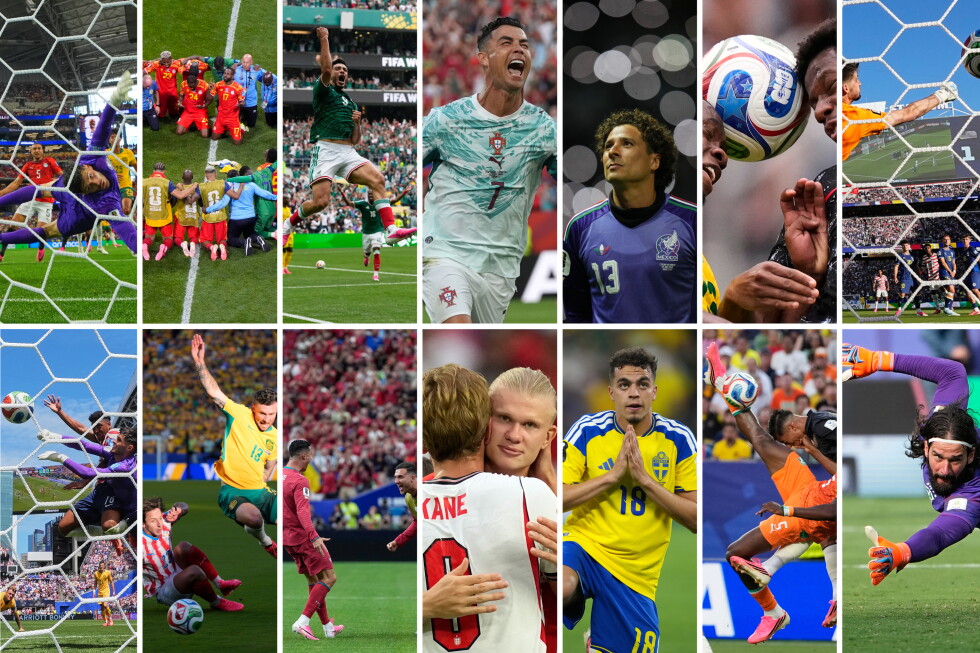
Every World Cup tells us something about the world beyond football.
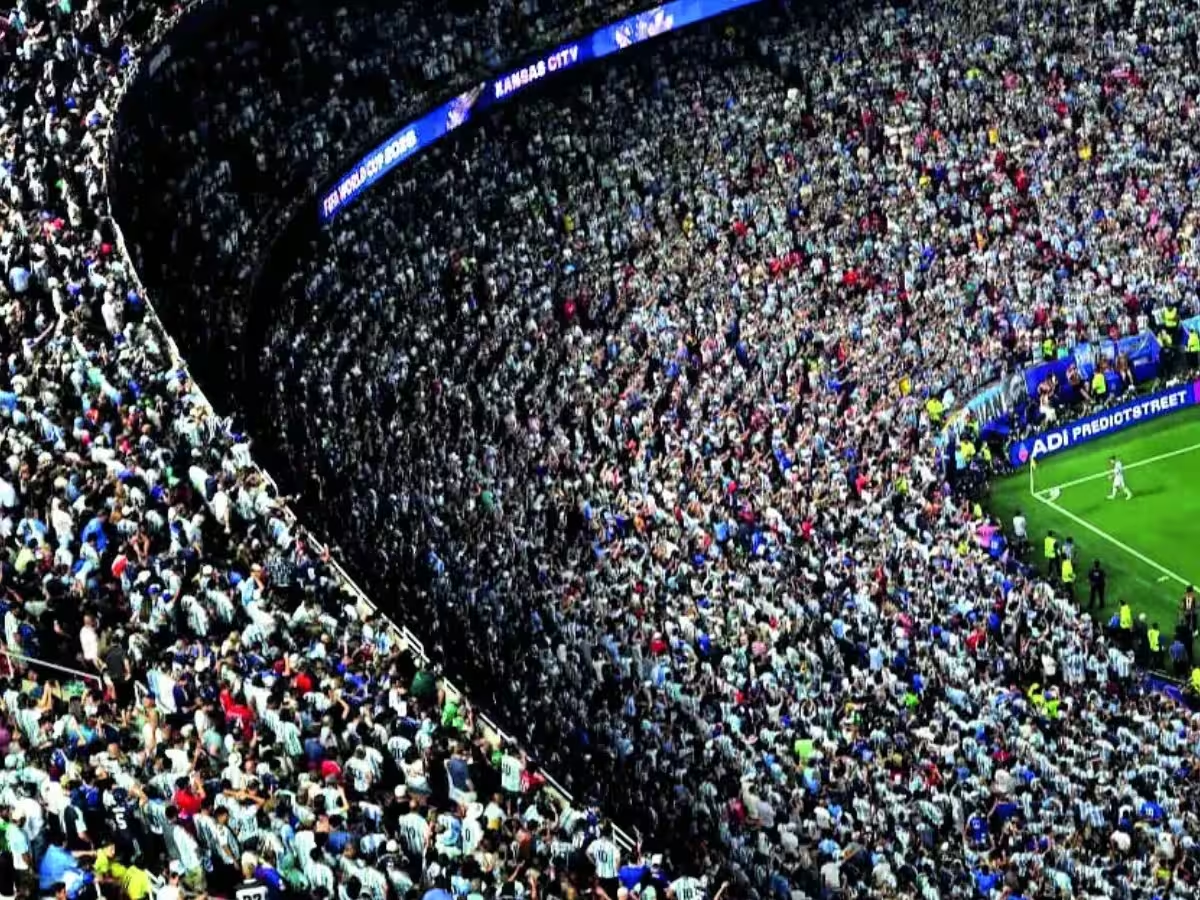
Mexico, Canada and the United States gave us unforgettable matches, emerging stars and a thrilling finale. But when I look back on this tournament, I won’t just remember the goals. I’ll remember the politics. This felt like the most political World Cup I’ve ever witnessed.
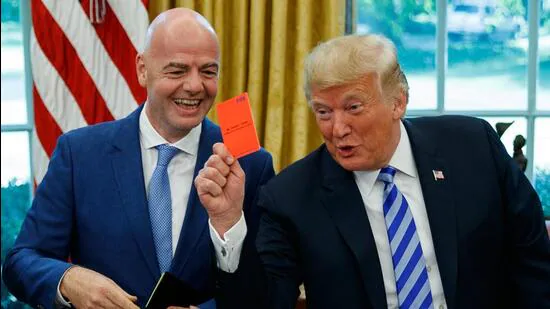
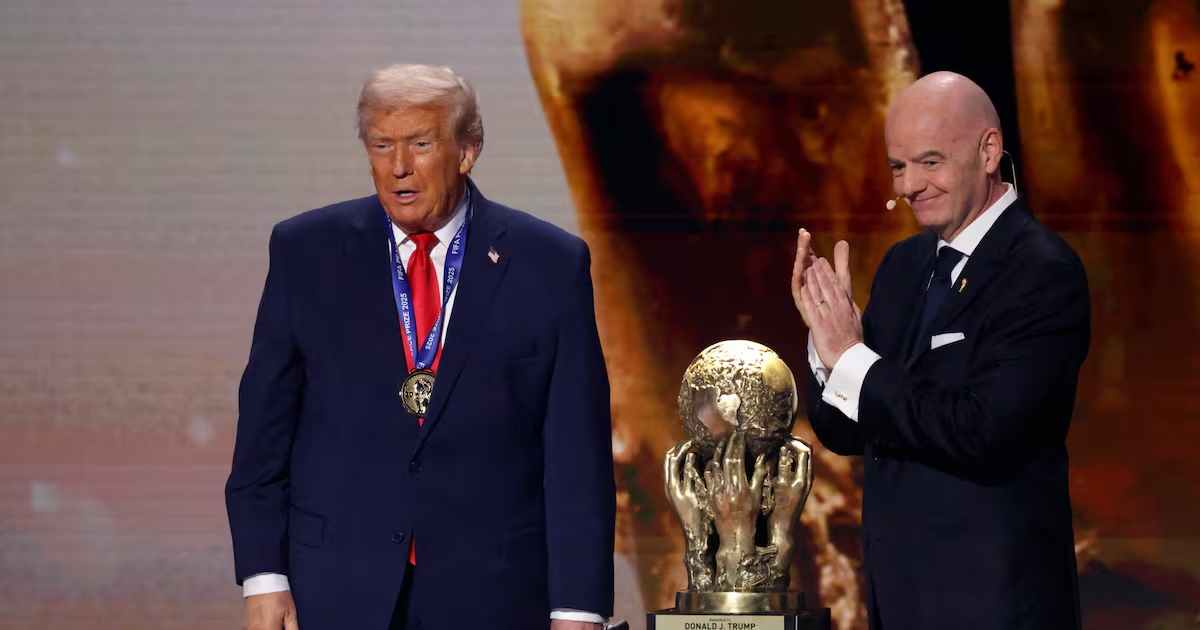
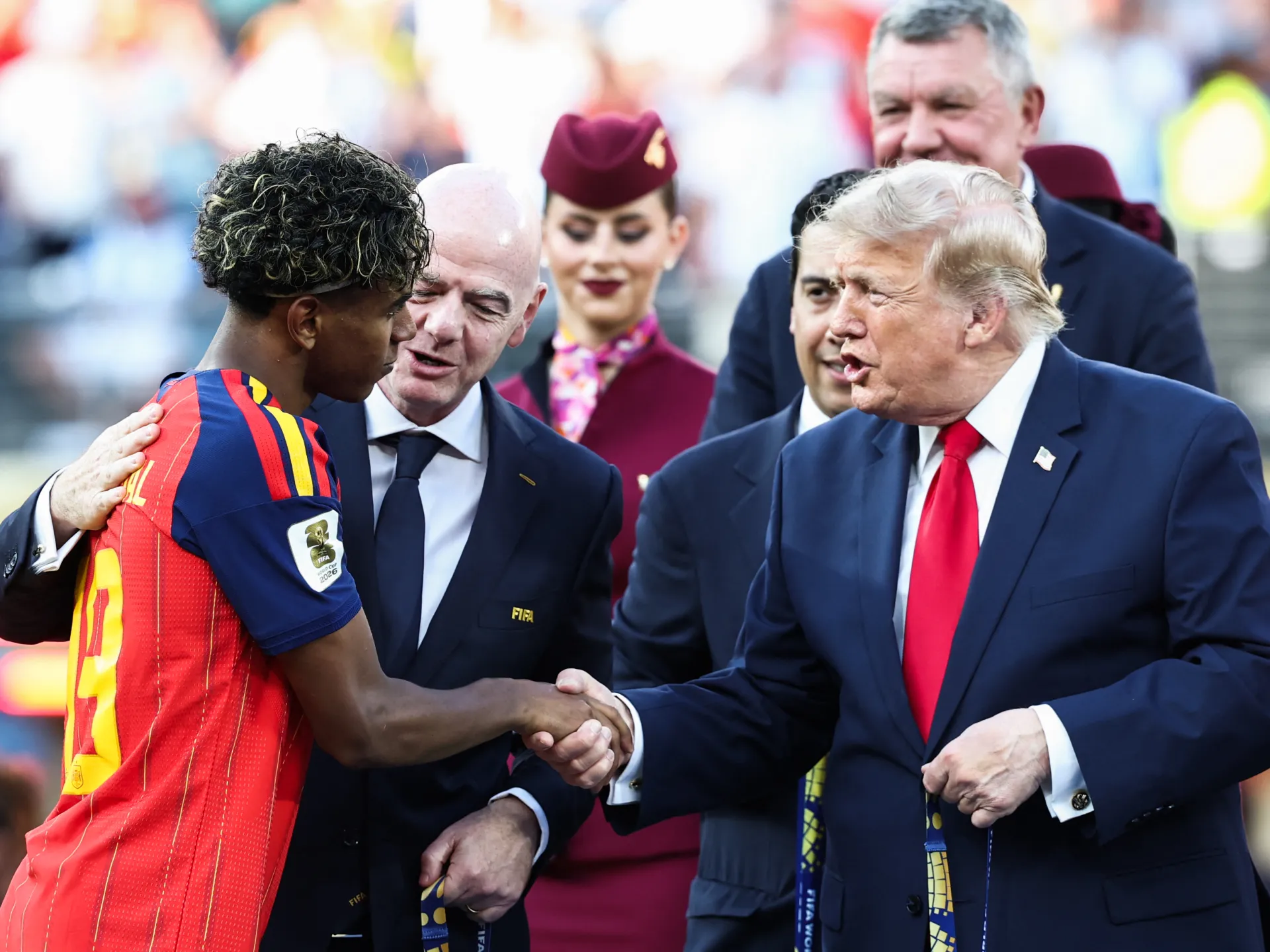
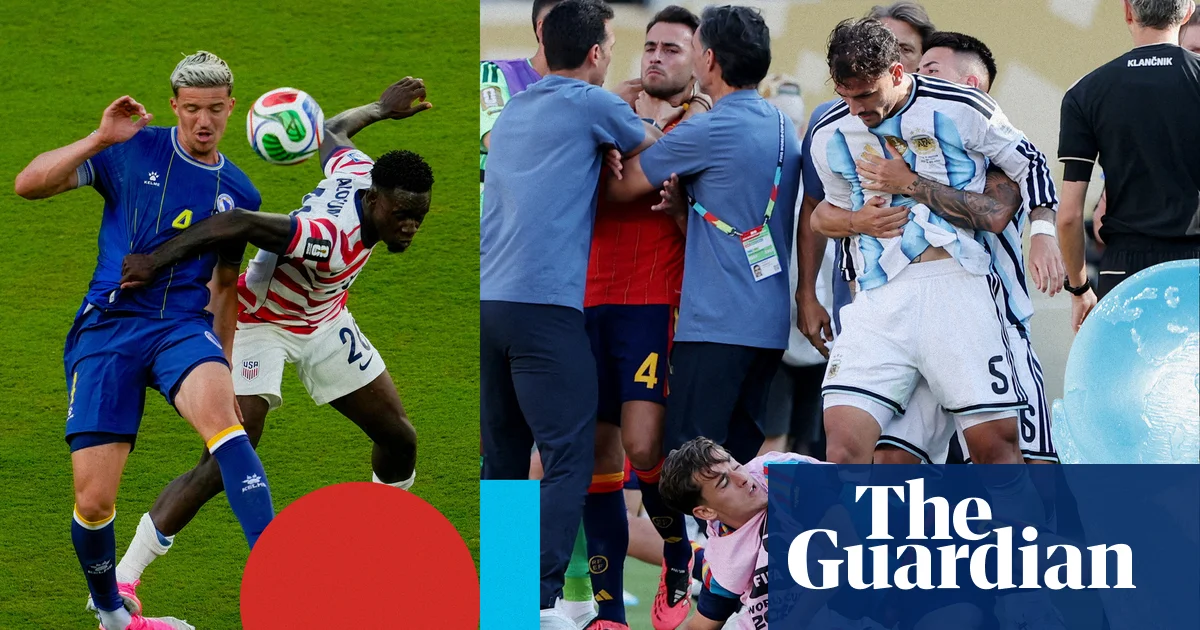
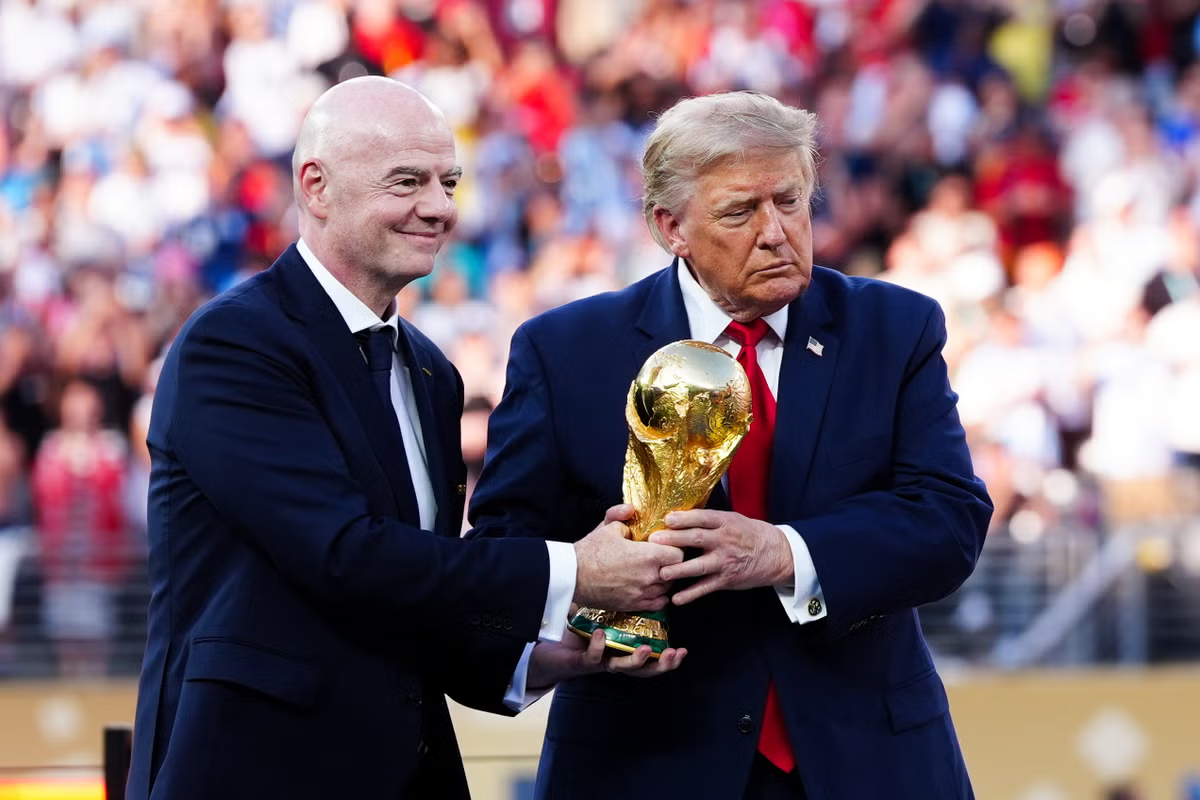
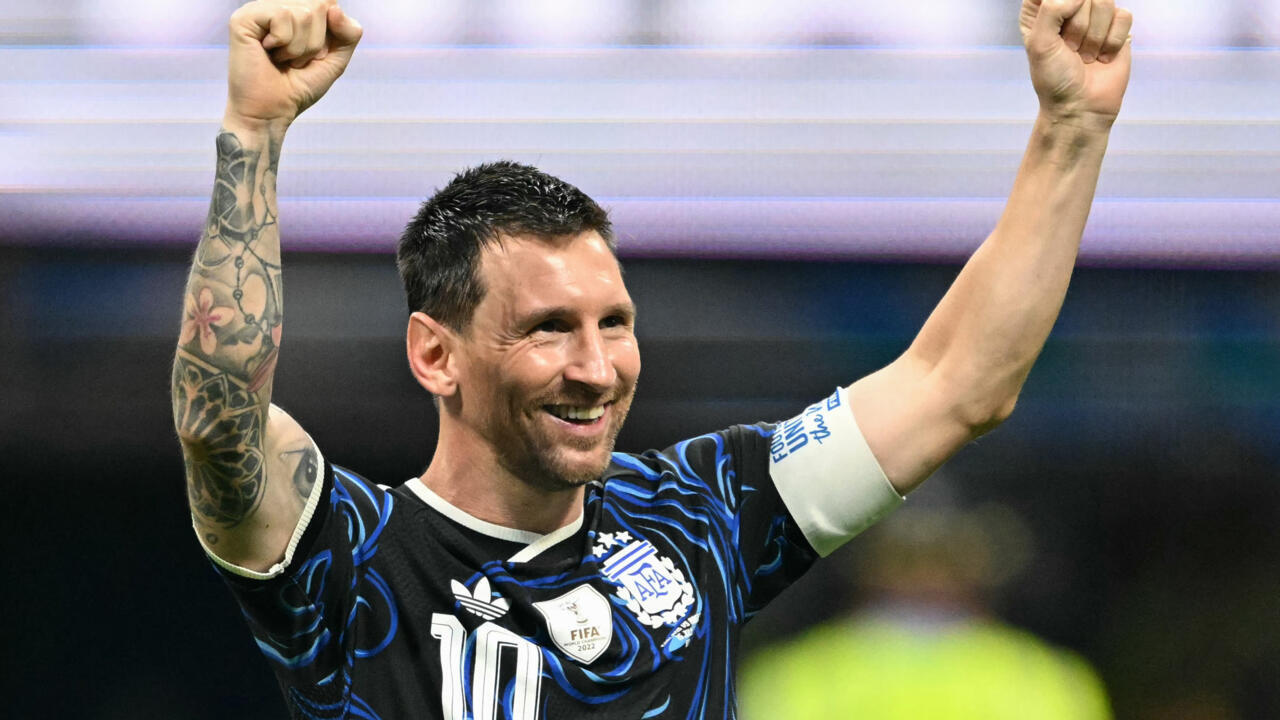
Before a ball had even been kicked, football was colliding with politics. The decision to stop Somali referee Omar Artan from officiating at the tournament was a reminder that no one is immune from geopolitics. Questions surrounding travel restrictions of the Iranian delegation emerged while the country is at war with the host nation. Then came Trump’s role in overturning the suspension of US player Folarin Balogun following his red card. And as the tournament ended, Argentina’s players waved a Las Malvinas flag at the end of England’s defeat in the semi-final, reviving claims over the Falkland Islands.
None of those stories were really about football. Yet, every one of them became part of the World Cup story. For years we’ve clung to the romantic idea that football exists in a vacuum, detached from politics. It is a lovely sentiment. It is also increasingly unrealistic. I don’t believe football and politics can be separated anymore. In truth, I’m not convinced they ever could.