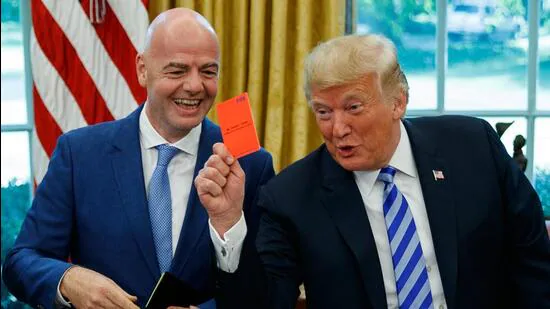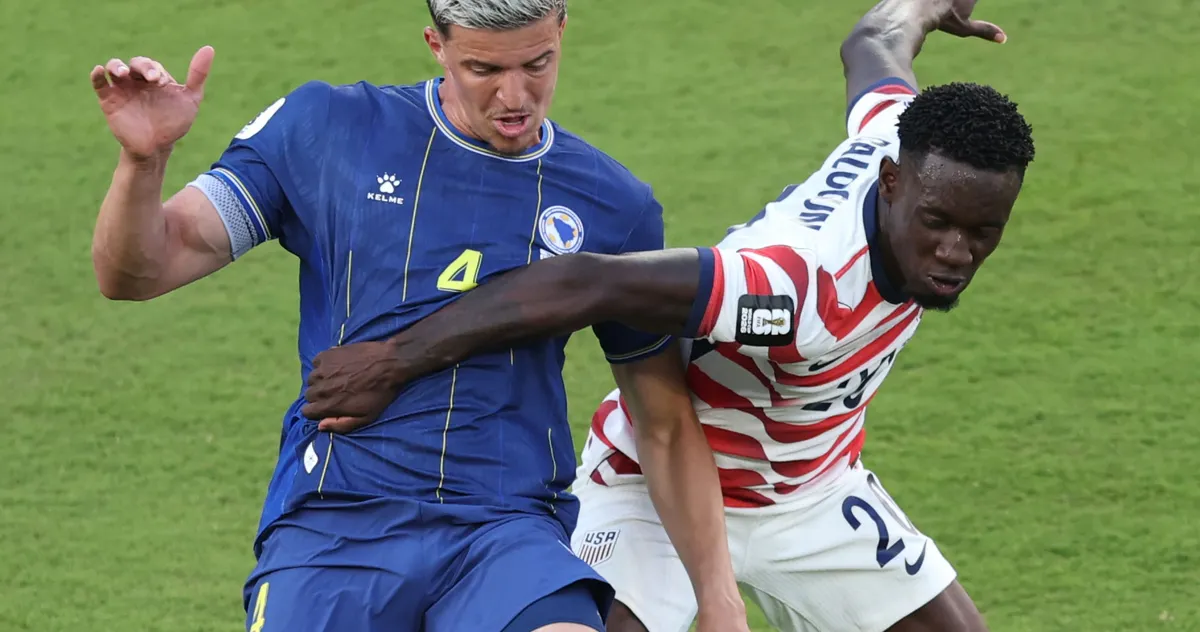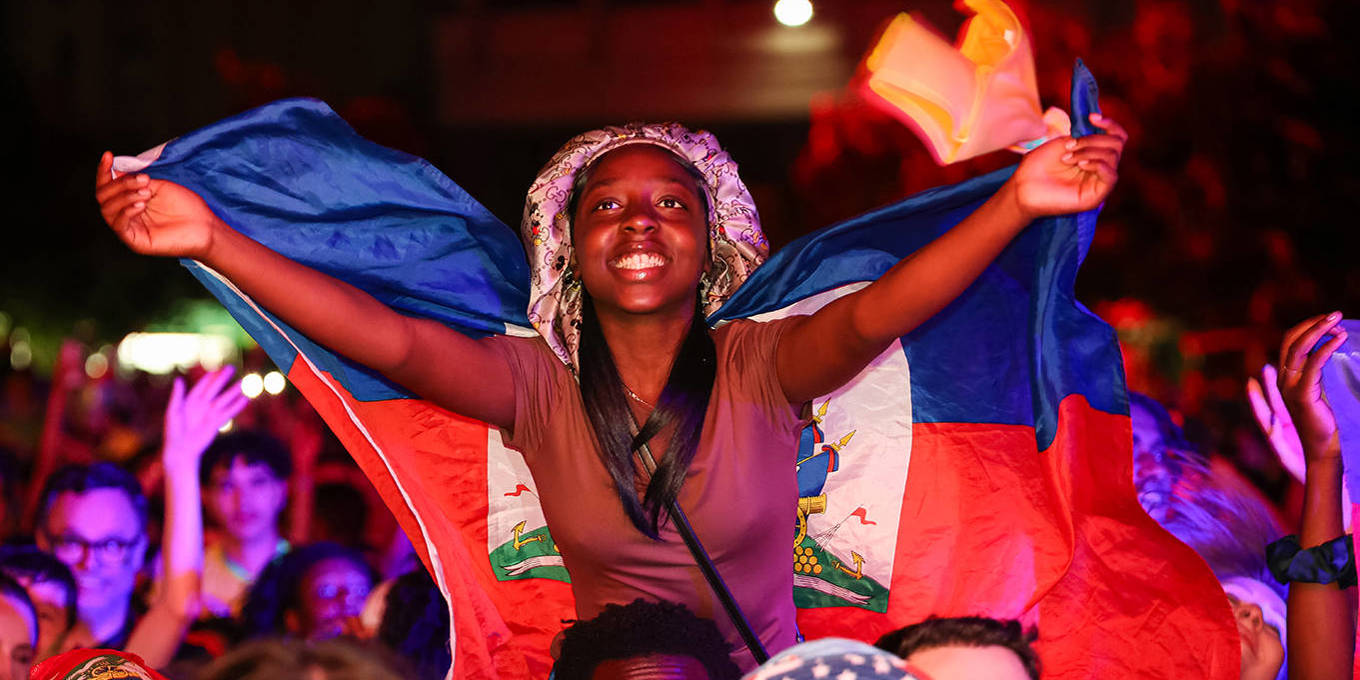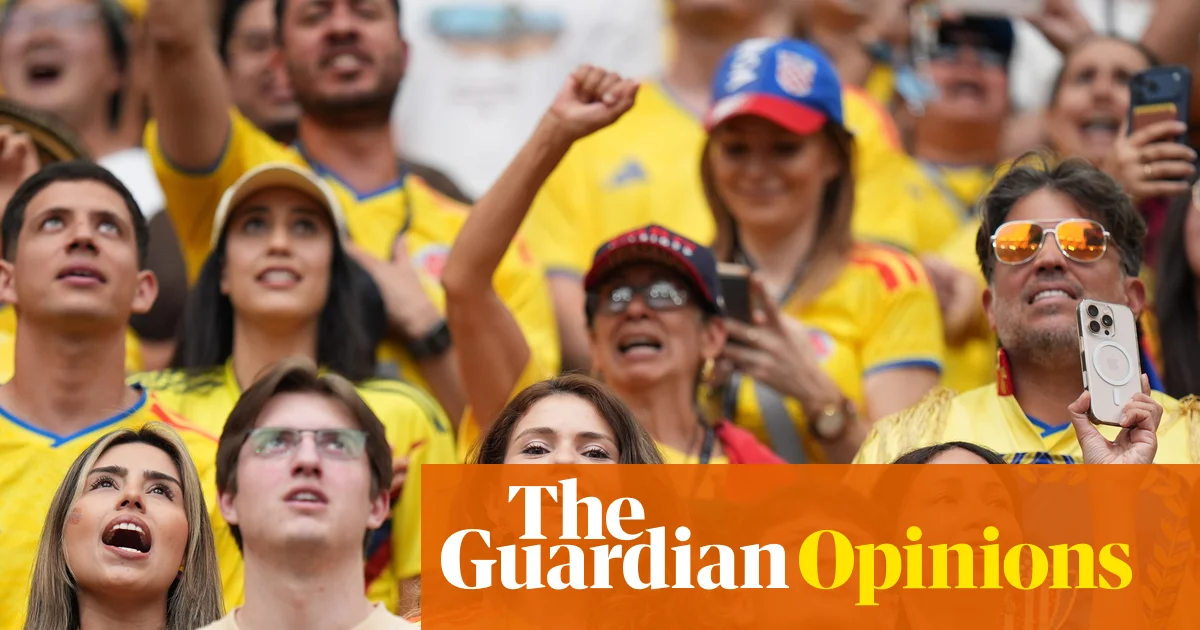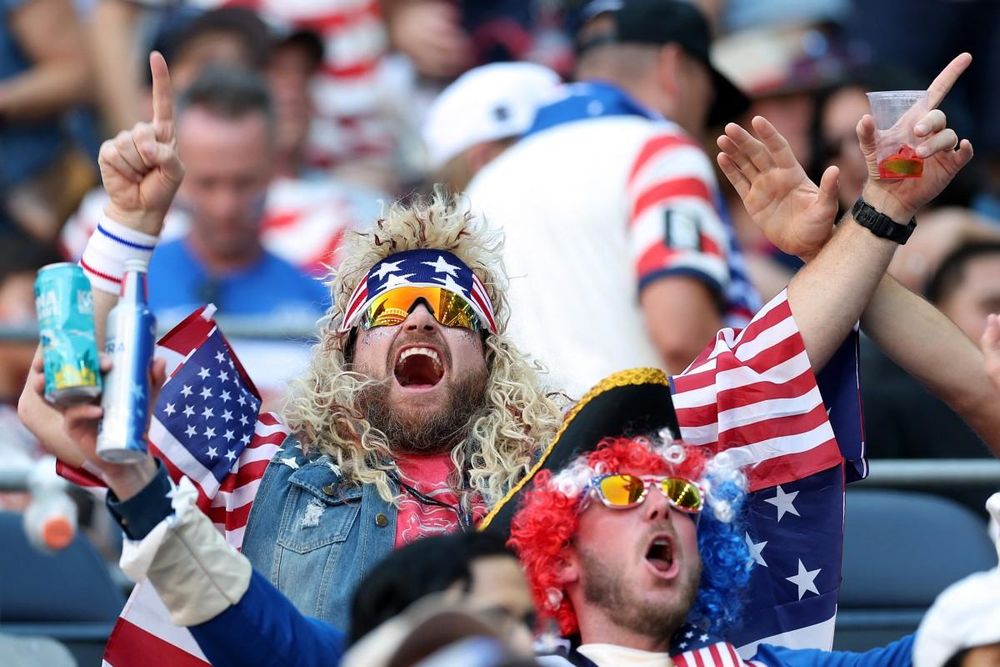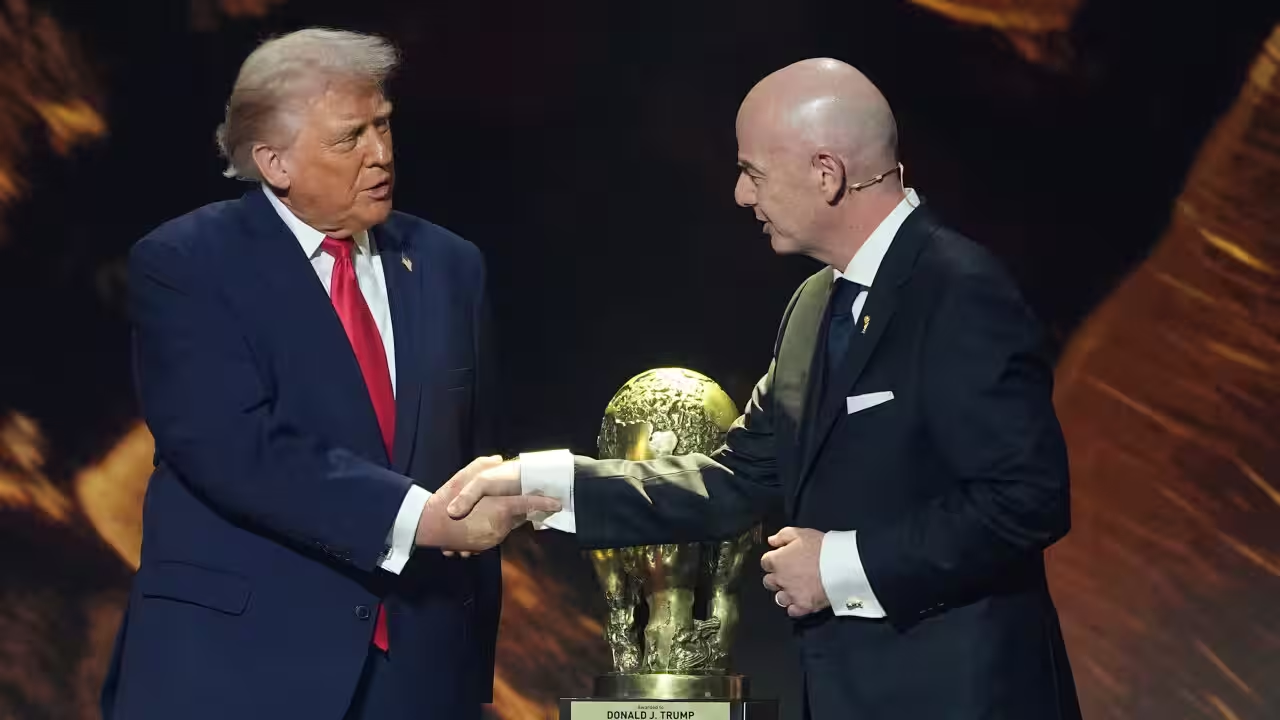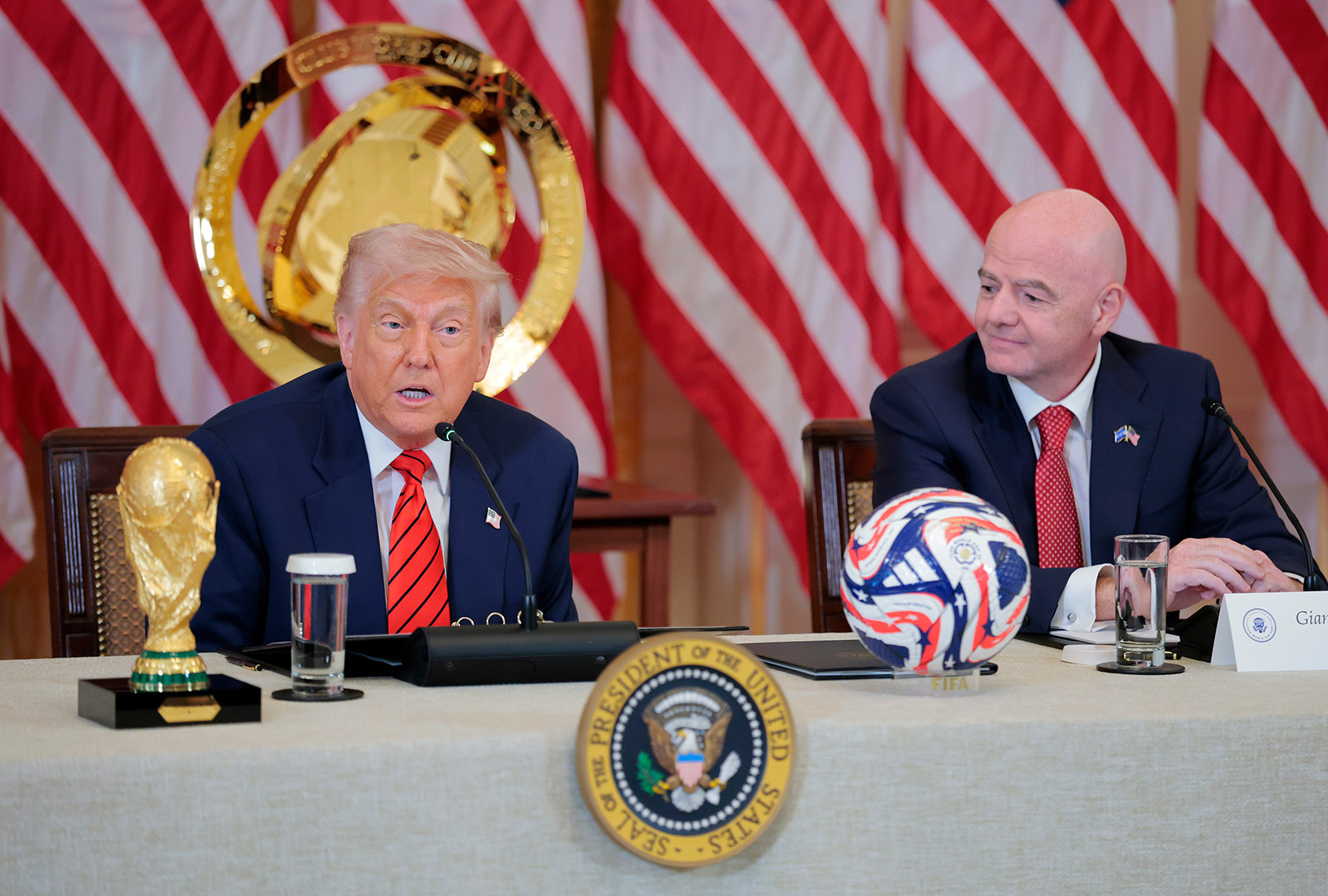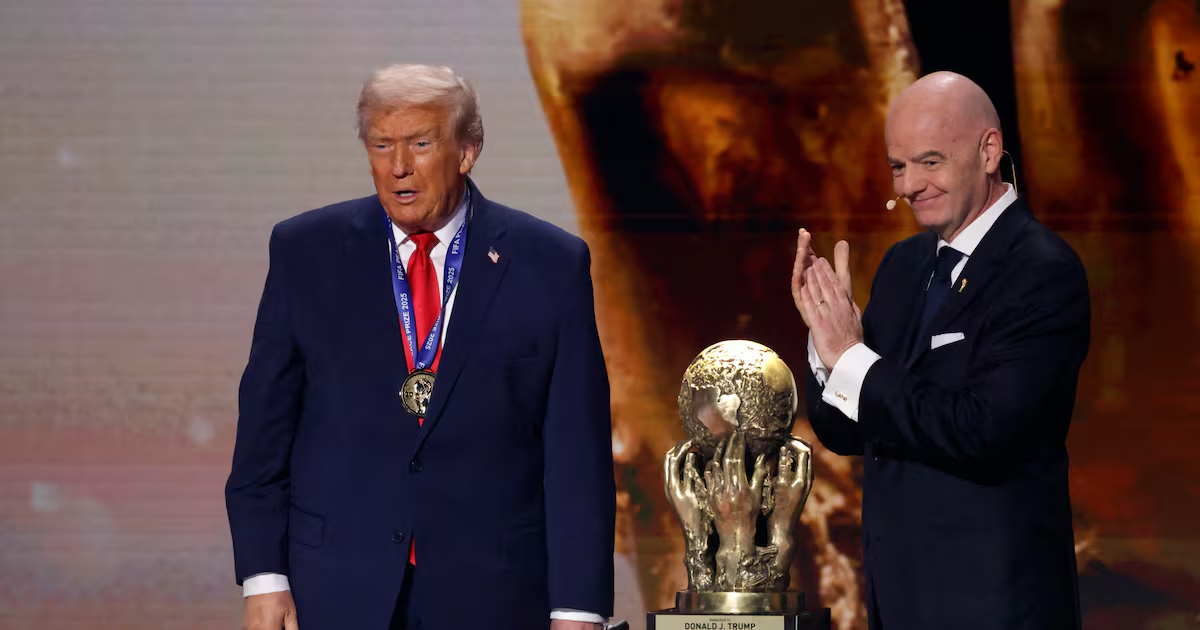
It was the best of times, it was the worst of times. It seems apt to cite old-world Dickens as the US offers contradictory images to the world. A great power in decline, barely able to grasp the reality of a fast-changing multipolar world, let alone navigate it with dignity and acuity, happens to be the host of the four-yearly contest of the one and only thing that unites humanity: football. The run-up was shrouded in dark tales of racial division and the heavy-booted approach of its notorious immigration authority, ICE and a generally pessimistic assessment of how the 2026 Fifa World Cup would play out. Referees and teams from nations held in low regard by a despotic head of an increasingly demonic administration were refused entry or had unreasonable and certainly inhospitable conditions attached to their participation in this supposedly unifying carnival. But then the games started. And as tends to happen with sport, something better came into view. As the distinguished Financial Times columnist Simon Kuper observed from his own experience covering some of the matches, America’s diversity has proved to be its greatest asset. The US has immigrant communities from every corner of the earth. Ecuador, Ghana, Senegal, Paraguay, Japan, Bosnia and Herzegovina; you name it, they have had large and vociferous support in their matches, providing an entirely appropriate backdrop to this global festival. What irony: that in the midst of the second term of this decidedly divisive and racist president, it should be the ethnic diversity of his country that should provide the vital backdrop to what have turned out to be a dramatic set of matches ― from the heroic performance of Cape Verde to the fact that so many of Africa’s representatives made it into the knockout round (though most succumbed at that point) to the victorious “Vikings” of modest Norway producing the shock result against mighty Brazil. On the other side of the ledger there are the exploitative prices that have been extracted from these fans and the rhythm-breaking irritant of “hydration breaks” ― aka additional ad spots. After all, US capitalism tends to know the price of everything but the value of nothing. Which is where, now, we find ourselves at a tipping point for this tournament.I know about Folarin Balogun because he began his career at Arsenal. I was sorry when he was sold for a decent transfer fee to a French club. He has always scored goals and now he is the US team’s greatest asset. Which is why President Donald Trump intervened to have his red-card suspension overturned, provoking one of major sports’ greatest-ever controversies. The rule that Gianni Infantino ― who heads Fifa and is the man who thought it would be appropriate to create a special “peace prize” for Trump last year ― invoked to suspend the suspension has been used before, in no less arbitrary fashion, but never as the result of an intervention of a head of state and certainly not one who just happens to be hosting a tournament in which the host team is about to play a knockout game without their best player. The facts speak for themselves. Self-evidently wrong. But regrettably Fifa has no normative core and never has had. It remains an extraordinary fact that the governing body of such a popular global public good is a Swiss organisation with barely any reporting or other governance responsibilities. It is a law unto itself. And since governance is the glue that binds an organisation and in this case, a global sport, when it is so flagrantly breached, the whole show is sullied. A useful reminder that governance always matters ― to everything and everyone, everywhere, as South Africans know all too well from state capture and its grisly aftermath. Epilogue: USA (with Balogun) 1, Belgium 4. As Dickens would have put it, had he found the time, “football was the winner”, despite the despicable conduct of men such as Trump and Infantino. Calland is visiting adjunct professor at the Wits School of Governance and the emeritus associate professor in public law at UCT.Business Day
RICHARD CALLAND | How politics and poor governance overshadowed the World Cup
The tournament showcased football's power to unite but exposed Fifa's enduring flaws
684 words~3 min read