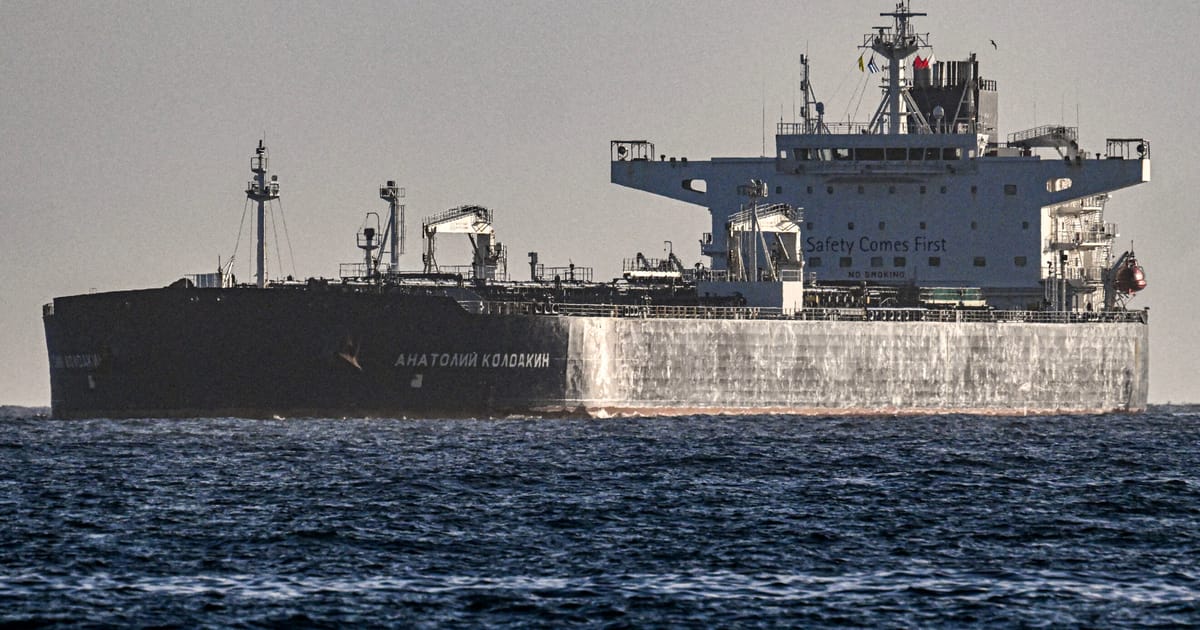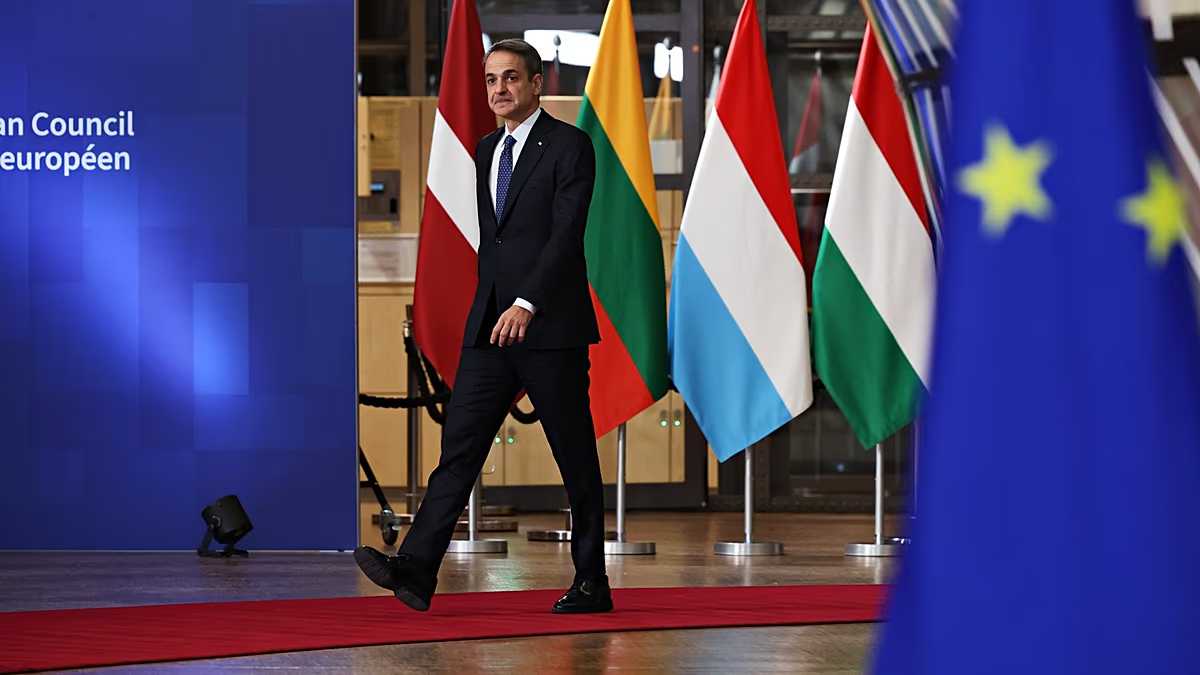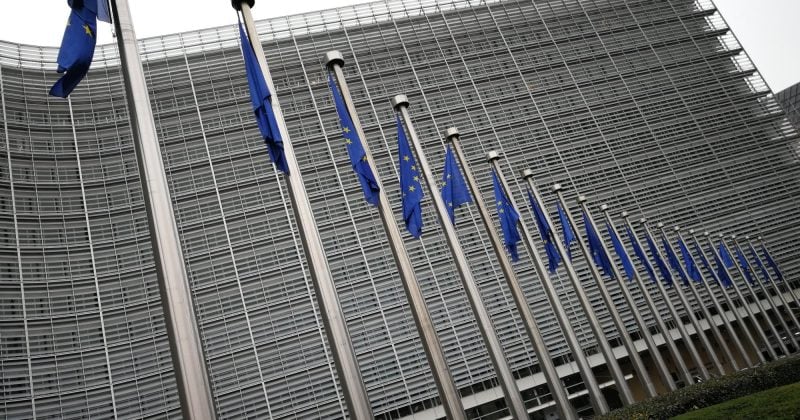
The European Union is preparing to put three options on the table to break a months-long standoff over Russia sanctions. The deadlock, driven by vetoes from Hungary and Slovakia, has effectively paralyzed the bloc’s ability to pass new measures or renew existing designations against thousands of Russian-linked individuals and entities.
The EU requires unanimity on foreign policy decisions, which means a single holdout can grind the entire machinery to a halt.
The pipeline problem at the heart of the standoff
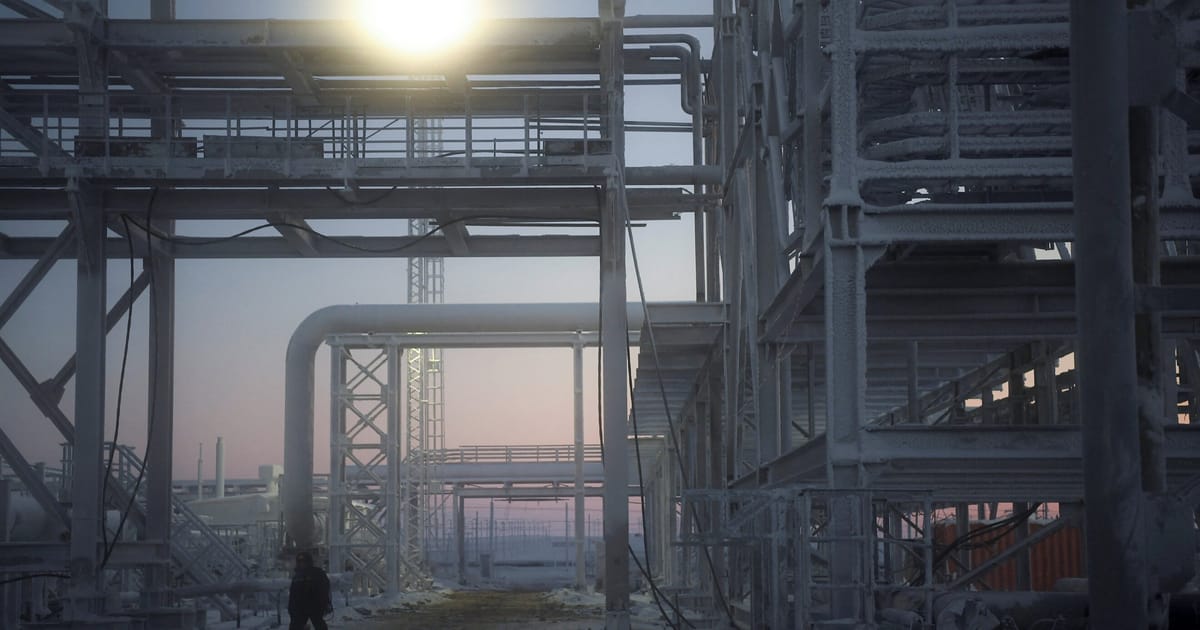
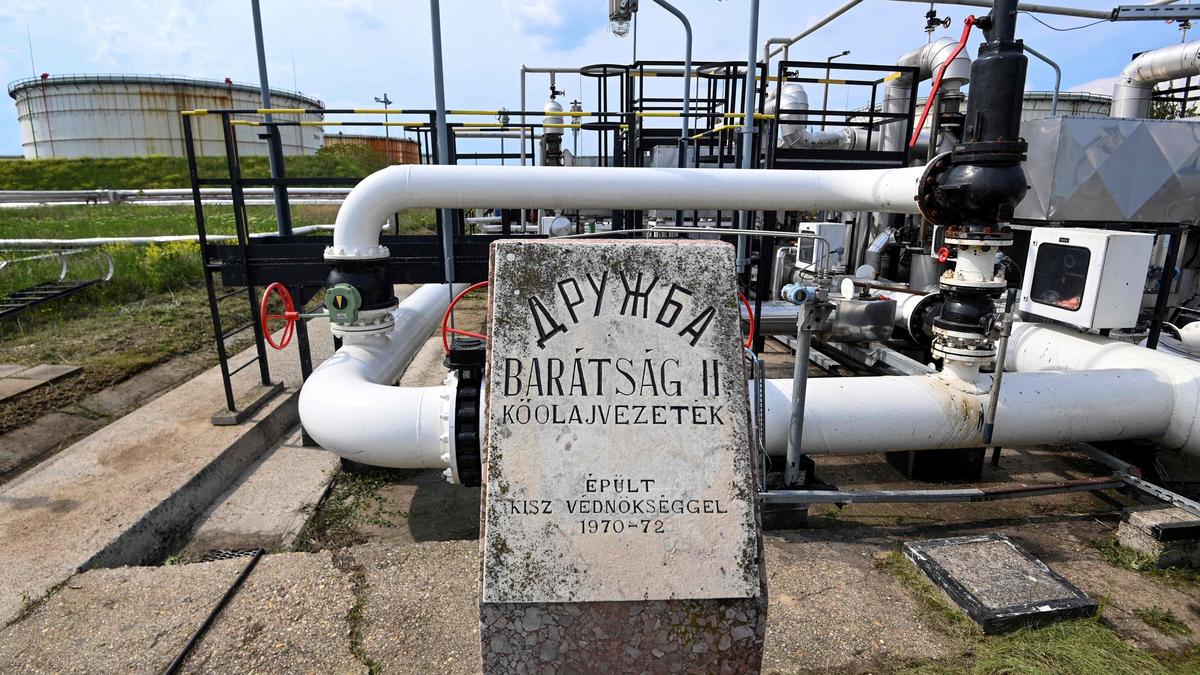
The impasse traces back to damage sustained by the Druzhba oil pipeline, which halted crude supplies to Hungary and Slovakia after Russian strikes in late January 2026. Hungary responded by vetoing the proposed 20th sanctions package in February, along with an associated financial aid package for Ukraine.
Hungarian Foreign Minister Péter Szijjártó made the calculus explicit: Hungary will block decisions relevant to Kyiv until oil flows resume.