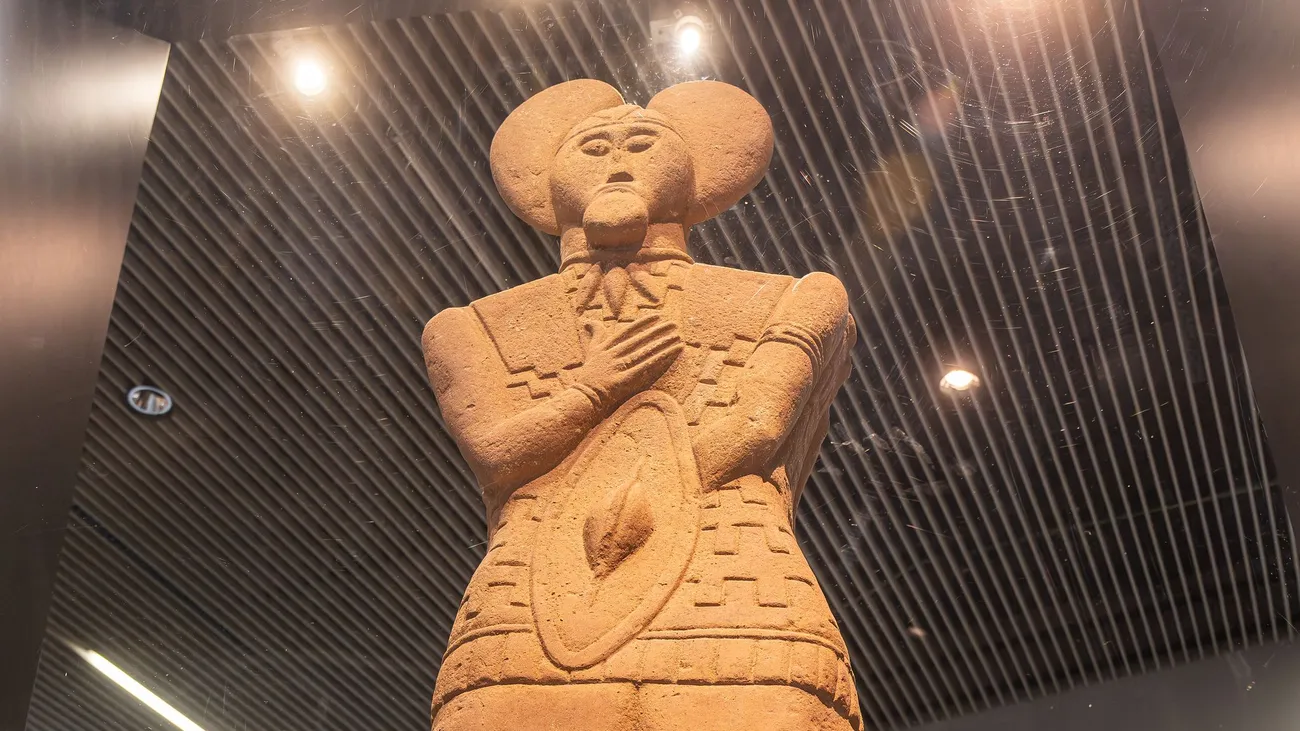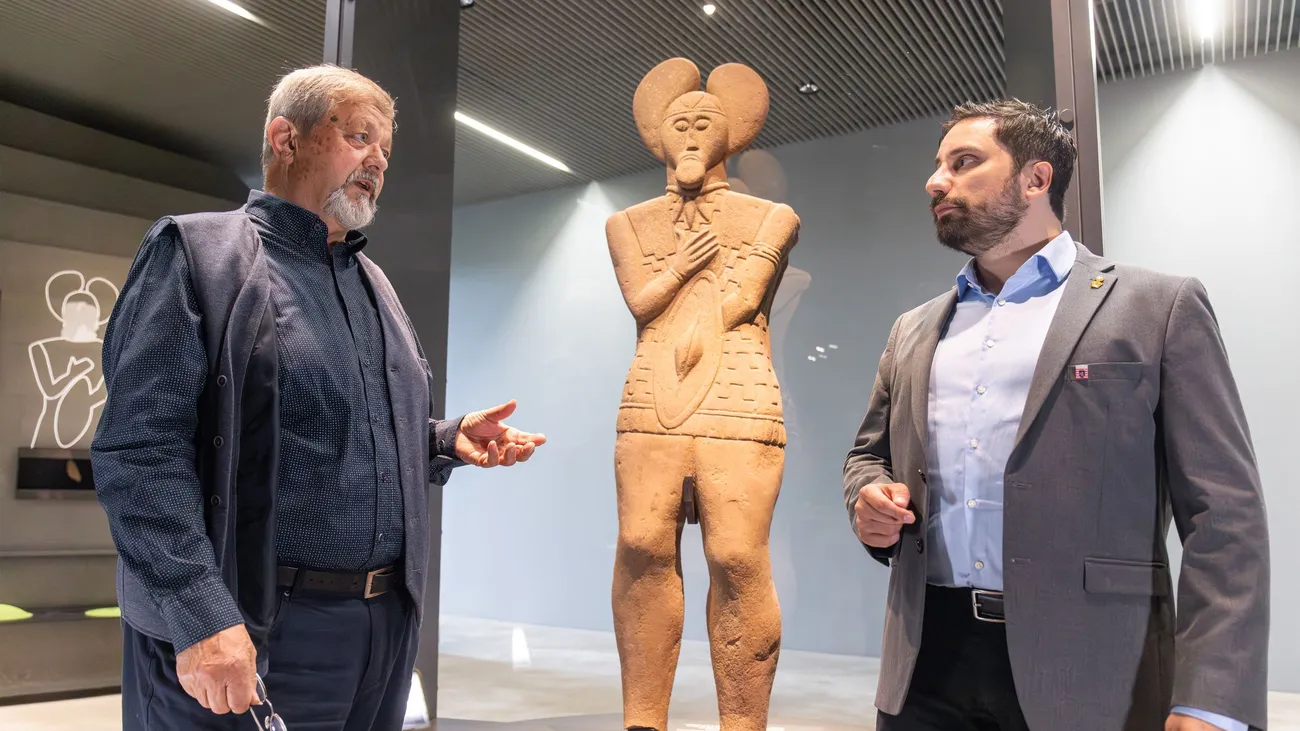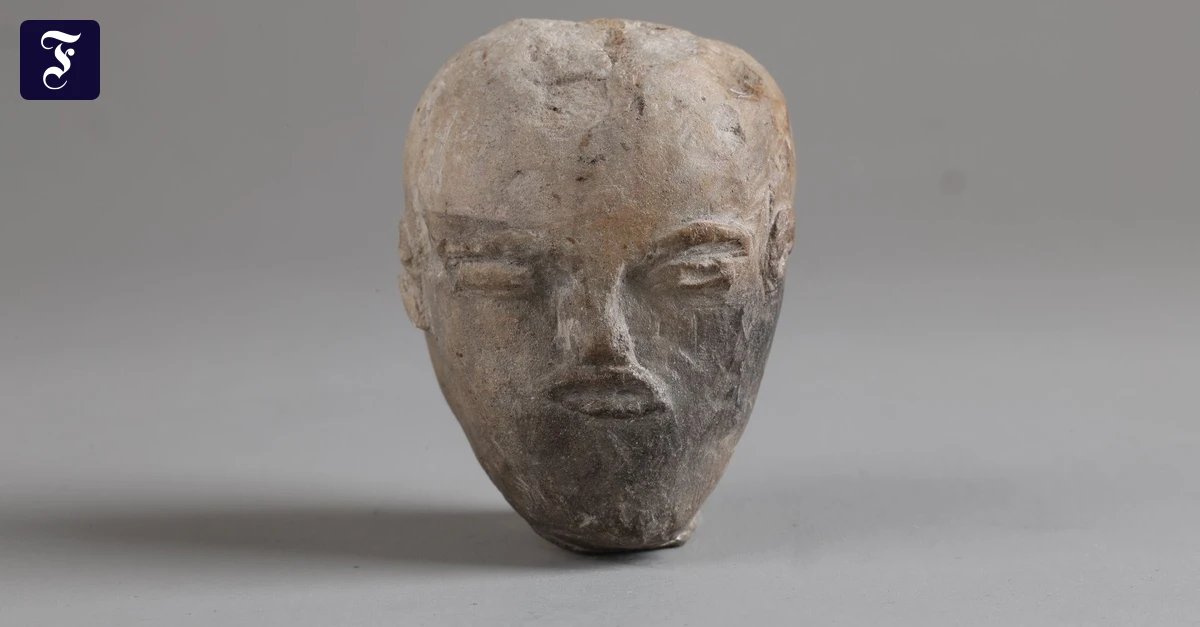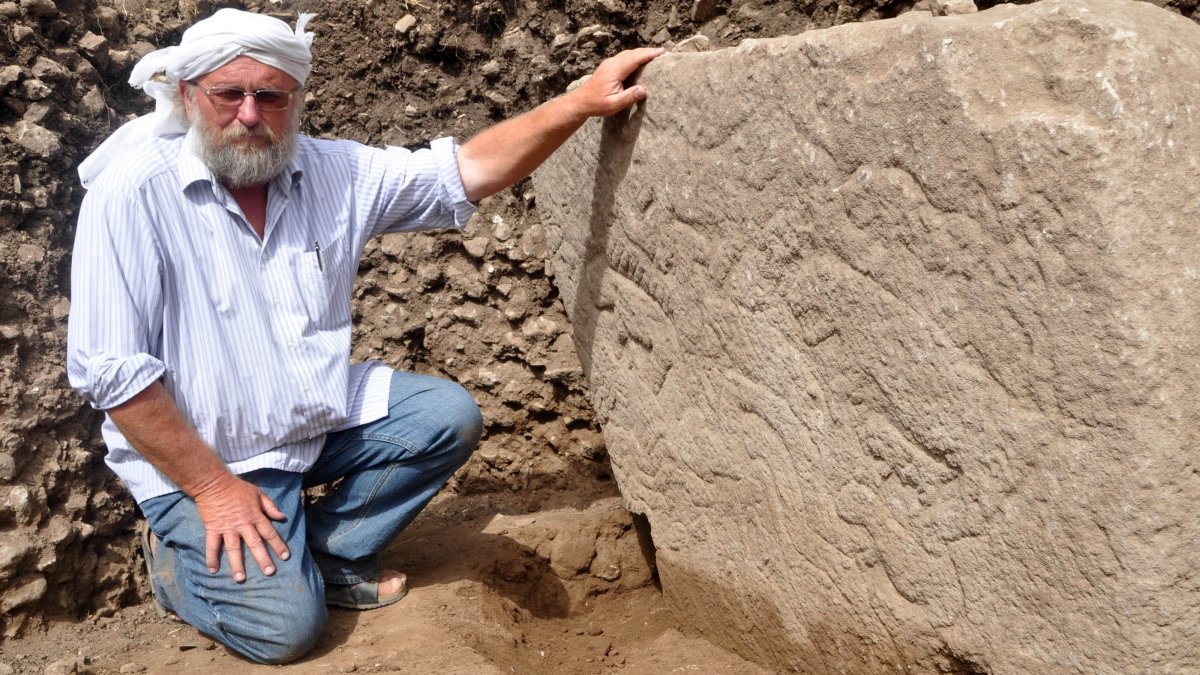
German archaeologist professor Klaus Schmidt is being remembered on the 12th anniversary of his death for the discoveries at Göbeklitepe that transformed understanding of the origins of human civilization and brought the ancient site to worldwide prominence.
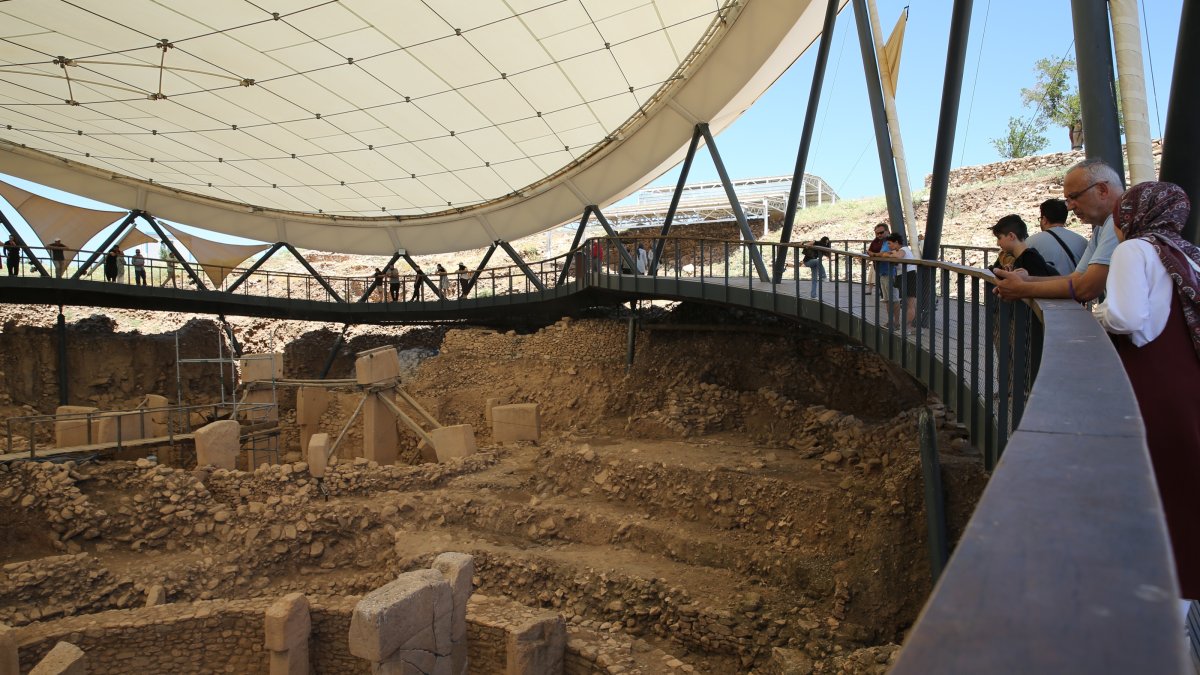
Known in Türkiye as the "zero point of history," Göbeklitepe dates back about 12,000 years and is widely regarded as the world's oldest known monumental ritual site. Schmidt's excavations revealed evidence that challenged long-held assumptions about the development of early societies, showing that complex social organization and monumental construction predated agriculture.
Göbeklitepe first entered the scientific spotlight during a 1963 surface survey conducted jointly by Istanbul University and the University of Chicago. Interest in the site grew after a farmer uncovered a carved stone statue while plowing a nearby field in 1986.
When Schmidt visited the site in 1994, he recognized that partially exposed stone pillars belonged to the Neolithic period, laying the groundwork for what would become one of archaeology's most significant excavation projects. Excavations began the following year under the coordination of the Şanlıurfa Museum Directorate, with Schmidt playing a central role. He was appointed excavation director in 2007.