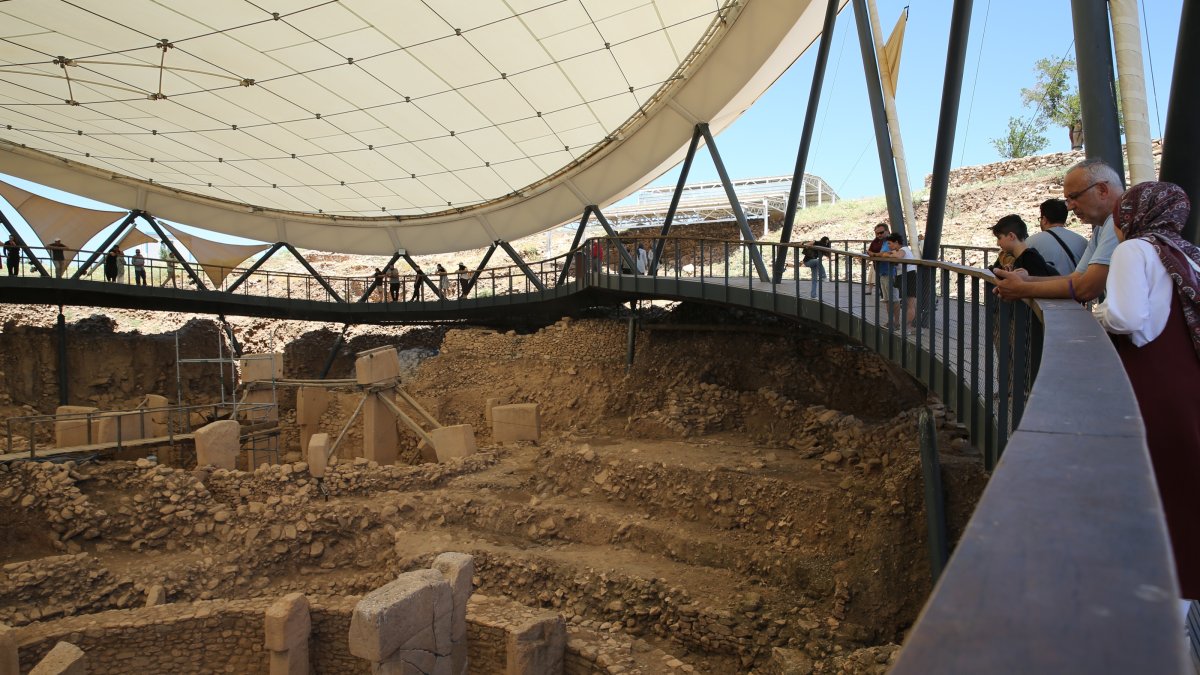
Göbeklitepe, in southeastern Türkiye, widely regarded as the world’s oldest known temple complex and often called the “zero point of history,” has welcomed 4,409,590 visitors in the eight years since its addition to the UNESCO World Heritage List.
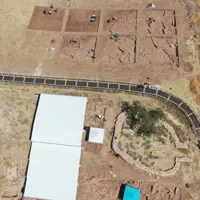
Located about 18 kilometers (11 miles) from the city center of Şanlıurfa near the rural Örencik neighborhood, Göbeklitepe first came to academic attention during surface surveys in 1963. However, its most significant breakthrough came in 1986, when a farmer plowing his field discovered a statue that drew attention to the site’s archaeological importance.
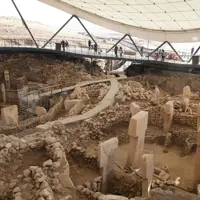
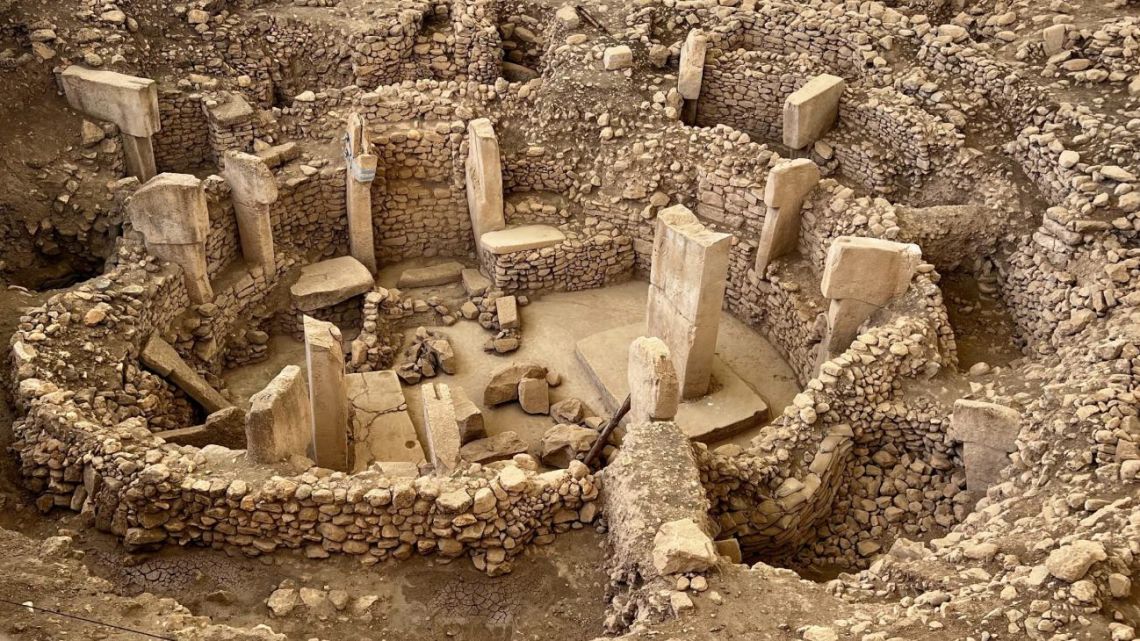
Systematic excavations began in 1995 after approval from Türkiye’s General Directorate of Cultural Heritage and Museums under the Ministry of Culture and Tourism. Archaeologists uncovered Neolithic-era T-shaped standing pillars, decorated with wild animal reliefs. The megalithic stones, ranging from 3 to 6 meters (10 to 20 feet) in height and weighing 40 to 60 tons, are considered among the most remarkable prehistoric finds in the world.
Interest in Göbeklitepe grew steadily as discoveries expanded. In 2011, it was added to the tentative list of the UNESCO World Heritage Center, and in July 2018, it was officially inscribed on the World Heritage List during the 42nd session of the World Heritage Committee in Bahrain.