Some long-necked dinosaurs may have been far more capable of standing upright than their enormous bodies suggest.
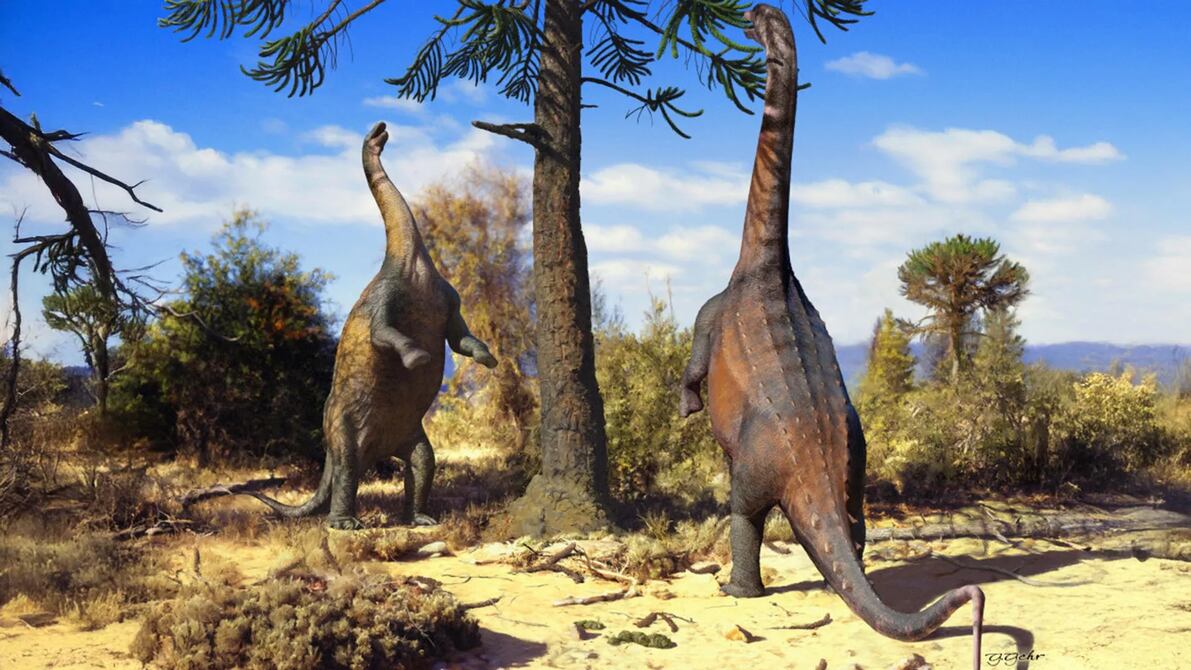
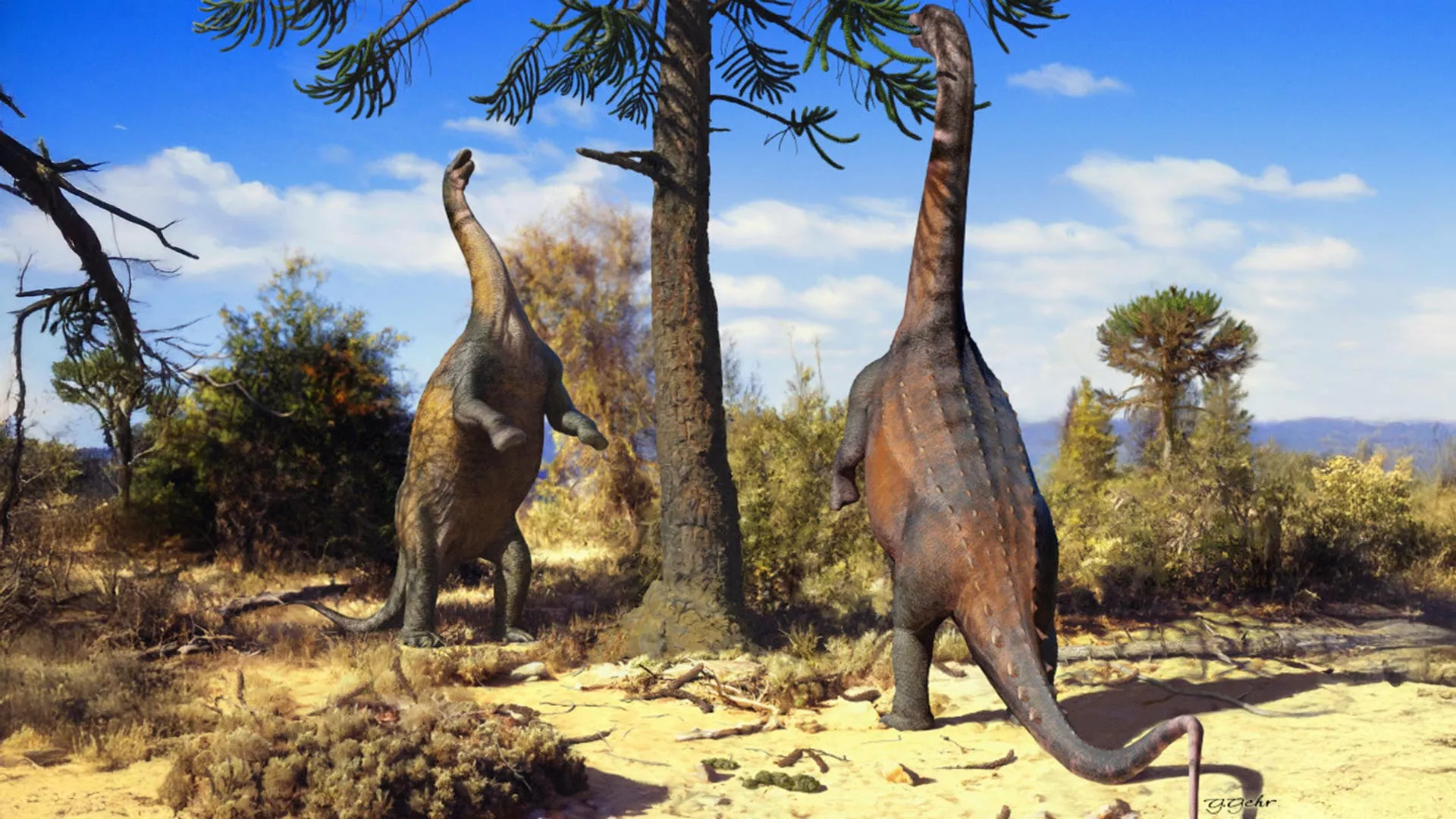
About 66 million years ago, two South American sauropods could rise onto their hind legs and remain there for relatively long periods, especially when they were young. This ability may have helped them reach leaves high in trees, appear more intimidating to predators, attract mates, or reproduce.
The dinosaurs, Uberabatitan from Brazil and Neuquensaurus from Argentina, were modest in size compared with the largest sauropods. Even so, they were roughly comparable to modern elephants. Adult Uberabatitans may have grown as long as 26 meters, making them the largest dinosaurs known from Brazil.
New research suggests that their ability to stand upright declined as they grew. Younger animals were better able to support themselves on two legs, while adults probably experienced much greater strain because of their increasing weight.
The findings come from a study supported by FAPESP and published in the journal Palaeontology. The international research team included scientists from Brazil, Germany, and Argentina.