Show Caption
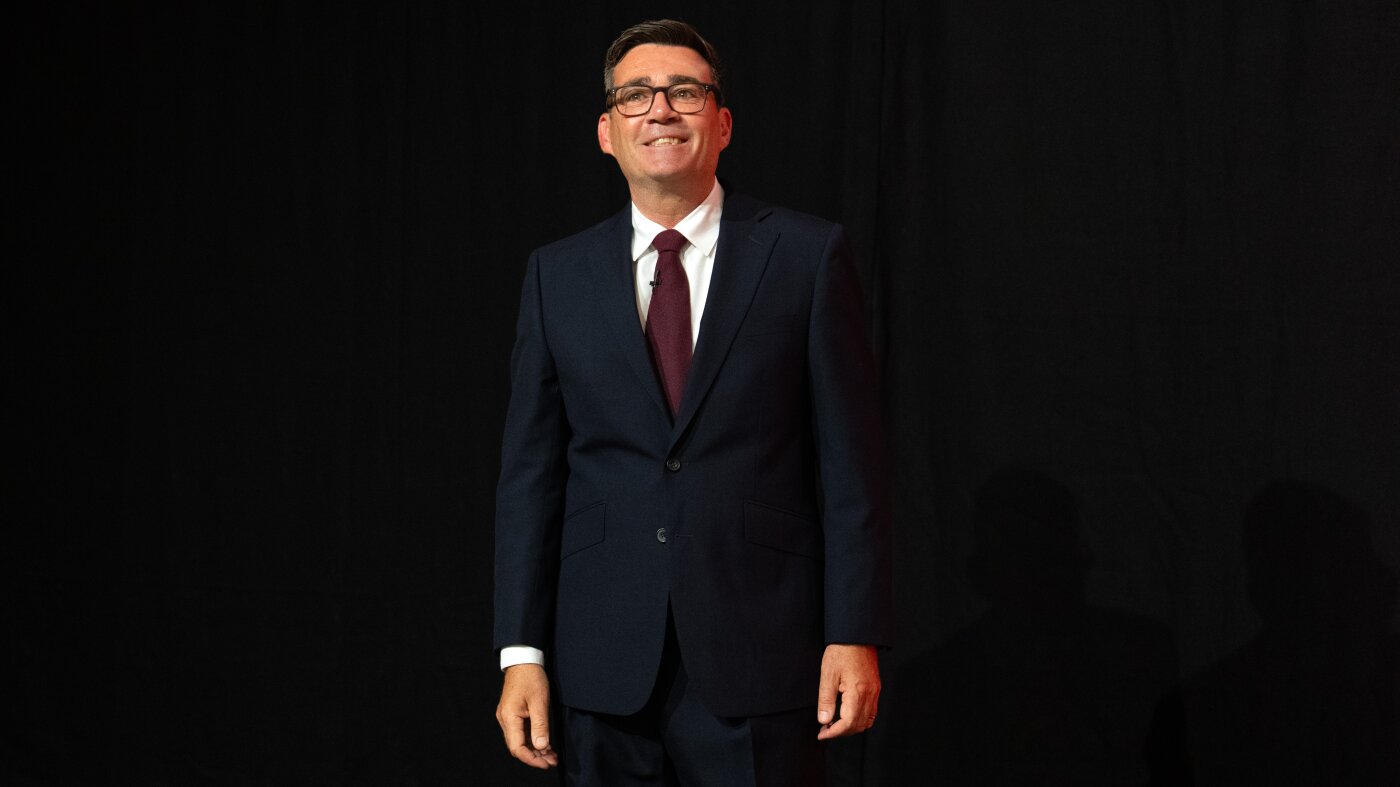
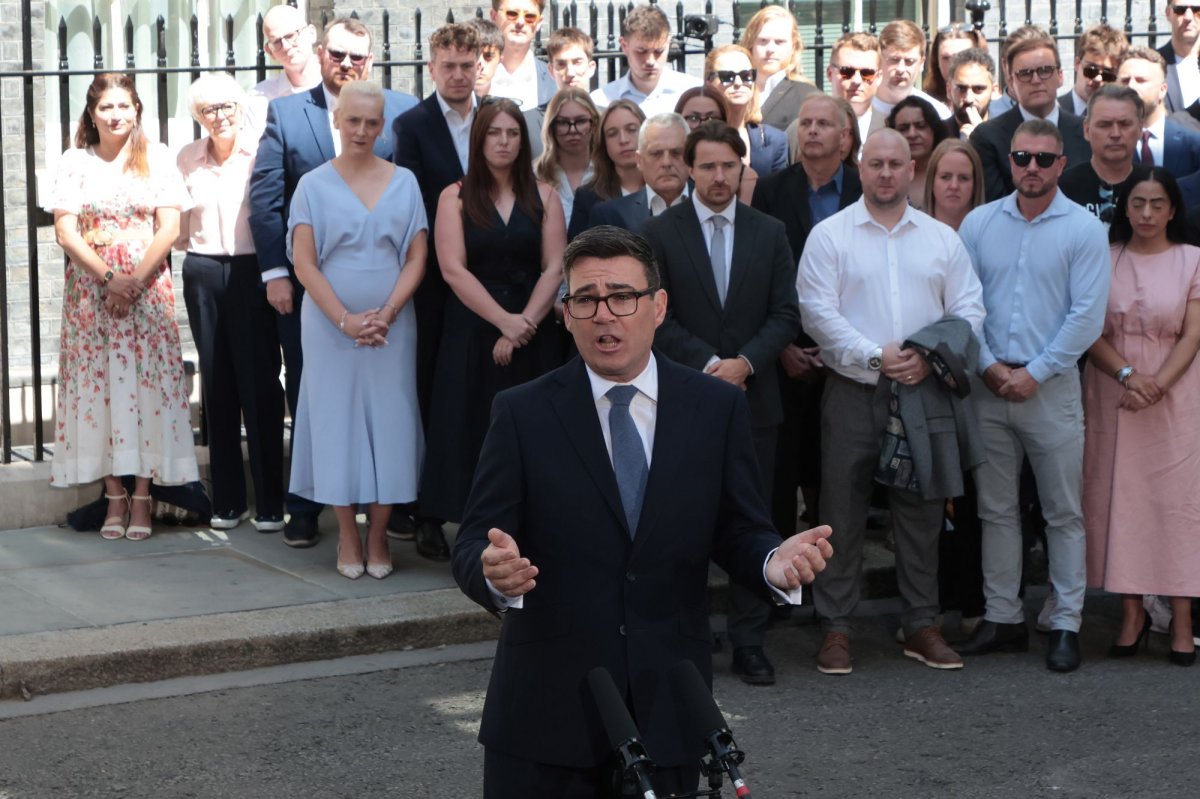
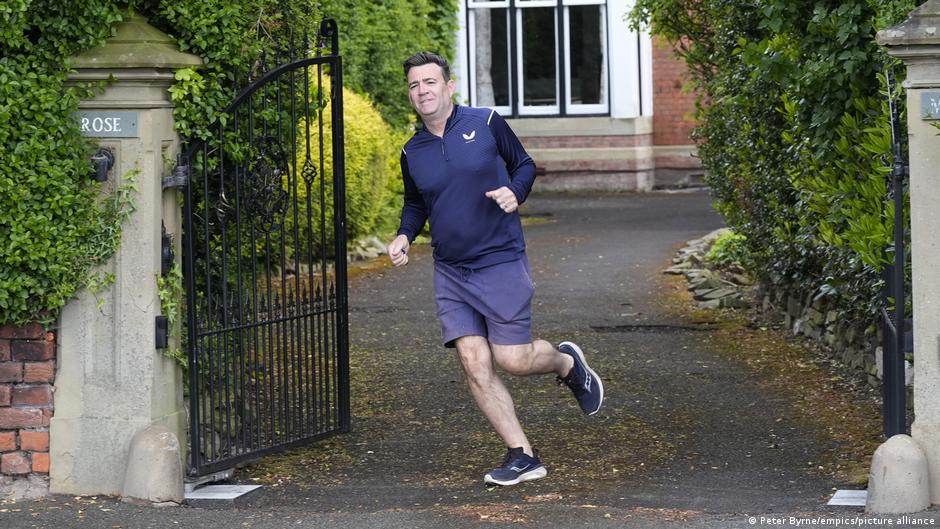
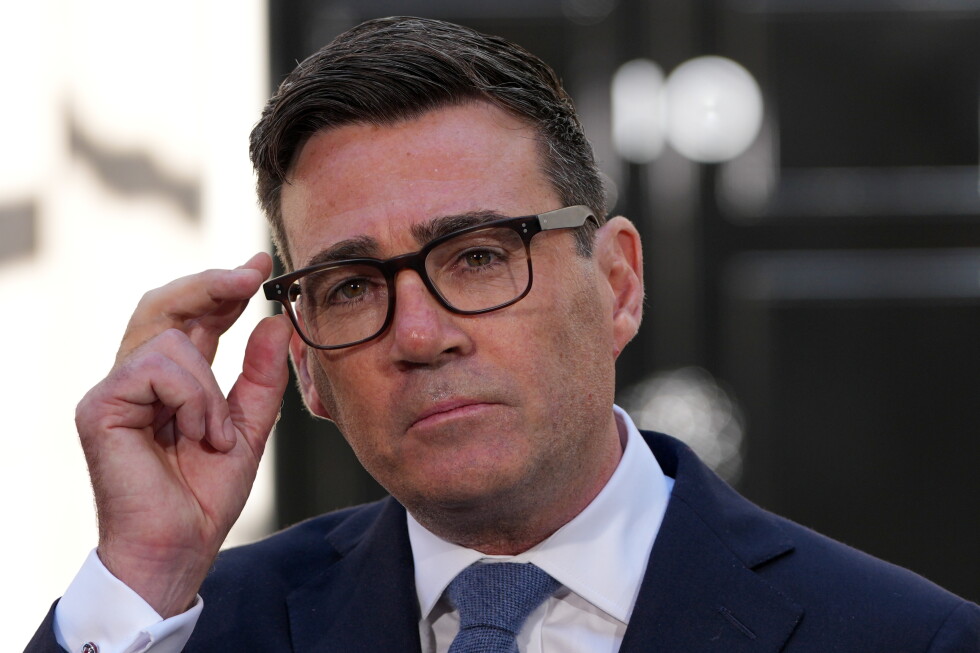
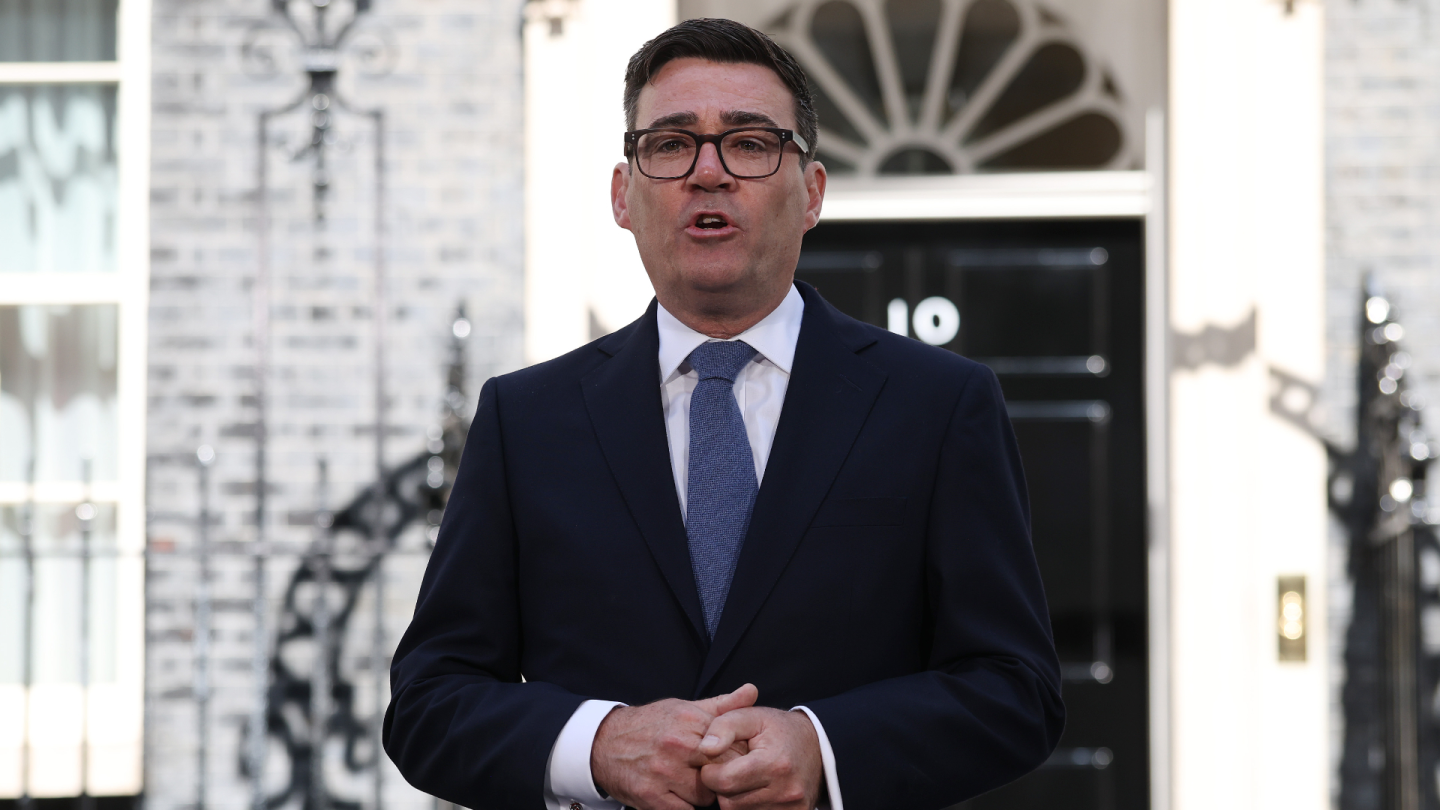
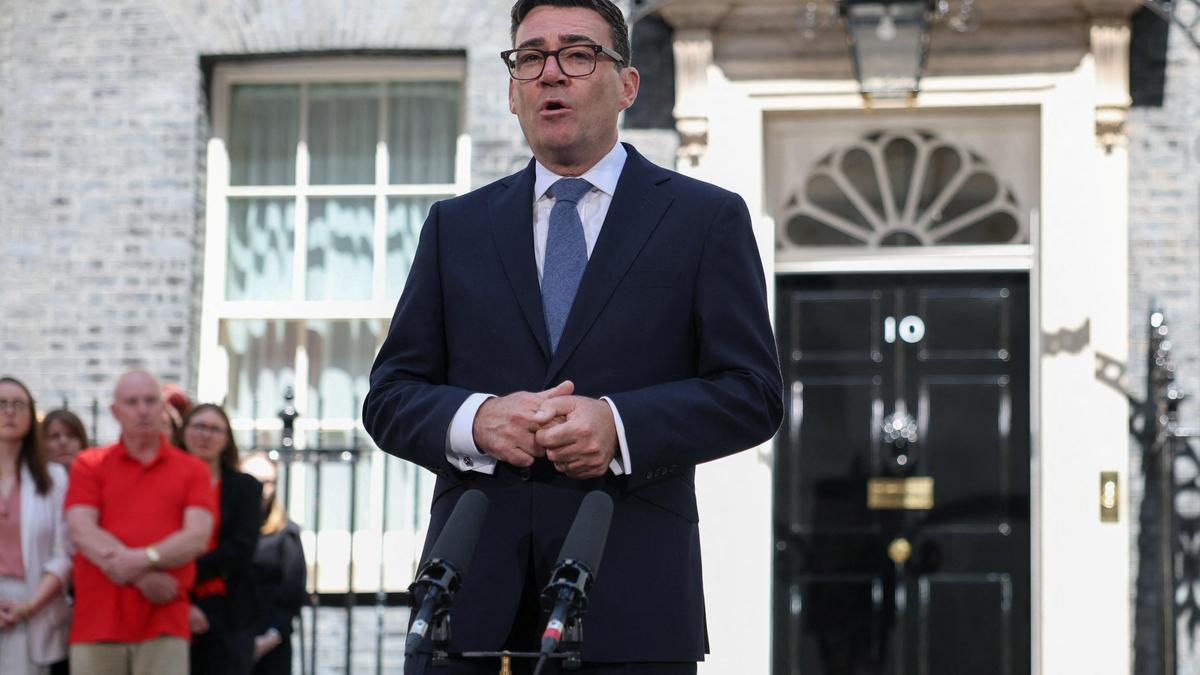
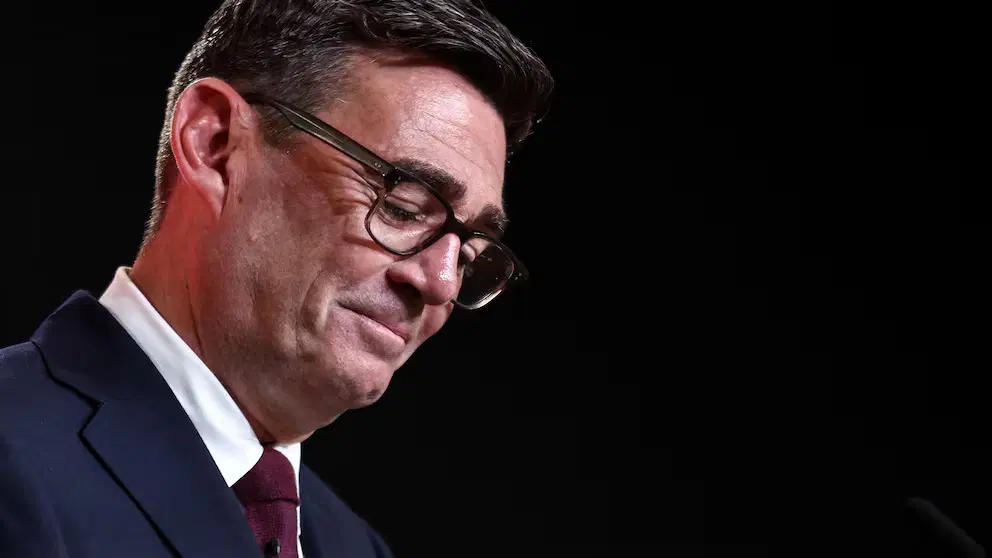
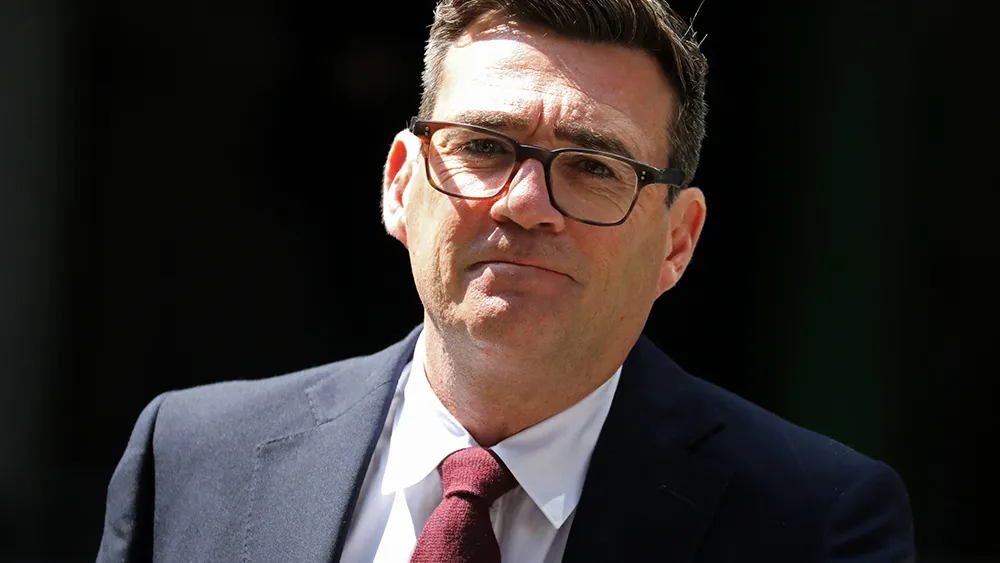
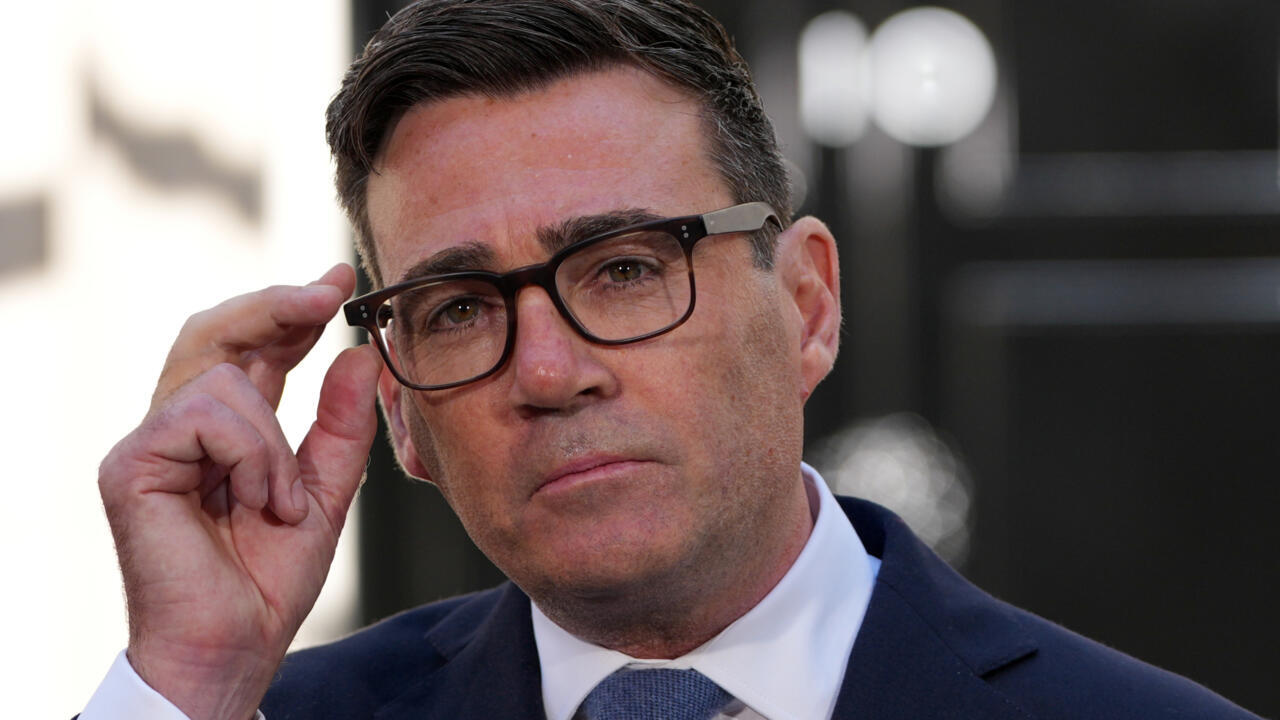
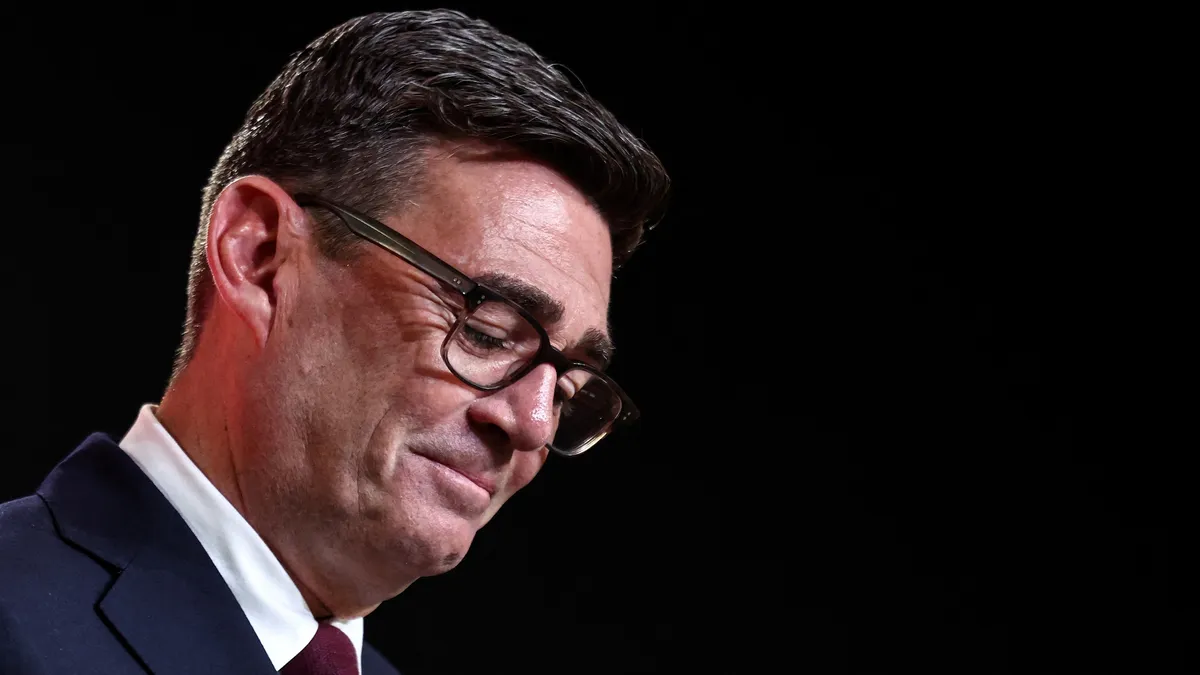
LONDON − Same to-do list. Similar politics. But an upgrade of sorts: quicker on his feet, more fluent in public and more attuned to a country impatient for visible progress on immigration and the cost of living.That's how many British officials and political analysts describe Andy Burnham, who took over from Keir Starmer as the United Kingdom's center-left Labour Party prime minister July 20. Burnham, 56, officially became Britain's seventh prime minister in a decade after a meeting with King Charles III at Buckingham Palace.Burnham arrived in the job pledging political stability and a focus on domestic priorities. He also became the seventh prime minister to share 10 Downing Street with Larry the Cat, officially known as the “Chief Mouser,” since David Cameron’s Conservative government brought him there in 2011."Let us make this the moment Britain starts to believe again," Burnham said, speaking outside No. 10 Downing Street. He said his appointment was a "moment for reflection and new resolution."Unlike in the United States, British voters elect a party, not a specific leader, allowing for some latitude in who runs the country in between general elections. Starmer stepped aside less because his government had failed to make progress − its gains on the economy and public services were modest but real − than because he struggled to explain those gains in language that captured the mood of a doomscrolling age.Timothy Bale, a professor of politics at Queen Mary, University of London, said Burnham has already shown himself better able than Starmer to connect with voters and project hope and confidence.But Burnham faces the same central questions as his predecessor, Bale said: “How to get the economy growing faster, how to improve vital areas like health and defense when there’s no money around, how to signal that the government’s getting a grip on irregular migration − and how to deal with an erratic U.S. president in Donald Trump.”The immediate trigger for Starmer’s resignation came in May, when Labour suffered heavy losses in local elections as Nigel Farage’s Reform UK party made major gains. The next British general election is scheduled to be held no later than Aug. 15, 2029. Though Labour won a landslide in 2024, polls showed Starmer was one of the least popular British prime ministers of modern times, partly because voters found him personably underwhelming.Starmer was a polished, lawyerly technocrat who prized process, order and stability. He delivered dry speeches and projected an earnest manner. The political commentariat often branded him “Mr. Boring.”Yet Starmer built a working relationship with Trump and secured a lower U.S. tariff rate for Britain than the president imposed on many other countries. Even after Trump attacked Starmer on social media for refusing to join the war in Iran or for his approach to immigration or energy, Starmer found a way to largely keep the president on his side.Burnham, the former mayor of Greater Manchester, offers a clear contrast. An emotive communicator, he presents himself as a man-of-the-people politician. He has promised to give “people breathing space on the cost of living” and make a “dynamic start” to his premiership by “delivering changes to people’s lives as soon as possible.”He has proposed nationalizing water and energy companies, launching a sweeping program of low-cost, government-funded homebuilding, restoring the vitality of Britain’s main streets and improving education by devolving power from London to local authorities.But Burnham has not explained exactly how he will deliver that program while confronting the same tight fiscal constraints that limited Starmer, said Matt Beech, a political scientist, historian and director of the Centre for British Politics at the University of Hull. The government also faces spiraling welfare costs and urgent demands for investment in defense and public infrastructure.“He’s much more electable than Starmer. He speaks human. He’s got charisma. He knows how to get out there and shake hands, engage with people and fire up local party members,” Beech said. “But let’s be clear: Andy Burnham is not Tony Blair.”Blair remains Labour’s longest-serving prime minister and the only leader to deliver the party three consecutive general-election victories, governing from 1997 to 2007.“Starmer was in a difficult position,” Beech said. “I think Burnham will be, too.”Andy Burnham: 'King of the North'Burnham, however, is no political novice.Britain’s incoming 59th prime minister first served as a junior minister under Blair. Under Blair's successor, Gordon Brown, he became chief secretary to the Treasury, culture secretary and health secretary.He ran twice for the Labour leadership and lost both times. Those defeats ultimately propelled him toward the Greater Manchester mayoralty, where he won praise for attracting investment and transforming the region’s public transportation system.Burnham’s national profile rose during the COVID-19 pandemic, when he accused Prime Minister Boris Johnson’s Conservative government of treating northern England with “contempt” during a dispute over regional lockdown restrictions. The confrontation earned him the nickname “King of the North.”Burnham met his wife, Marie-France van Heel, a publicity-shy marketing executive, while they were studying English literature at the University of Cambridge. They have three adult children.Despite his “King of the North” image, Burnham is a pragmatist, said a senior British official who knows him well and worked closely with Starmer at Downing Street.The official, who spoke on condition of anonymity, described Burnham as a seasoned political operator who knows how to adjust his style to work effectively with almost any world leader − especially Trump.Burnham may already be demonstrating that pragmatism.In late June, Trump described him as an “extremely liberal” politician who “probably won’t open up” the North Sea to further oil and gas drilling. The BBC has since reported that Burnham plans to announce new North Sea drilling. That's a move, perhaps designed to placate Trump, that appears to break a Labour campaign pledge.Bale said Burnham, like Starmer and other world leaders, will try to “calm and charm Trump, knowing that, in the end, pretty much all he can do is try to limit the strategic and economic damage he’s wreaking until, eventually, he leaves the White House.”But no one should expect a “Love Actually” moment, Bale added, a reference to the scene in the movie when Hugh Grant’s fictional British prime minister publicly confronts an overbearing U.S. president.Kim Hjelmgaard is an investigative journalist covering global stories for USA TODAY, from living rooms to conflict zones. Follow him on X: @khjelmgaard