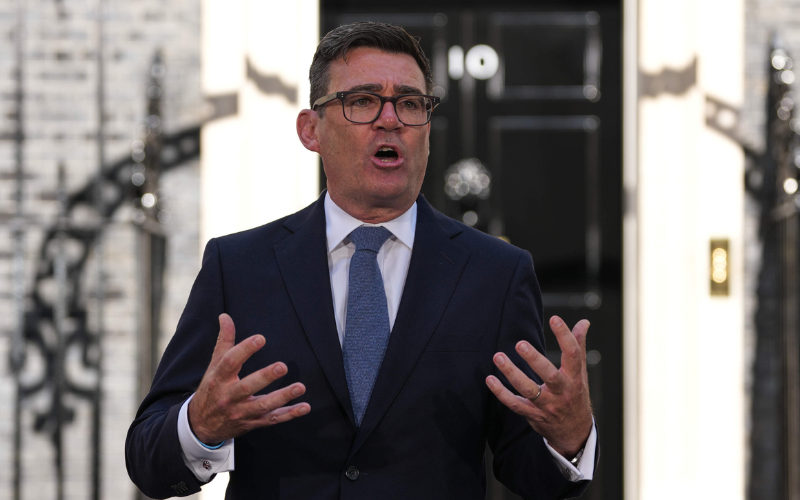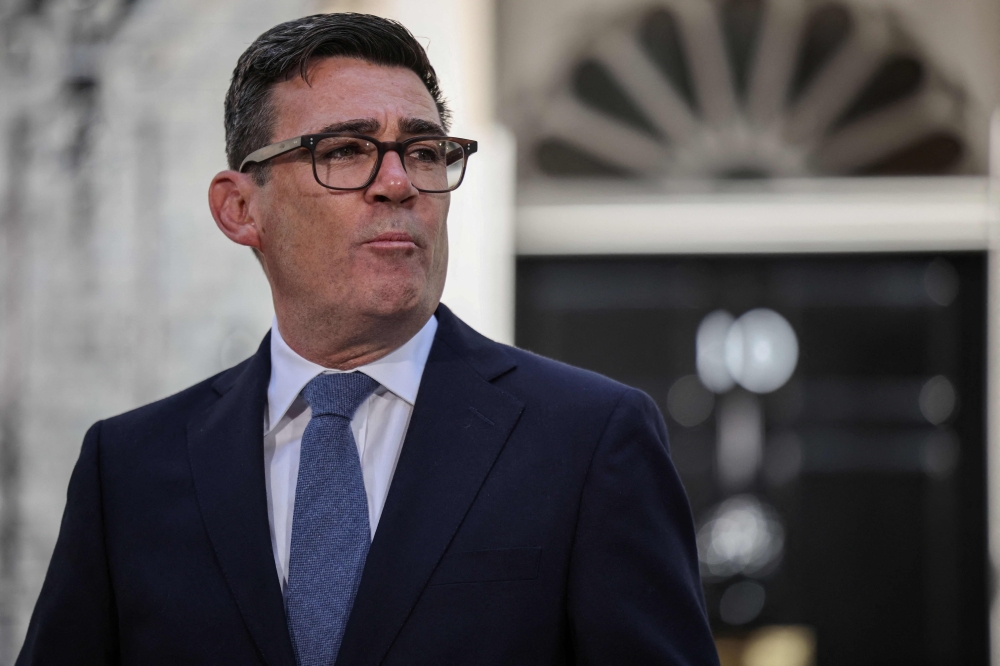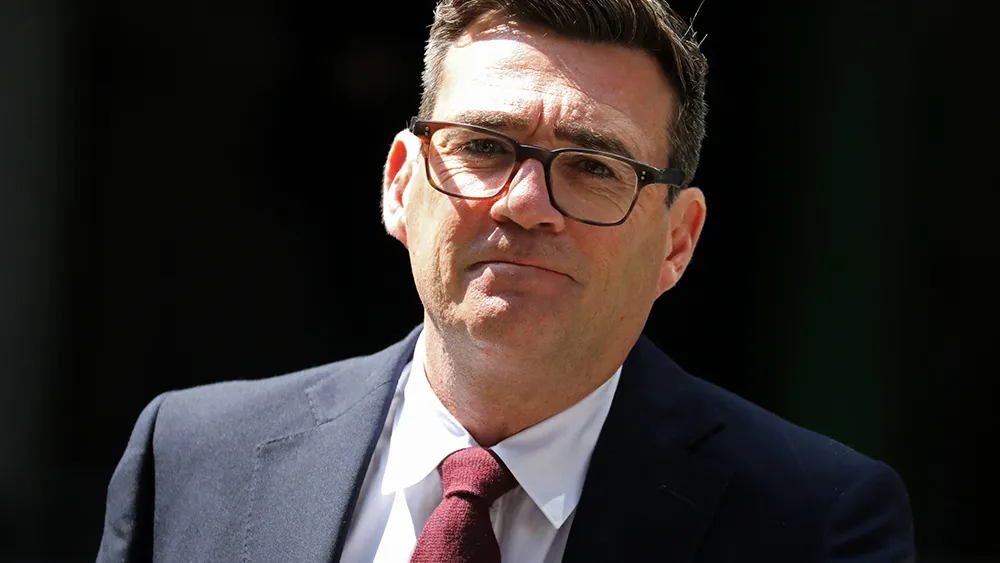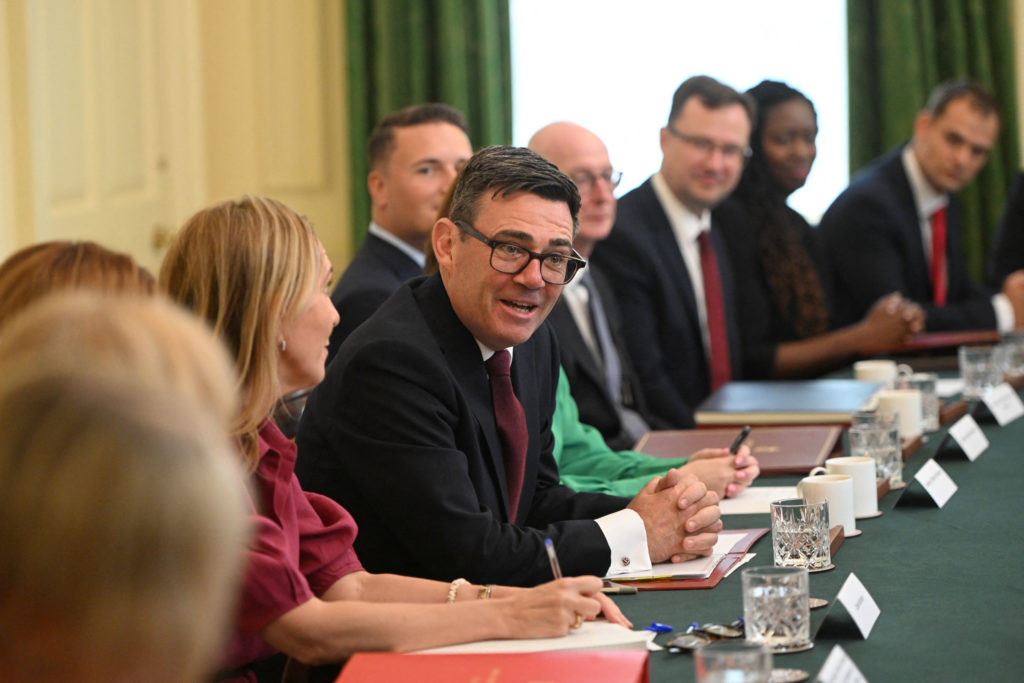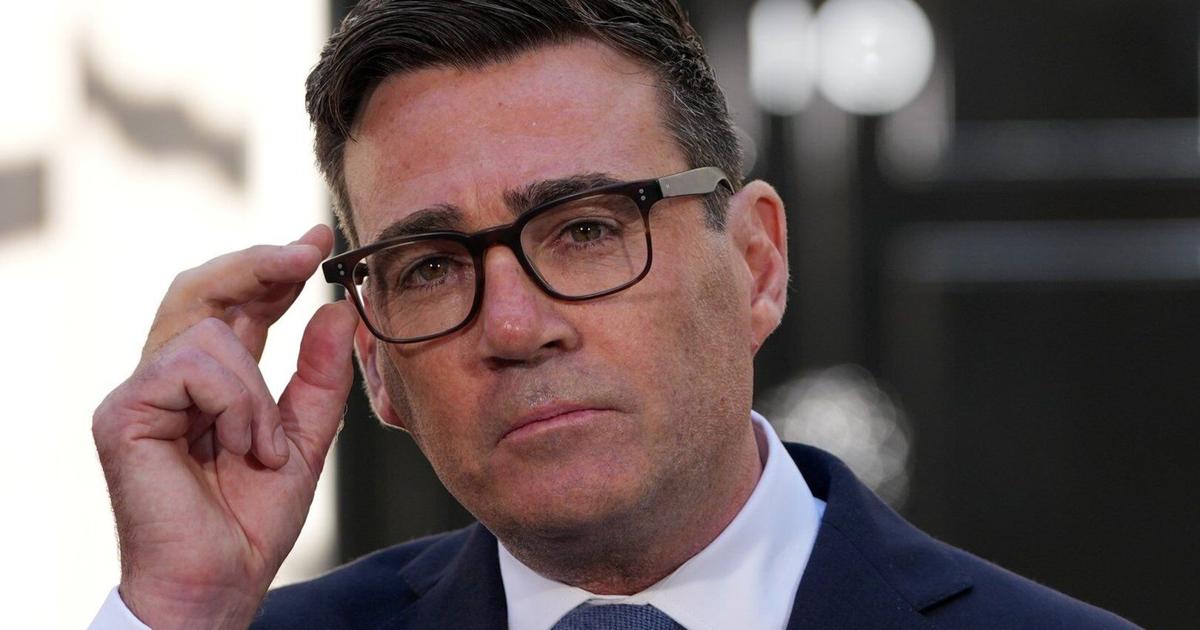
New UK Prime Minister Andy Burnham took power Monday, purging the cabinet of his predecessor's loyalists as he promised a 10-year plan to ease cost-of-living pressures and signalled a tilt to the left. He immediately got to work after replacing Keir Starmer in Downing Street, holding separate calls with US President Donald Trump and Ukrainian leader Volodymyr Zelensky before appointing his ministerial team. Burnham, 56, pledged to re-industrialise Britain and decentralise power as well as end sleeping rough on the streets after he met King Charles III at Buckingham Palace to become the head of government following Starmer's departure. The monarch's fourth prime minister since he acceded to the throne in 2022, and Britain's seventh in just over a decade, Burnham said the country needed to show the world it could "regain stability".
To display this content from YouTube, you must enable advertisement tracking and audience measurement.
One of your browser extensions seems to be blocking the video player from loading. To watch this content, you may need to disable it on this site.
Cover image: © France 24
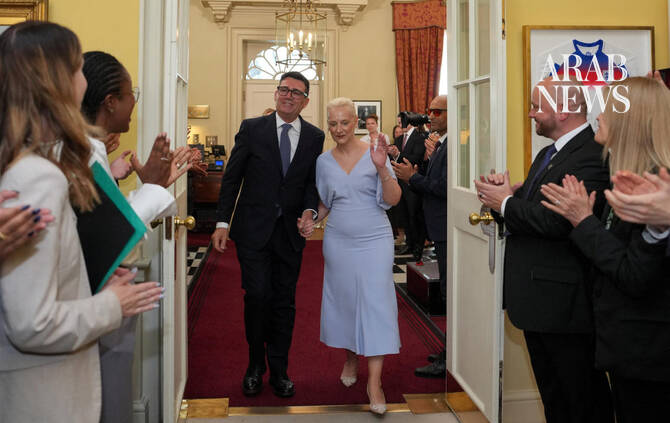
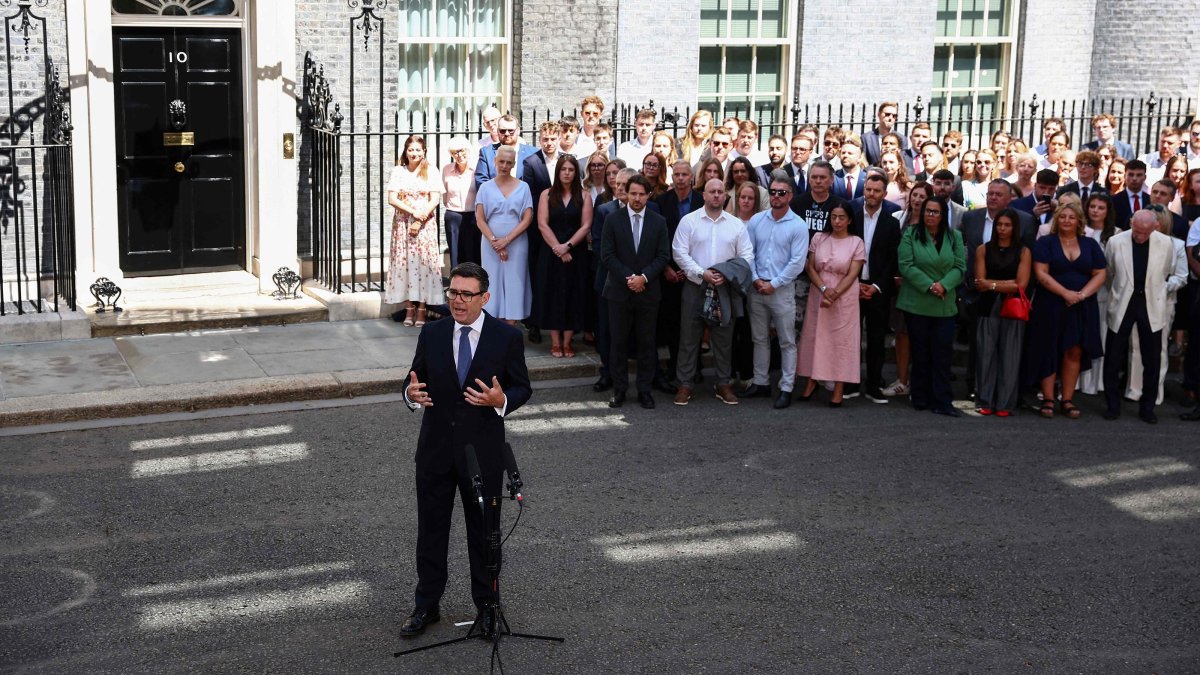
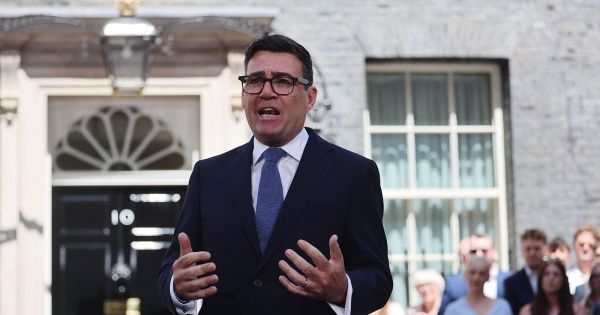
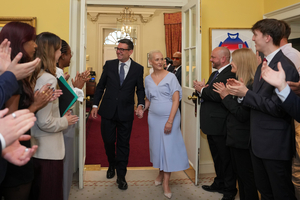
Accompanied by his wife Marie-France van Heel, Burnham was greeted in Downing Street by resounding applause from supporters, including his mother. Standing outside his new official residence at Number 10, he vowed to create "a new political model" and "build a new economy". In his first call with Trump, Burnham underlined his "commitment to defence and security", a UK government spokesperson said. Trump said he had a "very good conversation" with Burnham and that the two leaders would meet "in the not too distant future". Burnham "has got a big job ahead of him, but he will be able to do it and, of course, the U.S.A. will be there to help!" Trump posted on Truth Social, noting they discussed trade, military cooperation and demining the Strait of Hormuz. To Zelensky, Burnham reaffirmed Britain's "resolute commitment" to Ukraine in its defence of Russia's invasion, according to Downing Street. He also moved swiftly to stamp his authority on the new government by sacking several Starmer loyalists from his cabinet, including Rachel Reeves and David Lammy, while moving some ministers to other jobs and promoting allies.