Andy Burnham spent nine years as Greater Manchester's mayor before an unusual path put him in 10 Downing Street. Now he must prove he can lead a nation ‒ starting with an old territorial dispute.Eliot Wilson
| Opinion contributorShow Caption
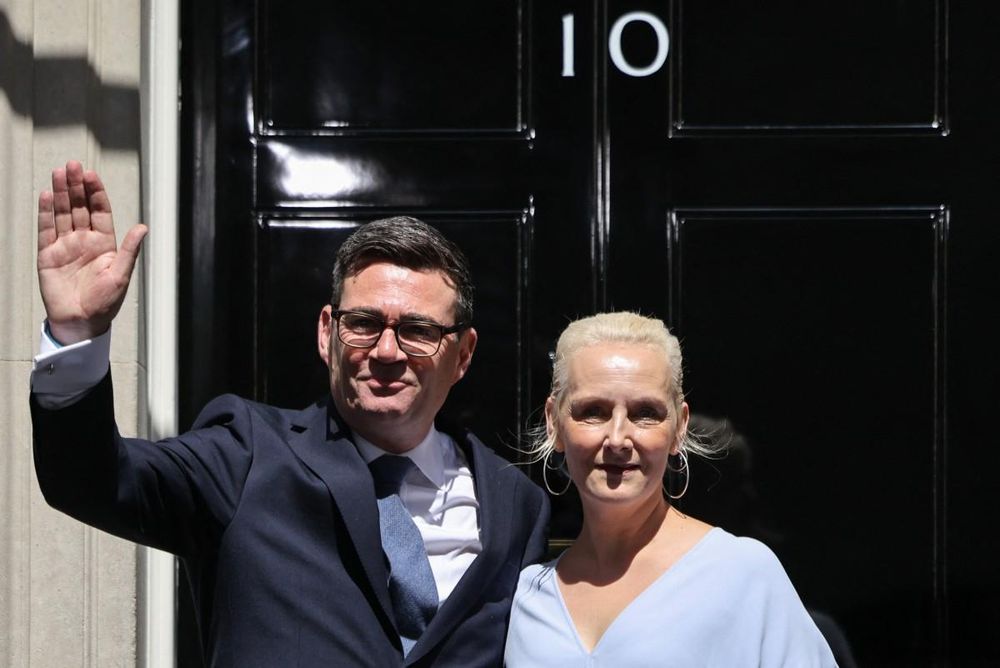
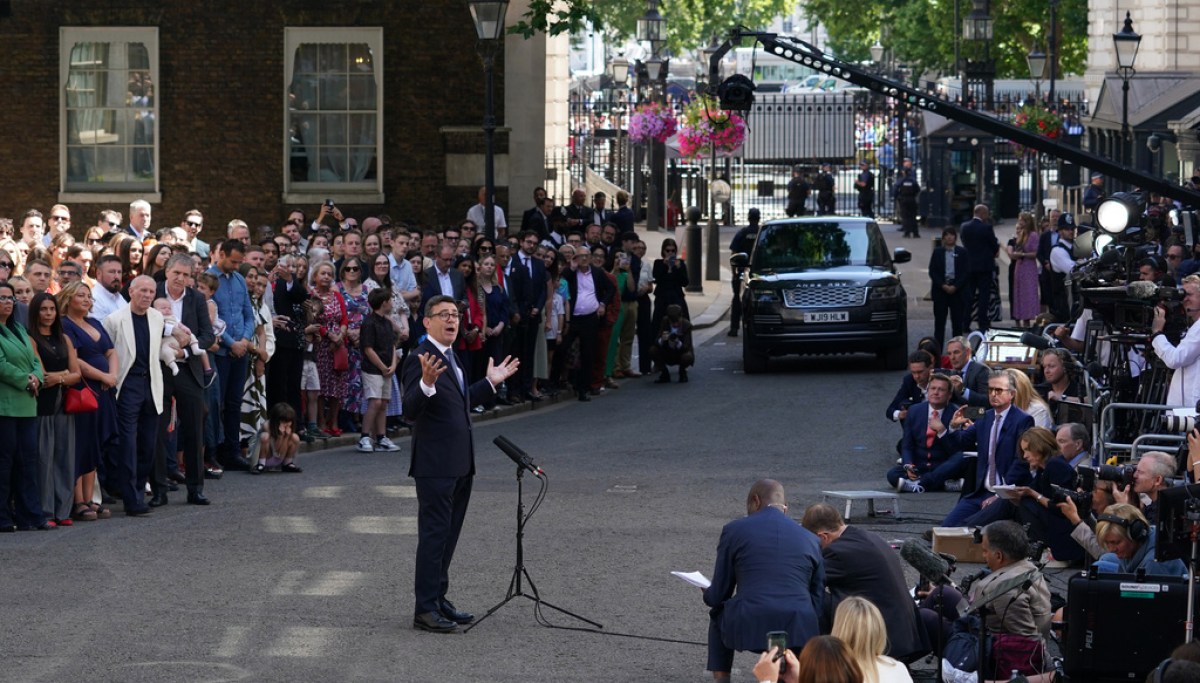
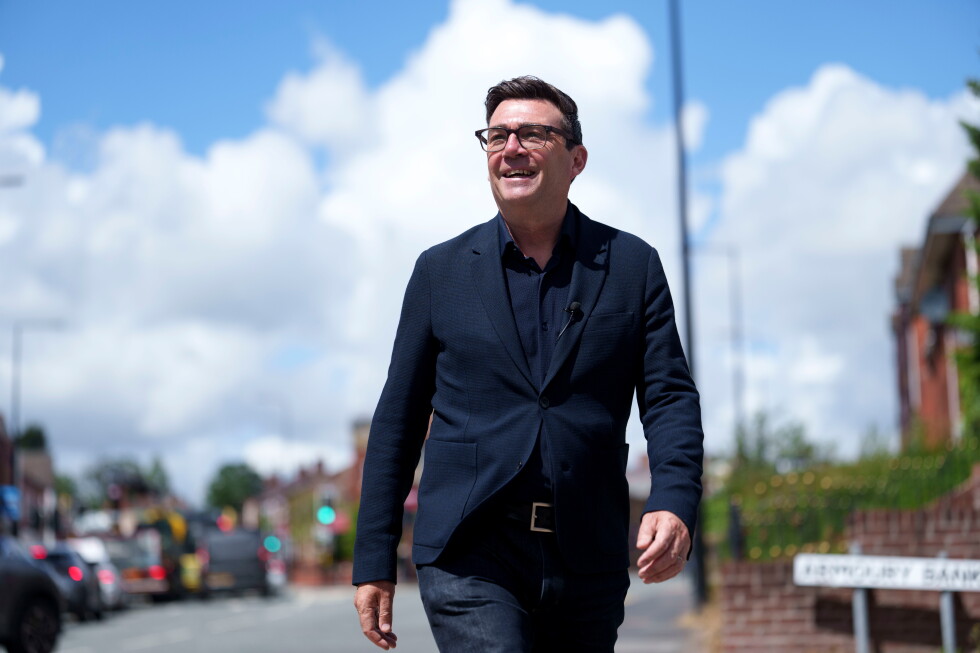
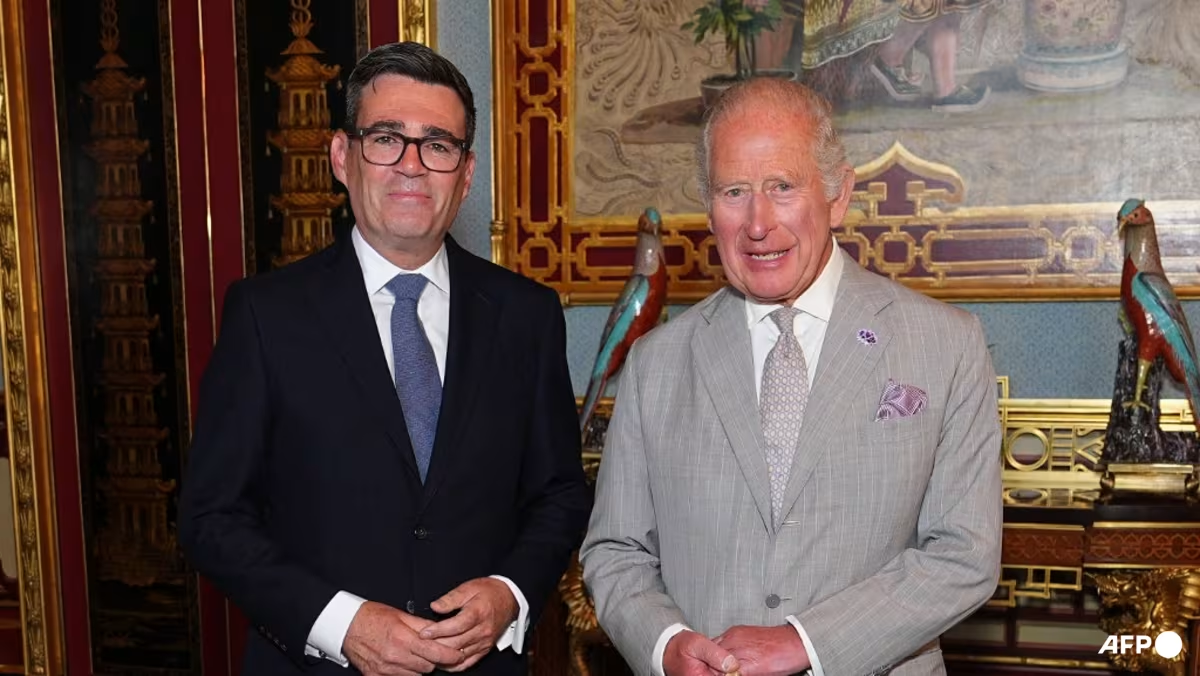
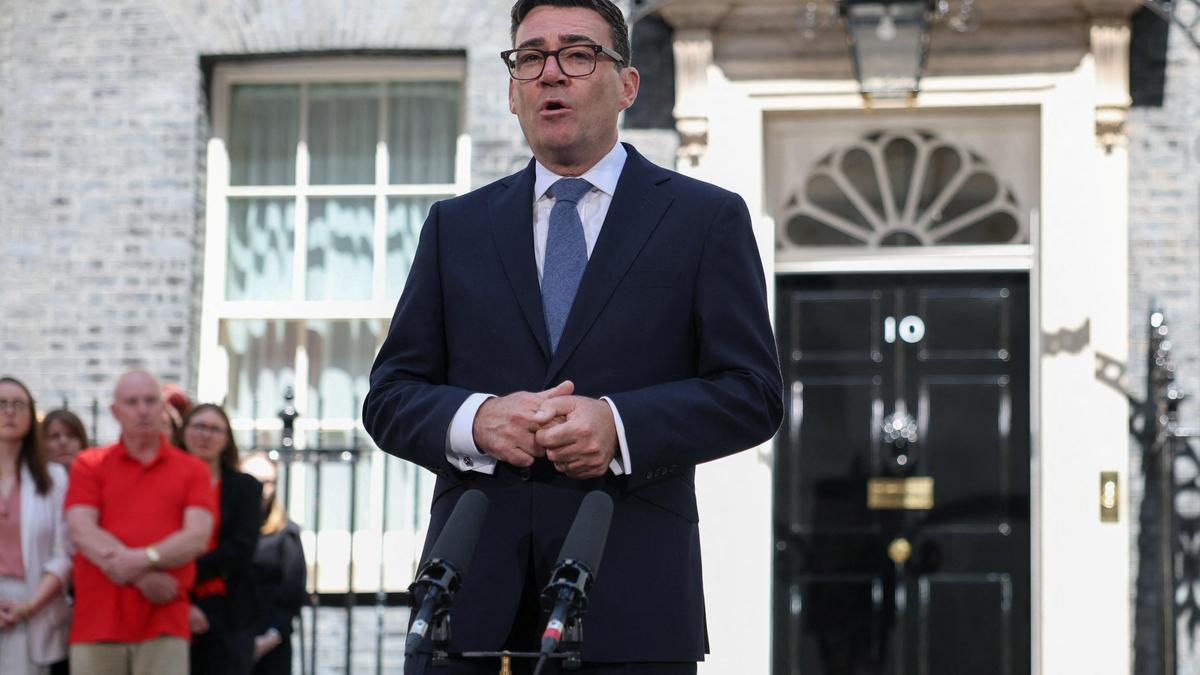
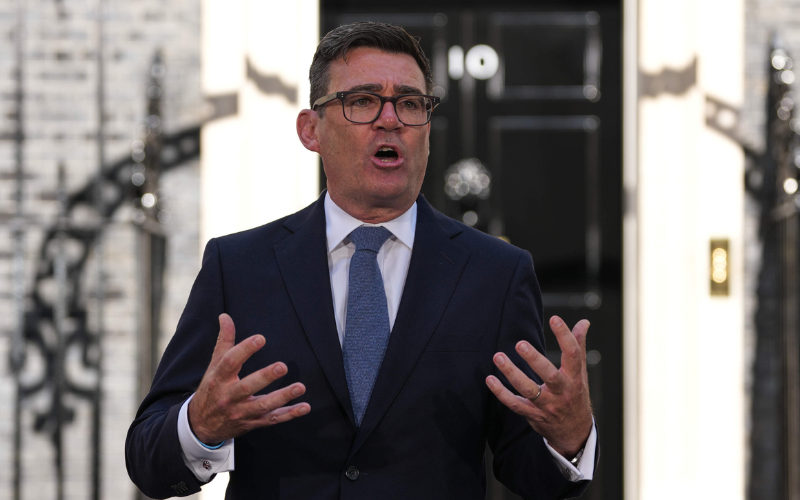
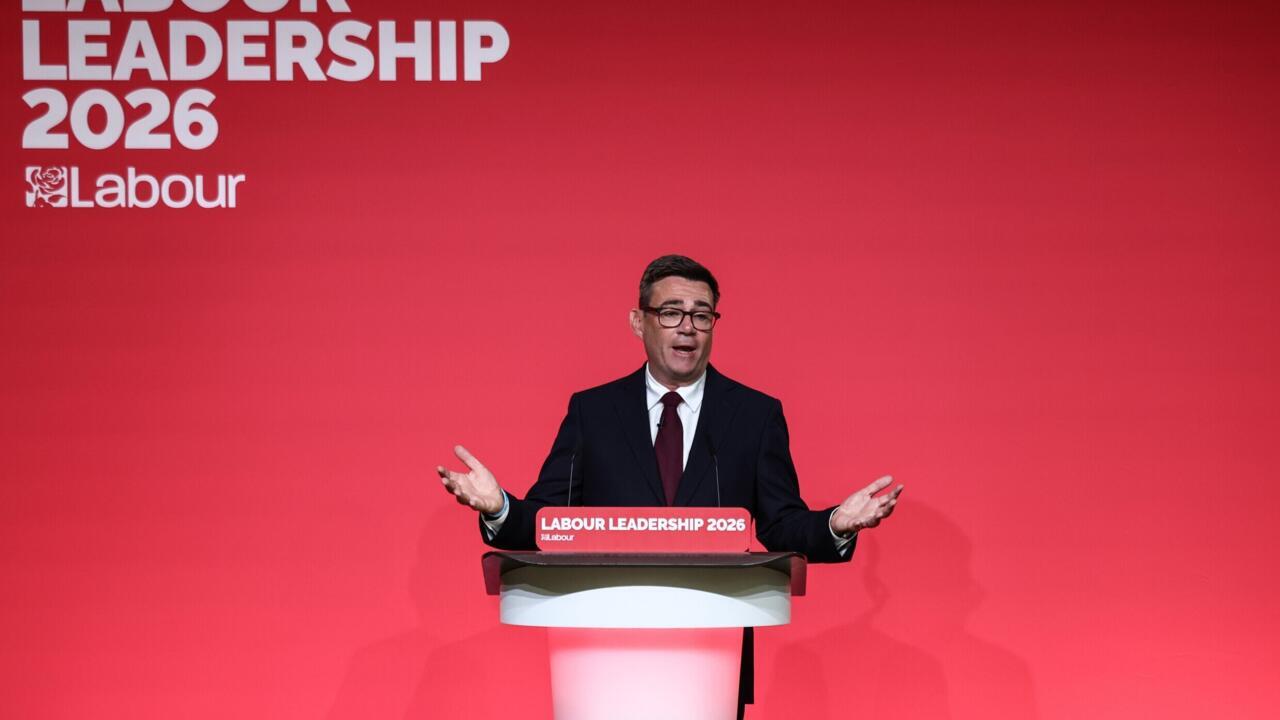
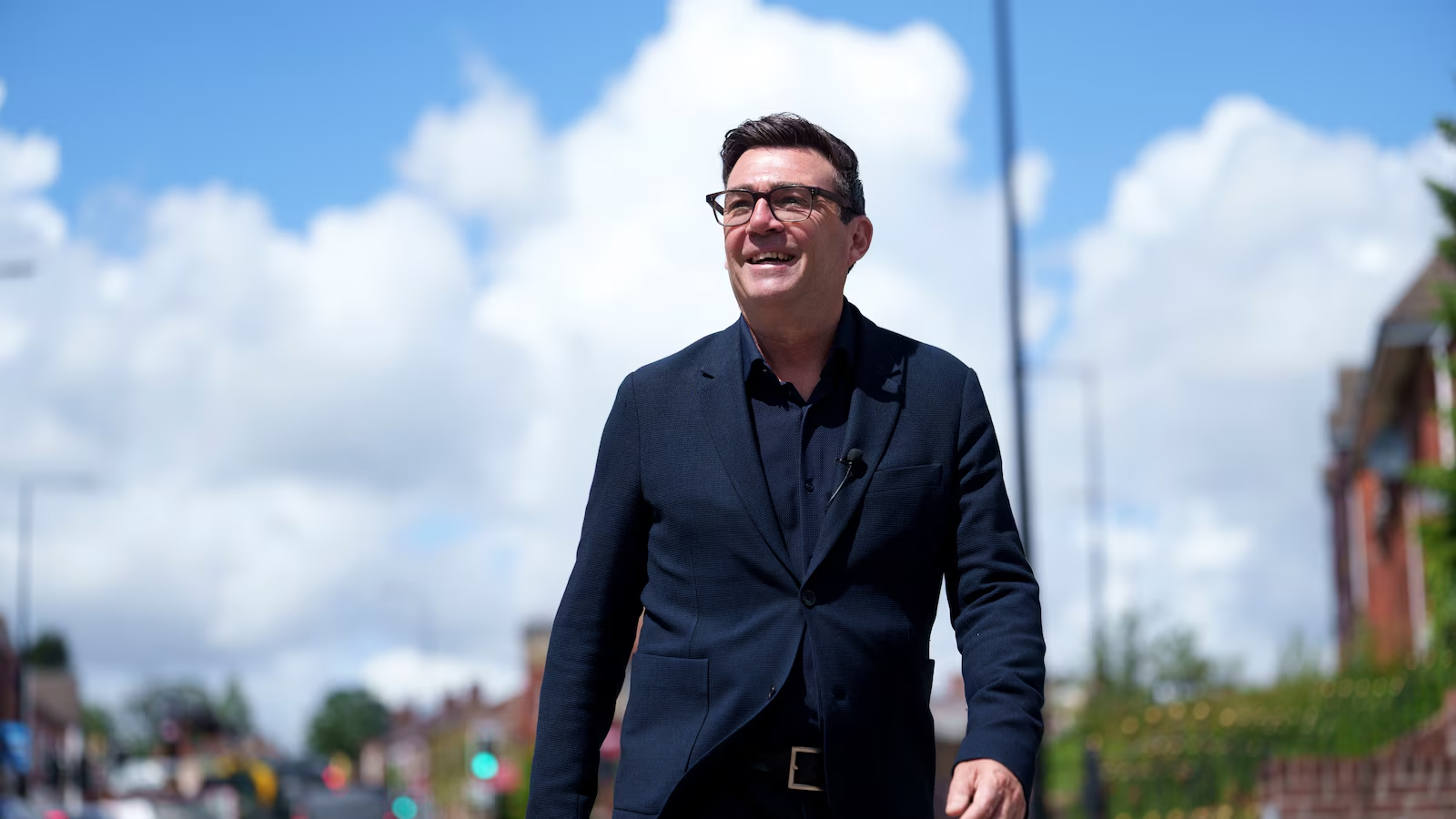
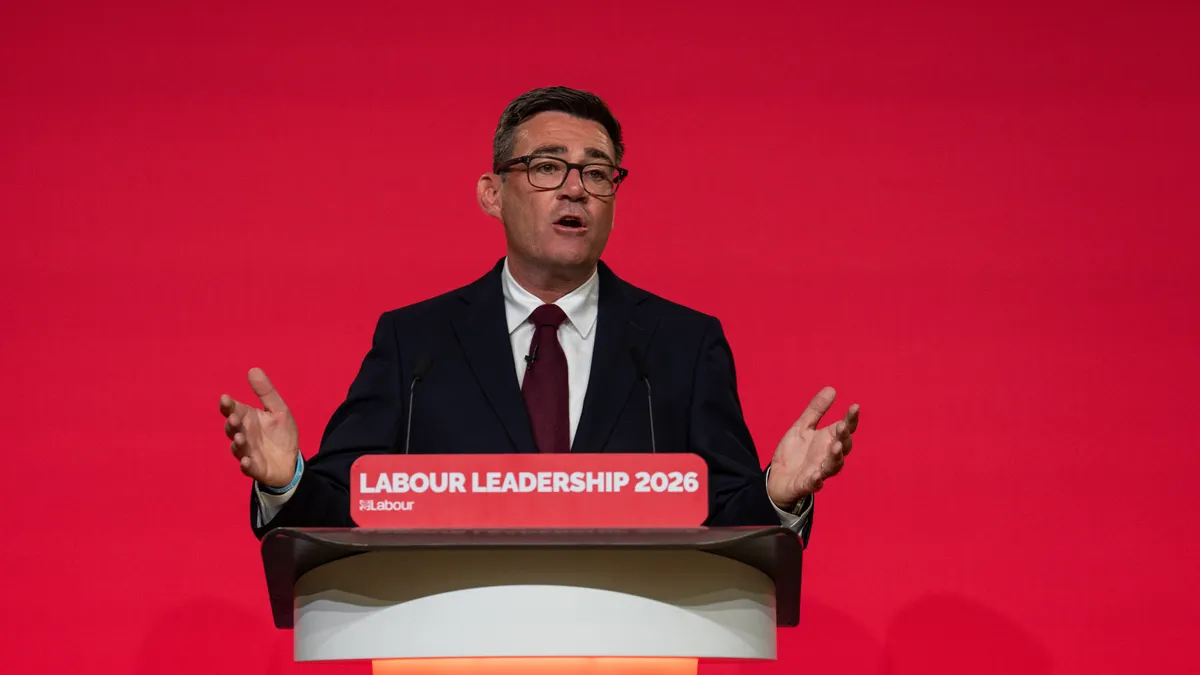
On Monday, July 20, Sir Keir Starmer will meet King Charles III and formally resign as prime minister, just two years and 15 days into the job. Labour fell out of love with him well before that. The party's members of Parliament wanted someone warmer, more relatable on television, and settled on the mayor of Greater Manchester, Andy Burnham.But the mayor needed a seat in the House of Commons. An ally, Josh Simons, gave up his Makerfield seat a few miles from Burnham’s home, and Burnham won the by-election easily. The MP was sworn in June 22 – the same day Starmer announced he was stepping down. No one challenged him.Burnham, 56, may have come from outside Westminster to replace Starmer, but he’s not an unknown quantity. This is his third act in politics.Andy Burnham's working-class path to WestminsterHe grew up working class and Catholic between Liverpool and Manchester, and used to say his greatest influences were Everton Football Club, the Labour Party and the Catholic Church, in that order.At Cambridge, reading English at Fitzwilliam College, and later in London, he has talked often about feeling like an outsider.There’s an air of the origin story about this. Burnham worked briefly in trade journalism, then he was a researcher for a Labour MP. In 1998 he became special adviser to Chris Smith, culture secretary under Prime Minister Tony Blair.That put him on a fast track. In 2001, Burnham was elected to the House of Commons for Leigh, a safe Labour seat near his hometown. He rose through junior ministerial posts at the Home Office and Department of Health before capping the Labour government's final years as culture secretary then health secretary.When Labour left office in 2010, Burnham, then 40, was a senior figure – not through any great accomplishment or fixed political philosophy, but through general affability and a rare politician's knack for seeming like a normal human being. He ran for Labour leader that year and again in 2015, losing badly both times, finishing a distant second in 2015 to the surprise hard-left victor, Jeremy Corbyn.In his mid-40s, with Labour under Corbyn, Burnham reevaluated his career. The Conservative government had created elected mayoral posts for large urban areas, including his native Greater Manchester, a region of nearly 3 million where the mayor would control policing, transport, housing and economic development.Burnham left Westminster to run for the job, trading opposition politics nationally for executive power over a limited area – and the country's second-biggest personal mandate, after London's mayor. He won in 2017 with nearly two-thirds of the vote, then repeated that margin in 2021 and 2024.As mayor, he transformed his image: suits and ties gave way to casual clothes, and Burnham leaned hard into the culture of the North-West, especially its music and football.His fluency on television made him the face of resistance to Whitehall's top-down handling of COVID-19, and a fiery 2020 news conference earned him the nickname “King of the North.” He has a gift for channeling collective emotion. He showed it after a suicide bomber killed 22 people at a 2017 Ariana Grande concert at Manchester Arena.His record after nine years as mayor is more contested. He's proud of bringing Manchester’s bus operators back under public control. Homelessness fell for his first four years, then rose again. There's been real regeneration and inward investment, too, though critics say Burnham gets credit that belongs to others.The question is how well “Manchesterism," as Burnham's approach has been clumsily dubbed, translates to running the world's fifth-largest economy, a nation of 70 million people with complex relationships across the globe. In the Oval Office, President Donald Trump’s reaction to Burnham's impending premiership was graceless but not entirely wrong: “I see that he was, I guess, the mayor of a town.”Starmer, at least initially, forged a surprisingly workable relationship with Trump. Burnham is more adept and personable, but Trump has already written him off as “extremely liberal” and expects him to block further oil and gas exploration in the North Sea.Argentina's World Cup banner gives Burnham his first global testBurnham’s first symbolic test may come in foreign affairs, where he has little experience and even less of a public record. England’s 2-1 semifinal loss to Argentina on July 15 at the World Cup will have stung Burnham, an avid soccer fan. Afterward, Argentine players unfurled a banner reading “Las Malvinas son Argentinas” – “The Falklands are Argentine.”It's a small matter in itself, though FIFA bars political displays and has opened an investigation. But it comes just months after a leaked internal Pentagon document suggested Washington might reconsider its backing of British sovereignty over the Falkland Islands.The 1982 war remains a touchstone of Britain's ability to defend its global interests, but the Royal Navy is in such poor shape that staging a similar operation today may be impossible. Can Burnham revive the “special relationship” enough to bring Washington back onside, even on a symbolic issue?Burnham faces a huge leap, from executive mayor of a sprawling metro region to head of government of a major world power. We know the generalities: He’s soft left, liberal, collectivist and in favor of public ownership. But the real test starts Monday, when the black door of 10 Downing Street closes behind him and he’s in charge.Eliot Wilson is a senior fellow for national security at the Coalition for Global Prosperity and a contributing editor at Defence on the Brink.