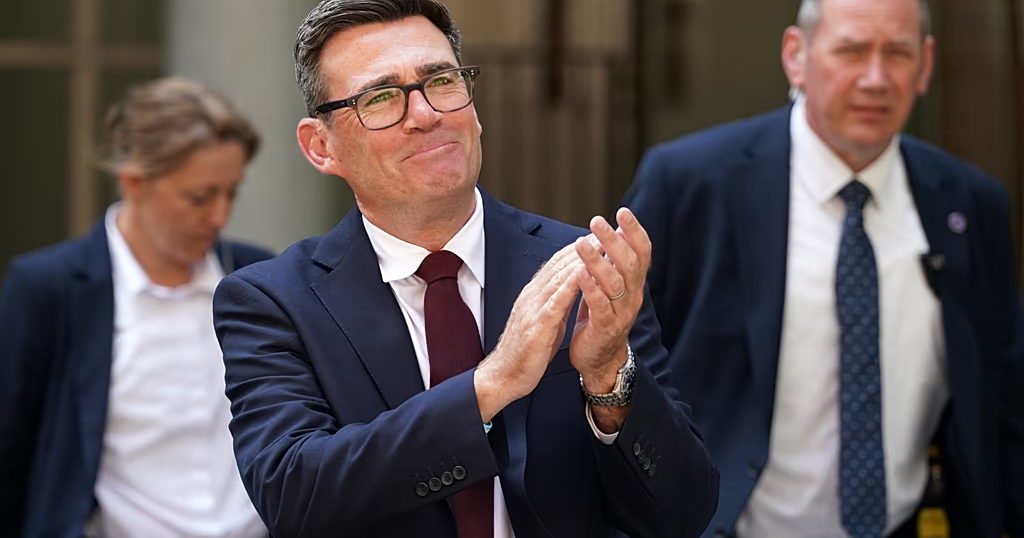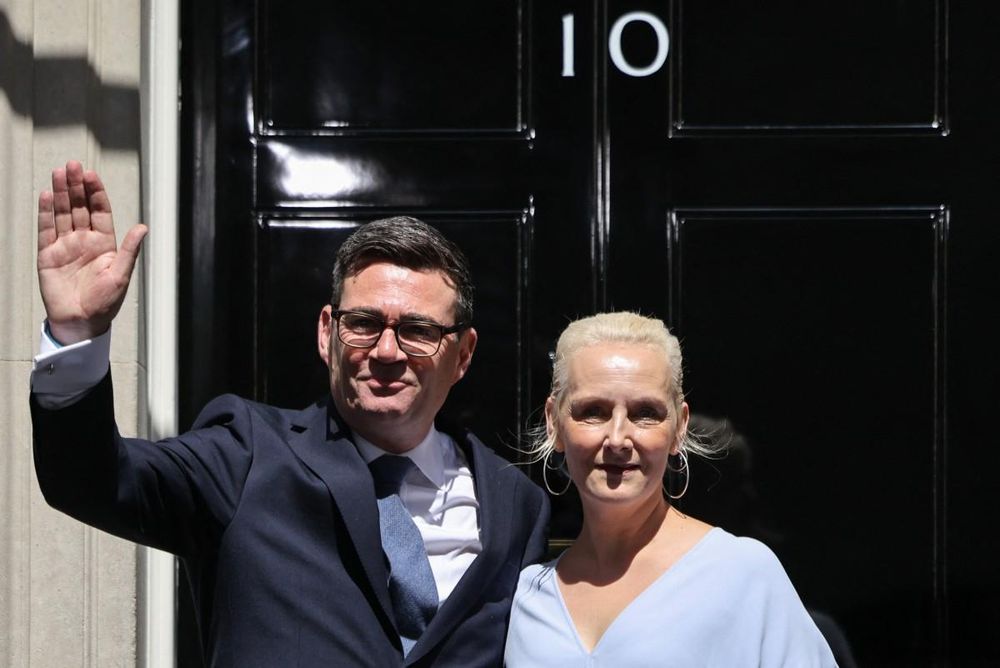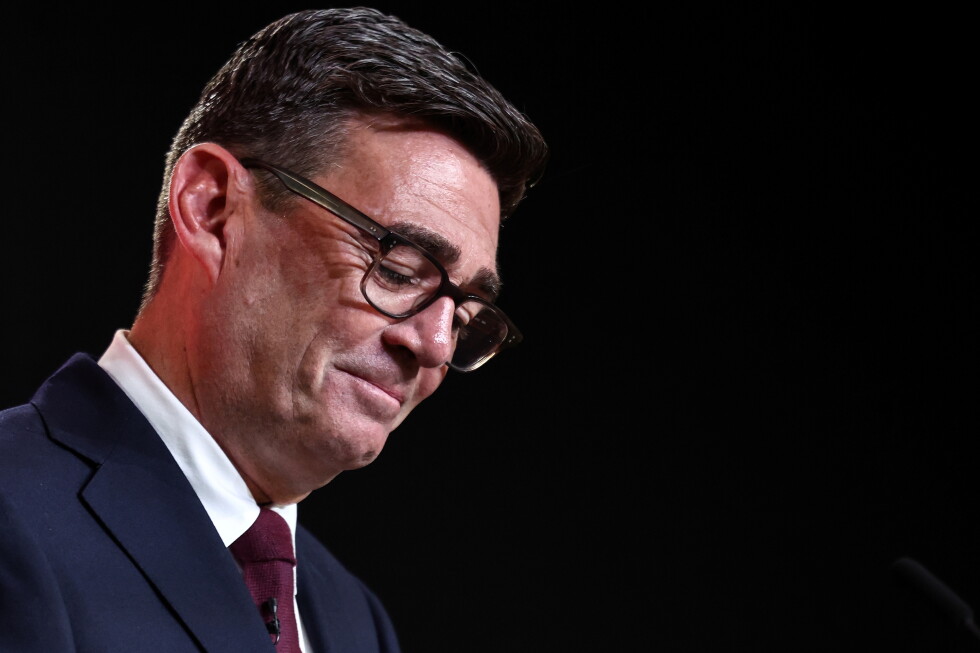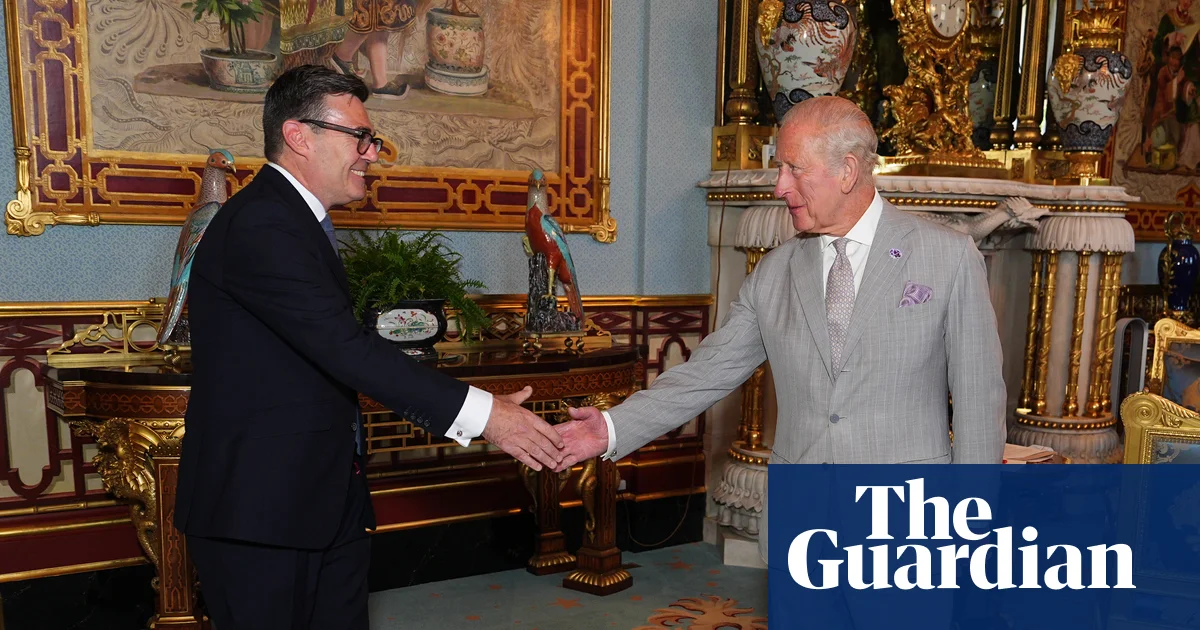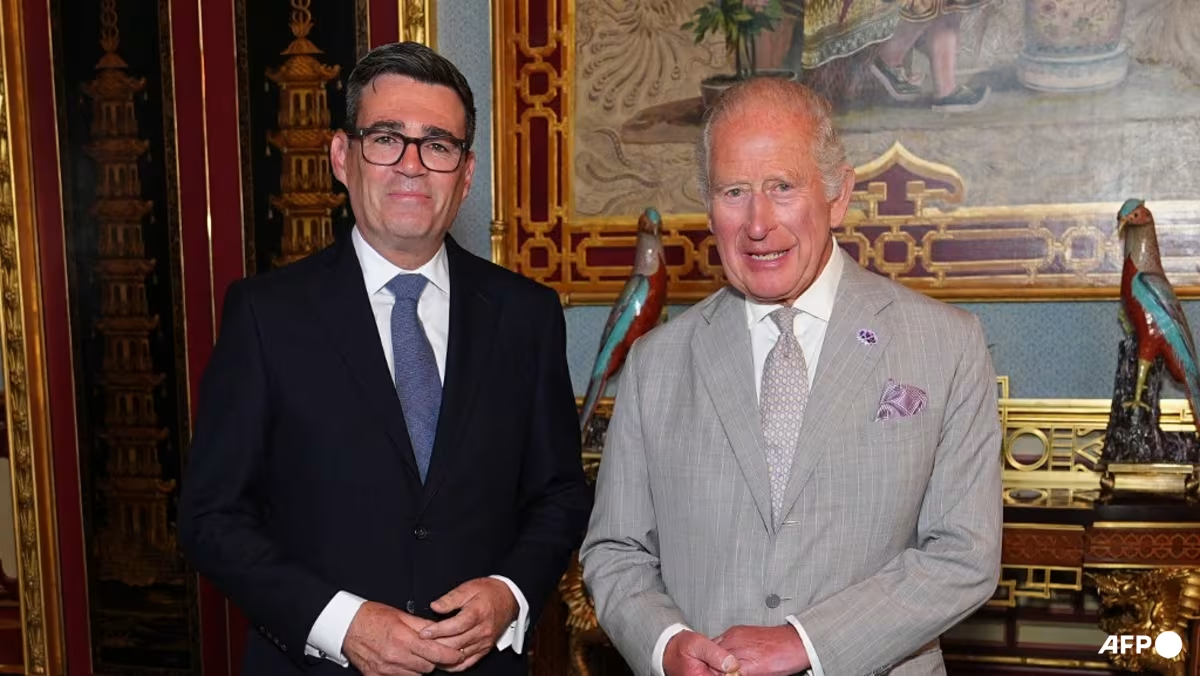
Andy Burnham was sworn in as the United Kingdom’s new prime minister, taking over from the historically unpopular Keir Starmer.The former Manchester mayor has taken the country’s top elected office just four weeks after entering parliament, having been floated as Starmer’s most likely successor since his premiership entered its existential danger phase earlier this year. Burnham became prime minister after a meeting with King Charles III in Buckingham Palace, as per U.K. procedure, shortly after the king accepted Starmer’s resignation. A statement from Buckingham Palace said the king had “requested him to form a new Administration.”The Labour Party leader “accepted The King’s offer and kissed hands upon his appointment as Prime Minister and First Lord of the Treasury.”
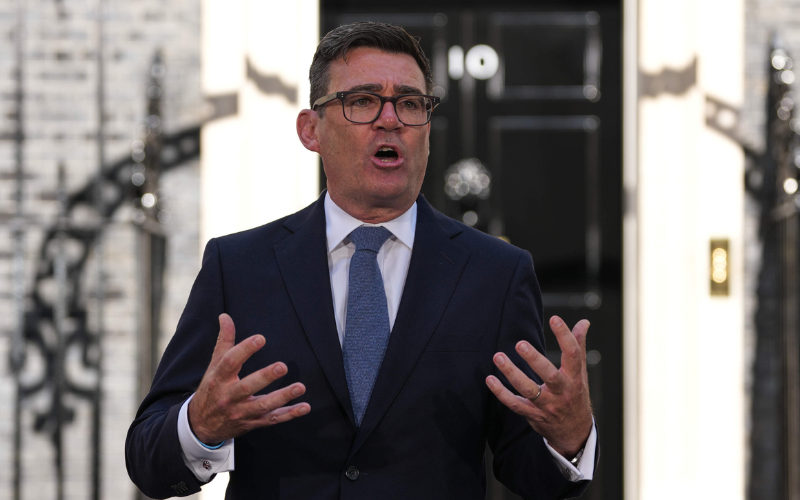
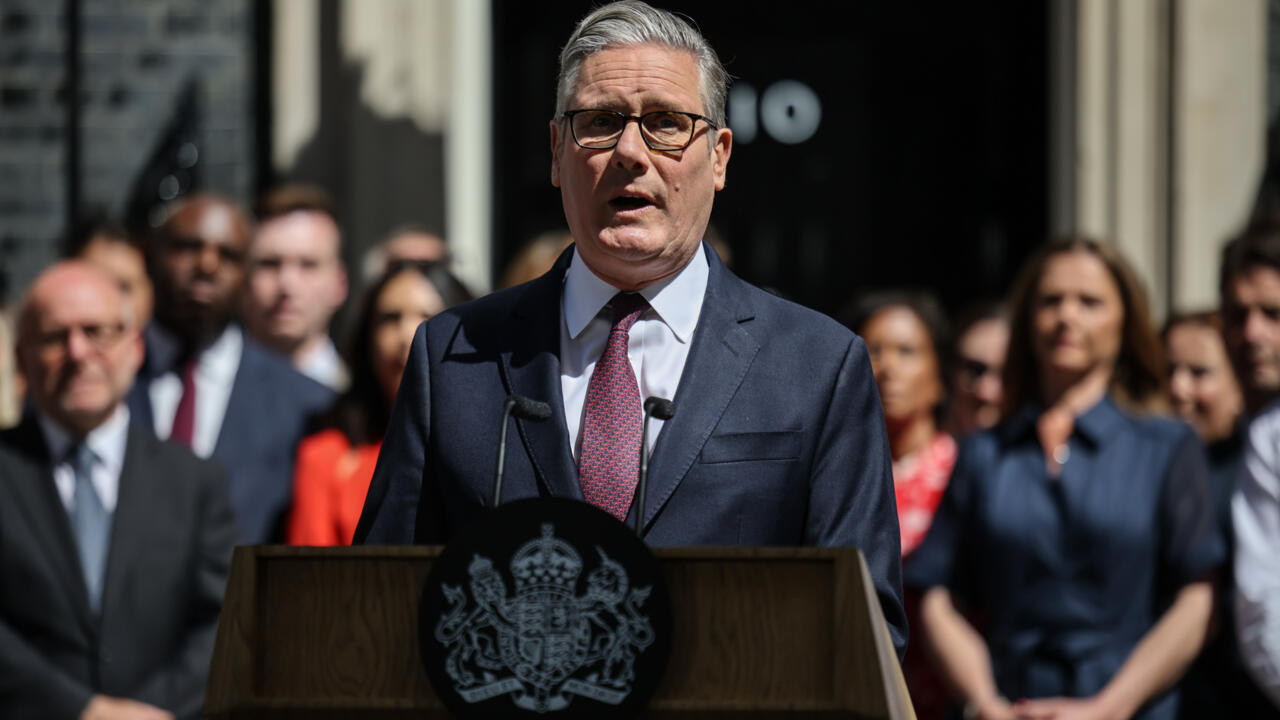
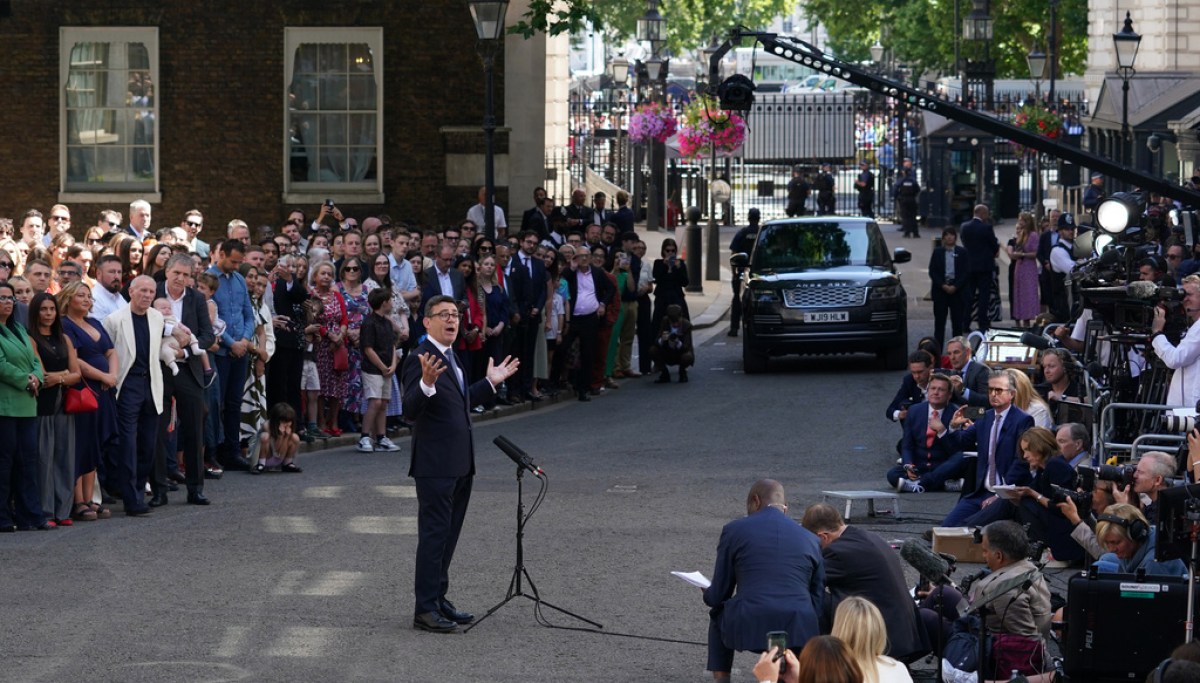
BURNHAM ‘FINALIZING’ CABINET PICKS AHEAD OF APPOINTMENT AS UK PRIME MINISTERThe appointment is a historic one — Burnham is the first Catholic to lead the country since the death of Queen Mary Tudor in 1558, in a country that long distinguished itself in its opposition to Catholicism. Catholics were long persecuted and barred from office, and some laws still in the books barring certain Catholic influence may trigger some awkwardness.Hopes are high within Labour that Burnham can revive their fortunes, after repeated scandals and record low popularity. The new prime minister has projected an image of vigor, claiming the party’s problems can be traced back to its departure from its founding philosophy. He has pledged to refocus the party on the working class, public-private cooperation economically, and a boost in social spending.This message was central in his first speech as prime minister outside 10 Downing Street, promising that his premiership would be a “circuit breaker” for the U.K., “bringing forward the biggest changes in the last 40 years.”“Britain needs to show the world that we can regain our stability once again, and that is our challenge: to make politics work, to make it work better,” Burnham said.He bemoaned the “wrong turns” the country had made since the 1980s.“Political power was centralized, economic power privatized,” Burnham said. “Large parts of the country deindustrialized, and they still haven’t recovered. Many feel as though they’re still in decline, and they don’t have the ability to turn things around. And that’s why we will change politics to make it more collaborative, more about problem solving than point scoring.”Starmer pledged his full support to his successor in his own final speech in the same spot less than an hour before.EUROPE’S DEMOGRAPHIC TIME BOMB IS KILLING ITS LEADERS’ POPULARITY“He has my full support,” Starmer said. “I go with good grace, I go with a smile, and I go proud of everything we have achieved.”Though Burnham’s taking of the reins has sparked a groundswell of hope from Labour members, he faces major challenges. The U.K.’s six prime ministers since Brexit have all left office despised, largely due to structural economic issues associated with an aging population. His peers in Western Europe have failed to overcome these issues and now grapple with some of the lowest approval ratings in their respective histories.This is a breaking news story and may be updated.