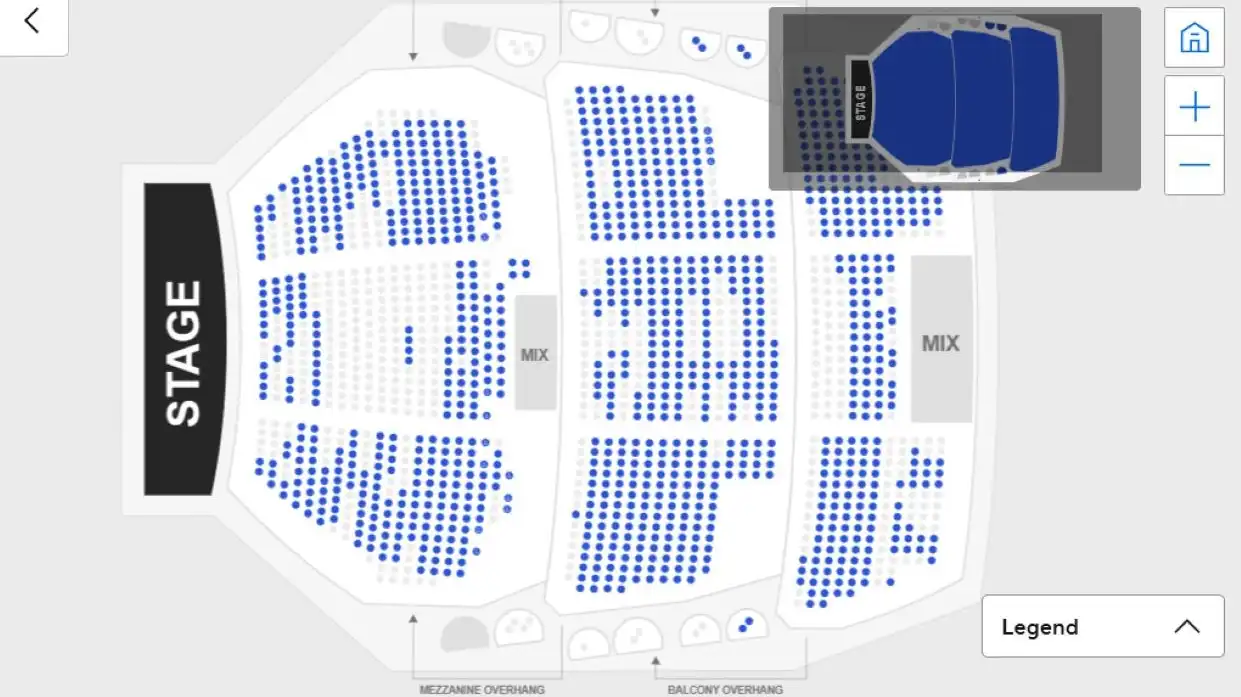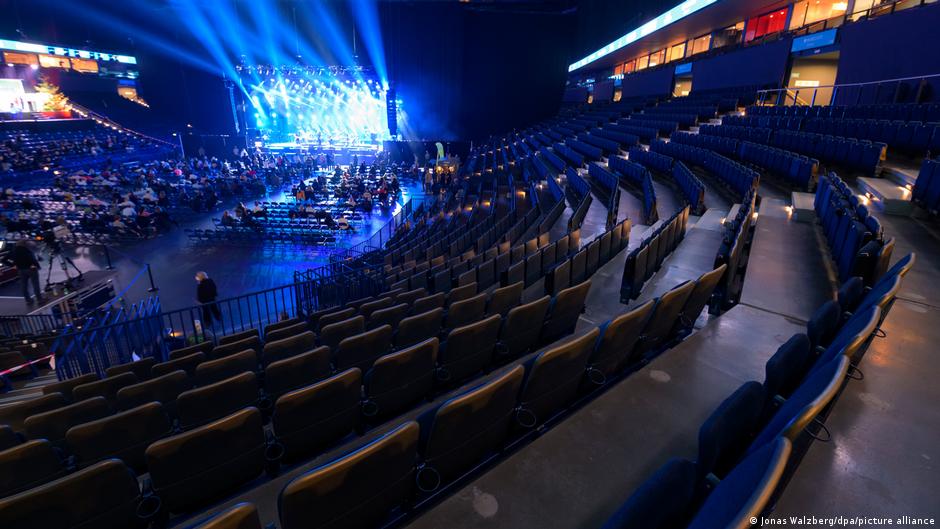
The term "blue dot fever" has been circulating in the media for some time now. "Blue dots" refer to available seats on US ticket sales platform Ticketmaster. Lots of empty seats right before a concert can spell trouble for both artists and organizers — including cancelled shows. With more and more concerts afflicted by this "illness," is the future of the concert scene uncertain?
The economy of superstars
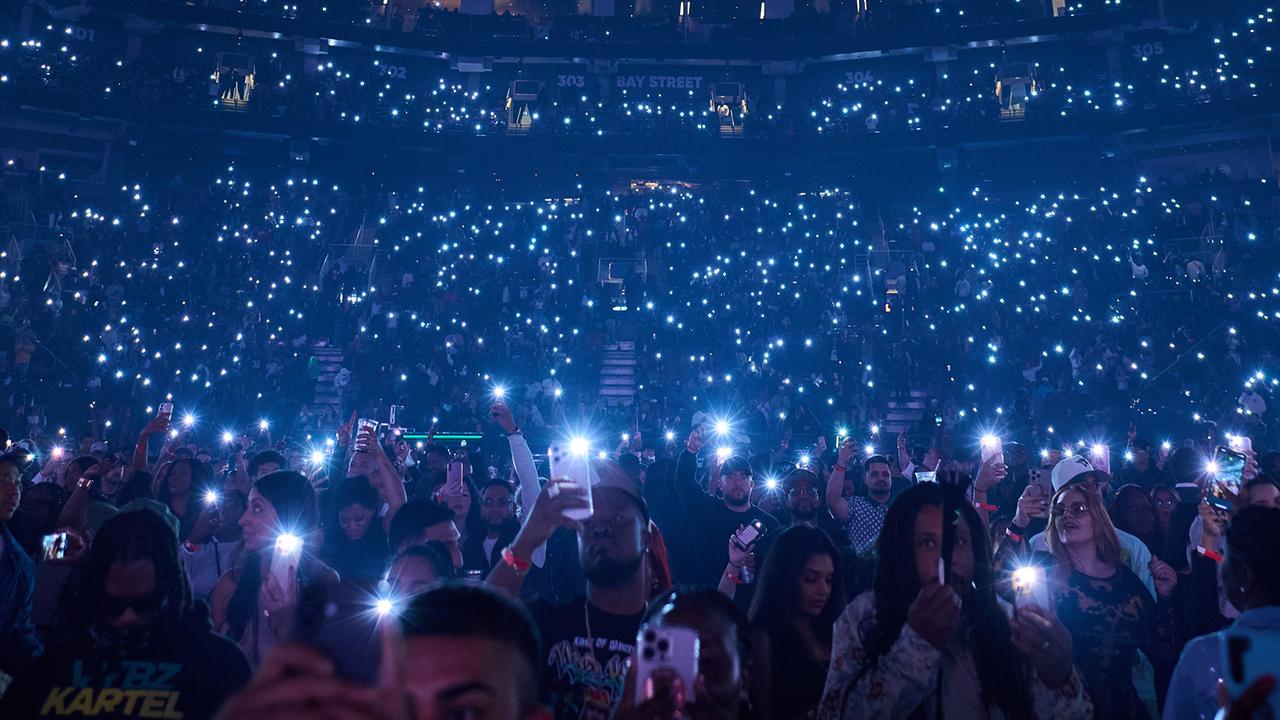
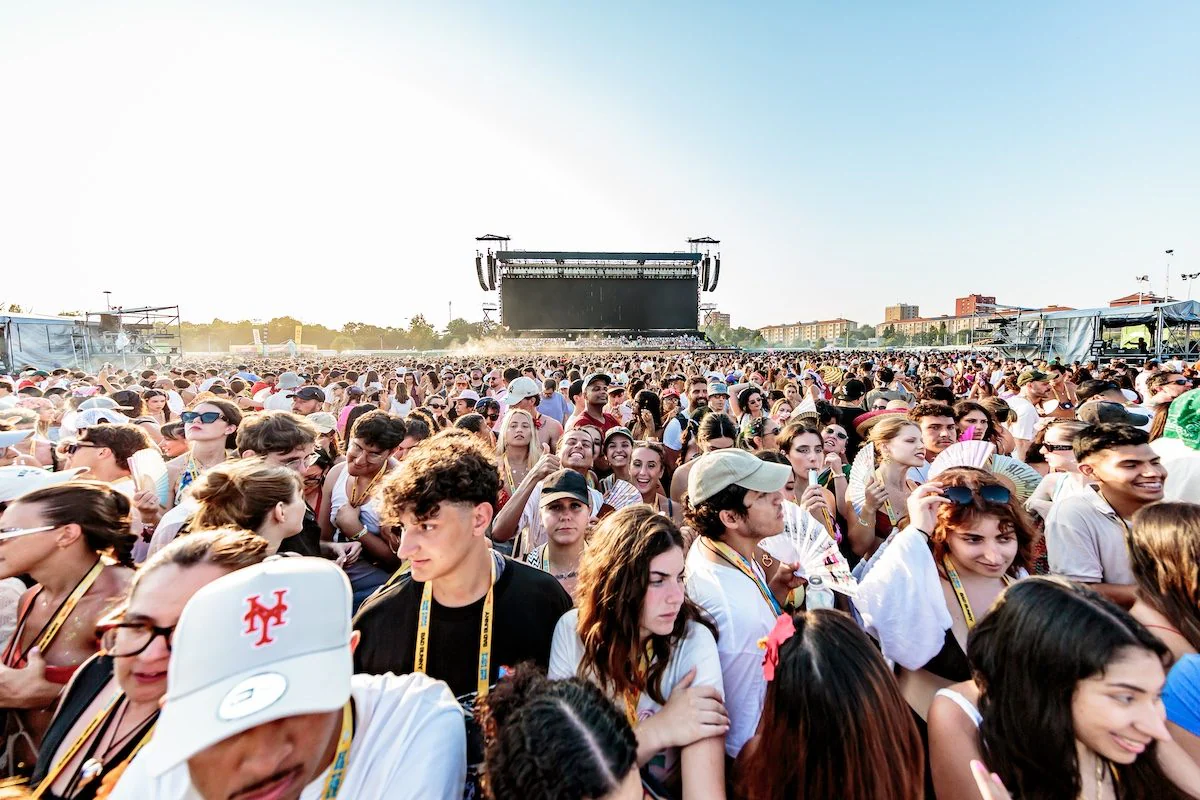
The situation is quite different for big name stars. Leading musicians like Beyonce, Oasis and Coldplay still easily fill large stadiums.
According to official Pollstar charts, Beyonce had the most successful music tour in 2025, generating over $400 million (Є359 million) in revenue. The Oasis Live '25 tour was one of the biggest box office successes in recent years. Coldplay also remains a strong crowd-pleaser, with many concerts on their current world tour selling out instantly.
Yet all big concerts share a common challenge: rising costs, as points out Johannes Everke from Germany's Federal Association of the Concert and Event Industry: "Due to increasing personnel costs, rising technical costs, energy and inflation, we have soaring production costs in comparison with 2019." As a result, tickets are becoming more expensive, meaning fewer fans can afford them.