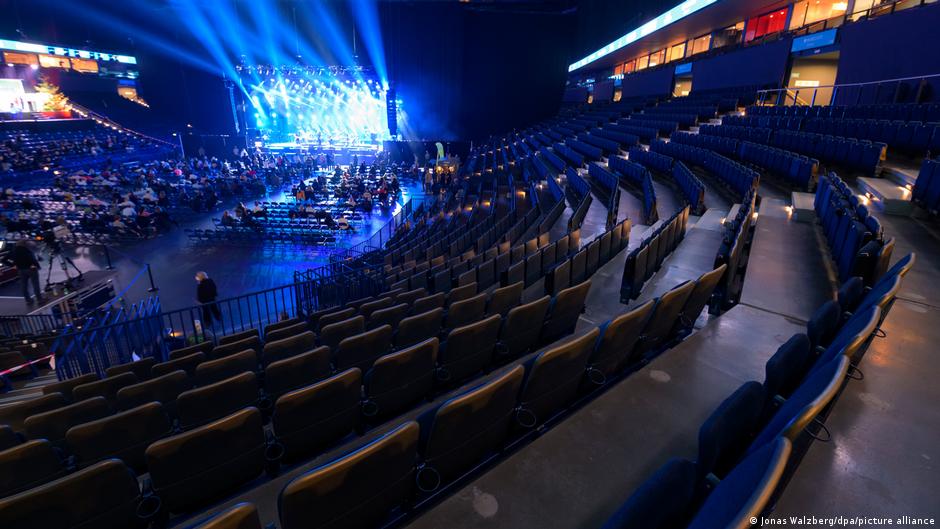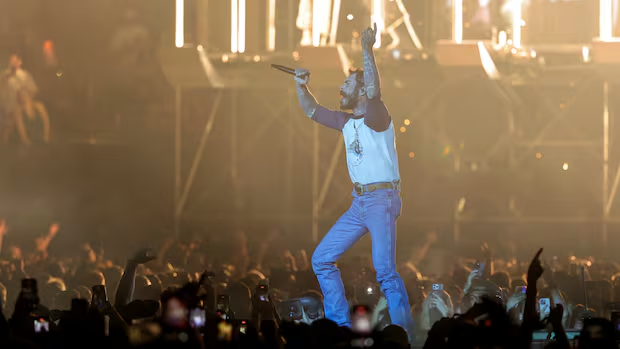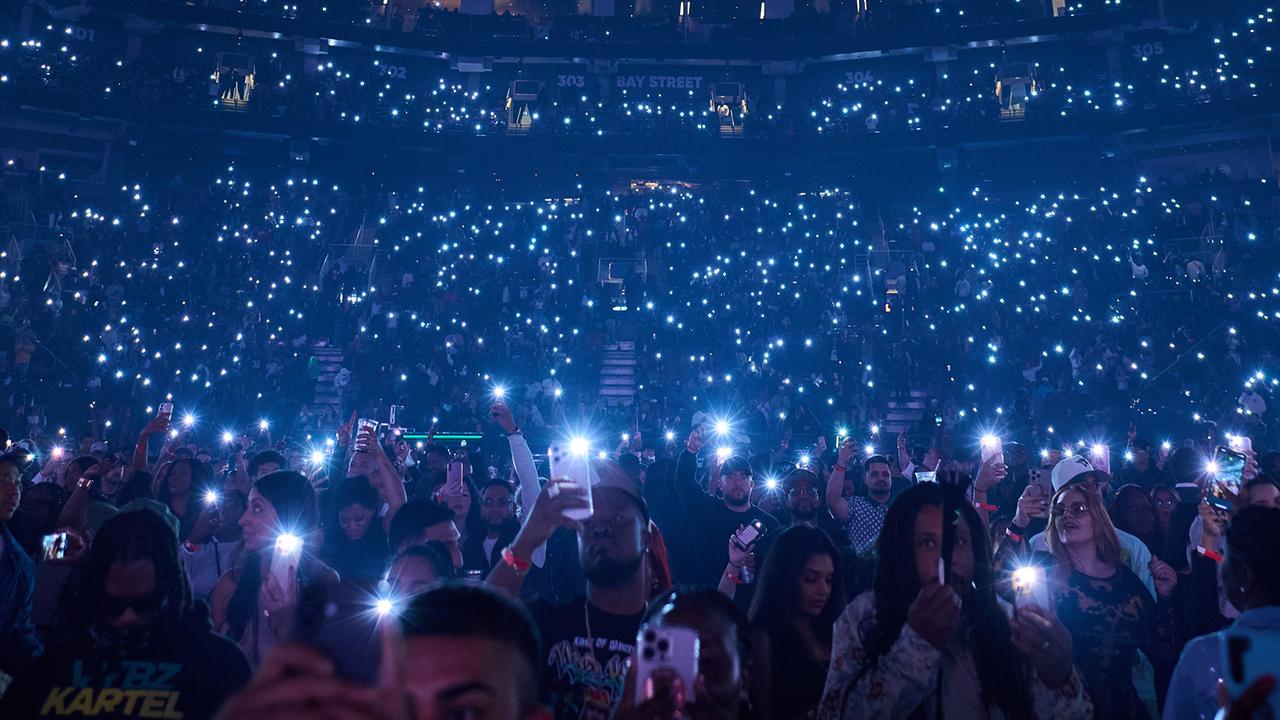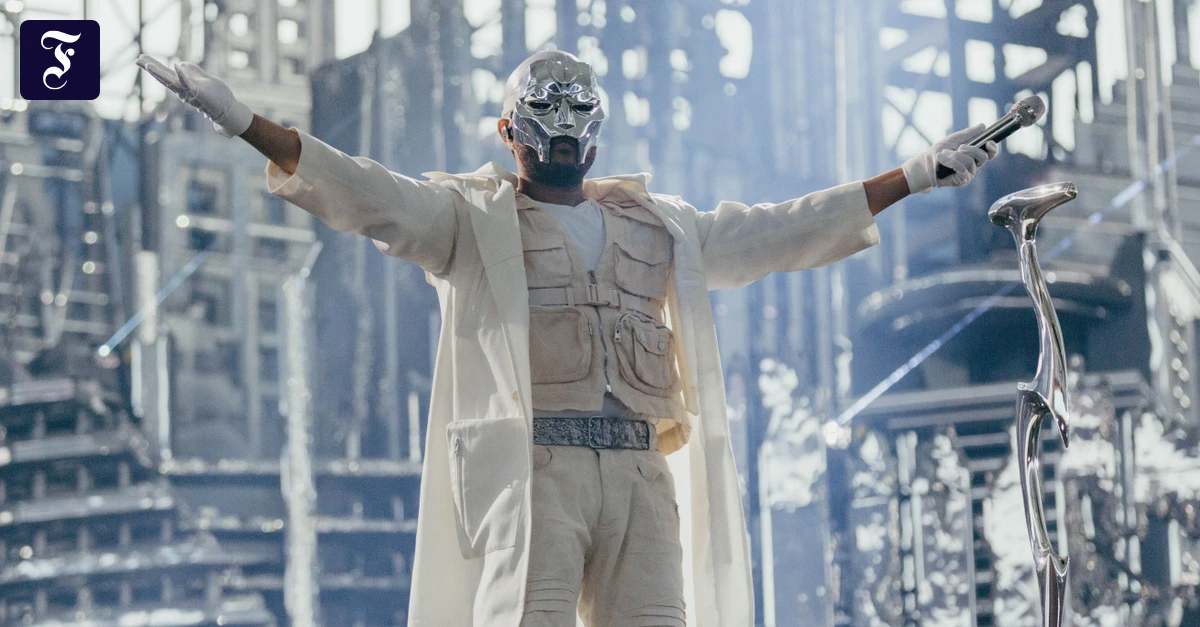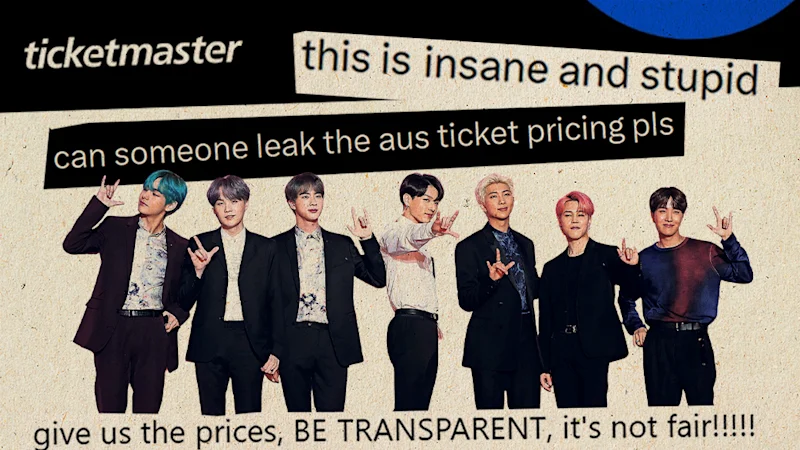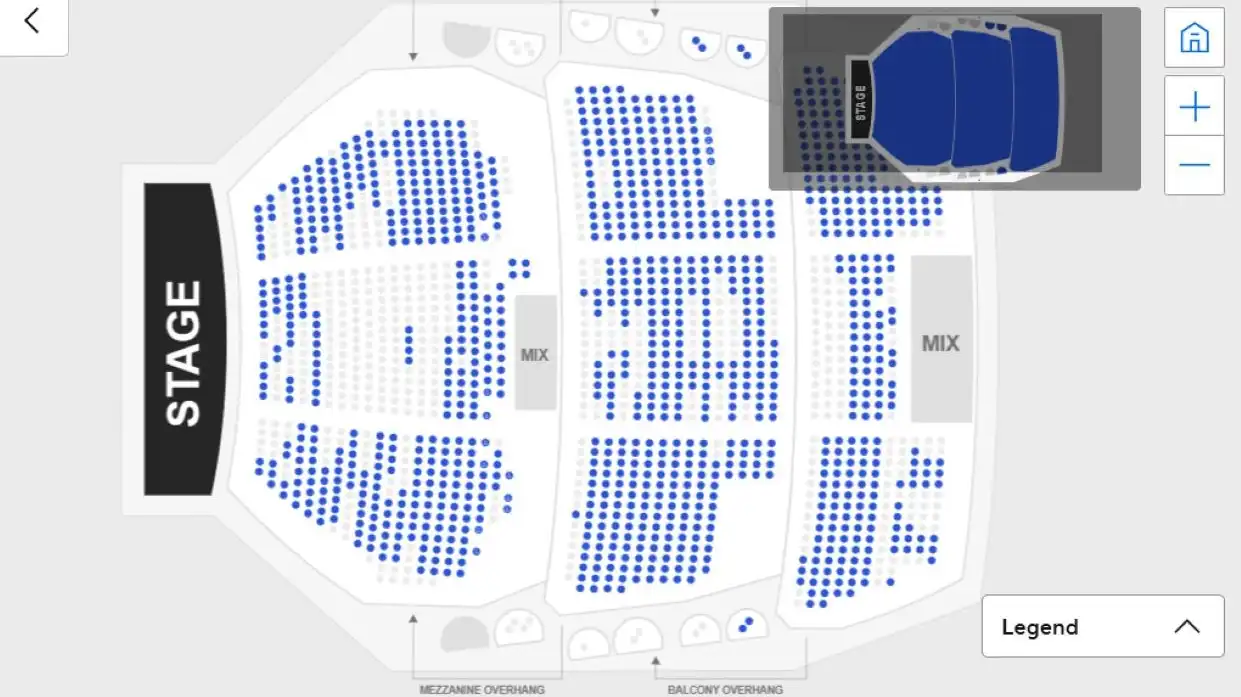
From Post Malone to The Pussycat Dolls, high-profile artists have reduced the number of shows or canceled their summer 2026 touring plans altogether. Some artists are citing personal reasons for suddenly canceling.But on social media, others say the music industry is suffering from “blue dot fever” — a buzzy new term describing the number of unsold seats mapped out on platforms like Ticketmaster. Is “blue dot fever” truly a dilemma for the concert industry, or is it a recurring symptom of an economy that is testing the limits of artists and their fans?For more, “Marketplace Morning Report” host Sabri Ben-Achour spoke with Dave Clark, a senior staff writer at TicketNews. The following is an edited transcript of their conversation. Sabri Ben-Achour: There have been a bunch of high-profile cancellations. Is this level of cancellation normal, or is there something going on?Dave Clark: I think both can be true. There's always going to be cancellations, you know. Different tours for any number of reasons that you can think of will cancel. However, it does feel like at least the sentiment is that there is something more meaningful with what is going on right now, based on just the pressures that consumers are feeling and the prices and things of that nature. Whether or not it's a longer-term issue remains to be seen, but it's definitely the perception is that there's something more significant than just a normal tour cancellation batch.Ben-Achour: Has it also gotten expensive for the artists themselves to go on tour?Clark: Oh, unquestionably. The cost of doing business at the tour level is much, much higher. This summer, it's probably going to be even worse because the fuel costs are going to be really high, and that drives prices up for everything — particularly if it's a large-scale tour that has set pieces that are moving from city to city. The paradigm used to be you would go on tour to support your new music in album sales, and now it's really flipped on its head, where a lot of these artists are earning their living on their touring income, and then the music is basically more of a promotion for the tickets rather than the other way around.Ben-Achour: “Blue dot fever” is this term that refers to unsold tickets. The head of Live Nation said this is not a thing. Is this a thing?Clark: It's impossible to say that it isn't happening. Now, where they might have a more realistic argument is it's not abnormal for tours or individual shows to be underperforming relative to what they might hope. The actual visibility of what unsold seats are even showing up as blue dots is not necessarily a guarantee of a comprehensive manifest of unsold seats. A lot of times, unsold seats are completely hidden from the visible manifest in order to drive the perception that a show has less available inventory than it actually has. So even the fact that there's as many blue dots showing up for certain shows is kind of significant, because that might not even be a comprehensive indicator of how many seats are unsold. They want to effectively drive the perception that there are fewer seats available than there might actually be in reality. More entertainment newsFrom May 15: Why does Ticketmaster charge such high fees?From July 2024: In 1976, concert tickets cost less than $10. Now, they can go for thousands. What happened? From November 2022: What is the best way to support musicians?
Is "blue dot fever" an epidemic?
The term “blue dot fever” refers to unsold seats on websites like Ticketmaster. Those low ticket sales could be to blame for canceled concerts and tours.
582 words~3 min read