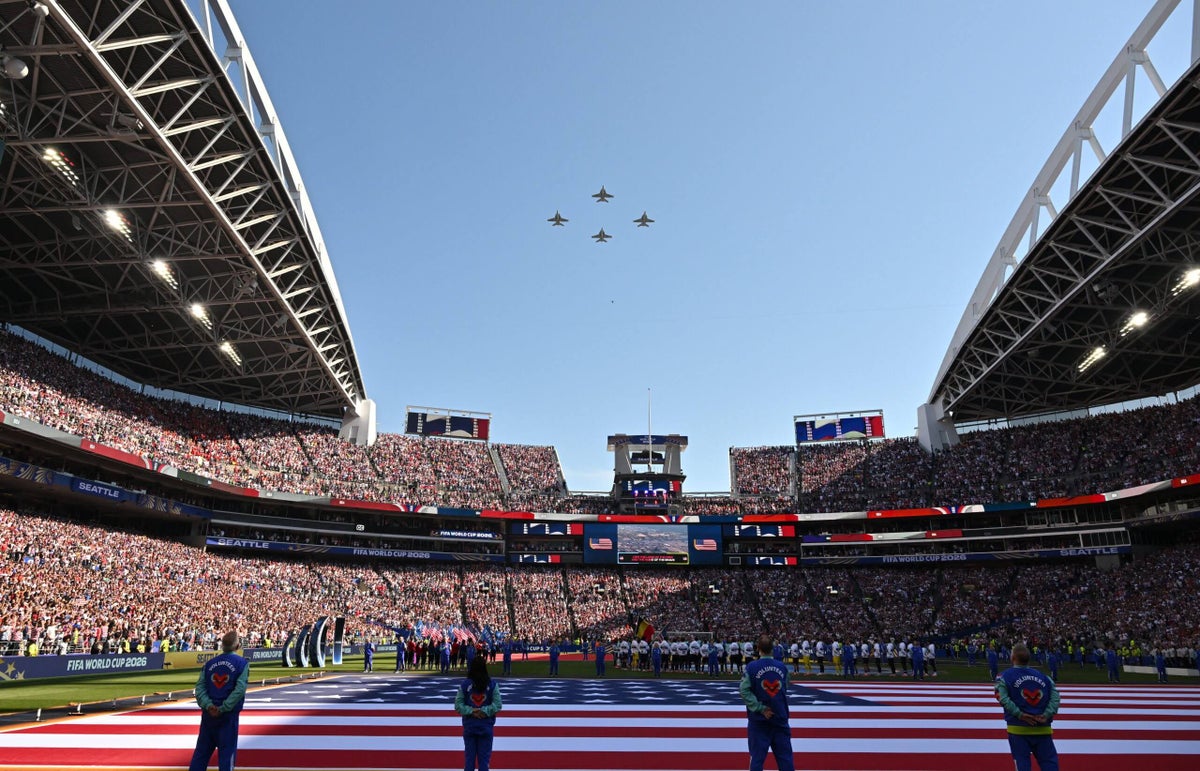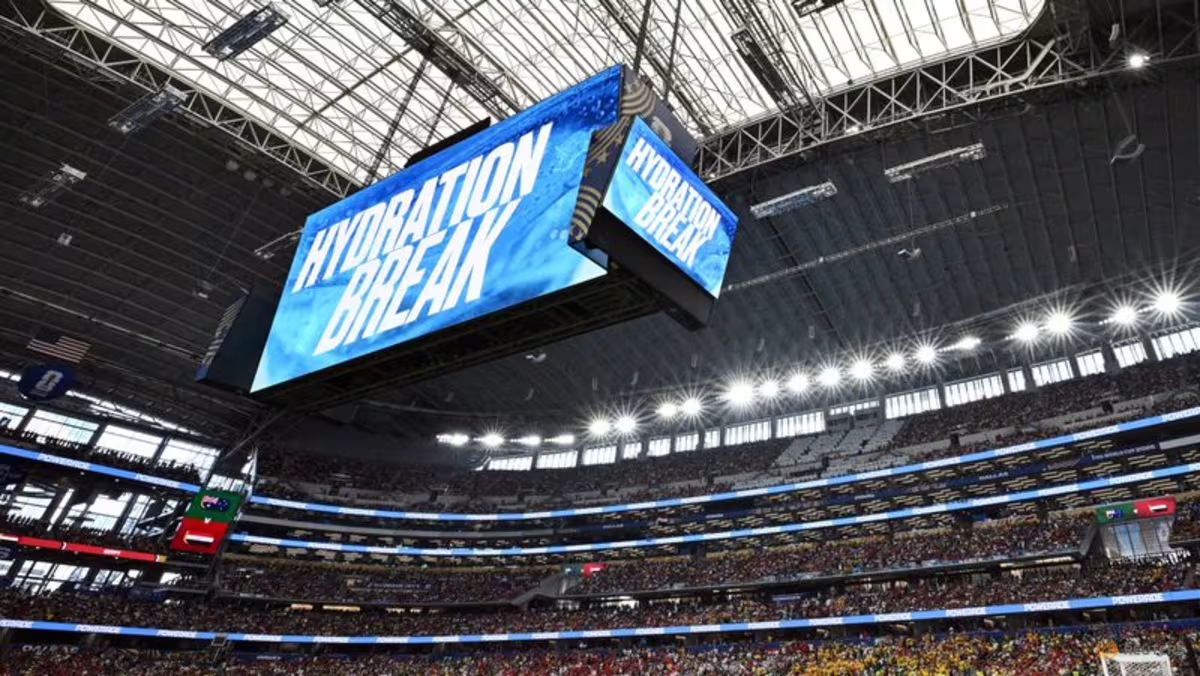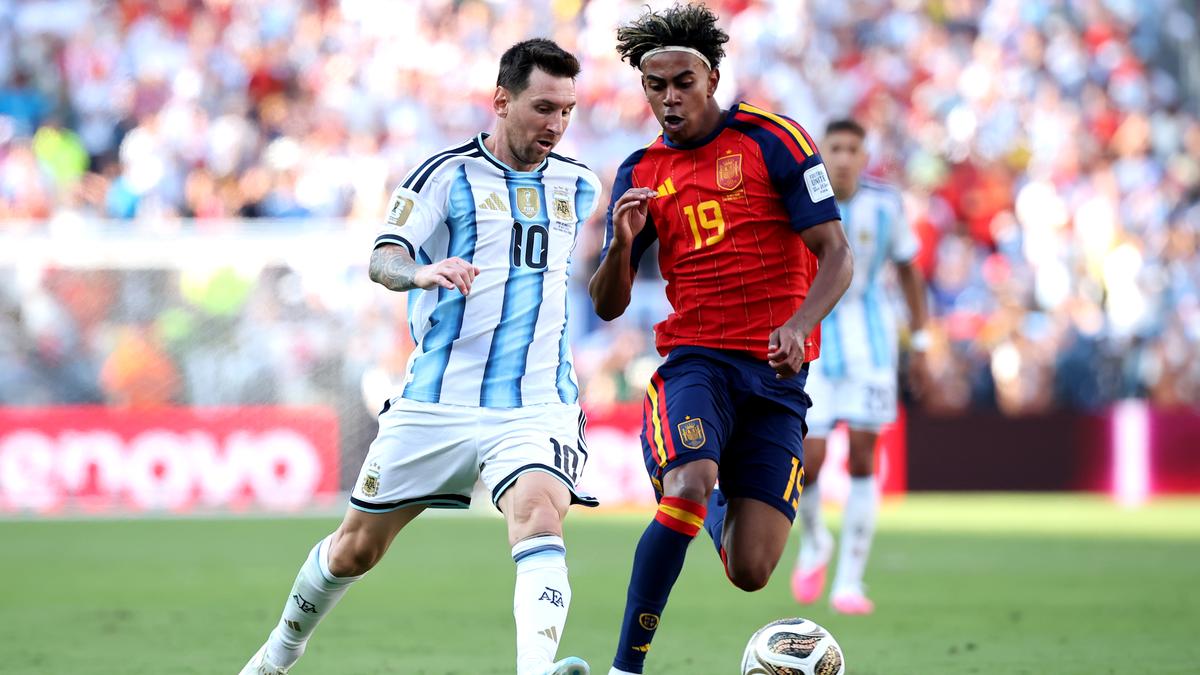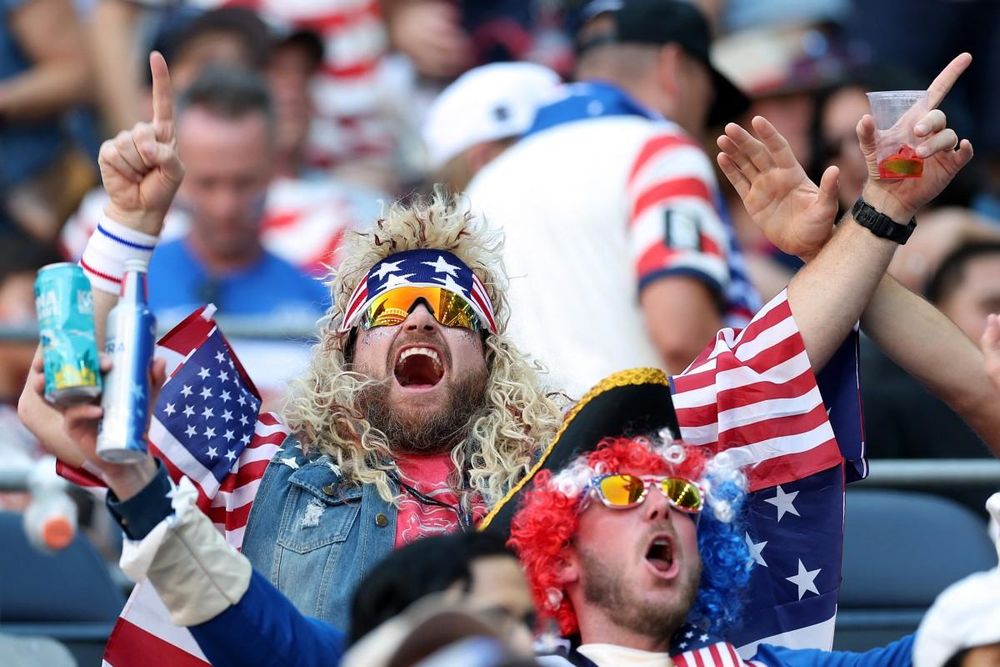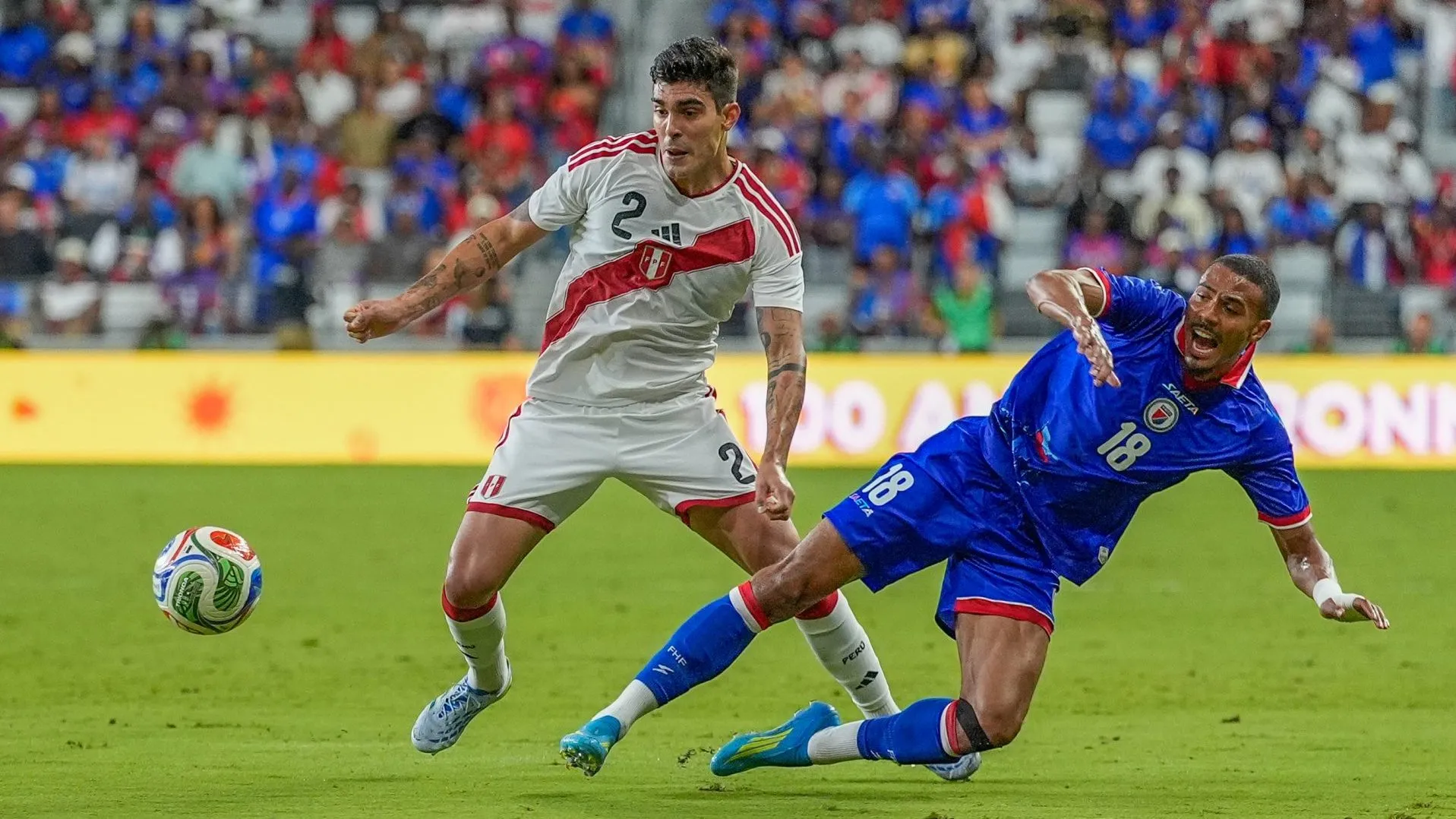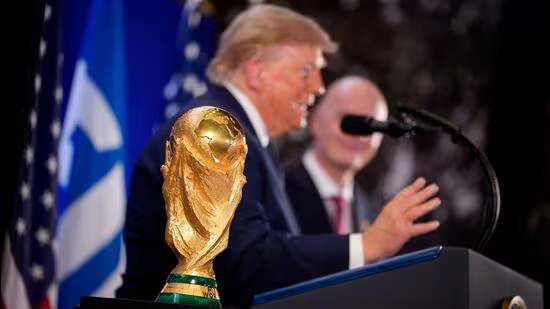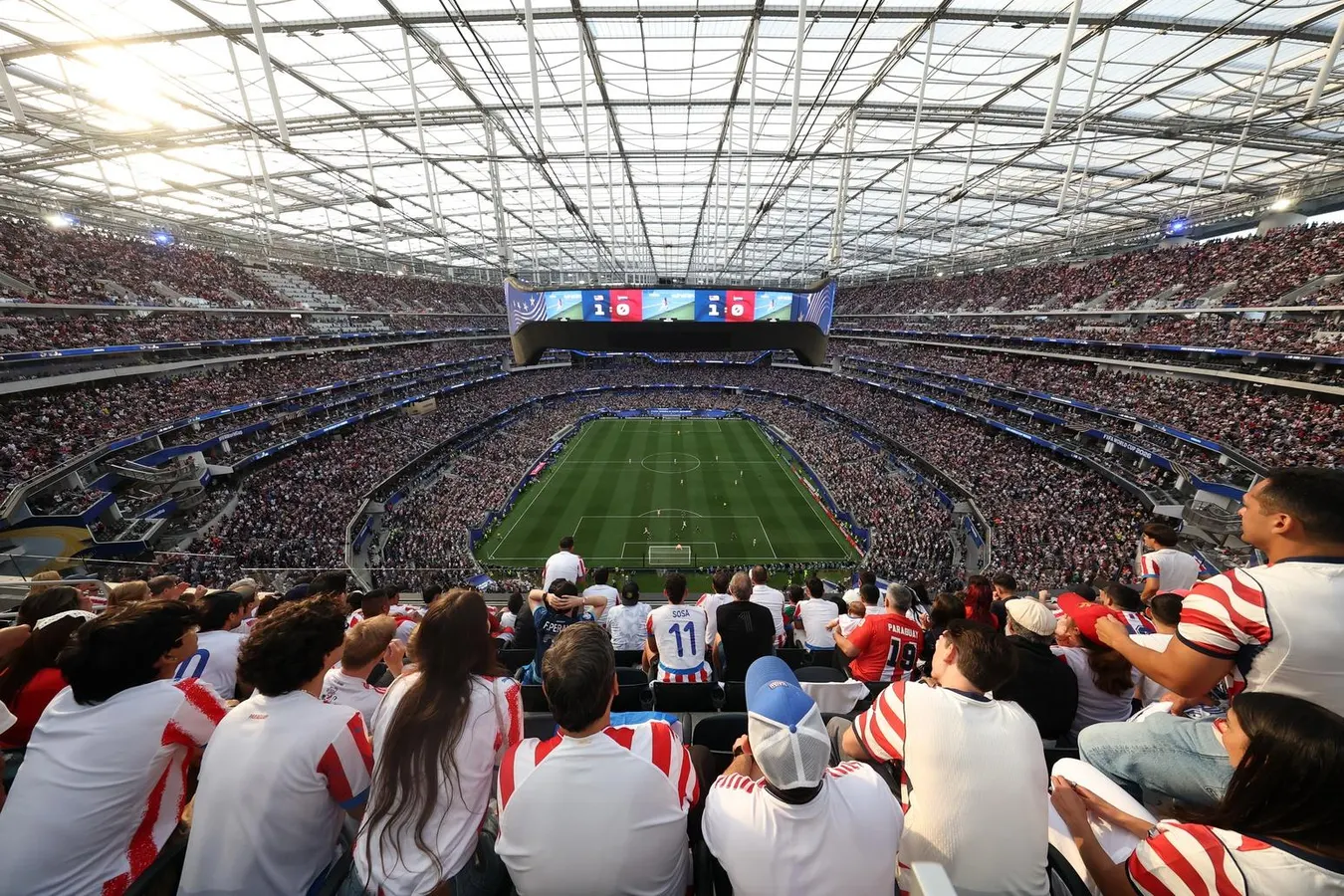
The 2026 World Cup may be remembered more for FIFA's bold embrace of American sports traditions – from hydration breaks and halftime shows to championship rings – than for which team claimed the trophy.
From mandatory "hydration" breaks that effectively split matches into four quarters to championship rings, a halftime show and an ever more tightly packaged entertainment product, FIFA embraced elements of the U.S. sporting model with enthusiasm.
Some of those innovations will probably be remembered as novelties of an American-hosted tournament – while others may prove harder to dislodge. The mid-half breaks, brought in throughout the competition regardless of whether conditions strictly required them, were introduced by FIFA on player-welfare grounds in a tournament played through the heat and humidity of a North American summer.
Once established, they also created something football has traditionally resisted: two scheduled interruptions in the middle of each half. For coaches, they became tactical timeouts.
For broadcasters, they offered natural windows that could one day carry enormous commercial value. But for supporters accustomed to football’s continuous rhythm, they made matches feel increasingly divided into four quarters.