“With the sunset, Shahi Bazar may seem dead and quiet,” wrote Syed Zahoor Shah Hashmi in his 1959 memoir essay in Sichkan magazine, “but soon after, it comes back to life with the lamps lit everywhere, and people crowding to the small tea shops where they would quietly listen to the old mullah [Muslim cleric] who would read the book, “Tilism-e-Hoshruba,” an epic of the magical adventures of the legendary Persian hero Emir Hamza, to his audience, as though the listeners were the mullah’s most devoted disciples.”
Hashmi was one of the greatest Baloch writers and scholars. In the 1950s, when he wrote these words, he lived very close to Shahi Bazar. His accounts of the early and mid-20th-century Gwadar and Shahi Bazar are among the very few written by a local writer. To him, Shahi Bazar was not just a market; it was a place where people gathered. It was a public space important for everyday life.
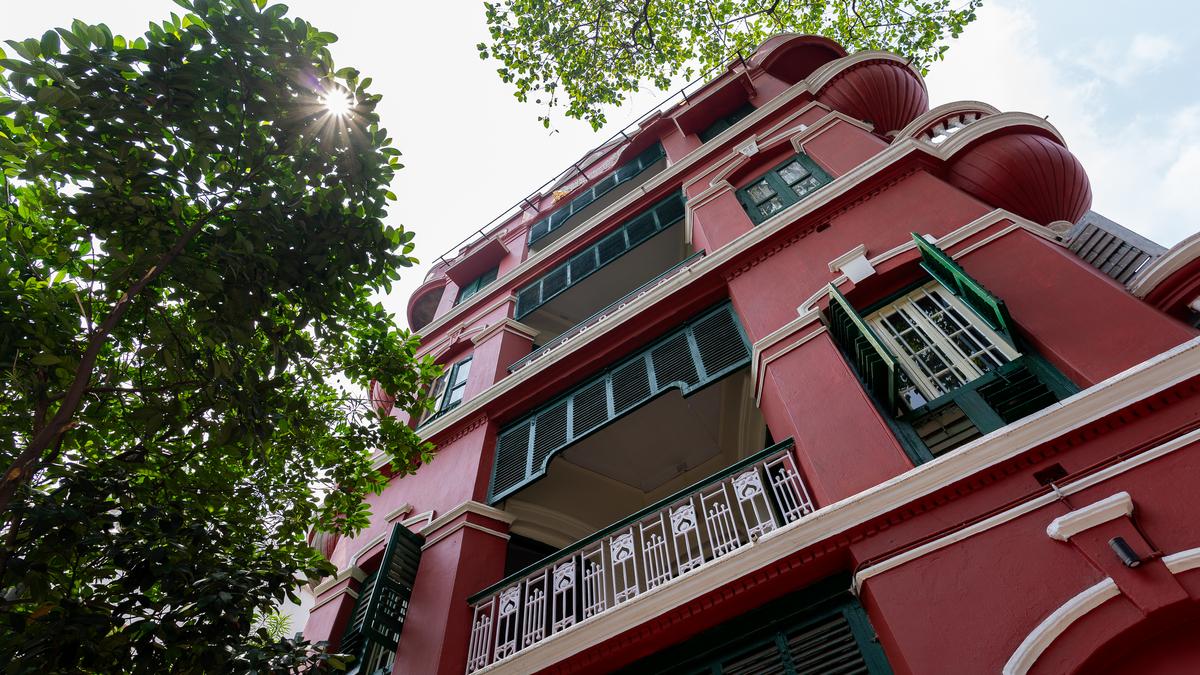
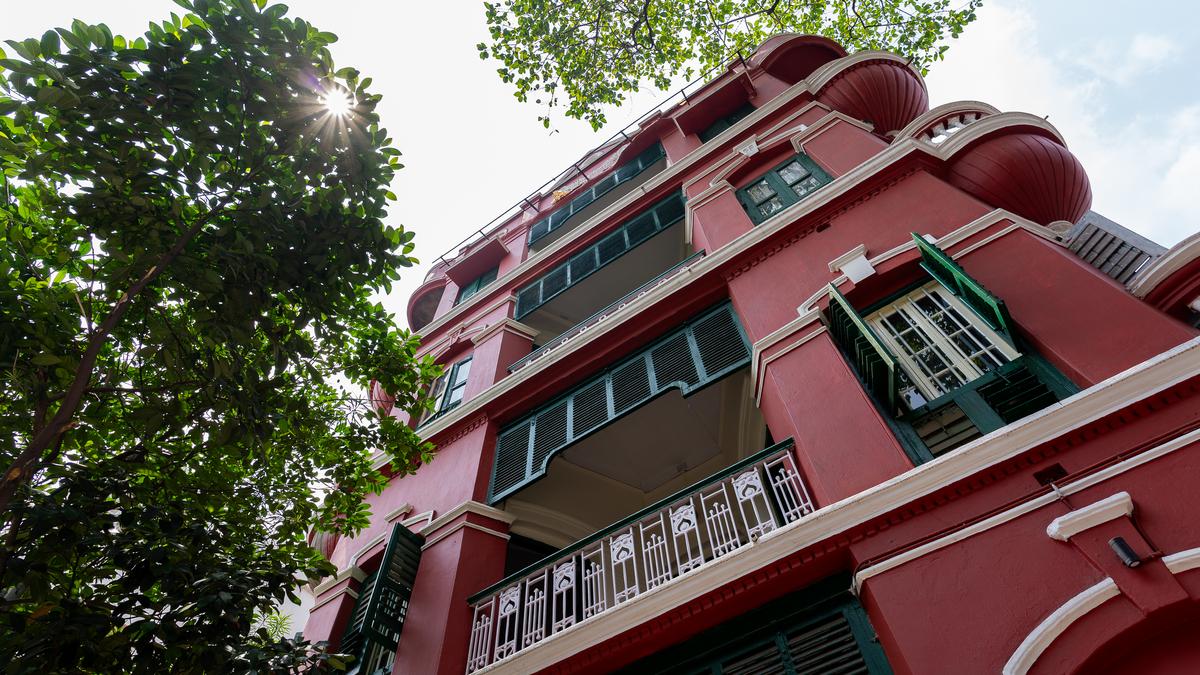
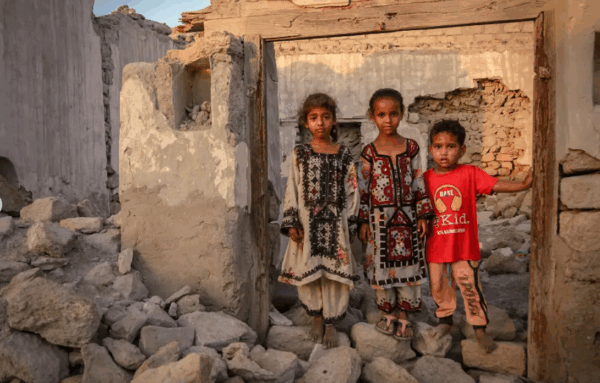
Today, along with most of the bazaar, Hashmi’s home is abandoned and under threat.
Elsewhere in the world, such houses that are rich with history and culture are preserved as literary museums that offer an opportunity to experience the atmosphere where some of the best literary works of the time were written.