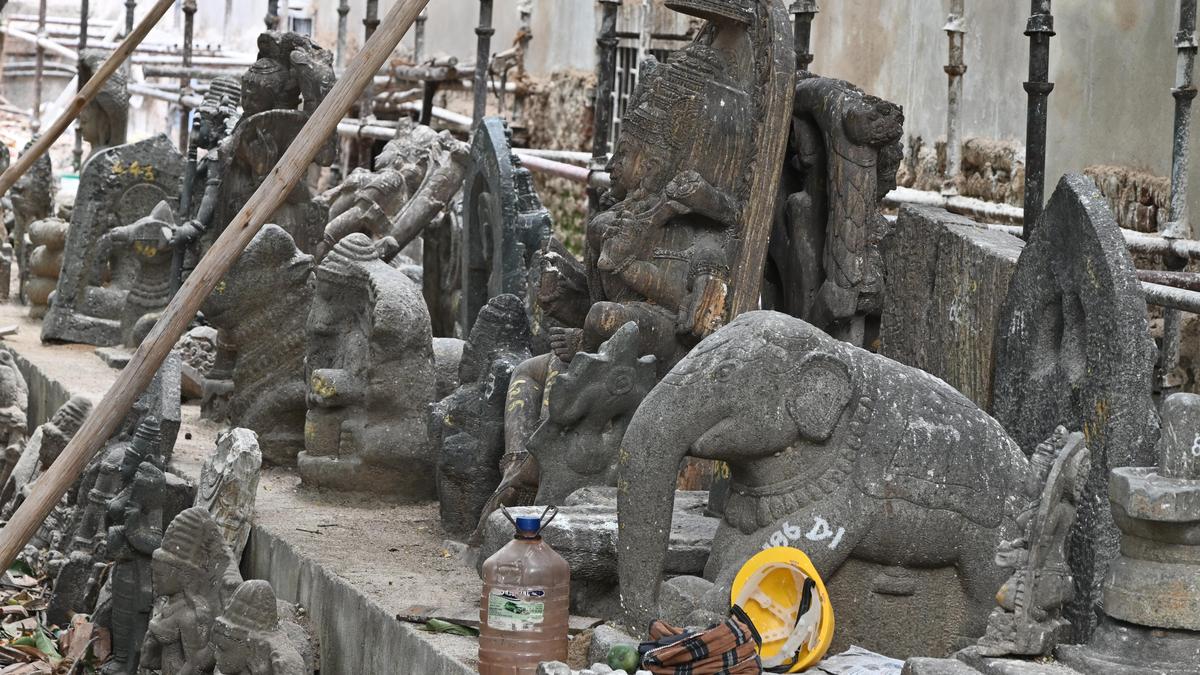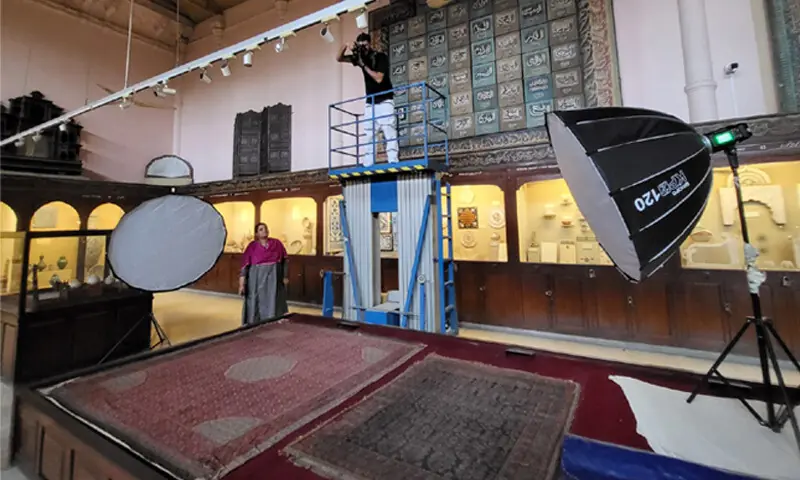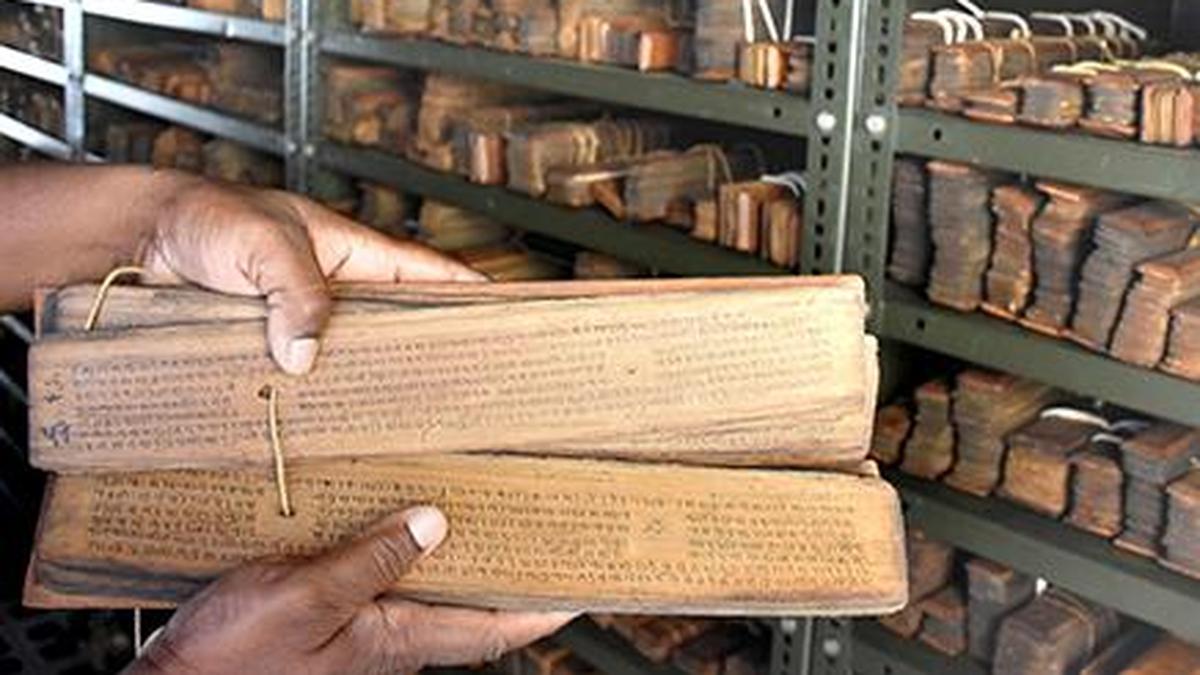
India is a museum of culture, its skyline dotted with soaring gopurams, elegant Islamic domes and majestic Indo-Saracenic buildings. Sadly, many of these monuments face an existential threat from rapid urbanisation, environmental decay and public apathy. When we lose a monument, we don’t just lose a physical structure, but are severed from our cultural moorings. “However, in recent years, technology has come to the aid of conservators, enabling them to make informed decisions,” says architect R. Maniyarasan, who also holds a diploma in photography.“With conventional documentation methods, there is a risk of metric inaccuracies. But this risk is largely eliminated in photogrammetry, which entails taking sequential terrestrial and aerial photographs using drones. Overlapping two-dimensional photographs are then stitched together, using photogrammetry software to generate a three-dimensional model that is measurable,” shares Maniyarasan, explaining the significance of photogrammetry in temple conservation. “It helps us understand the spatial relationship of the temple iconography with the overall temple structure. You also obtain data on colour and texture. Another advantage is that photogrammetry is non-invasive.”
From ruin to revival: How digital technology is reshaping the restoration of heritage structures
Architect R. Maniyarasan and conservation architect Sakthi Murugan share insights on how digital technologies are reshaping restoration — from uncovering hidden murals and documentation to building precise 3D models
963 words~4 min read