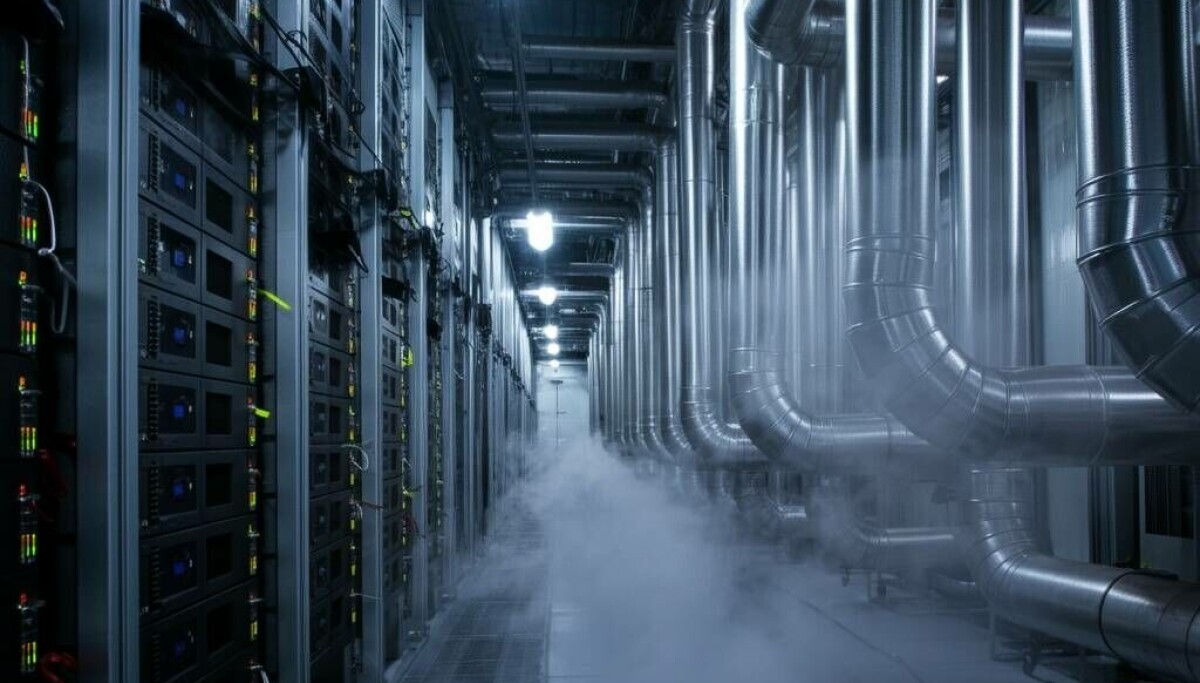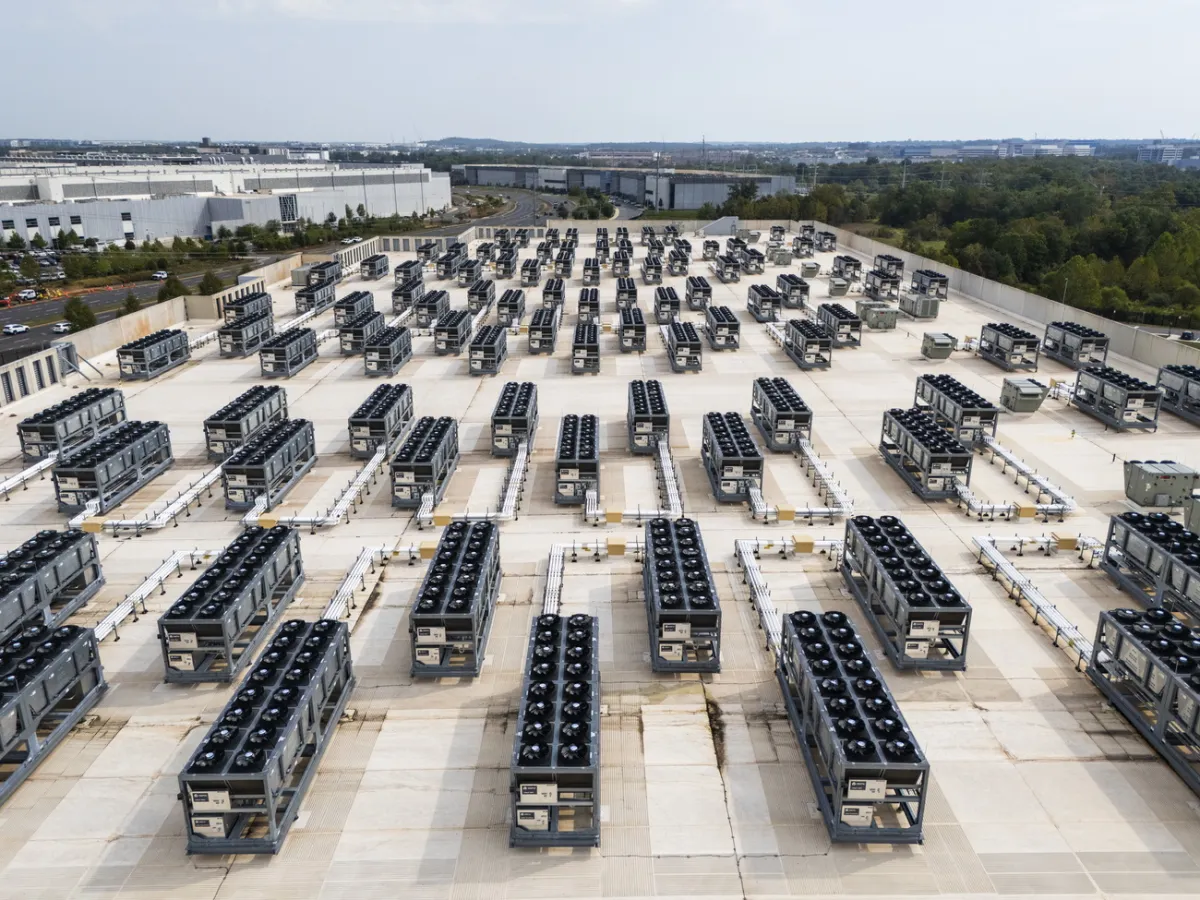
Brought to you by BULLS N’ BEARSMurray WardJuly 20, 2026 — 2:18pmCritical Resources has brought in some serious technical muscle to advance its recently licensed thermal management technology, tapping a liquid-cooling specialist to help commercialise a solution to the massive heat problem plaguing the artificial intelligence (AI) sector.The company has hired Mr Eric Martinez Gurrea as a technical adviser, a thermal engineer with more than 14 years of experience.Critical Resources has hired a liquid-cooling specialist to advance its thermal management technology program, designed for high-density electronics such as those used in AI data centres.The tech’s resume includes designing immersion cooling systems for global pioneer Submer Technologies and advising the New South Wales and Victorian governments on water and energy efficiencies for data centres.The company says it sees the new hire as a key step in developing its exclusively licensed two-phase spray cooling technology, which includes a granted US patent.‘Eric’s experience will help us pressure-test the technology and plan its path to real-world rack-scale validation.’Critical Resources managing director Tim WitherThe AI boom is creating a very real-world problem. The data centres that power it are generating unprecedented amounts of heat and consuming astonishing levels of energy and water to stay cool.Notably, cooling can account for up to 40 per cent of a data centre’s total energy consumption, a figure that is under immense pressure as next-generation AI processors become more powerful.The company says some industry forecasts suggest data centres could consume up to eight per cent of the world’s electricity by 2030, putting a big strain on power grids and water resources globally.Critical’s licensed technology aims to sidestep the issue by removing heat at its source.The system sprays a non-conductive, or “dielectric”, fluid directly onto hot components such as CPU’s and GPU’s. The fluid boils on contact, absorbing a huge amount of heat energy as it turns to vapour in a process known as two-phase cooling.The vapour is then captured, condensed back into a liquid using ambient-temperature fluid and recirculated in a sealed loop.The company says the key to the system is that it is designed to operate without an energy-intensive refrigeration chiller plant and uses no water at the electronics level, directly targeting the two biggest operating constraints facing data centre growth.Peer-reviewed studies show the technology can remove up to 90 watts of heat from a single square centimetre of a chip’s surface, a massive leap from the 1.2 watts managed by traditional forced-air convection.Critical Resources managing director Tim Wither said: “Bringing Eric on board provides the Company with access to genuine, hands-on thermal engineering expertise as we build out our technology program. Our approach remains capital light and evidence-led.”For a company whose primary business is hunting for critical minerals, a foray into high-tech cooling might seem like a sharp turn.However, management sees it as a strategic, capital-light extension of its core work, with thermal management being the common thread between next-gen batteries and high-density computing.Critical’s main event remains its flagship eight million tonne Mavis Lake lithium project, grading 1.07 per cent lithium oxide, in Ontario, Canada, where recent geochemistry work has prioritised new drill targets.The company also holds the Halls Peak base metals project in New South Wales featuring an inferred resource of 840,000 tonnes at 3.7 per cent zinc, 1.5 per cent lead and 0.44 per cent copper.At the same time, it is advancing a growing portfolio of gold, antimony and tungsten across a 1694-square-kilometre ground package in New Zealand.The tech venture sits alongside the company’s work in solid-state battery development, where it is leveraging university-based research and an exclusive licensing model - notably, Critical recently bagged peer-reviewed validation of that battery tech.The company’s approach to its cooling tech is similarly based on proving it up through independent validation and partnerships rather than building out costly manufacturing capacity.With an industry specialist on board to pressure-test the technology, Critical appears to be cleverly building a fascinating side-bet on a multi-billion-dollar problem that is only getting bigger. At the same time, drill rigs and geos remain at the heart of its operations.Is your ASX-listed company doing something interesting? Contact: mattbirney@bullsnbears.com.auFrom our partners
Critical Resources taps cooling guru for AI data centre tech push
Critical Resources has tapped a liquid cooling guru to advance its licensed tech for AI data centres, a capital-light play alongside its core lithium and battery projects.
682 words~3 min read