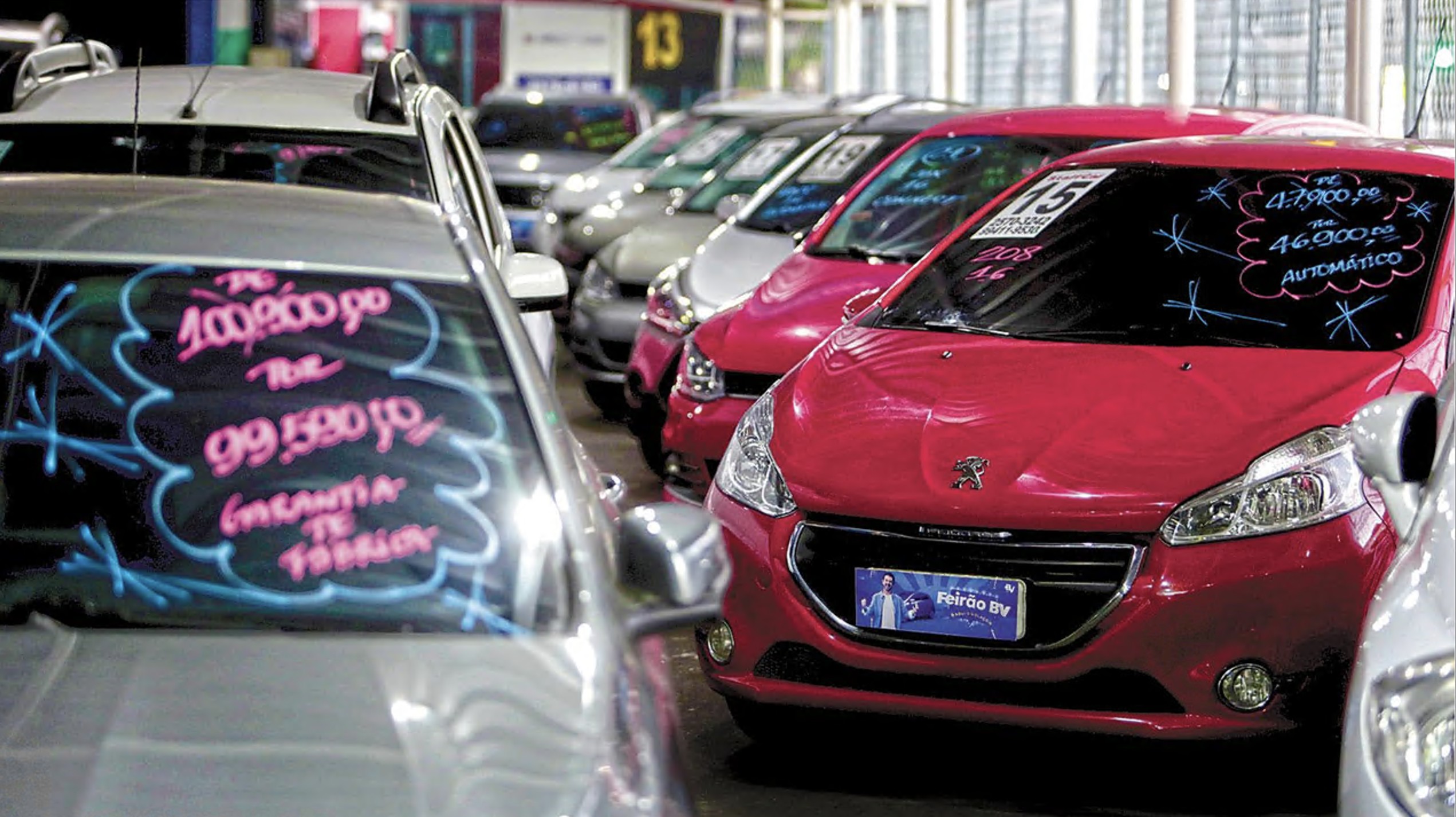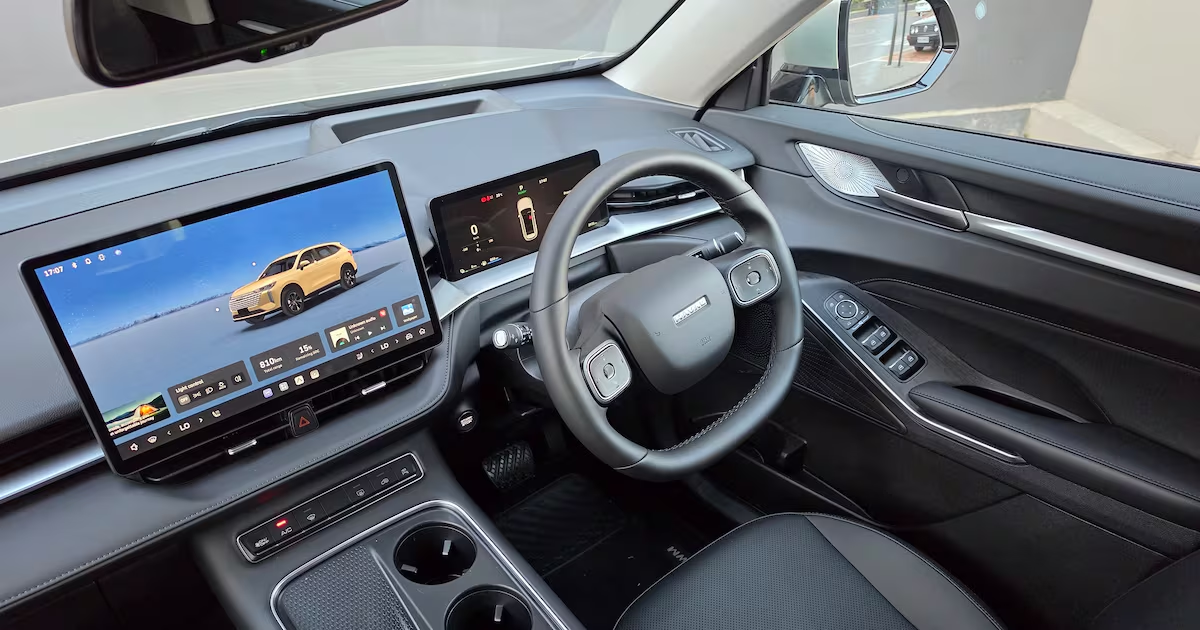
For most of the past decade, the South African vehicle market ran on a logic that felt mechanical. When household finances tightened, consumers traded down, new-car sales softened, used-car registrations picked up, and the price gap between the two drove the substitution trade.The chart below captures this through the correlated movement between the used-vehicle price index and registrations of new vehicles. It was a relationship reliable enough that most analysts, myself included, treated it as given. Since 2024, however, the data suggests that the relationship has been disrupted.Chinese manufacturers have temporarily repriced the new-vehicle market in a way that has upended the traditional substitution dynamic. But the same mechanics that governed this market remain intact, with the data signalling the beginning of a normalisation.Between 2021 and 2023, the used-vehicle market behaved almost exactly as the textbook predicted. Global supply chain disruptions reduced new-vehicle availability sharply, pushing buyers into the used market and inflating used-vehicle inflation to about 16% year on year at its peak against new-vehicle inflation of 8%. The price index gap closed rapidly, and registrations of new vehicles as a percentage of total registrations fell below 22%. Consumers were substituting down, exactly as the model suggested they would.From 2024, the dynamic reversed in a way few anticipated. Chinese entrants Chery, Haval, GWM and others began taking meaningful shares in segments incumbent manufacturers had held without serious competition, growing from nearly 8% market share in 2023 to more than 20% today. These brands entered the market at price points meaningfully below what European and Japanese manufacturers offered, bringing manufacturer-backed vehicles with competitive specifications within reach of a consumer base that had largely been priced out of the new-vehicle market. A stronger rand further reduced landed costs, and new-vehicle inflation started trending below 2% from May 2025.(Dorothy Kgosi) The result, visible in the chart, is new-car registrations as a percentage of total registrations climbing to about 26% on a 12-month rolling basis, the highest level in a decade. In a market in which real per capita income has been under pressure for more than a decade, this compression in the cost of new-vehicle ownership represents a genuine expansion of the addressable market rather than a cyclical bounce in consumer behaviour.A correction, however, is starting to show. Used-vehicle deflation has slowed and started trending positive as of June 2025, while new-vehicle inflation is near zero and has likely bottomed. Though Chinese manufacturer penetration will likely increase, the magnitude of the initial pricing shock is not repeatable. Each incremental Chinese brand competes as much against existing Chinese models as against incumbents, limiting further deflationary impact. A correction, however, is starting to show. Used-vehicle deflation has slowed and started trending positive as of June 2025, while new-vehicle inflation is near zero and has likely bottomed.The replacement cycle adds a second dynamic. With a typical vehicle lifespan of around five years, the earliest Chinese models are filtering into the second-hand market. As that supply builds, it gradually reopens the price gap that originally drove consumers towards new vehicles. New and used Chinese models will ultimately compete on a level footing in the same way Toyotas and Volkswagens have historically. The mechanics do not change. Only the nameplates do.Motus and CMHFor investors, the sequencing of that correction is what determines the trade. In the near term, new-vehicle operators remain well positioned. Both Motus and Combined Motor Holdings (CMH) are directly exposed to new-vehicle sales volumes, but CMH has best captured the opportunity by actively shifting its brand mix towards Chinese brands, a necessary repositioning for any new-vehicle dealer looking to grow ahead of the market. For Motus, new-vehicle sales represent more than 55% of group revenue, meaning market-level volume growth translates directly into earnings growth. Outside of some combination of a weaker rand, further rate increases, or supply disruption, the volume tailwind looks set to continue, which could still filter through to earnings revisions.For used-vehicle operators, pricing is the primary driver of margins. WeBuyCars illustrated this clearly as margins dropped from more than 7% to 5% in 2023 as used-car prices corrected. With used-vehicle inflation starting to turn positive, that dynamic is shifting from headwind to tailwind, which will be a meaningful support to margins at a point in the cycle where many investors have maintained scepticism over the sustainability of the company’s margins.Taken together, used-vehicle inflation is turning positive, new-vehicle pricing is near zero, and Chinese supply is beginning to filter into the second-hand market. Each is an independent signal pointing towards a gradual normalisation of the relationship between new and used vehicles that has defined this market for the past decade. The disruption is real, and the near-term trade still favours new-vehicle operators. However, the data is increasingly clear the conditions driving that trade are maturing. The remaining question is how quickly the market prices that in.• Morudu is an equity research analyst at Northstar Asset Management
MARANG MORUDU | Has China broken the new vs used vehicle playbook?
Competitive pricing from Chery, Haval and GWM led to jump in new-car registrations, but a correction is under way
814 words~4 min read