Story audio is generated using AI
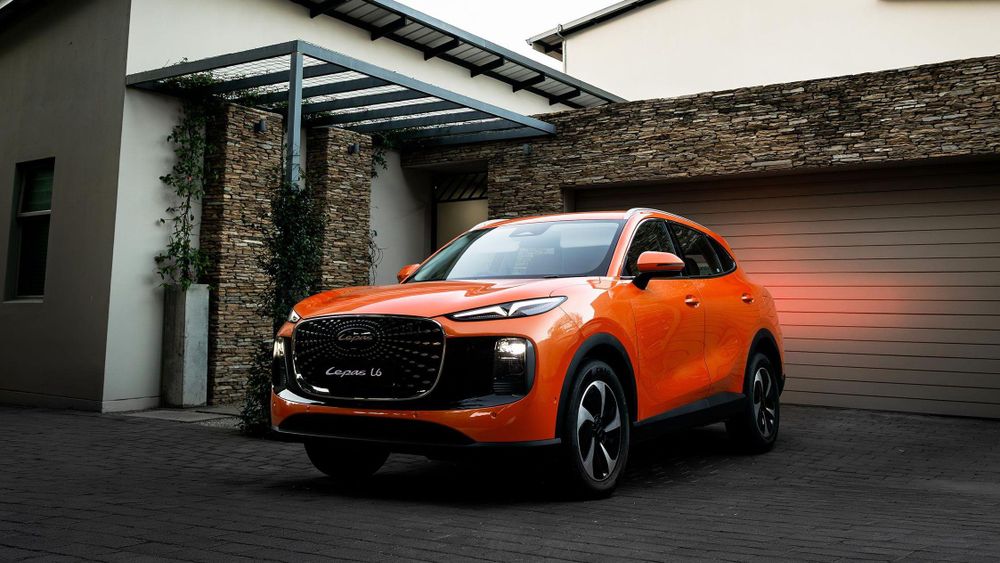
Chinese car brands are no longer just challenging the established names in South Africa but are winning over a new generation of buyers.A Youth Barometer report by Standard Bank and Youth Dynamix shows that young buyers increasingly turn away from traditional brands in favour of more affordable models. According to the report, Chinese brands, led by Chery and Haval, have become the fastest-growing part of the market, expanding by more than 423% in 2021-25. The report says competitive pricing and high specification levels have transformed the entry-level and mid-market segments, making Chinese vehicles an increasingly attractive choice for younger motorists.This comes as young consumers continue buying cars despite high unemployment, rising interest rates and persistent affordability pressures. Rather than giving up on vehicle ownership, many are changing what they buy.“In South Africa, owning a car once employed is often less about luxury and more about necessity,” the report says. “More affordable options among Chinese brands are also gaining traction as an entry point to car ownership.”The report paints a picture of a generation determined to stay mobile even as economic conditions become more difficult. It says many young people see owning a vehicle as essential for getting to work consistently, building trust with employers and participating in the economy. Demand for vehicle finance among the under-35s has been resilient, even during economic hardships.Between 2021 and April 2026, Standard Bank said it financed R89.2bn worth of vehicle purchases by retail customers. Buyers under the age of 35 accounted for 34.9% of those purchases. Most of the purchases were made by customers earning R20,000-R50,000 a month.While Toyota and Volkswagen remain the dominant brands by sales volume, the report says buying habits are changing. Ford, Suzuki and Hyundai complete the top five, but Chinese manufacturers are growing far faster than established rivals as buyers place greater emphasis on affordability than brand prestige.Second-hand vehicles The report also shows young buyers are making practical choices elsewhere. Most under-35 consumers financed second-hand vehicles instead of new ones, reinforcing the trend towards value-for-money purchases rather than aspirational spending.The findings extend beyond vehicle buying to reveal how younger consumers are approaching credit.The report says their use of credit is becoming more structured as they move through different stages of adulthood. Most first enter the credit market through revolving credit products such as overdrafts and credit cards before gradually expanding into personal loans as their incomes and financial stability improve. By the age of 30-35, many are managing multiple credit products and using them to consolidate debt and improve financial management rather than simply borrowing more.It says under-35 consumers account for almost one-third of all new revolving credit activity, while increasing credit limits are often linked to successful repayment behaviour rather than financial distress. Consumers increasingly use higher limits to manage cash flow fluctuations and reduce the need for additional borrowing.The report also finds that younger consumers are generally constrained more by lending policies than by repayment risk. Lower credit limits and stricter affordability assessments mean many have to build a financial track record before gaining access to larger facilities, even though their instalment-to-income ratios are similar to, or slightly lower than, those of older customers.Repayment behaviour improves as young consumers gain experience. The report found that missed and late payments are highest among those aged 18-24 but decline after successful repayment cycles and broader use of different credit products. By their early thirties, many consumers are actively managing multiple facilities and building stronger credit profiles.Taken together, the findings show that South Africa’s younger consumers are not abandoning car ownership because of economic pressure. Instead, they are adapting. They are buying second-hand vehicles, embracing rapidly growing Chinese brands and using credit more strategically to gain access to mobility while carefully managing their finances.Reuters