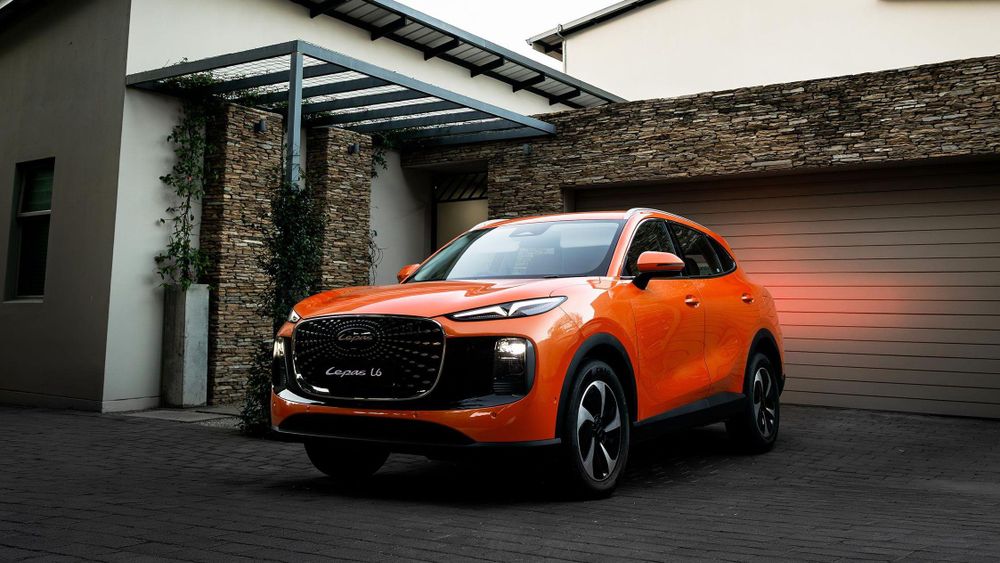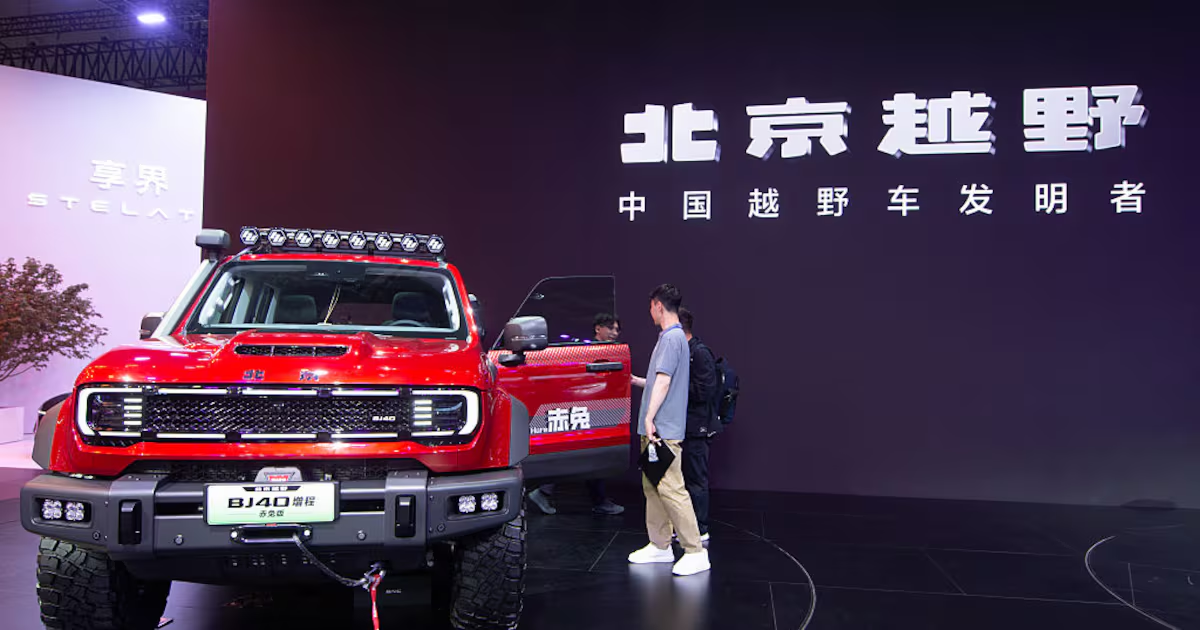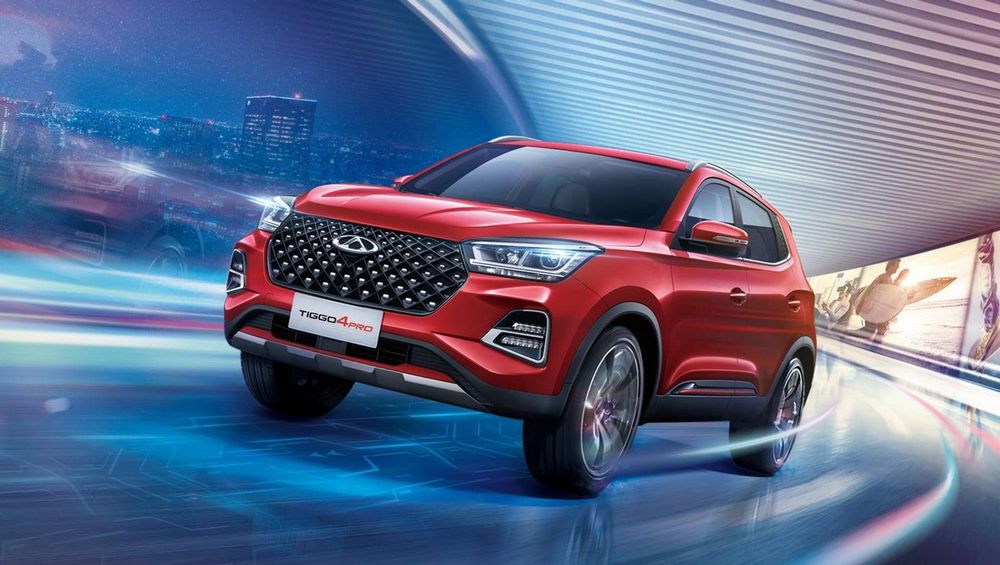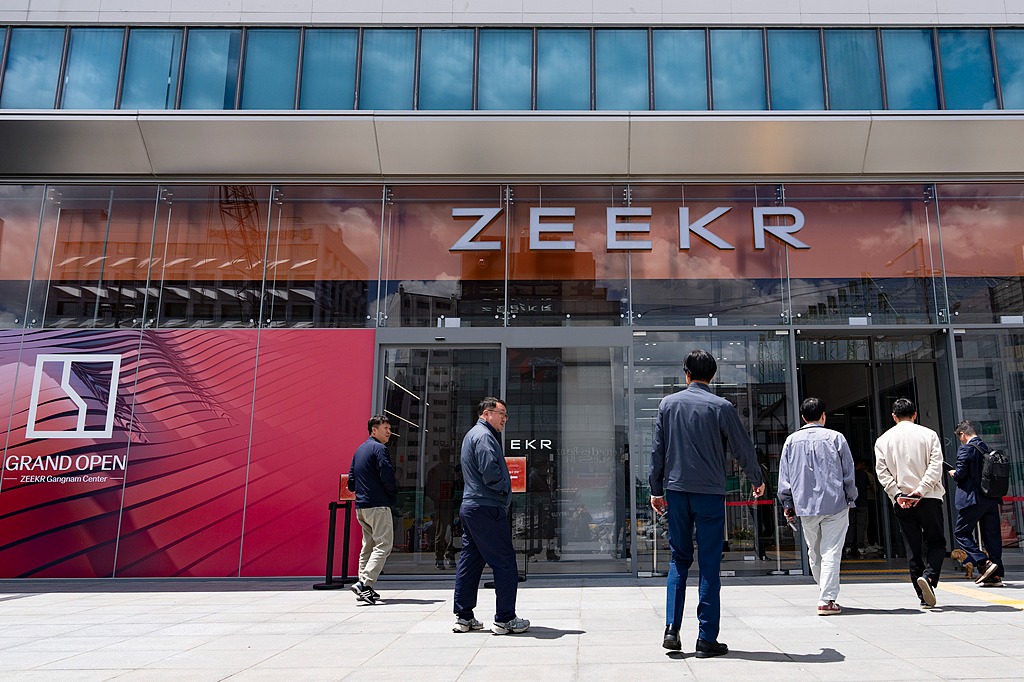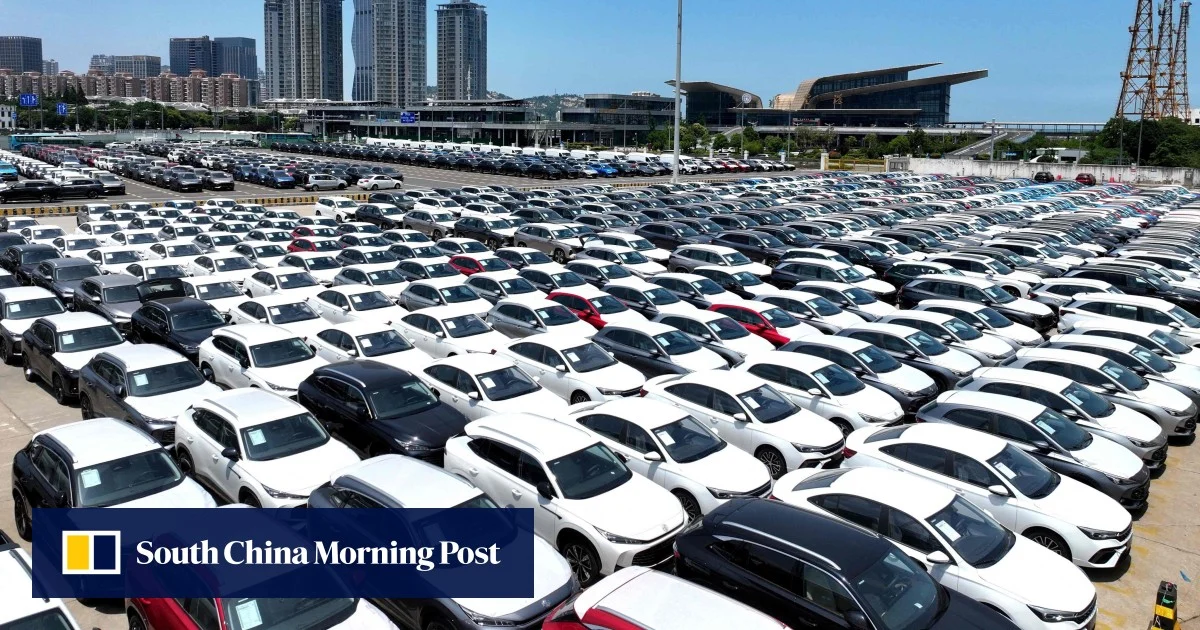
Nearly one in five new passenger and light commercial vehicles sold in South Africa now comes from a Chinese manufacturer, highlighting the remarkable speed at which Chinese brands are gaining ground on established rivals.Chinese vehicle sales jumped 75% year on year in the first quarter of 2026, according to TransUnion, helping lift their market share beyond 19%.TransUnion’s Q1 2026 Mobility Insights Report shows Chinese manufacturers are outperforming both traditional vehicle makers, whose sales grew by just 2%, and the broader passenger and light commercial vehicle market, which expanded by 12.7% during the quarter.The surge is no longer being driven solely by aggressive pricing. Consumers are increasingly being drawn to technology, safety features, fuel efficiency, warranty packages and overall ownership value.Among the biggest beneficiaries is Chery Group, whose combined portfolio of Chery, Jetour, Omoda and Jaecoo brands sold 16,094 vehicles in the first quarter, placing the group among South Africa’s top three automotive players.“The market is moving into a more selective phase,” said Ayesha Hatea, director of research and consulting at TransUnion South Africa.Hybrids are emerging as a practical transition pathway for South African consumers. They offer fuel savings and lower running costs without full dependence on charging infrastructure, which makes them relevant in a market where affordability and operating certainty remain critical— Ayesha Hatea, TransUnion SA director of research and consulting“Consumers are still buying vehicles, but affordability is no longer only about the purchase price. Fuel costs, financing costs, insurance, servicing and total cost of ownership are becoming central to the decision.”Hatea said Chinese manufacturers had evolved beyond being price disruptors and were becoming structural industry players that are influencing dealer networks, financing ecosystems, ownership perceptions and the wider discussion around localisation and industrial competitiveness.The report also points to continued strength in the new vehicle market. New vehicle registrations increased 11.6% year on year in the first quarter, marking a sixth consecutive quarter of double-digit growth, while used vehicle registrations rose by a more modest 2.6%.As a result, the ratio of used-to-new registrations fell to 2.3, the lowest level recorded during the reporting period. New vehicles accounted for 31% of registrations, up from 23% in the final quarter of 2025.Favourable pricing trends have helped support demand. New vehicle inflation slowed to just 0.8%, while used vehicle prices remained in deflationary territory at -1.3%.Consumer confidence also appears to be improving. TransUnion’s Consumer Pulse Survey found that the proportion of consumers planning to buy a vehicle within the next few months rose from 19% in the fourth quarter of 2025 to 22% in the first quarter of 2026. Purchase intentions were strongest among younger buyers, with 26% of Generation Z and 24% of Millennials indicating plans to enter the market.The report notes that residual values are becoming increasingly important as consumers opt for longer finance terms and balloon-payment structures to keep monthly instalments affordable. Vehicles that retain their value well are gaining a competitive advantage, while weaker resale performance could expose owners to refinancing pressure or negative equity when trading in.Powertrain preferences are also evolving. Conventional internal combustion engine vehicles remain the most popular choice, preferred by 49% of consumers, but hybrid vehicles are gaining traction. Interest in hybrids rose to 39% from 30% in the previous quarter, making them the leading electrified option. Interest in both battery-electric and plug-in hybrid vehicles also increased to 26%.“Hybrids are emerging as a practical transition pathway for South African consumers,” said Hatea.“They offer fuel savings and lower running costs without full dependence on charging infrastructure, which makes them relevant in a market where affordability and operating certainty remain critical.”Business Day
Nearly one in five new vehicles sold in SA is now Chinese
TransUnion says consumers are prioritising total cost of ownership over price alone
595 words~3 min read