Kaduna’s fiscal discipline in addition to strategic investment are paying off, argues
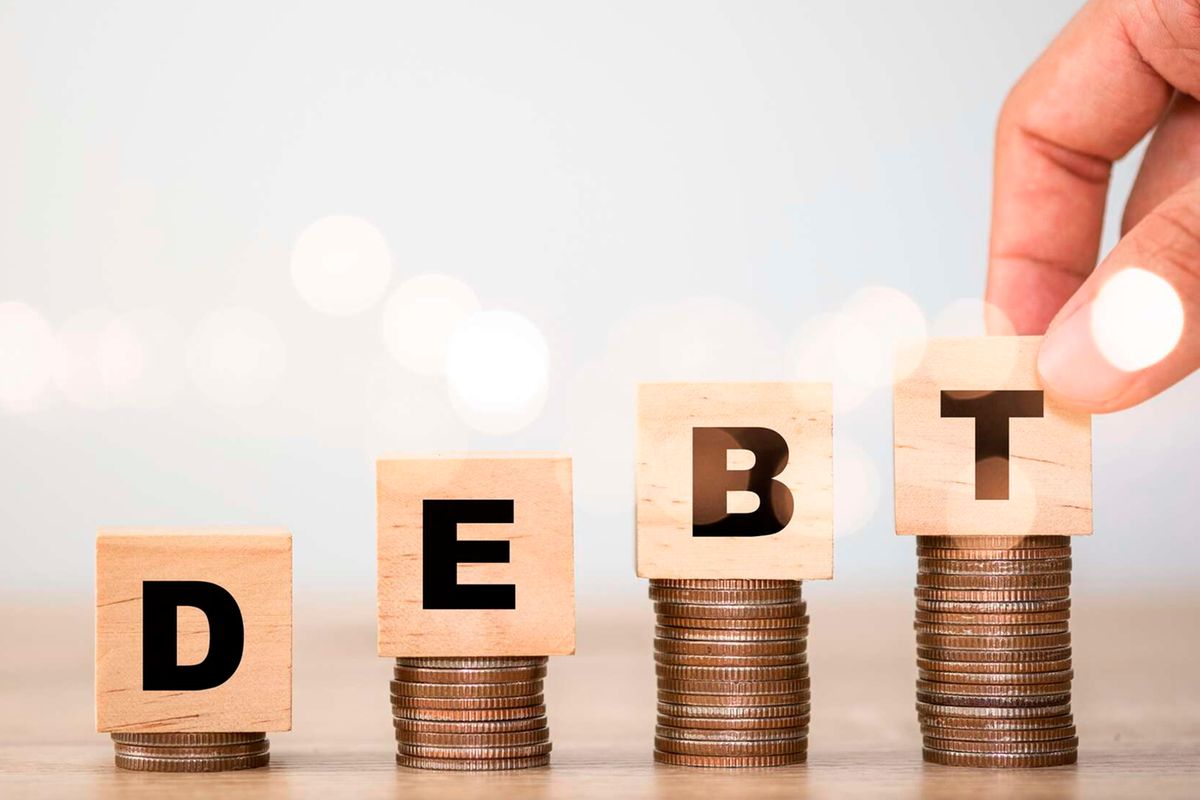
In public finance, there comes a moment when governments must choose between political convenience and economic responsibility. One path offers the illusion of prosperity through endless borrowing; the other demands painful discipline, difficult decisions and delayed gratification. Few political leaders willingly choose the latter because fiscal restraint rarely attracts applause. Yet it is precisely at such moments that leadership is tested.
Across Nigeria, many state governments are struggling under the weight of mounting debt. Rising inflation, exchange rate depreciation, declining purchasing power, volatile oil revenues and growing infrastructure needs have combined to create one of the most difficult fiscal environments since the return to democratic rule in 1999. Borrowing has become the default response to virtually every developmental challenge. While debt itself is not inherently harmful, excessive dependence on loans has steadily reduced the fiscal independence of many states.
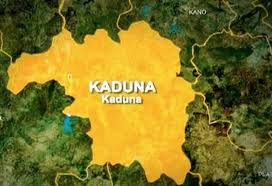
Kaduna offers a compelling case study of what happens when a government decides to confront that reality rather than postpone it.