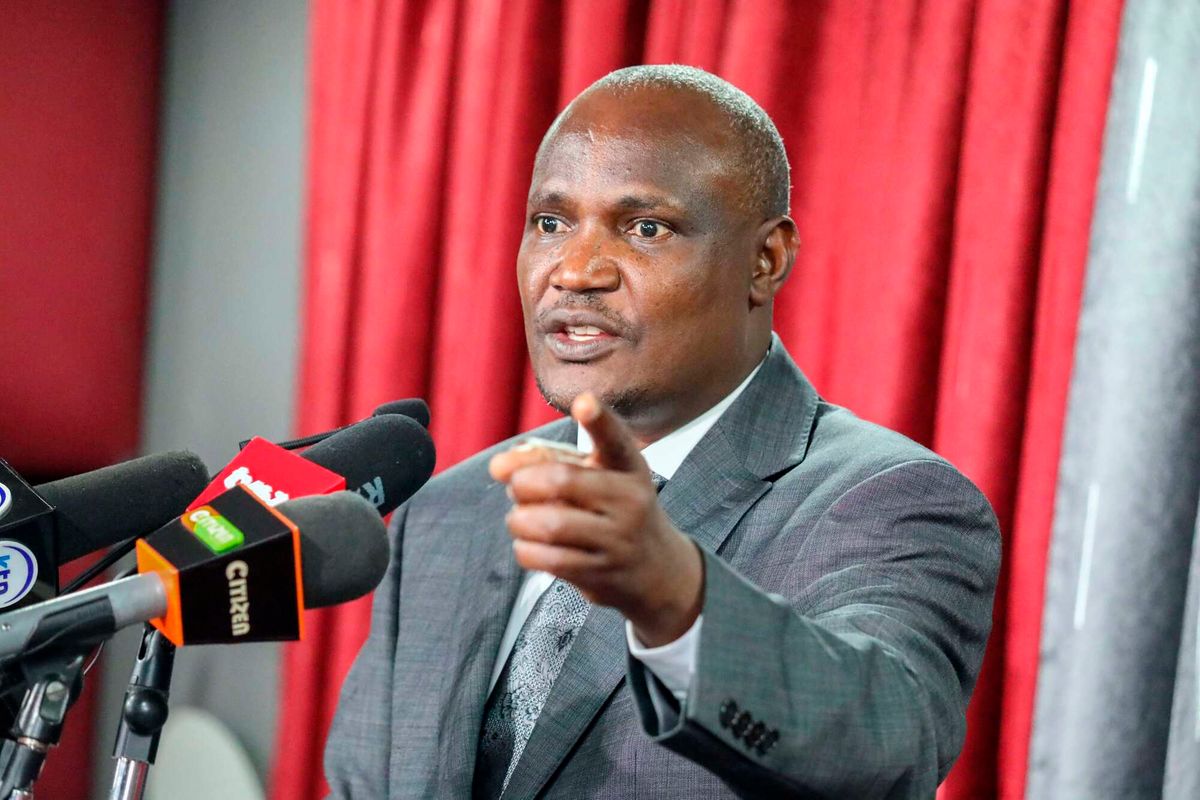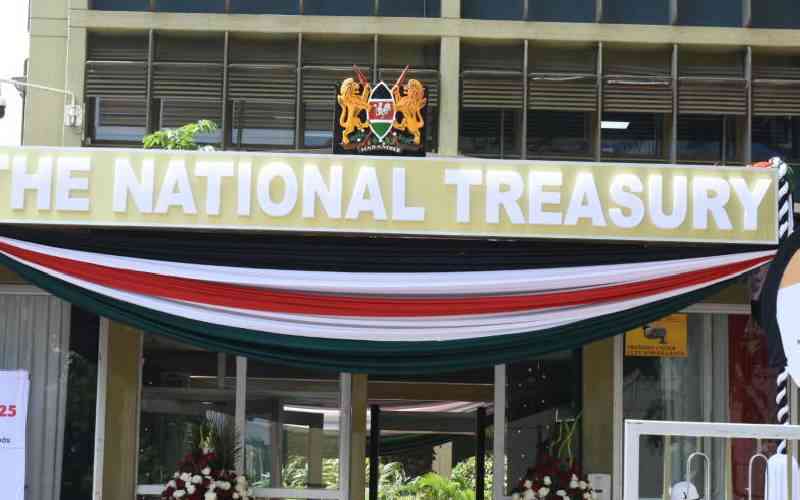
Future government borrowing must be tied to productivity and approved only after a clear socio-economic impact assessment. [File, Standard]
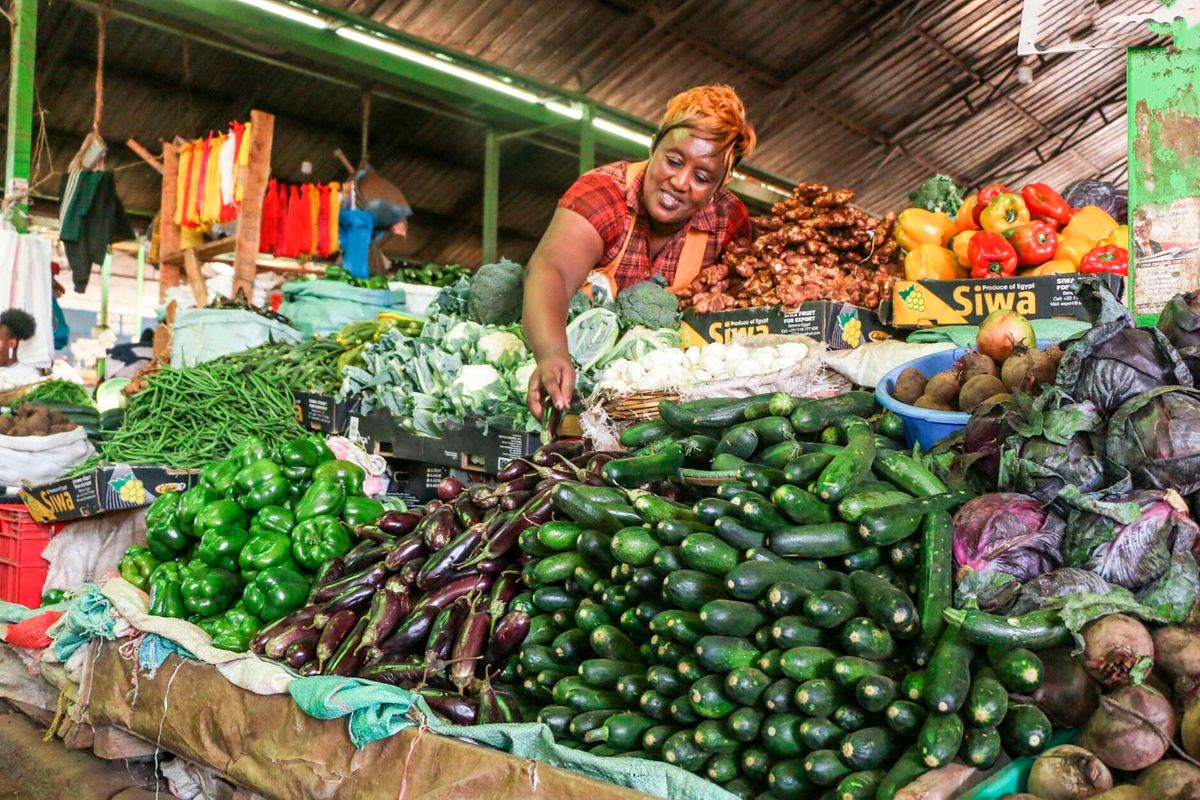
For more than a decade, ordinary Kenyans have woken up to a relentless cycle of economic tightening. They have paid higher taxes at the pump, watched their payslips shrink under new levies, and adjusted household budgets to survive the rising cost of food. The official justification from the state has remained unchanged. Kenya must pay its debts.
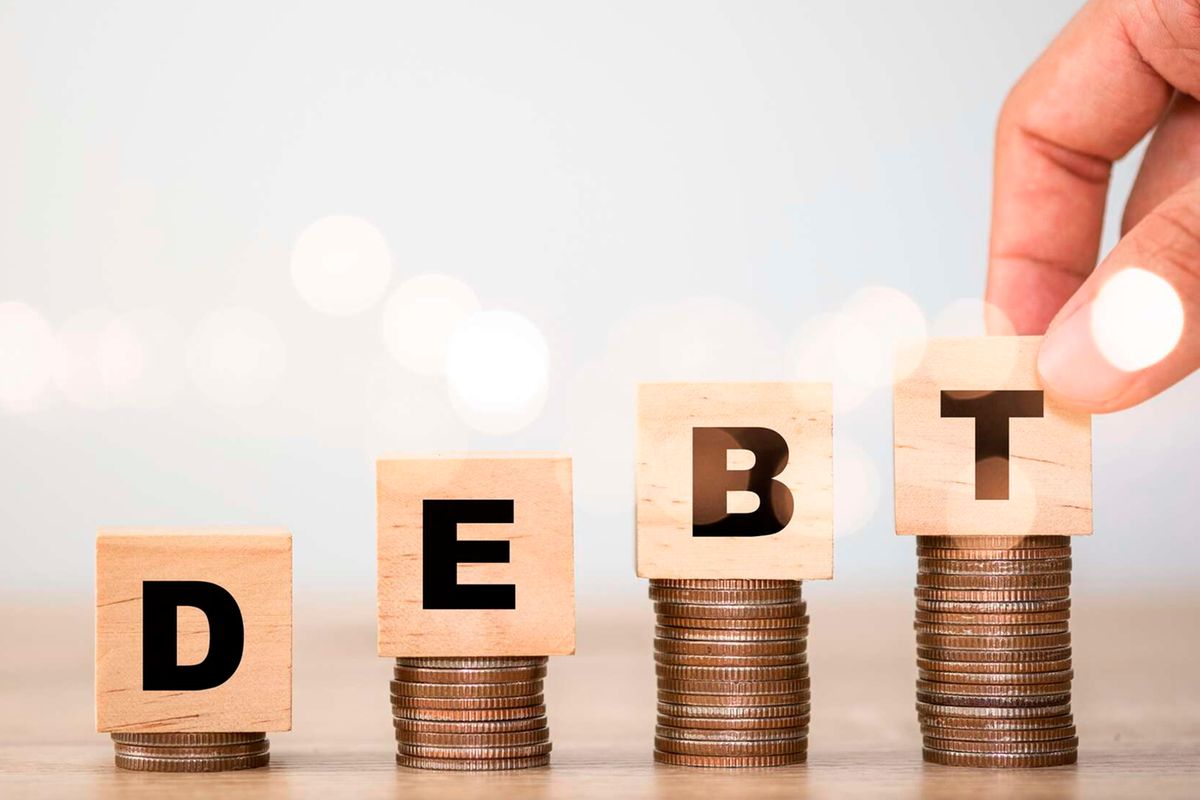
But as public and publicly guaranteed debt rises to nearly Sh13 trillion, a troubling paradox emerges. If the country has borrowed so aggressively since 2013, where is the structural transformation to show for it?
Premium Article
Get Full Access for Ksh299/Week.