Audio By Vocalize
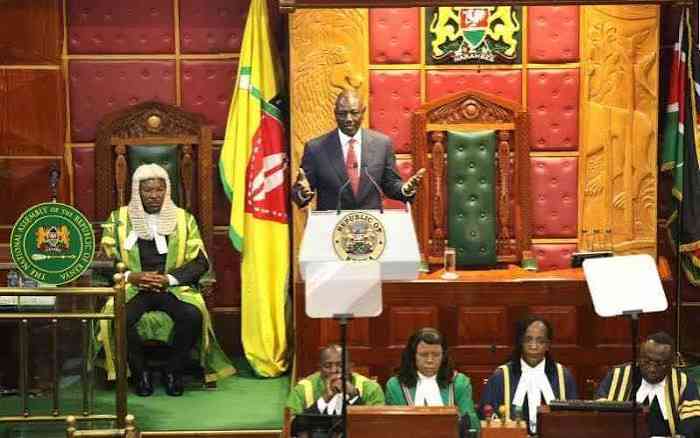
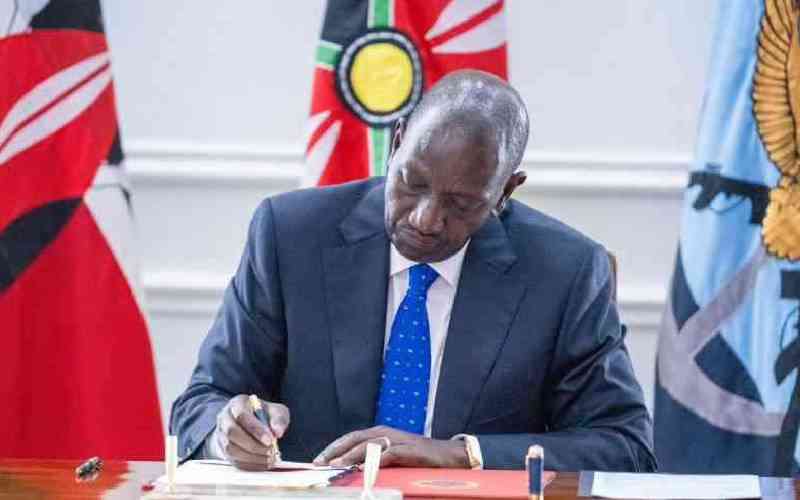
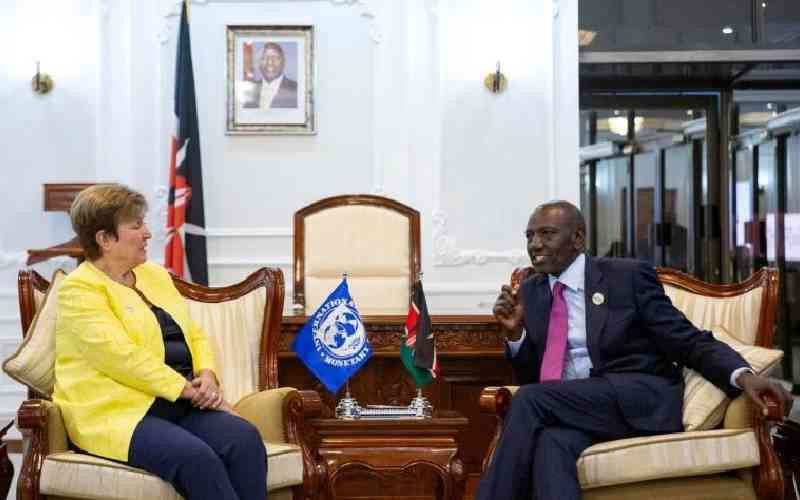
It is now widely acknowledged that President William Ruto assumed office at a moment of acute fiscal strain, with Kenya facing mounting concerns over debt sustainability and the prospect of sovereign default. Under his administration, however, the country avoided that outcome.
Among a group of six African economies identified by international observers as being at elevated risk of debt distress, Kenya distinguished itself by meeting its external debt obligations in full. While several peers defaulted on international instruments, Kenya honoured its maturing liabilities, preserving its standing in international capital markets.
The government’s stewardship of the economy is now reflected in a range of encouraging macroeconomic indicators. The shilling has stabilised at roughly Sh130 to the US dollar. Foreign-exchange reserves have remained comfortably above the statutory minimum of four months’ import cover. Inflation, meanwhile, has kept within the Central Bank of Kenya’s target range of 5 per cent, plus or minus 2.5 percentage points.
Yet these reassuring aggregates conceal a more sobering reality. Macroeconomic stability has been secured at a considerable cost to households and businesses. Fiscal consolidation has translated into increasingly aggressive tax collection, while a substantial share of government revenue has been absorbed by public debt servicing. Once recurrent expenditure is met, little fiscal space remains for development spending, which is the very spending that has historically underpinned Kenya’s economic expansion.