The silence in the Tier 1 Network Operation Centers of the early year 2000 was not the silence of peace. It was a heavy, pressurized equilibrium—the kind of stillness that precedes a tectonic shift. In the climate-controlled vaults of providers like MCI WorldCom and Sprint, the atmosphere was thick with the scent of ionized air and the low-frequency thrum of high-density cooling units. On the primary monitoring consoles, the steady stream of green and amber text—the lifeblood of the global backbone—began to exhibit a rhythmic, unsettling irregularity.
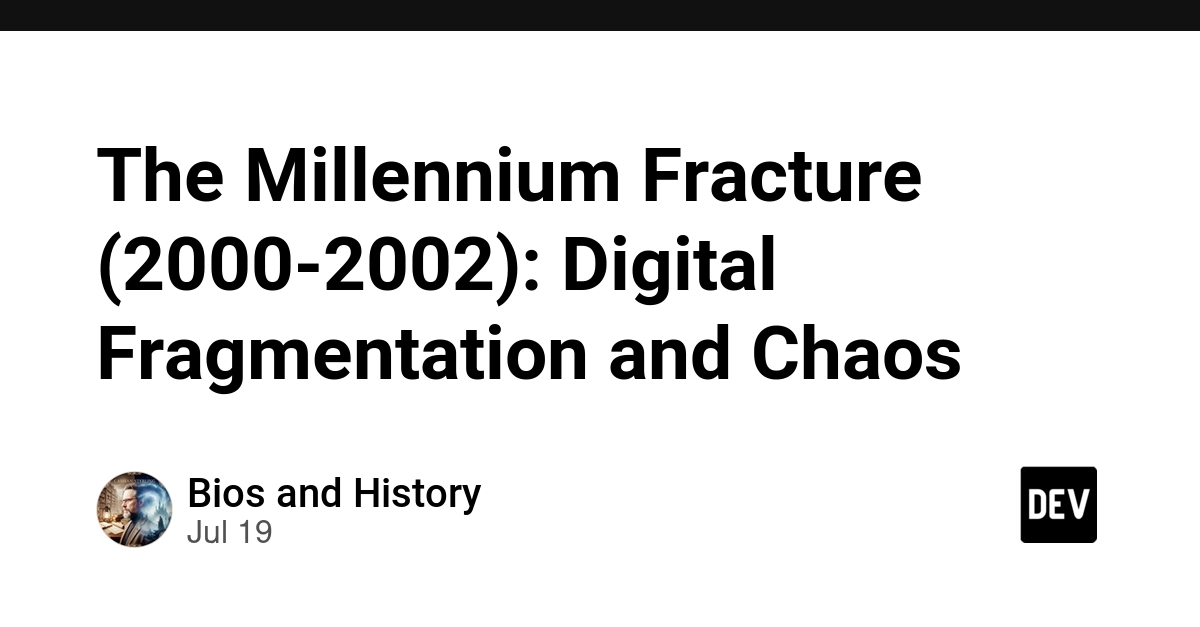
History often remembers the turn of the millennium through the lens of the Y2K panic, a frantic scramble to prevent date-integer overflows from collapsing global finance. But the true crisis was far more insidious. It wasn't a singular, catastrophic failure, but a systemic, structural decay. It was the moment the digital world realized its foundation was ossifying. This was the Millennium Fracture: the period between 2000 and 2002 when the very protocols that facilitated the transition from the experimental ARPANET to the commercialized global mesh began to crumble under the weight of their own success.
The Ossification of the Digital Skeleton