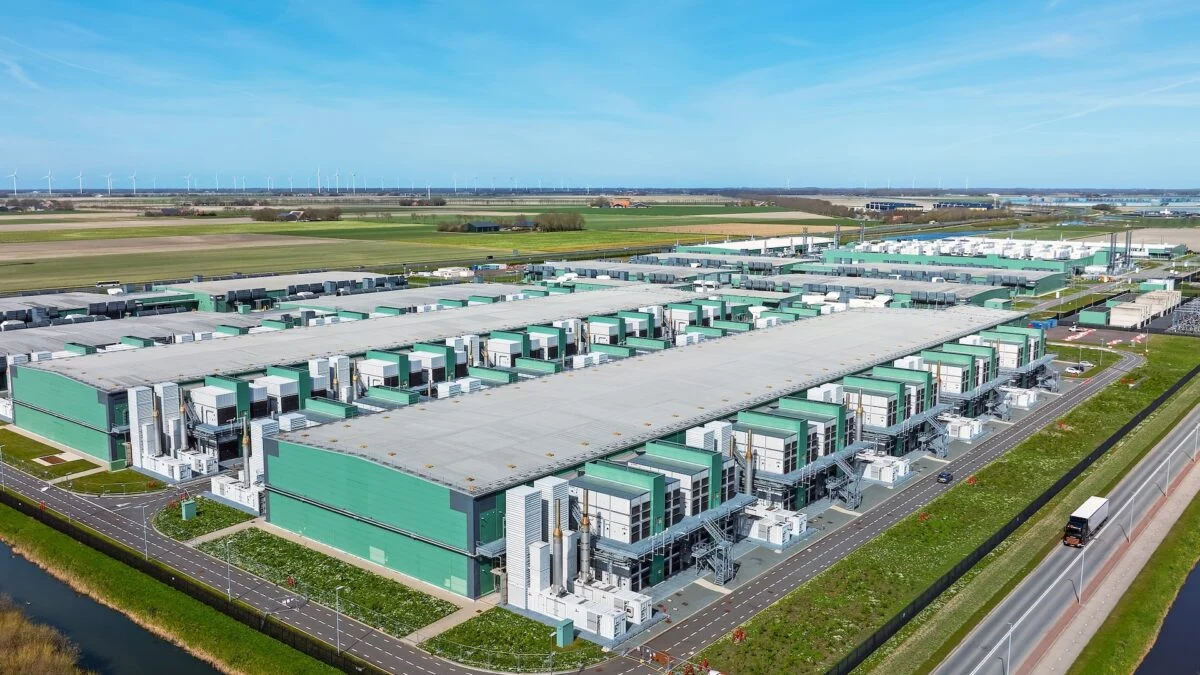
The cooling fans of the emerging Tier 1 provider data centers in 1996 operated at a frequency that defined an era—a constant, mid-range mechanical drone that masked the high-pitched whine of high-density switching silicon. Inside these climate-controlled environments, the very architecture of our modern world was undergoing a violent, silent transition. The era of the monolithic, research-oriented node was being superseded by the high-speed, packet-processing router, yet the underlying logic of the network remained haunted by the structural memories of the past.
To understand the internet we inhabit today, one must look back at this pivotal three-year window. It was a period of "hardening," where the experimental chaos of the early ARPANET was forged into an industrial-grade engine of global commerce. It was an era of "decoupling," where the visceral, direct command of the terminal was being buried beneath the beautiful, deceptive veil of the graphical browser. And most importantly, it was a period of profound structural dissonance, where the failed dreams of centralized cybernetic control collided with the unstoppable, entropic rise of the decentralized web.
1996: The Ghost of NCP and the Hardening of the Backbone