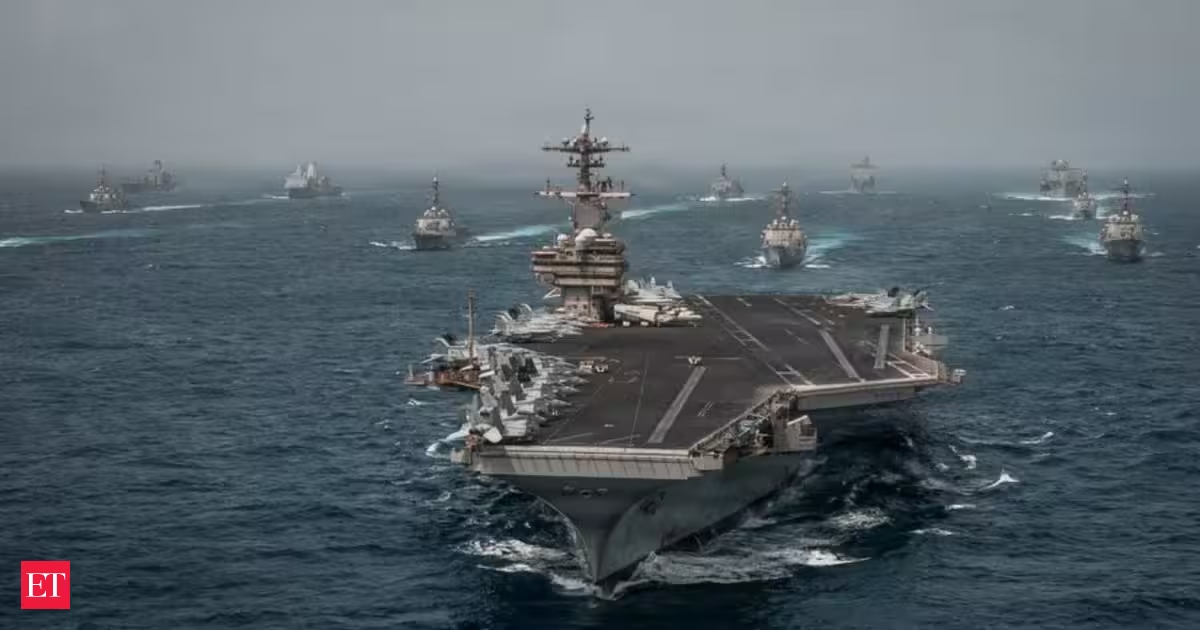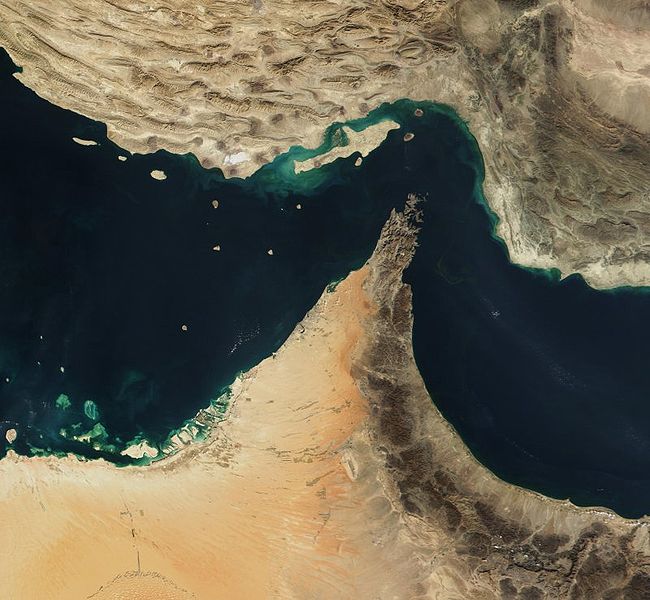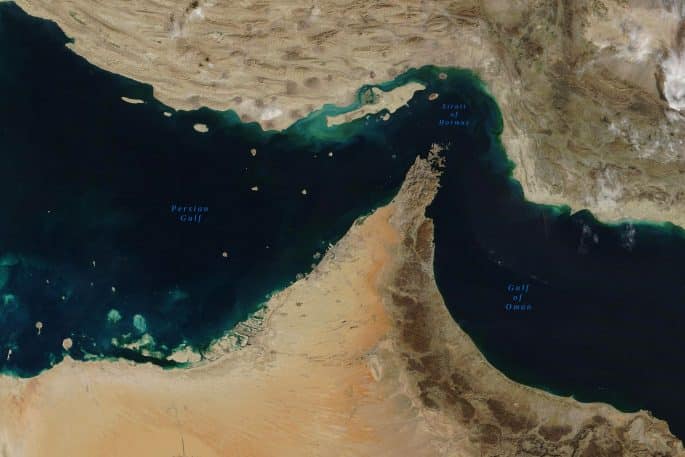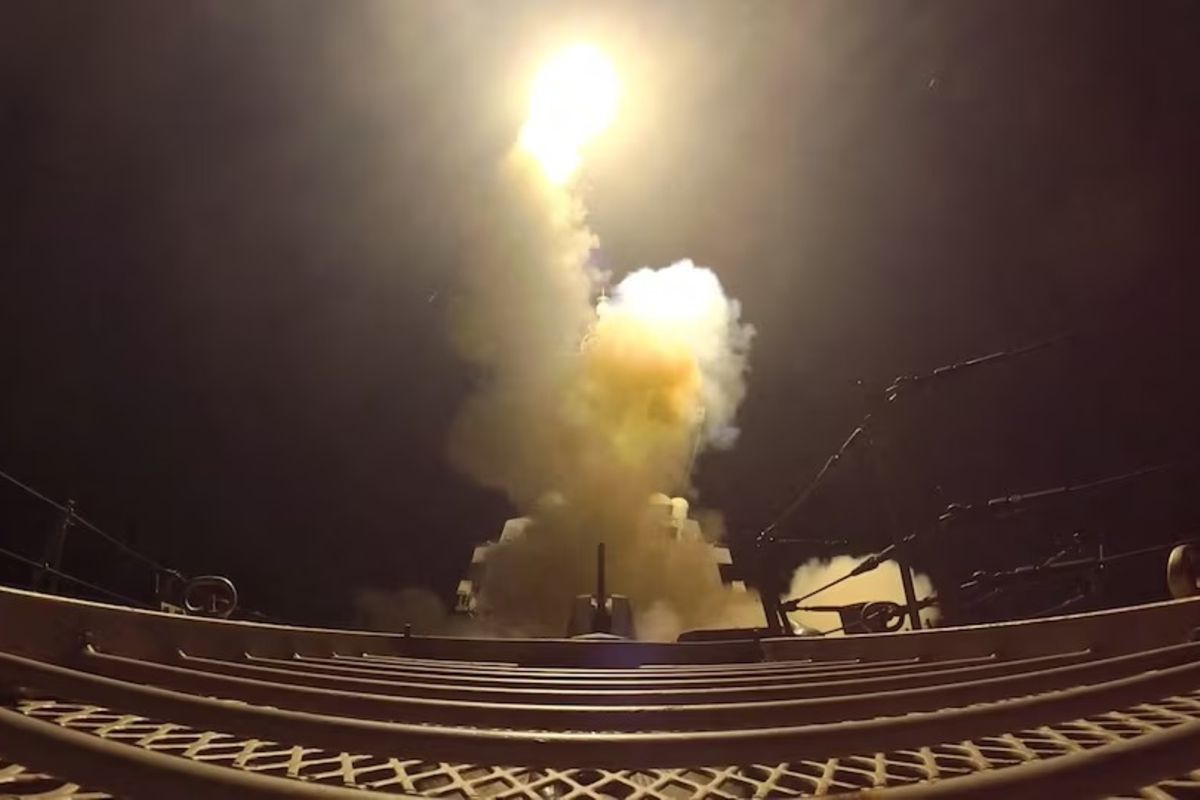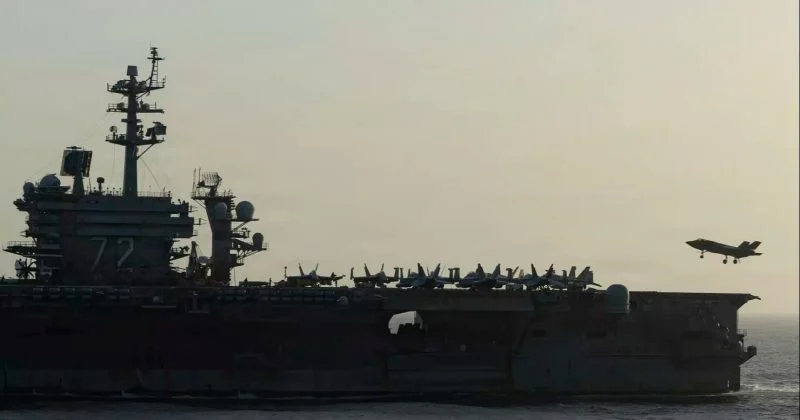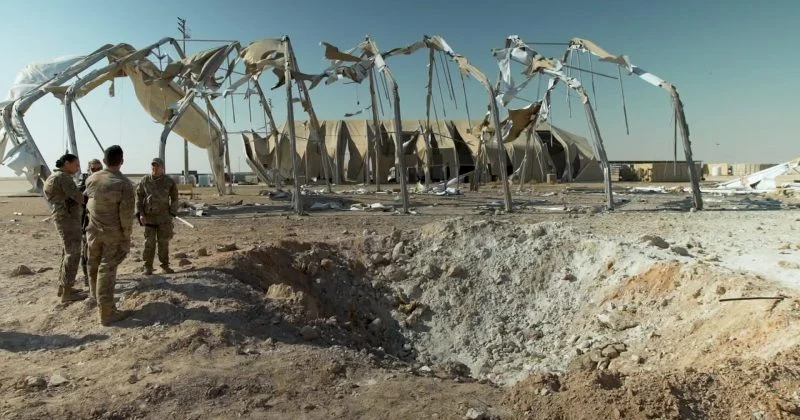
Iran has intensified its missile and drone attacks on U.S. military bases and allies throughout the Persian Gulf amid escalating tensions with the United States. This development follows President Trump’s announcement of the end of a ceasefire and the re-imposition of a blockade on the Strait of Hormuz. The conflict, now in its third consecutive weekend of hostilities, includes Iranian retaliatory strikes on Jordan, Qatar, Kuwait, Oman, Bahrain, and Syria. This escalation, including Iran’s attempts to close the Strait of Hormuz, poses significant threats to global energy supplies and heightens the risk of military retaliation from Gulf states.
Key Takeaways
The ongoing conflict appears consistent with scenarios that could lead to a decrease in Strait of Hormuz traffic, as indicated by the increase in Iranian attacks.
Market pricing suggests participants view the odds of traffic normalization by August 31 as low, with current pricing at 12.5% for a YES outcome.
The escalation in hostilities, coupled with Iran’s strategic moves, suggests a potential for continued disruption in the region, impacting global energy supply chains.