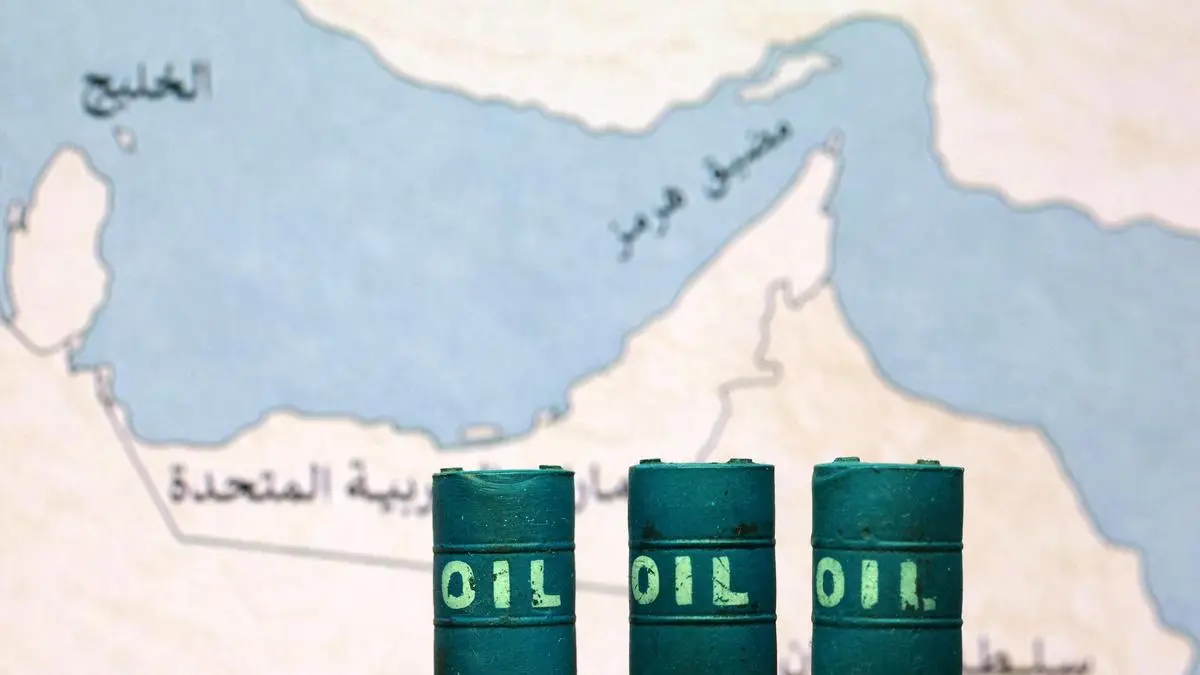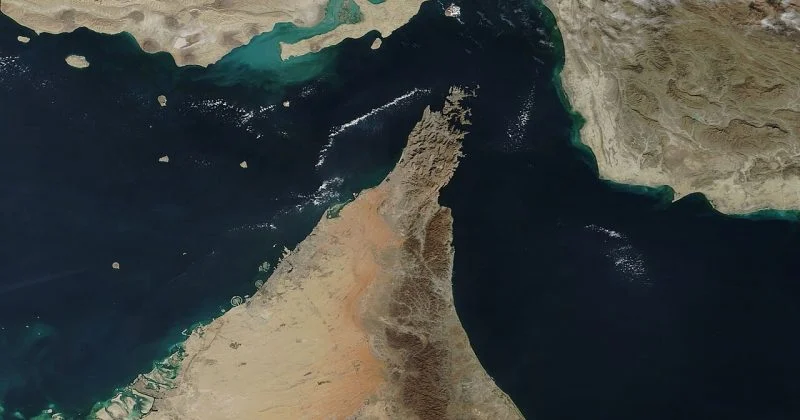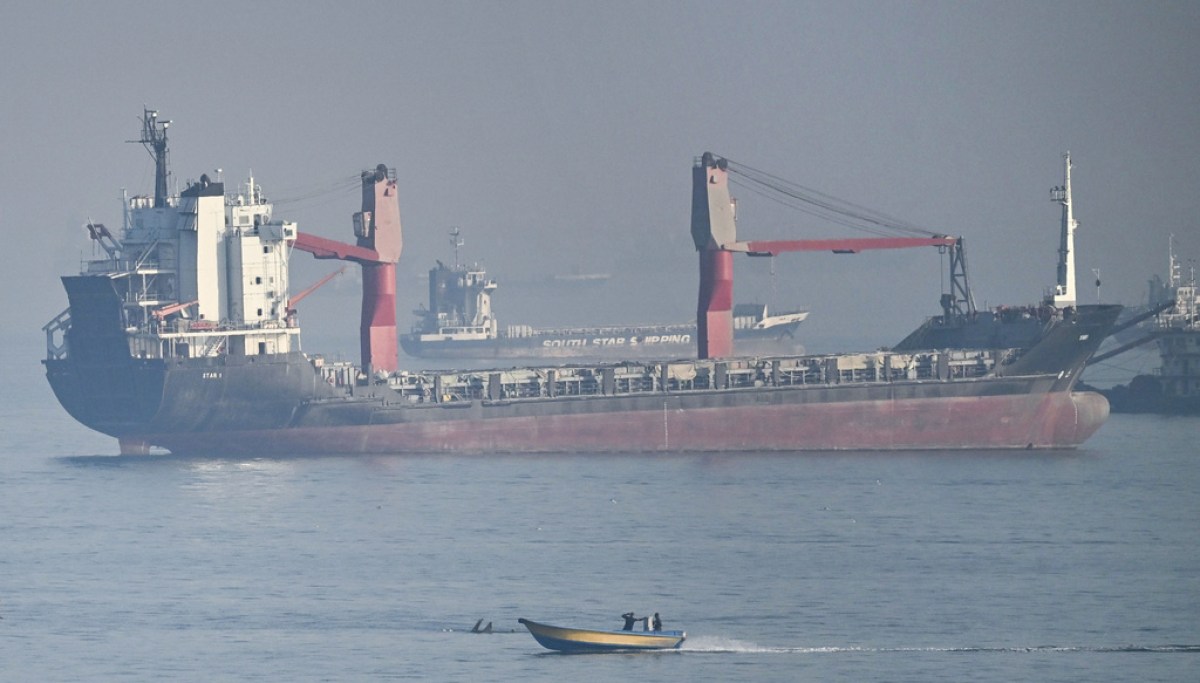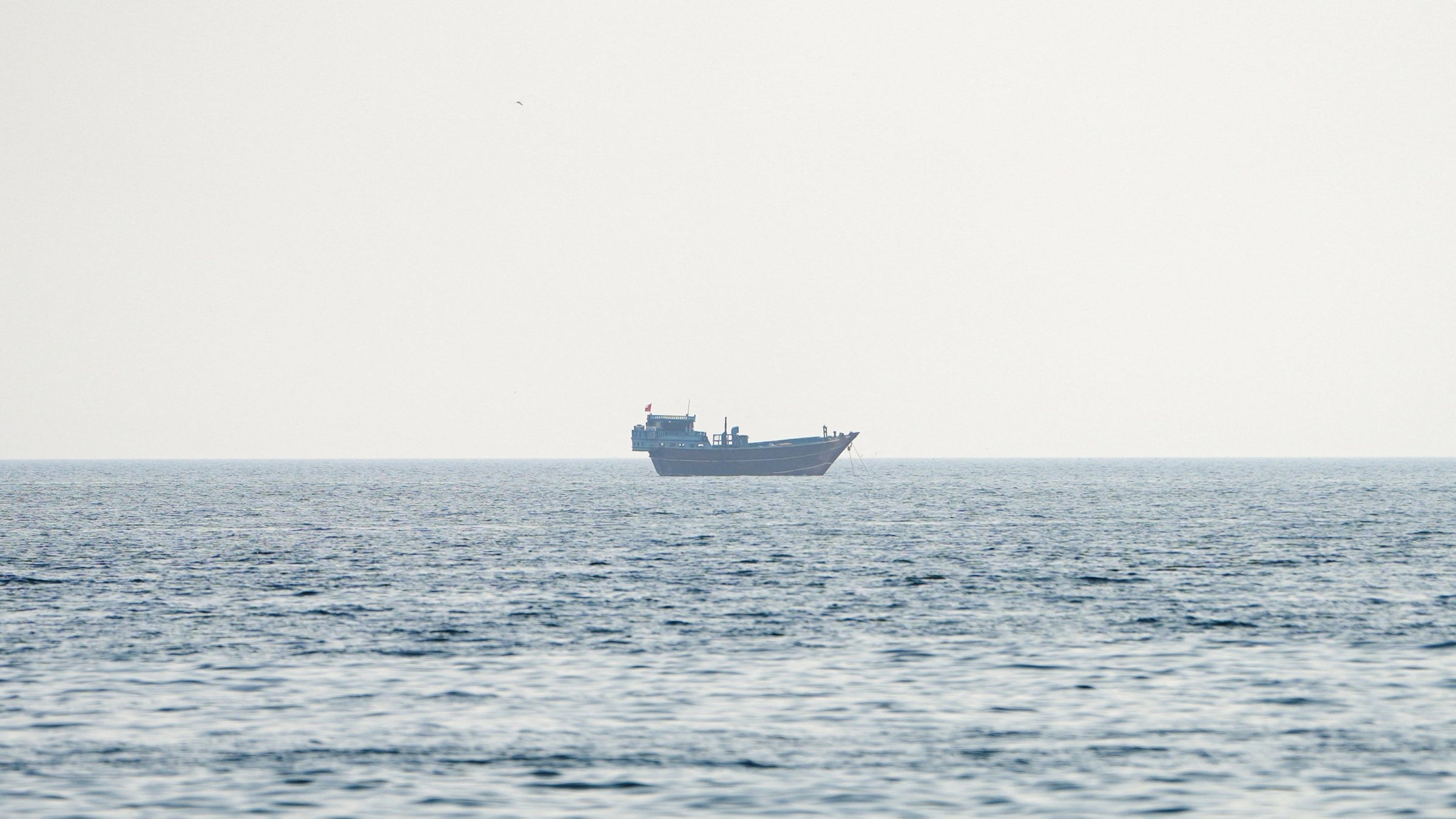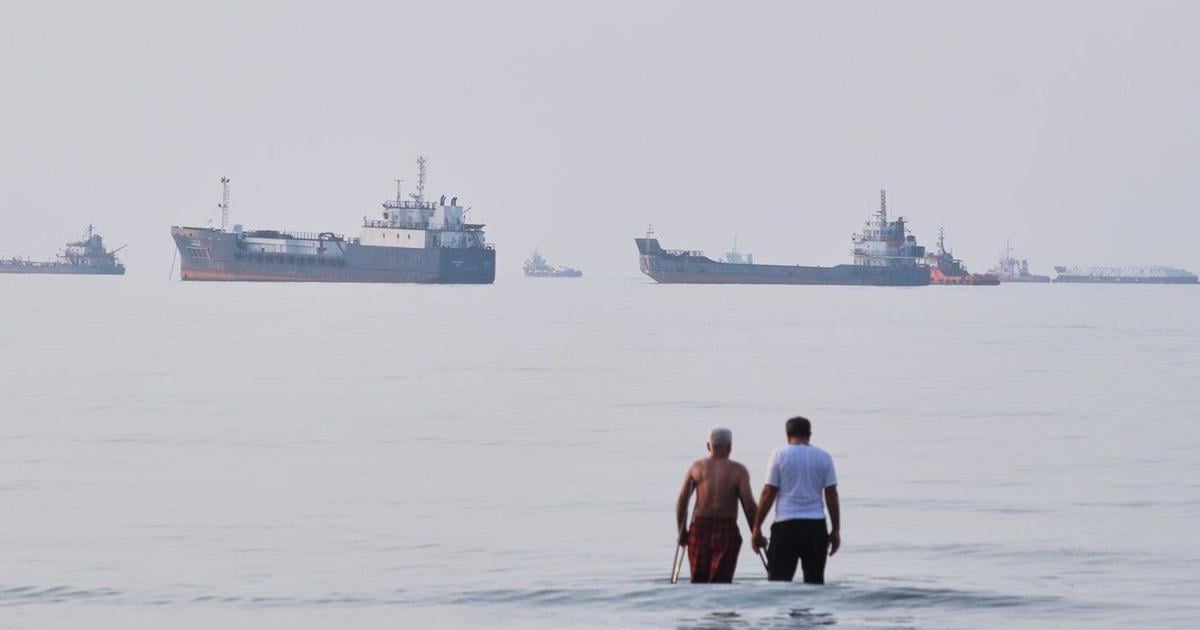
The Strait of Hormuz is one of those geographic chokepoints that makes energy traders sweat. Roughly one-fifth of the world’s oil passes through a narrow strip of water bordered by Iran on one side and the Arabian Peninsula on the other.
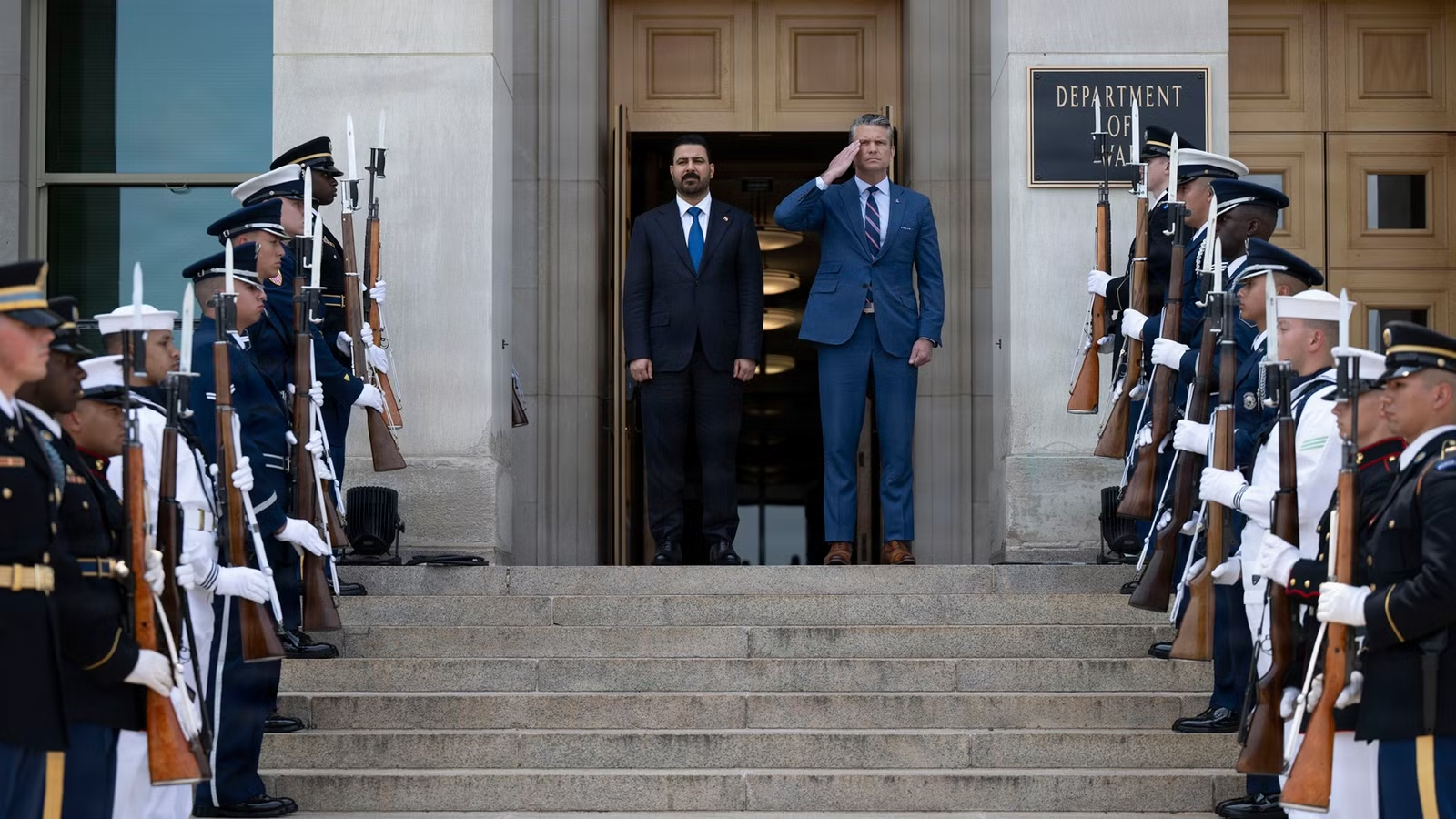
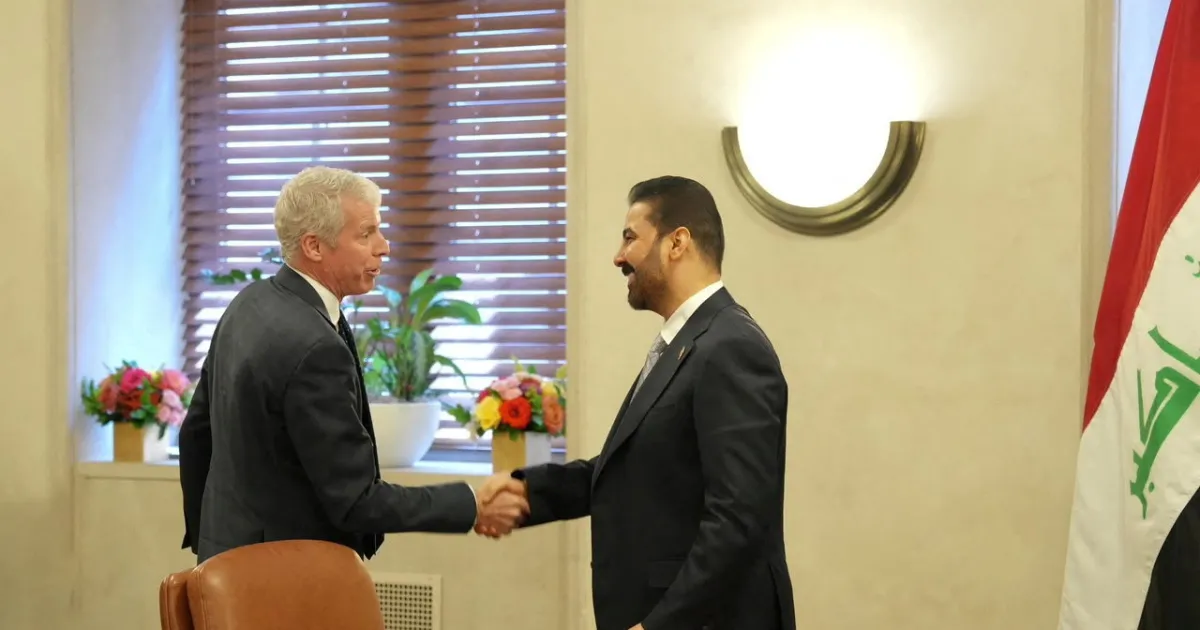
On July 17, US oil companies signed approximately $60 billion in agreements with the Iraqi government, formalized at the US Chamber of Commerce, aimed squarely at reducing that exposure.
What the deals actually cover
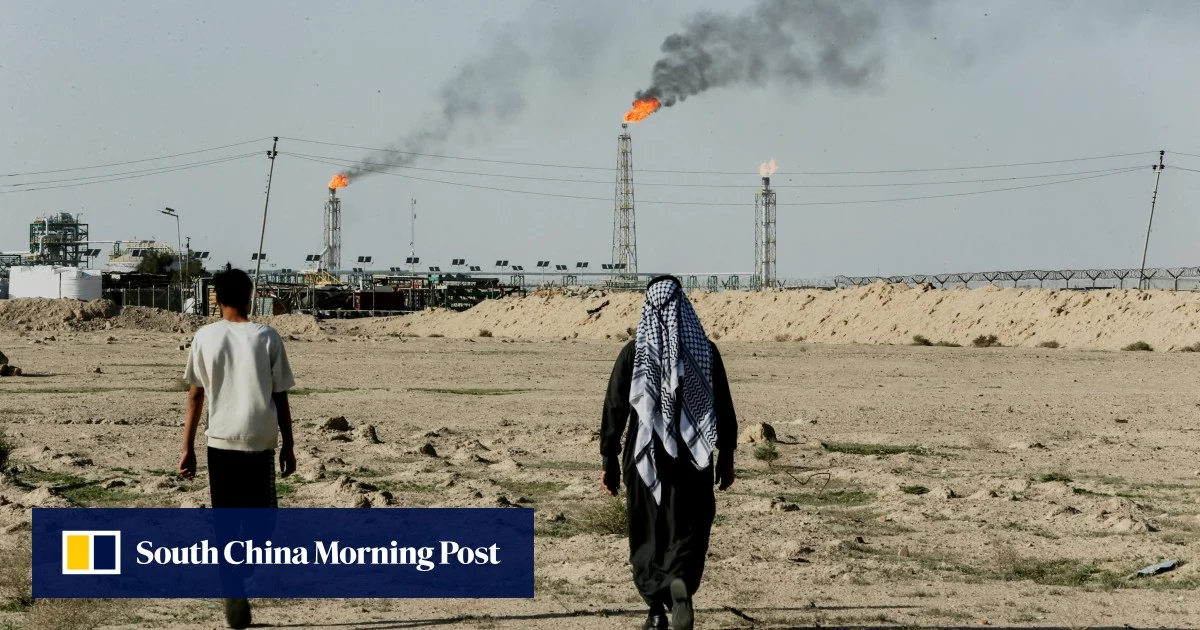
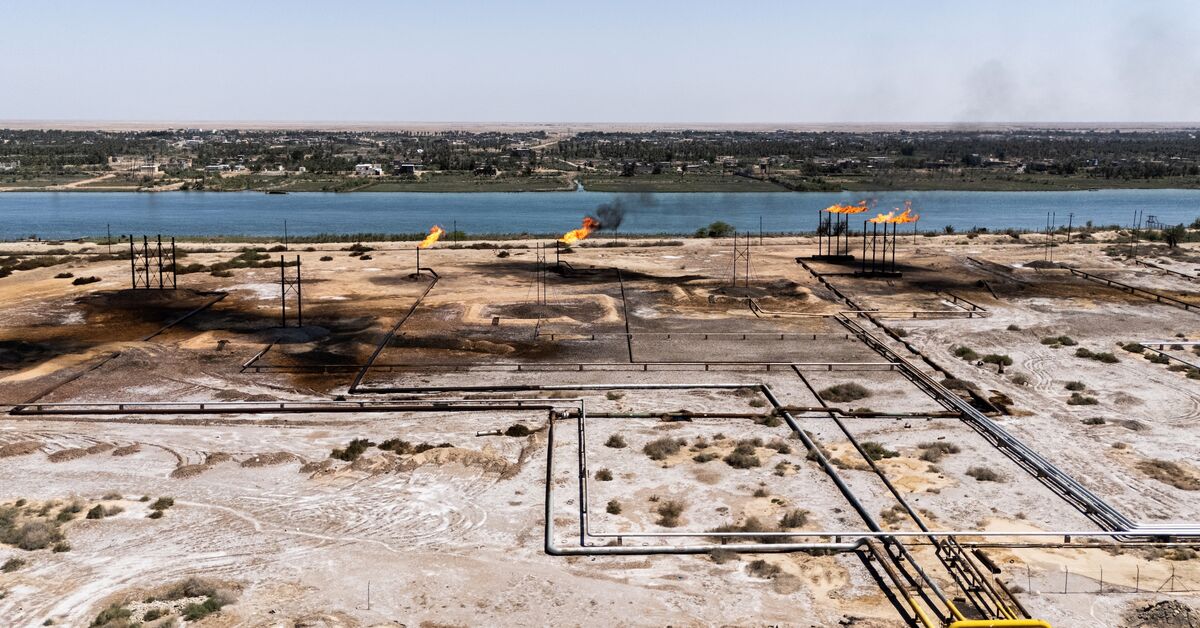
Chevron is the headliner here, signing three preliminary accords covering stakes in two major Iraqi oil fields: West Qurna-2 and Nasiriyah. Both fields hold billions of barrels in estimated recoverable reserves, putting them among the more consequential energy assets in the Middle East.
Chevron is also part of a consortium exploring a pipeline route to Syria’s Mediterranean coast. Instead of loading tankers in the Persian Gulf and threading them through Hormuz, Iraqi crude would move overland to a Mediterranean port, cutting the strategic risk almost entirely.