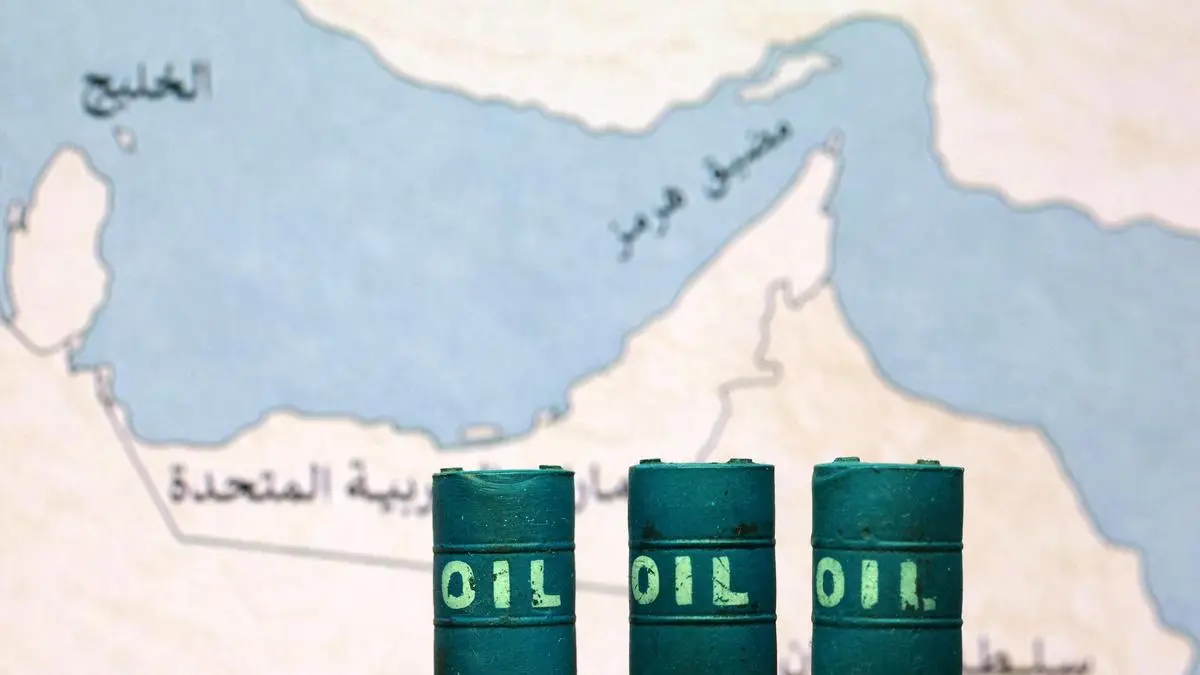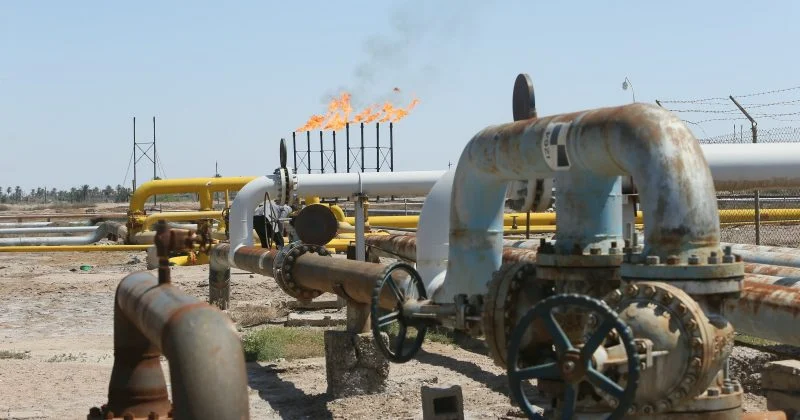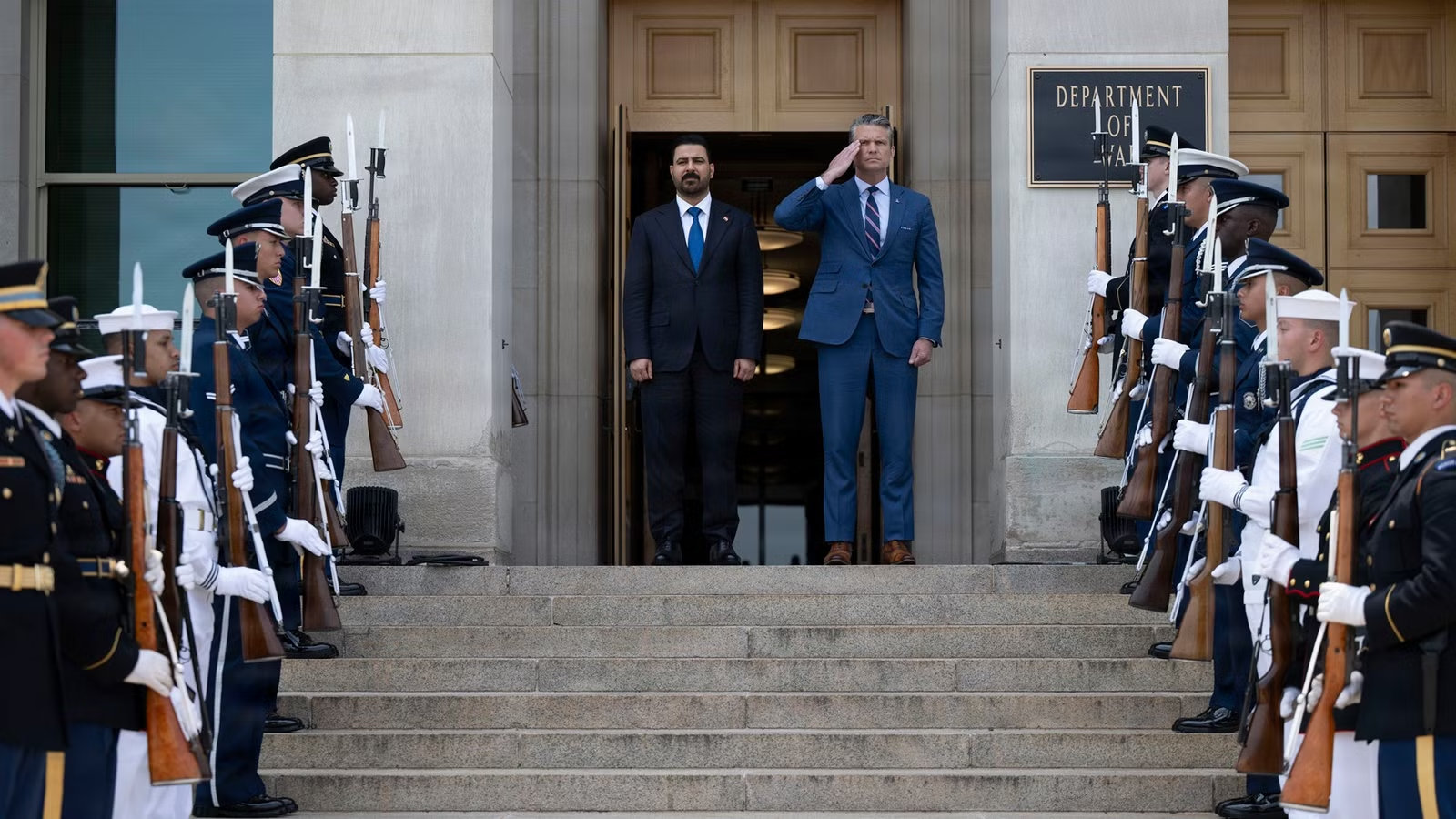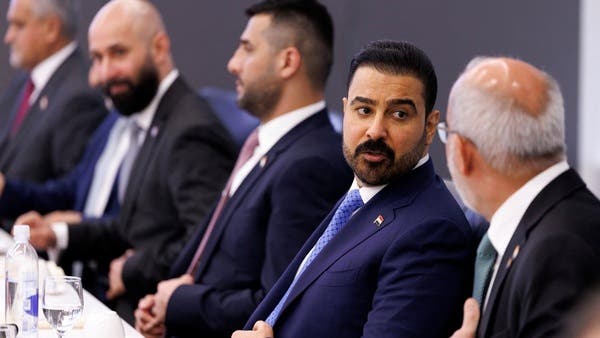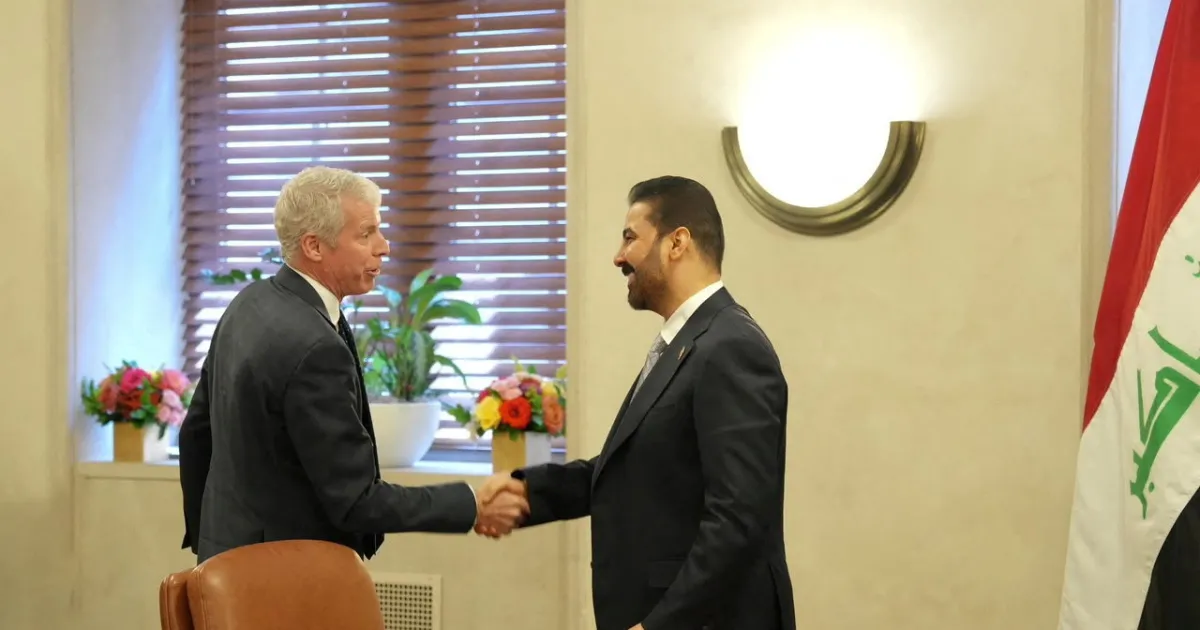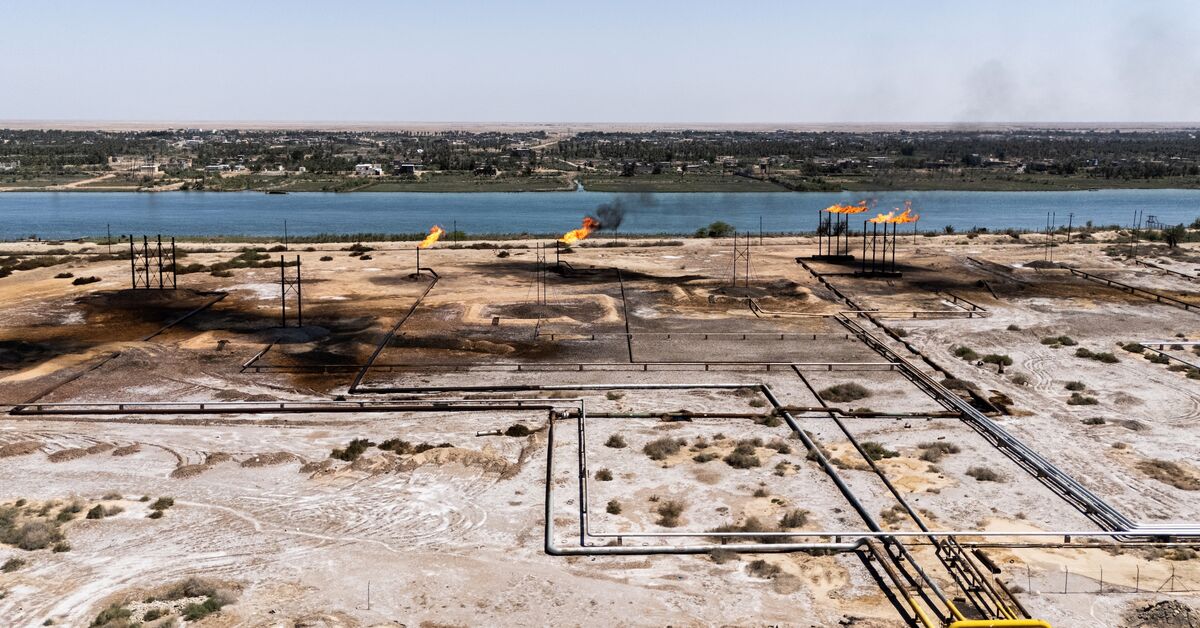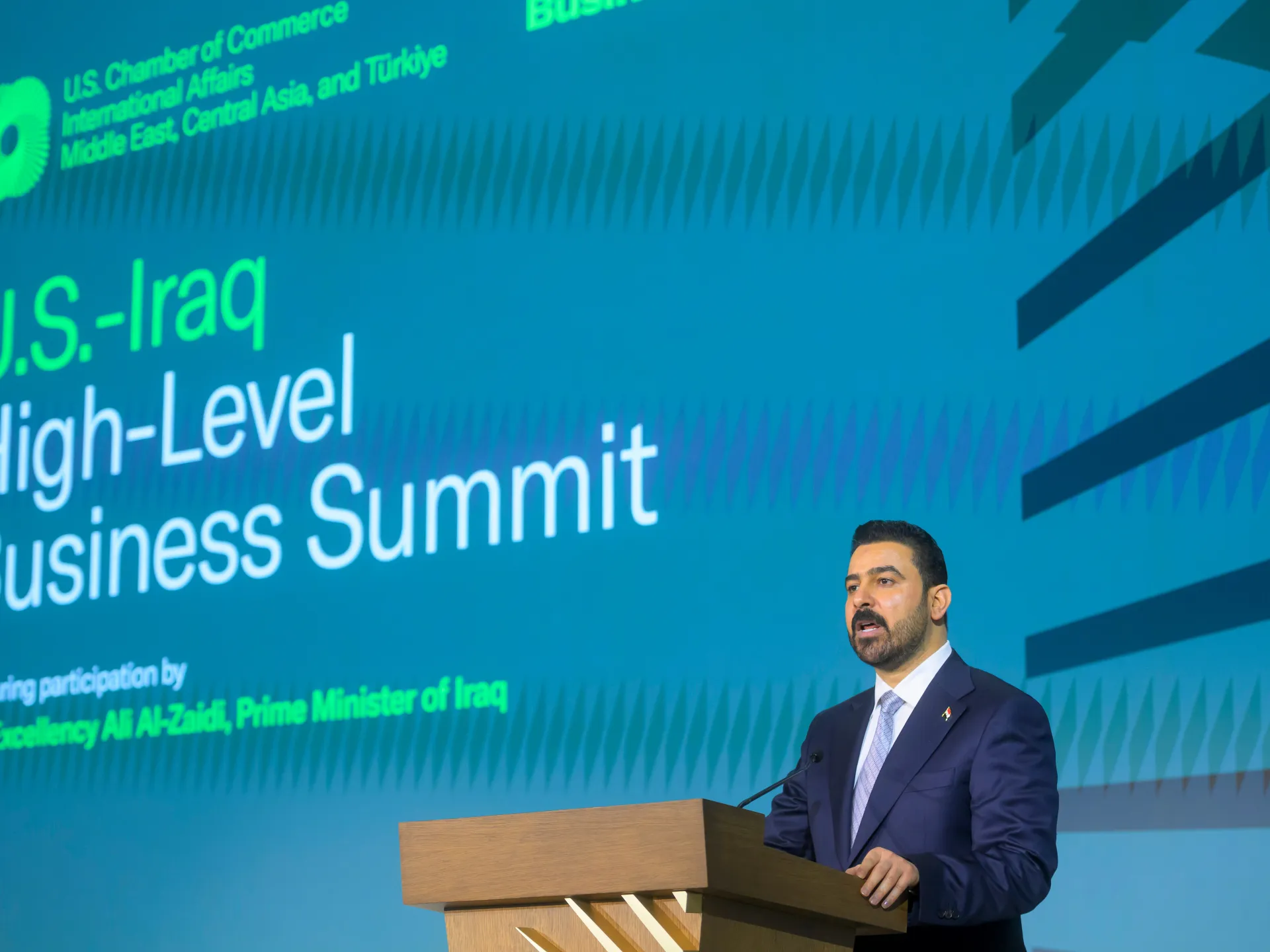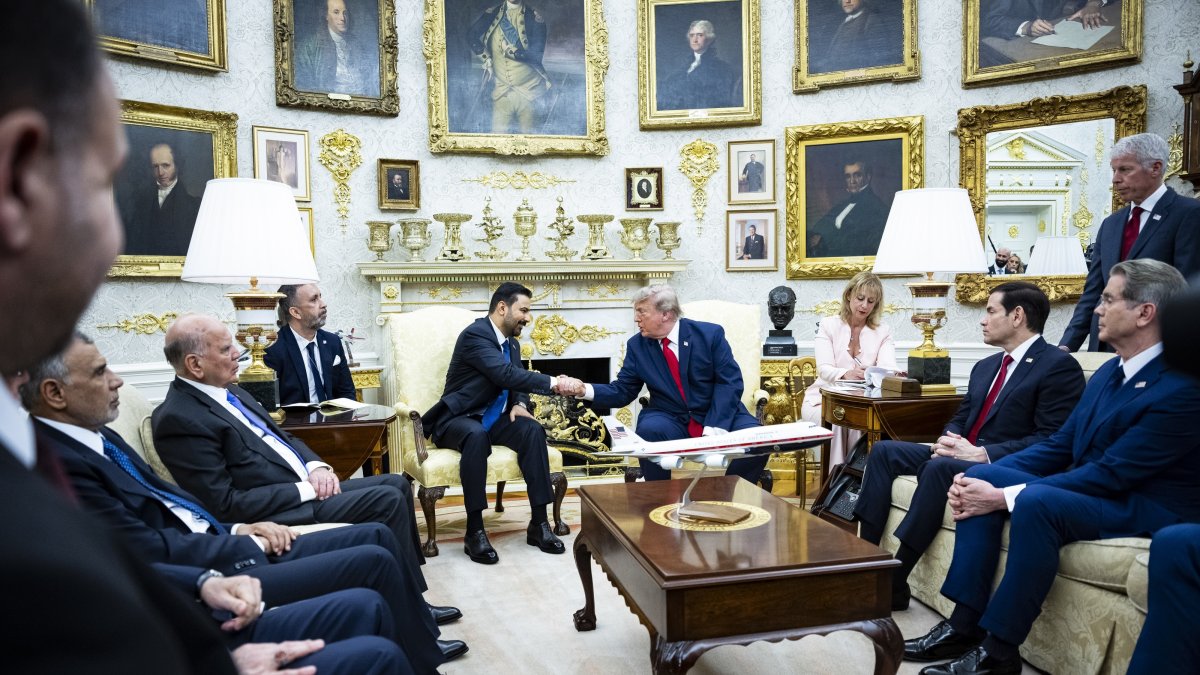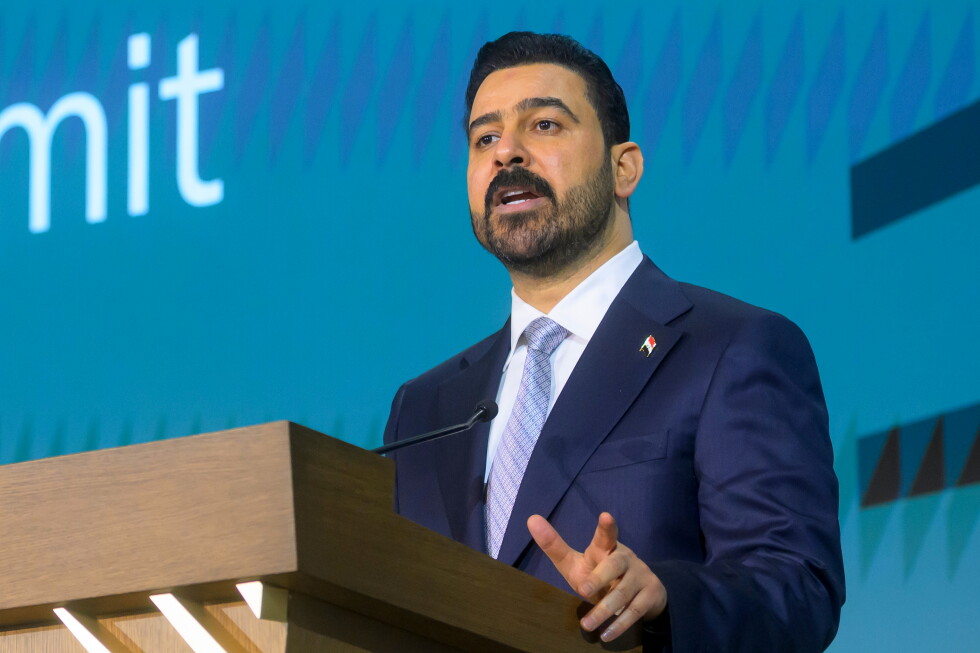
WASHINGTON (AP) — U.S. companies signed roughly $60 billion in agreements and partnerships with the Iraqi government Friday, including deals intended to create alternative routes for shipping oil out of the Persian Gulf. The deals, signed at the U.S. Chamber of Commerce, also involved other industries, including healthcare, communications and infrastructure.It’s not clear when the oil deals will be able to create viable alternatives to the Strait of Hormuz, through which about a fifth of the world’s oil flows. Goldman Sachs estimates that pipelines in just one country take at least two and a half years to build, and these pipelines would travel through two or more nations. Iran has sought to close the Strait repeatedly since the U.S.-Iran war began Feb. 28, causing sharp gyrations in oil and gas prices. On Friday afternoon, the price of West Texas crude rose nearly 5% to $88 a barrel, up from about $67 before the war began. It had topped $110 in early April before falling back after a truce was reached. It has since risen on renewed conflict between U.S. and Iran. Thomas Barrack, U.S. Ambassador to Turkey, said the oil pipeline agreements would lead to a program “that will make the Strait of Hormuz an afterthought.”
US oil firms sign deals with Iraq to develop alternative shipping routes
U.S. companies have signed roughly $60 billion in agreements and partnerships with the Iraqi government, including deals intended to create alternative routes for shipping oil out of the Persian Gulf.
708 words~3 min read