Iraq is stepping into the spotlight of a renewed US energy strategy in the Middle East, with investment commitments aimed at reshaping the country’s oil, gas, power, and infrastructure sectors. US Special Presidential Envoy Tom Barrack has framed Iraq as sitting at the forefront of a new “strategic alliance” with Washington and its allies, one that prioritizes energy corridors and economic integration over the military entanglements that defined the last two decades of US-Iraq relations.
What the deal framework looks like
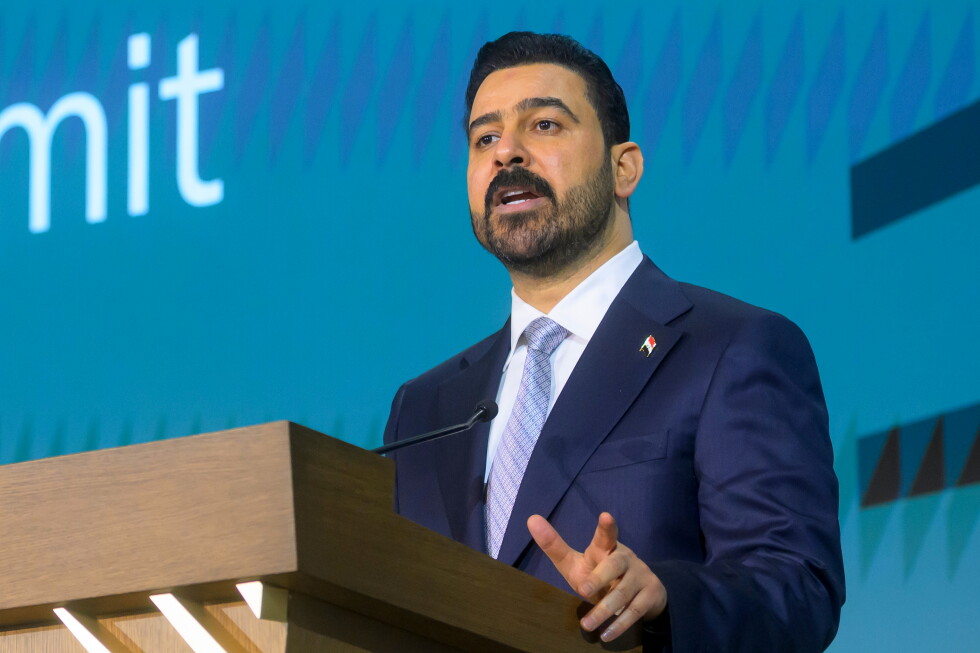
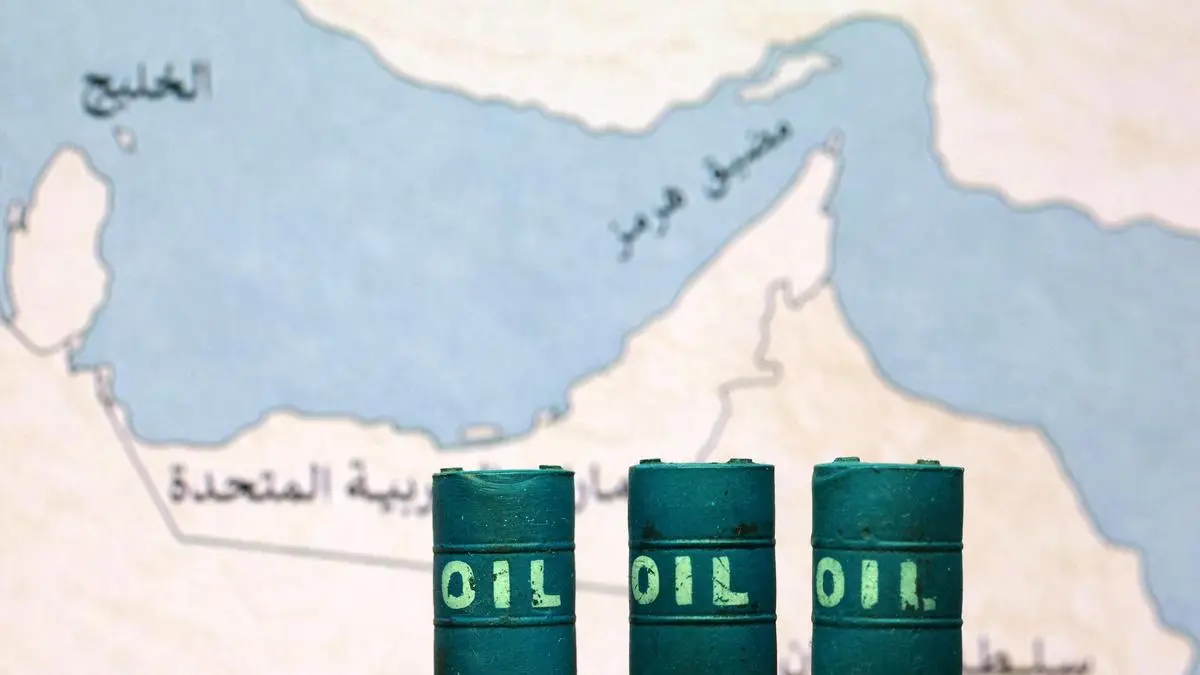
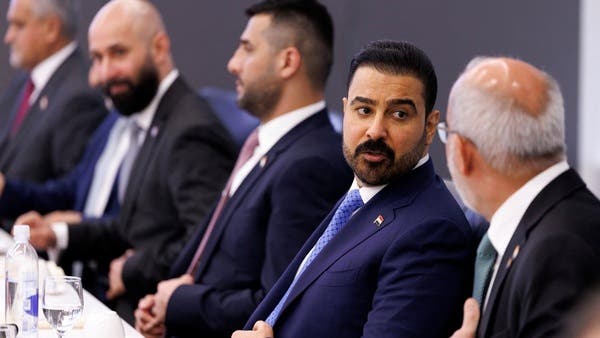
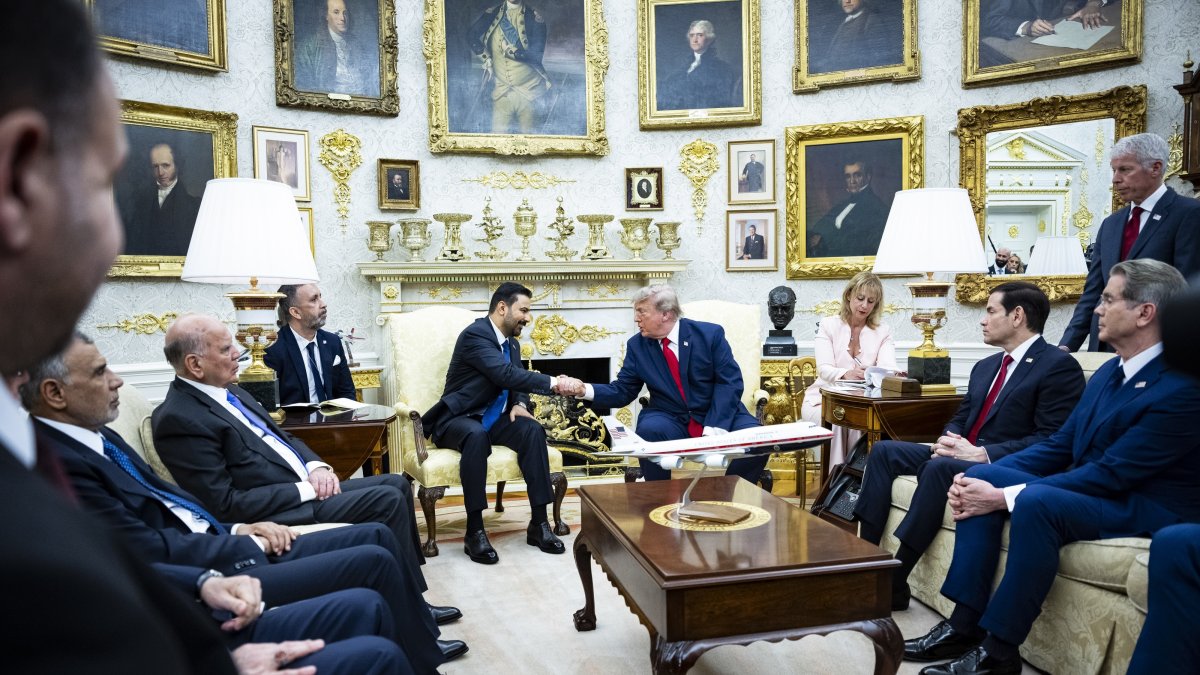
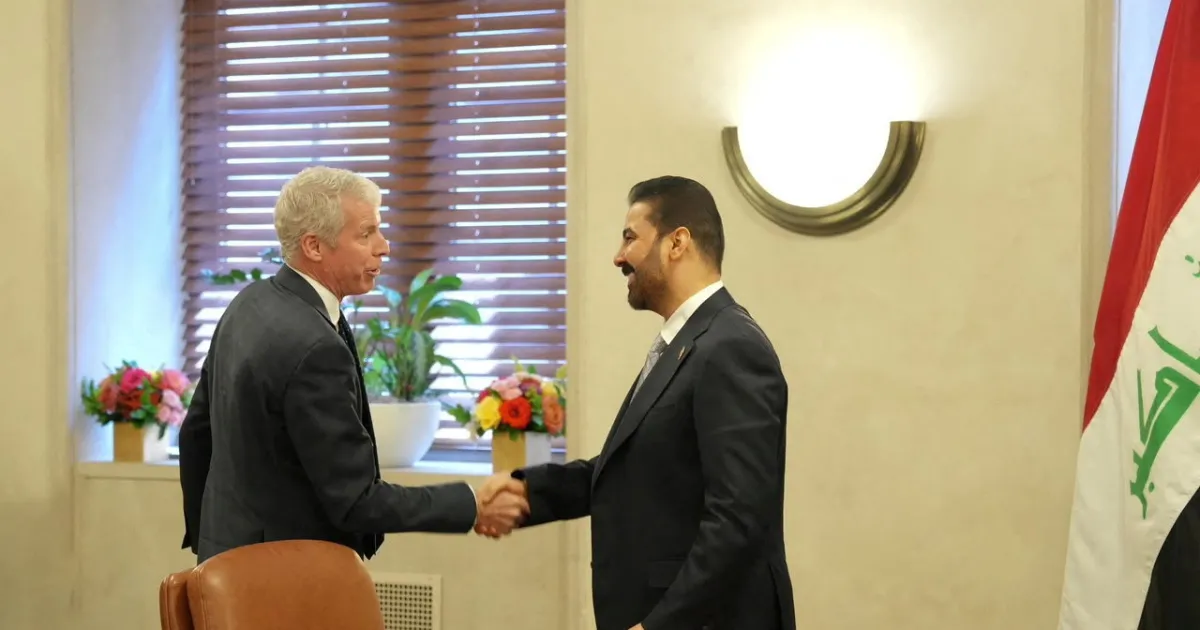
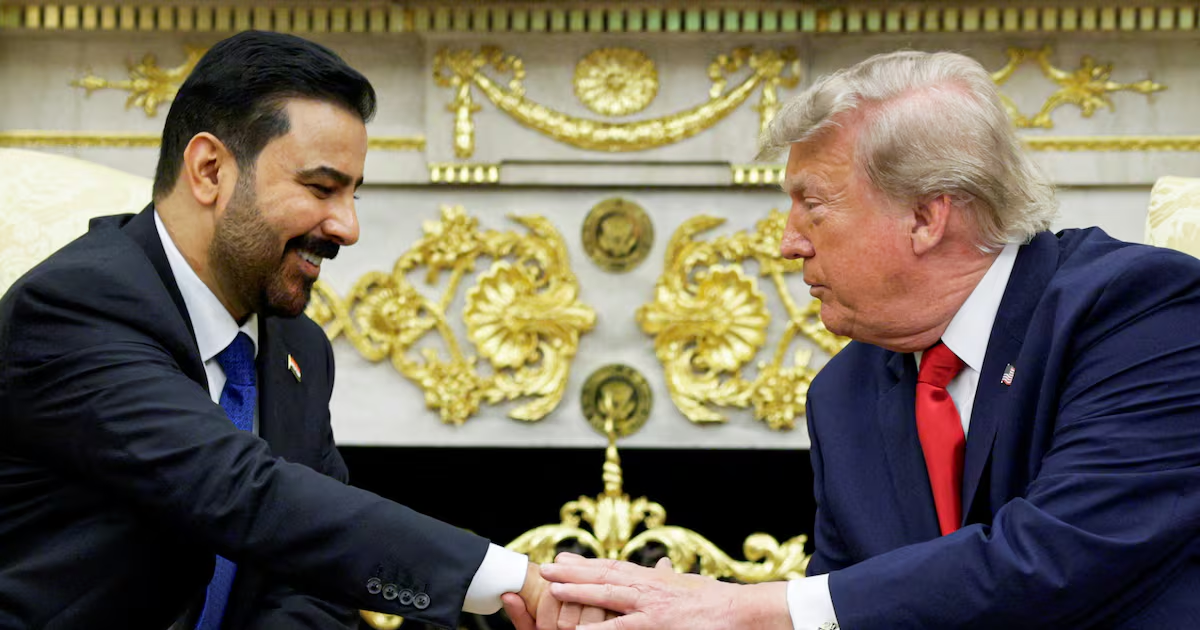
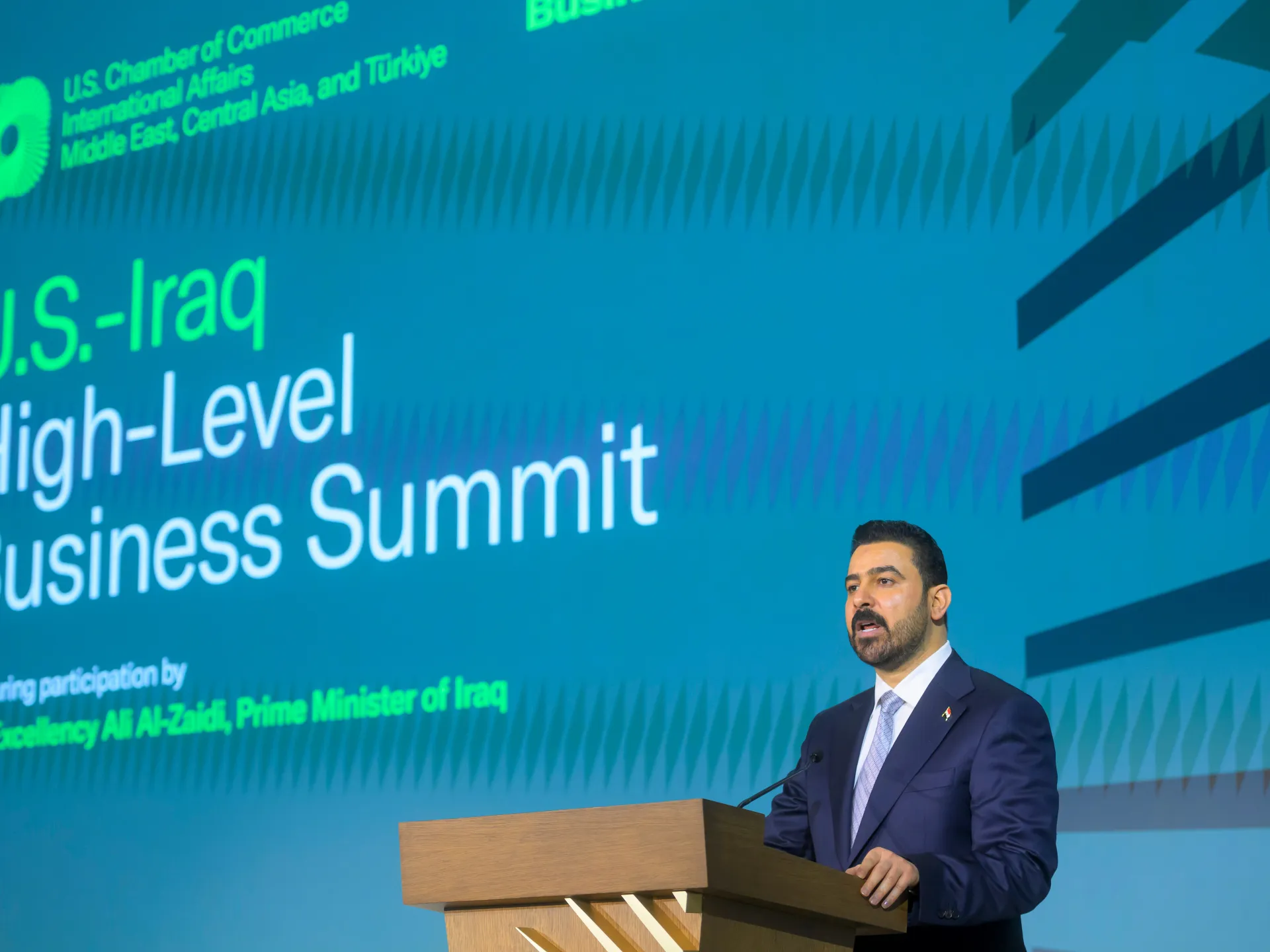
The energy push centers on positioning Iraq as a critical hub connecting the Gulf Cooperation Council nations, Turkey, and Syria. Barrack, who was named Special Presidential Envoy to Iraq in May 2026, met with Iraqi Prime Minister Ali al-Zaidi and President Trump to discuss the framework. The conversation reportedly prioritized investment and economic growth over other traditional bilateral concerns, a notable departure from the usual security-heavy agenda that has dominated US-Iraq diplomacy for years.
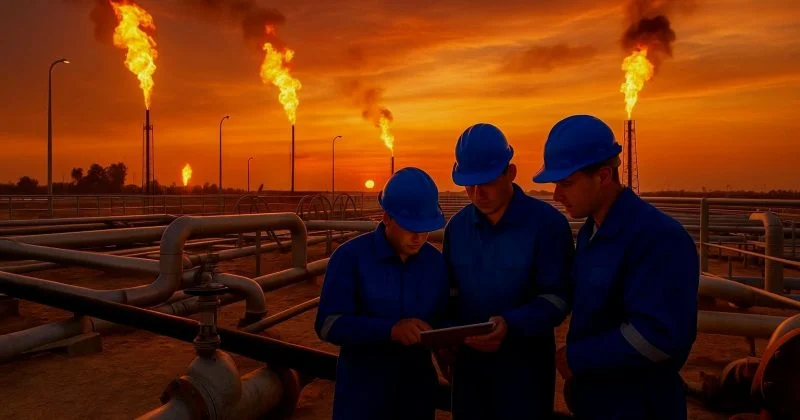
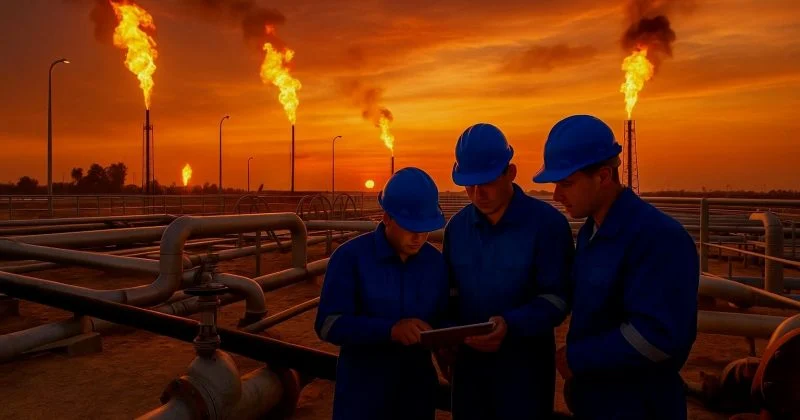
The discussions encompass US and British oil majors investing across Iraq’s energy value chain: upstream oil and gas production, power generation, and the infrastructure needed to move it all. Current talks also include bringing Iraqi weapons stockpiles under state control, a governance reform that signals Washington wants a more stable, investment-friendly partner rather than just a geopolitical chess piece.