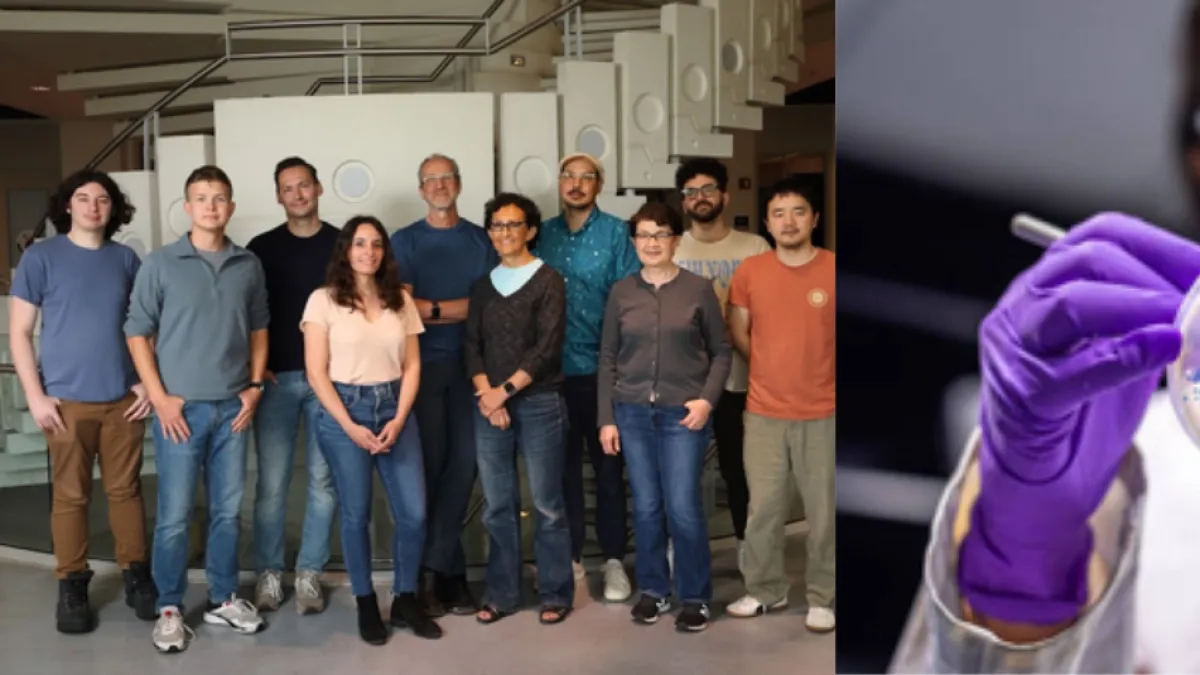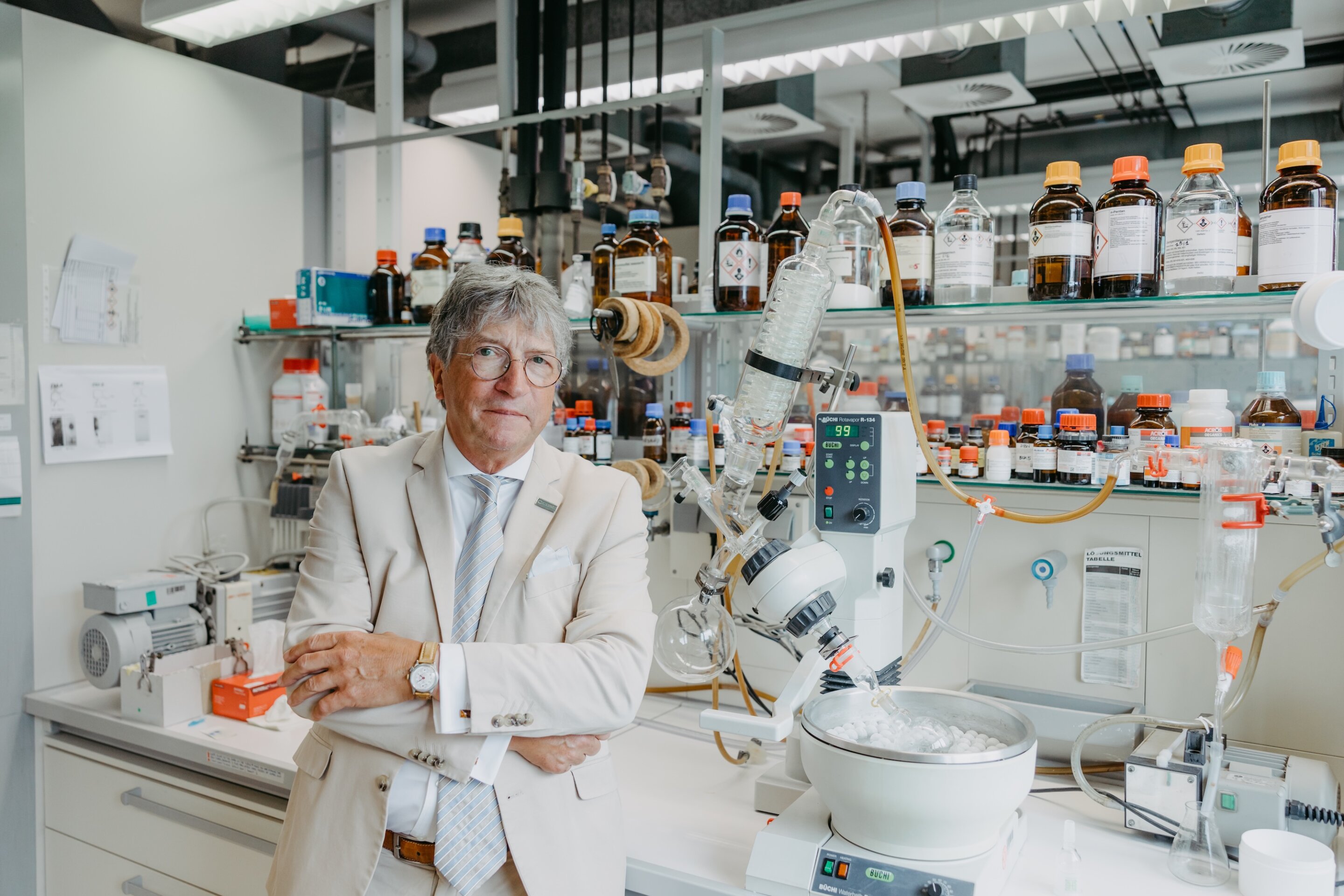
Prof. Dieter Schinzer in his laboratory in the Institute of Chemistry at the University of Magdeburg. Credit: Jana Dünnhaupt
Chemists from Otto von Guericke University Magdeburg have achieved an important research success in the fight against resistant bacteria. The team led by scientist Professor Dr. Dieter Schinzer from the Institute of Chemistry has succeeded in producing key building blocks of the naturally occurring substance Neosorangicin A in the laboratory for the first time. This means it is now possible to develop Neosorangicin A in a targeted manner as a promising reserve antibiotic candidate to combat antibiotic resistance in the future.
To artificially produce the naturally occurring substance, the scientists used what is known as relay synthesis—instead of immediately creating the entire complex molecule, they first synthesized the critical sections, which served as staging points en route to the complete substance. The research success lies not only in the components produced but also in proof of the development process. The results have just been published in the journal Chemistry—A European Journal.
Neosorangicin A
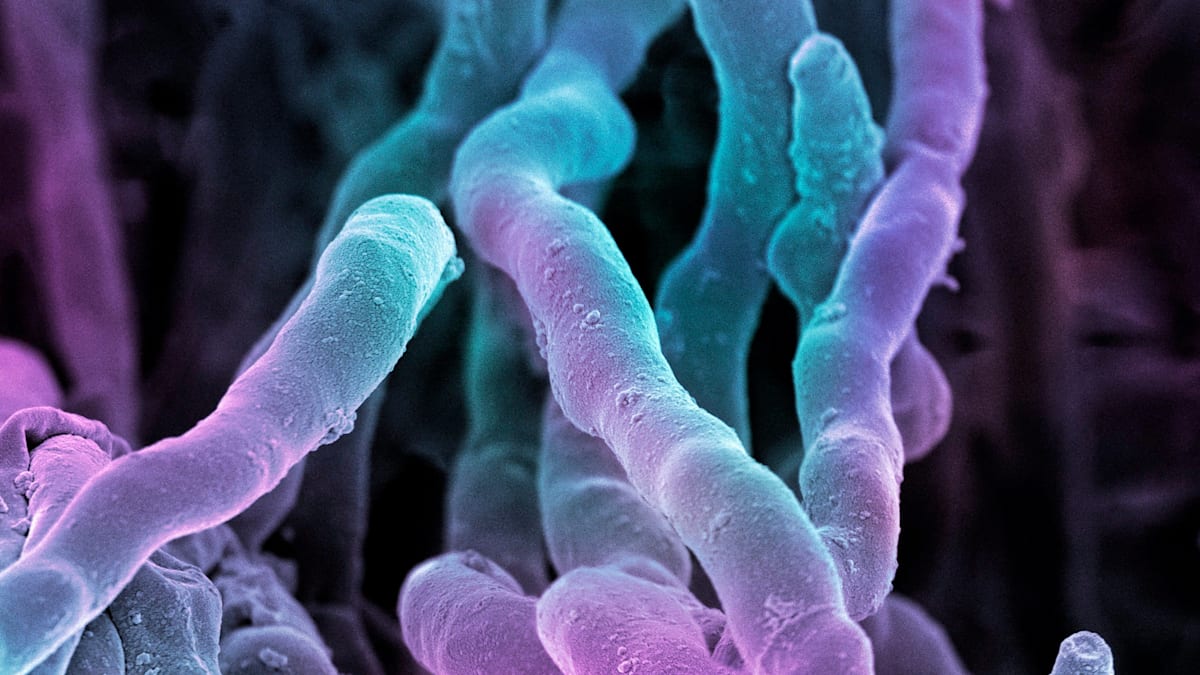
Neosorangicin A is what is known as a secondary metabolite produced by myxobacteria to compete with other microorganisms. Existing research has shown that Neosorangicin A interferes with a central bacterial process by inhibiting bacterial RNA polymerase, the enzyme bacteria need to read their genetic information and multiply. So far, the substance has been effective against various groups of bacteria, including gram-negative pathogens.