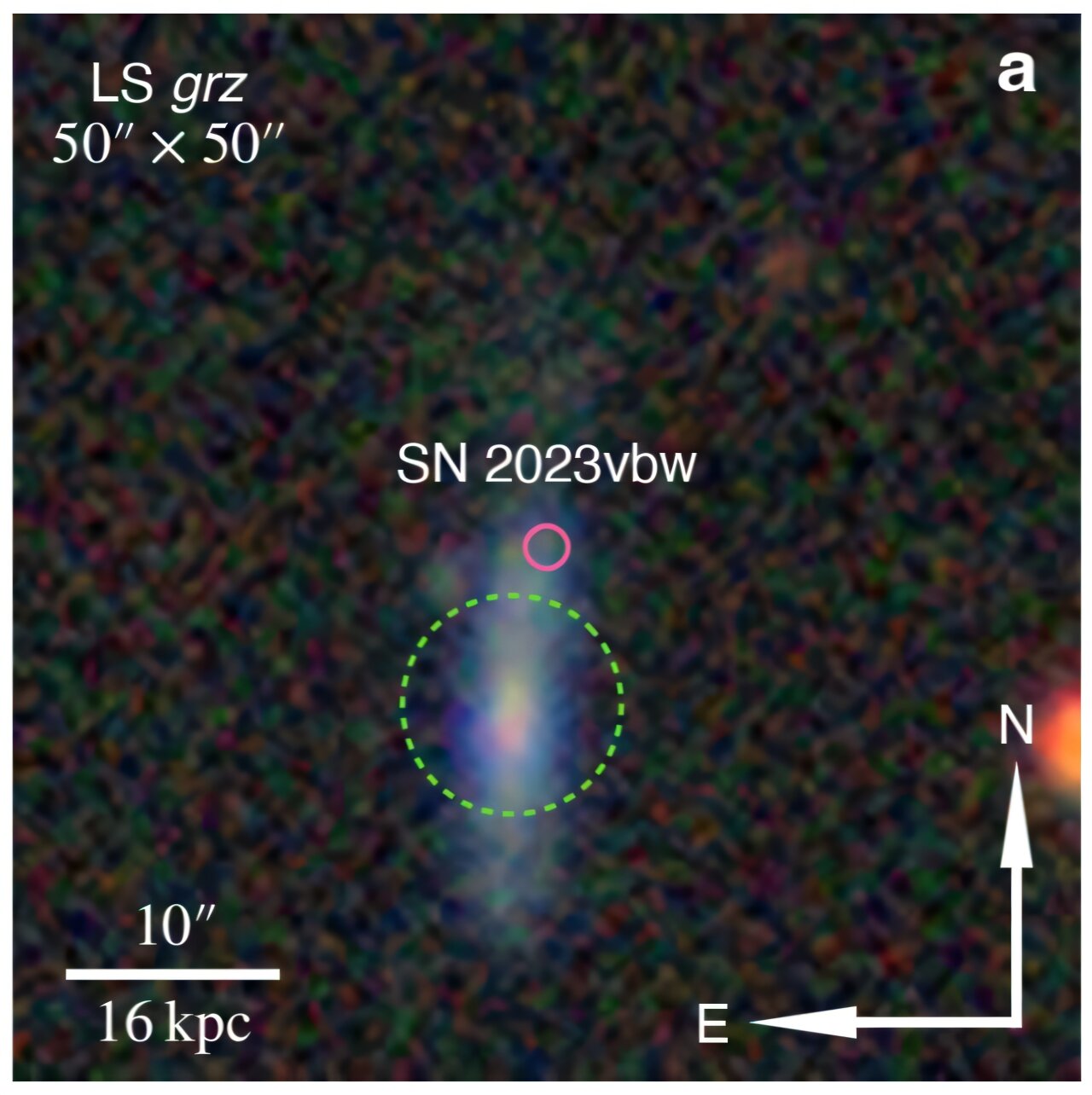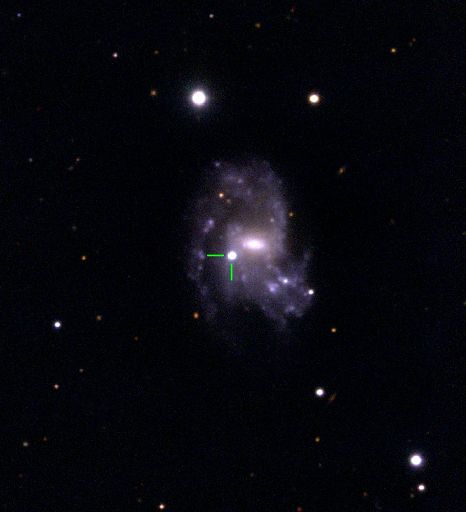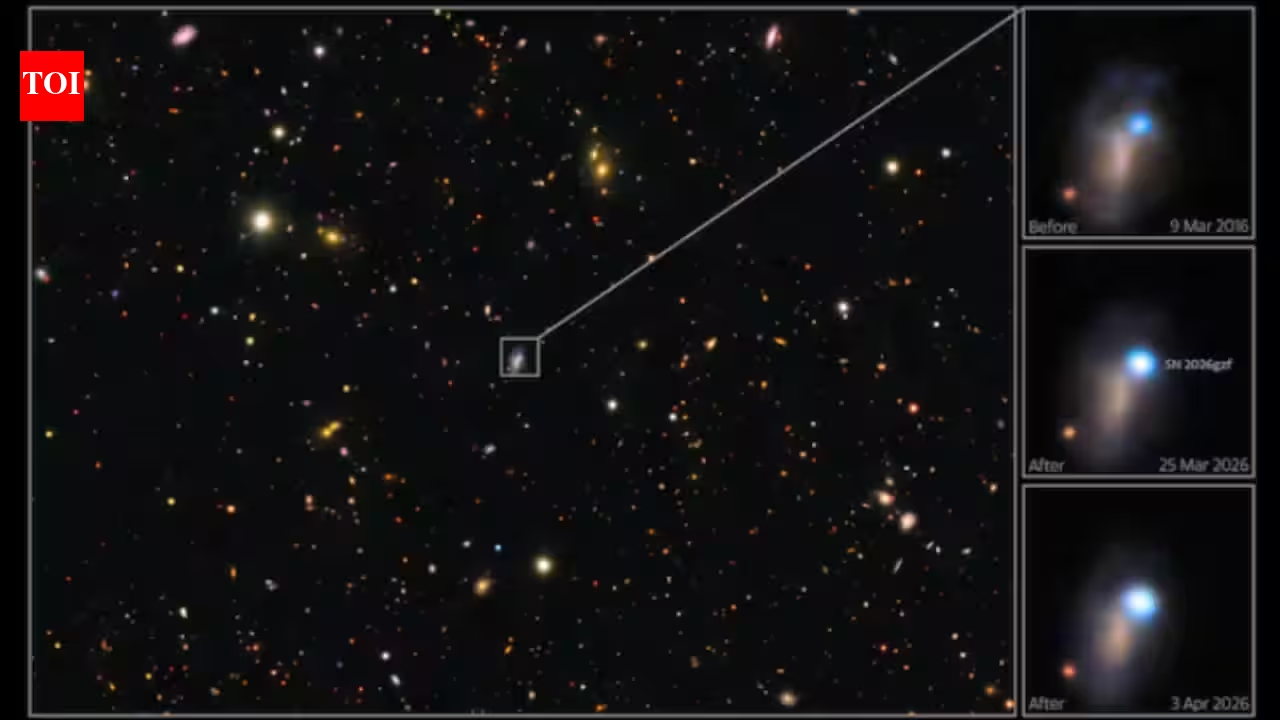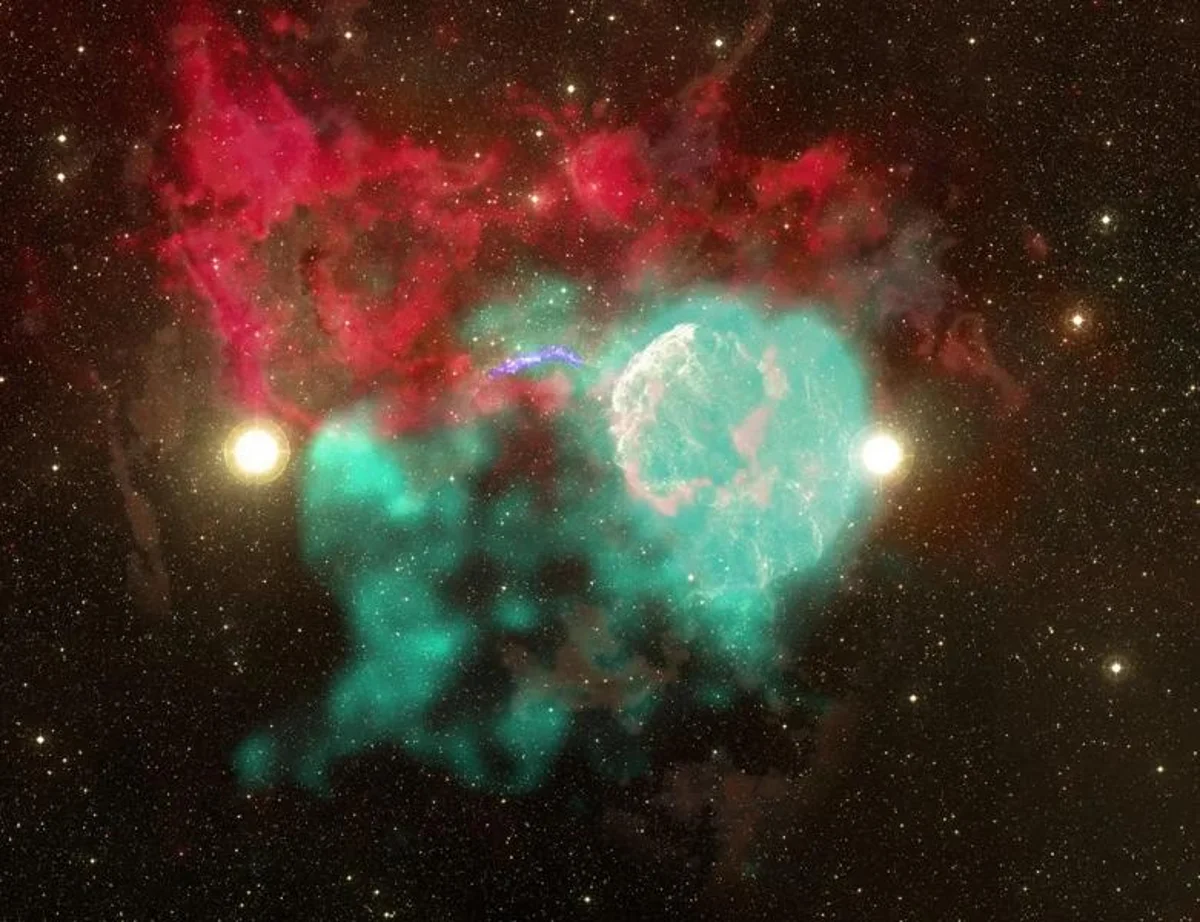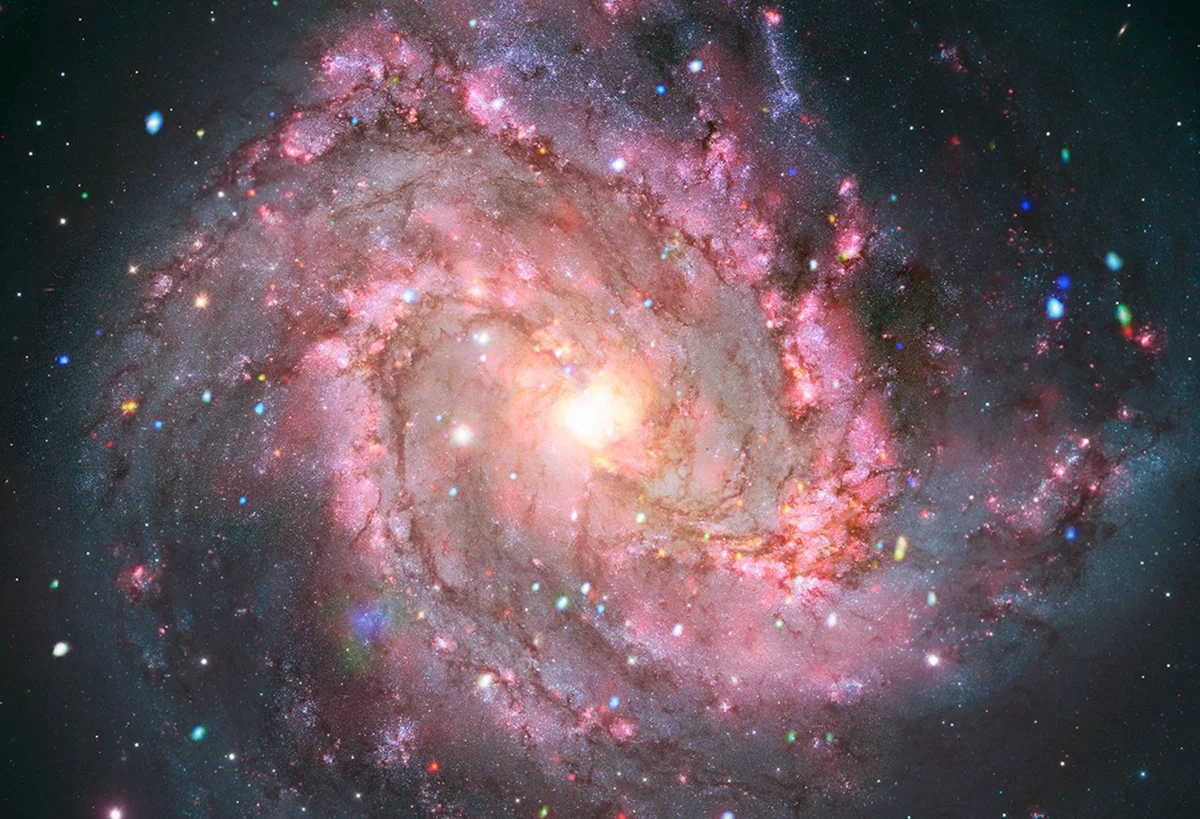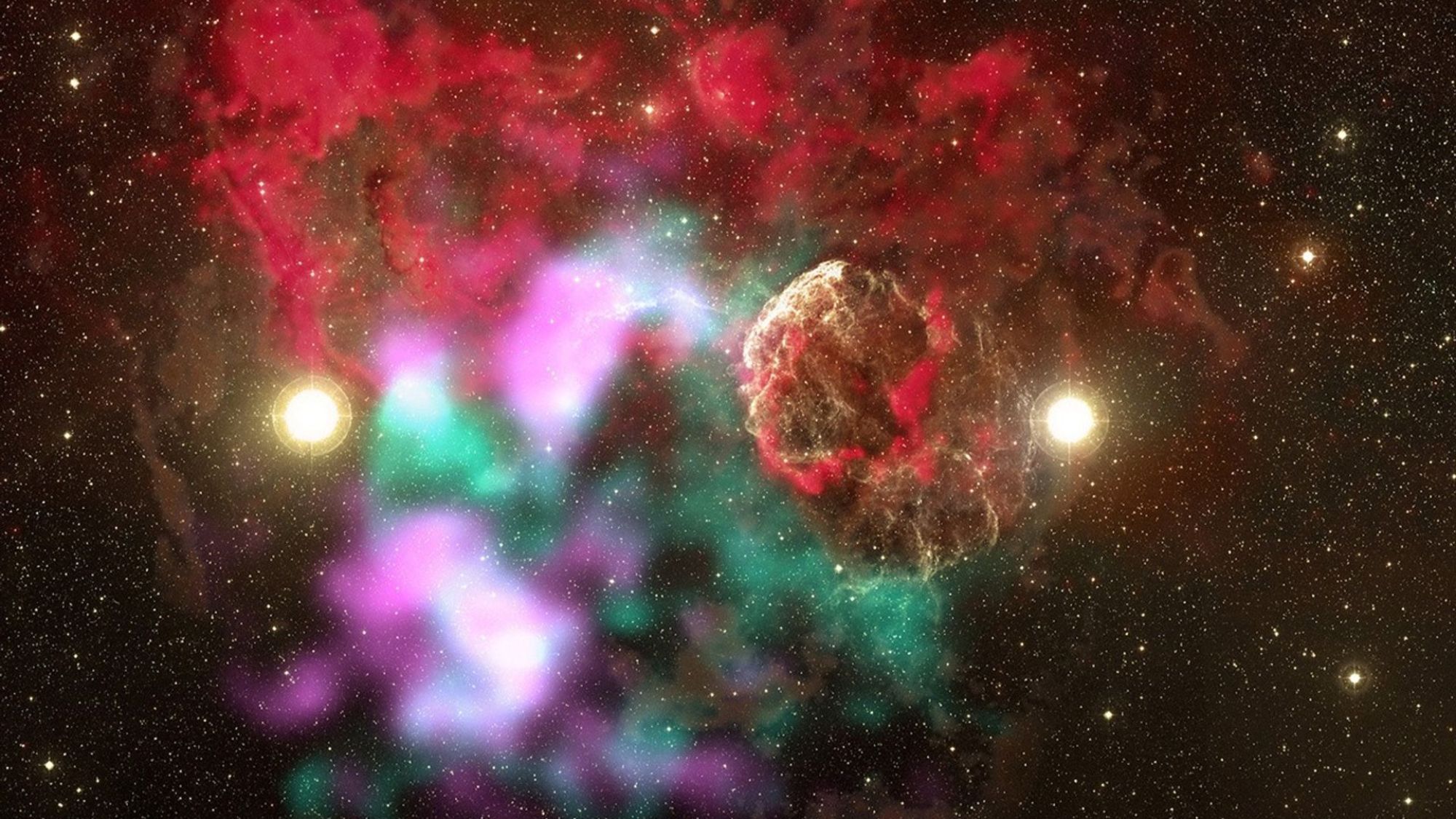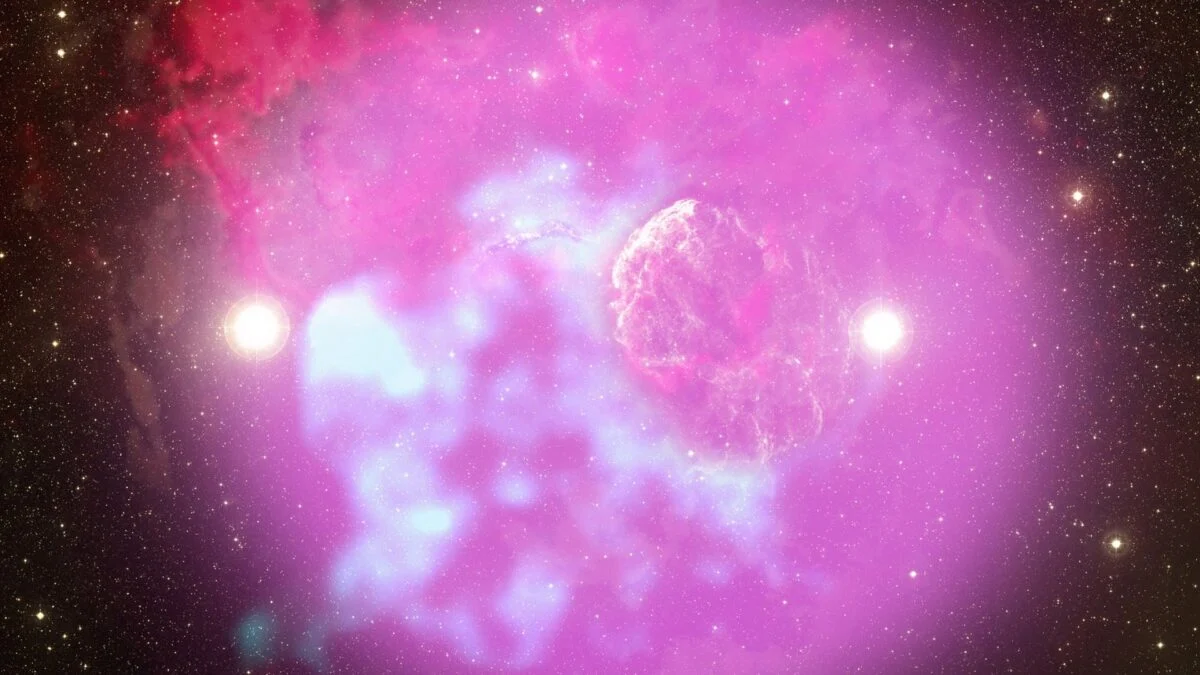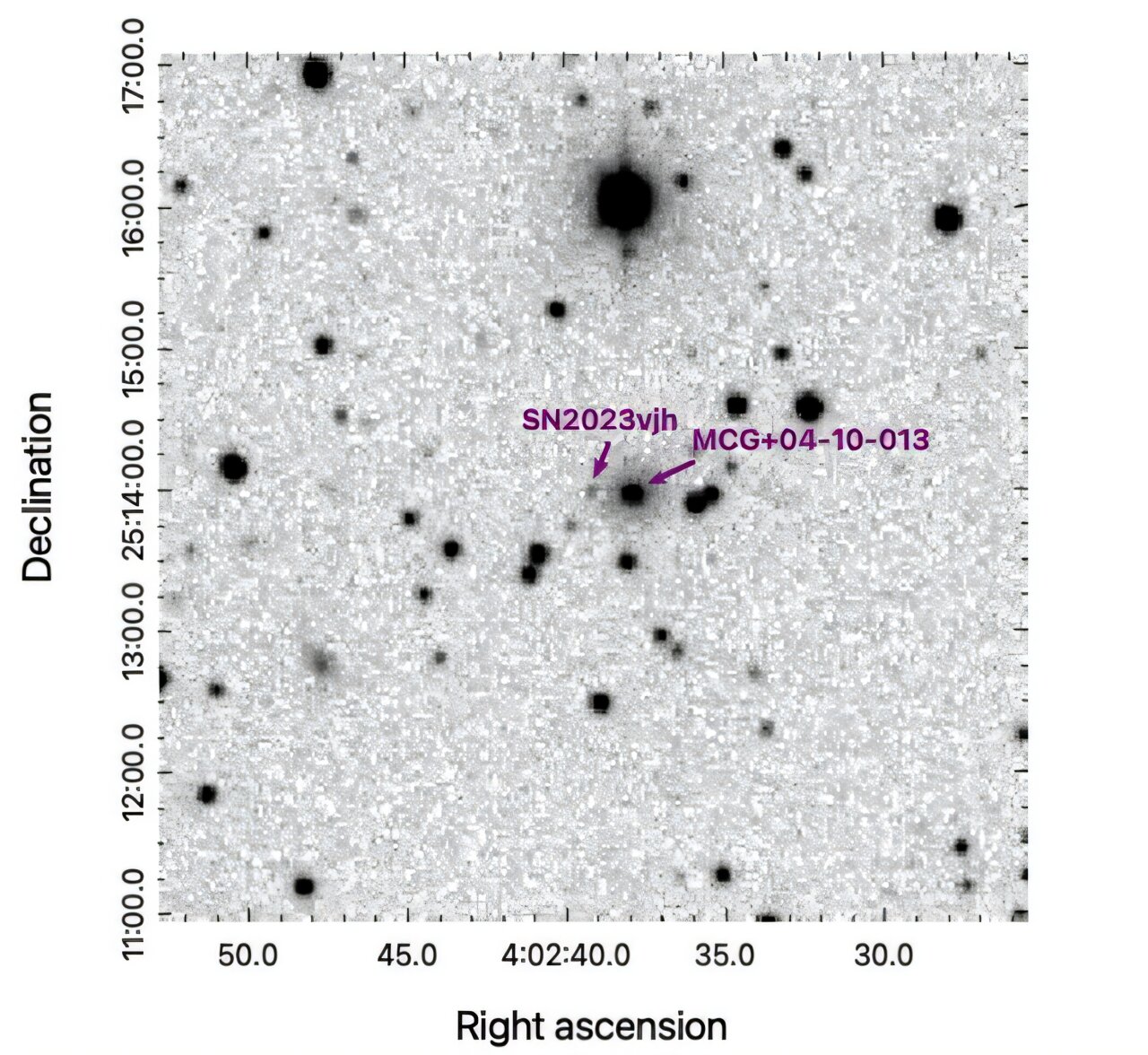
The field of the SN 2023vjh and its host galaxy MCG+04- 10-013. The image is taken from the ATLAS RC2 survey (m17 field), retrieved through the DS9 data server interface. Credit: arXiv (2026). DOI: 10.48550/arxiv.2607.08821
An international team of astronomers has performed follow-up observations of a peculiar Type Ia supernova designated SN 2023vjh. Results of the observational campaign, published July 9 on the preprint server arXiv, deliver important insights into the nature of this explosion.
Stellar explosions and their peculiar subluminous subclass
Supernovae (SNe) are powerful, luminous stellar explosions. They are important to the scientific community because they offer essential clues about the evolution of stars and galaxies. In general, SNe are divided into two groups based on their atomic spectra: Type I (no hydrogen in their spectra) and Type II (showcasing hydrogen spectral lines).
Type Ia supernovae (SN Ia) are found in binary systems in which one of the stars is a white dwarf. Stellar explosions of this type also offer essential clues about the evolution of stars and galaxies.