A research team from Huntsman Cancer Institute at the University of Utah (the U) reports that a pathway-targeted therapy could be an effective treatment for certain melanoma patients and fill an unmet clinical need for patients with advanced disease.
Martin McMahon, Ph.D., senior director of preclinical translation at Huntsman Cancer Institute and professor of dermatology at the U, evaluated the investigational drug daraxonrasib in NRAS-driven melanoma. NRAS-driven melanoma is an aggressive type of skin cancer caused by mutations in the NRAS gene. Daraxonrasib, developed by Revolution Medicines, targets and inhibits RAS, a protein that drives cancer when altered. NRAS is a subtype of RAS that is mutated in roughly a quarter of melanoma cases.
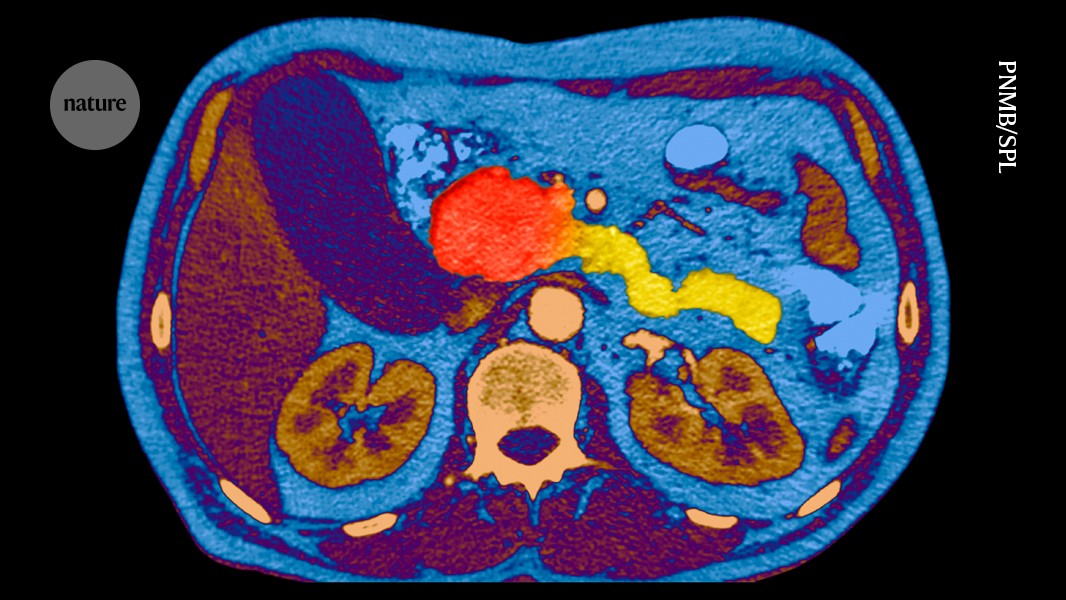
In a phase 3 clinical trial, daraxonrasib as a treatment for metastatic pancreatic cancer doubled patients' life expectancy.
"The remarkable success of daraxonrasib in the treatment of pancreatic cancer indicates that we are in an era where even the most recalcitrant RAS-driven cancers can be treated," McMahon says. "Our data strongly support the potential future clinical utility of treating patients with NRAS-driven melanoma with daraxonrasib."
McMahon and his team evaluated the effectiveness of the RAS inhibitor in numerous preclinical models, including melanoma samples from patients. The results of the study have been published in Cancer Research.