Published Jul 22, 2026, 2:36 PM EDT
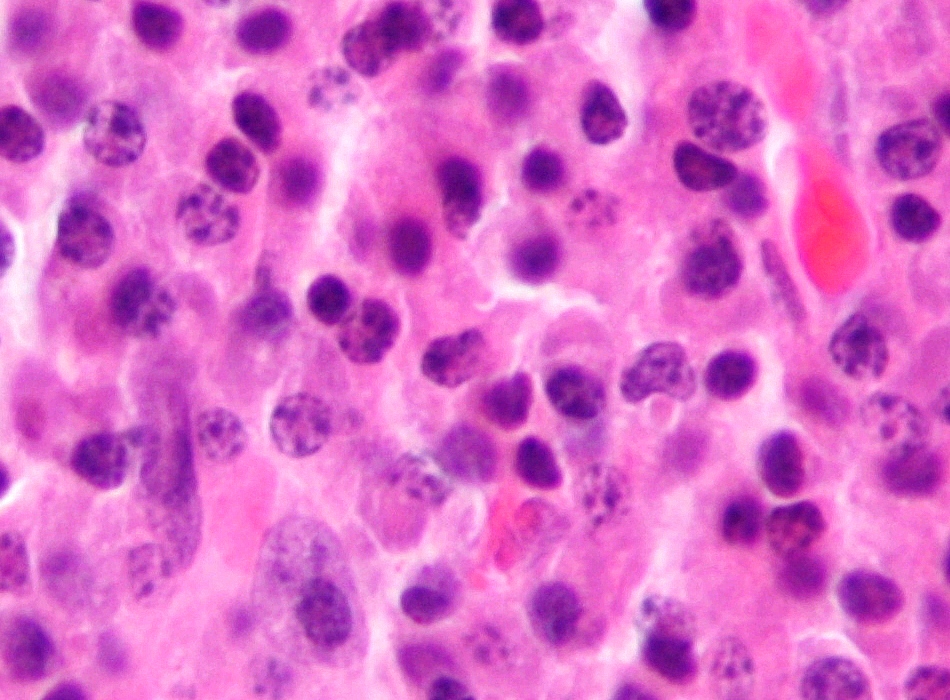
A VA team in Wisconsin, found that silencing a specific protein dramatically slows melanoma cell growth.
Follow
Published Jul 22, 2026, 2:36 PM EDT
A VA research team in Madison, Wisconsin, has identified a protein that plays a central role in driving melanoma growth, finding that genetically silencing it dramatically slows how quickly the cancer spreads and survives. The findings, published in the journal Cancers in February 2026, open a potentially new treatment pathway for one of the most aggressive and treatment-resistant forms of skin cancer — and one that carries specific relevance for veterans. Melanoma is a presumptive condition under the PACT Act for veterans with qualifying toxic exposure during military service. That means the VA assumes the cancer is connected to service, which simplifies the disability claims process — but it does not change the fact that melanoma is difficult to treat, particularly when the cancer has spread or developed resistance to current therapies. Better treatment options directly serve the veteran population carrying this diagnosis.