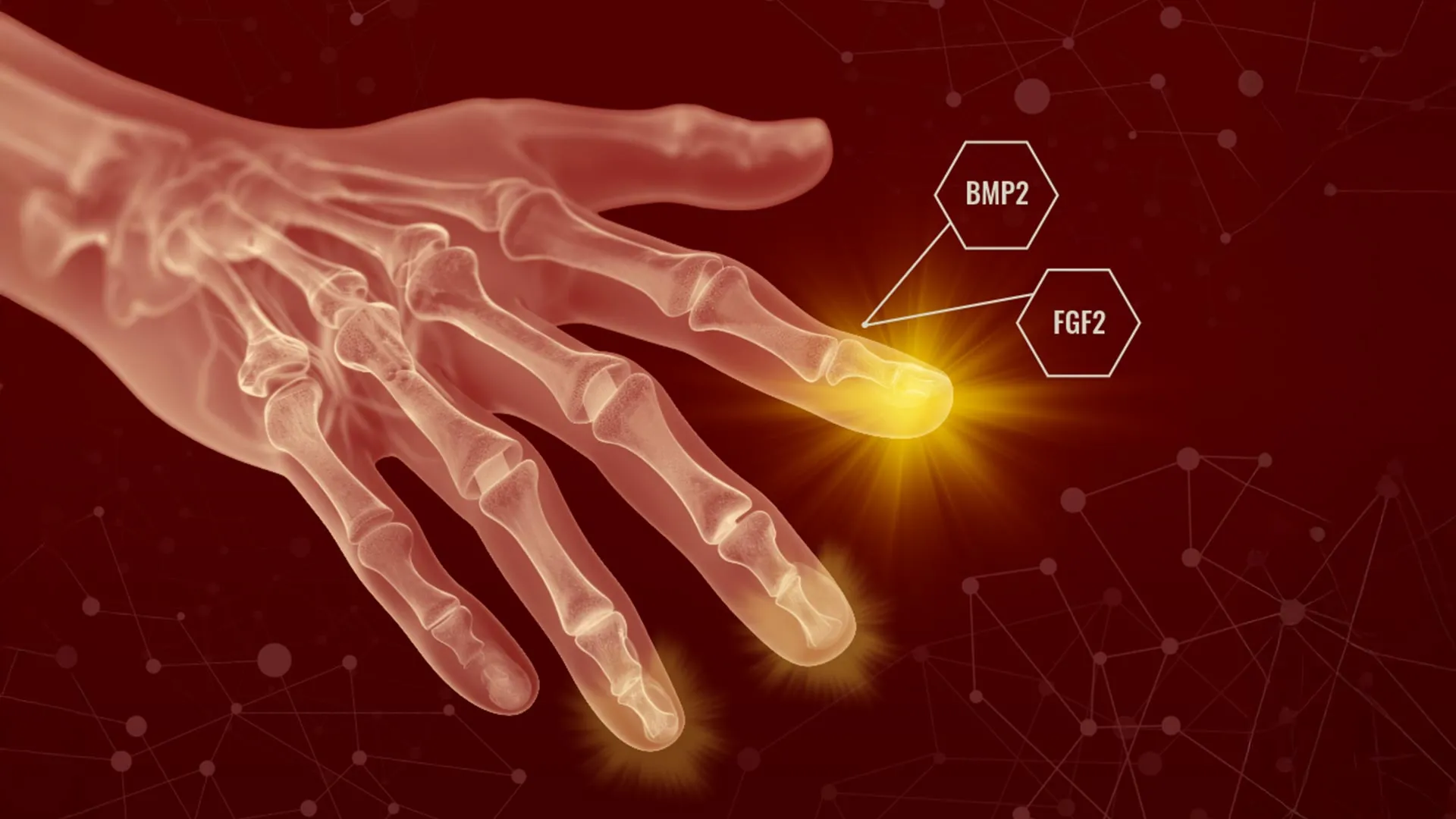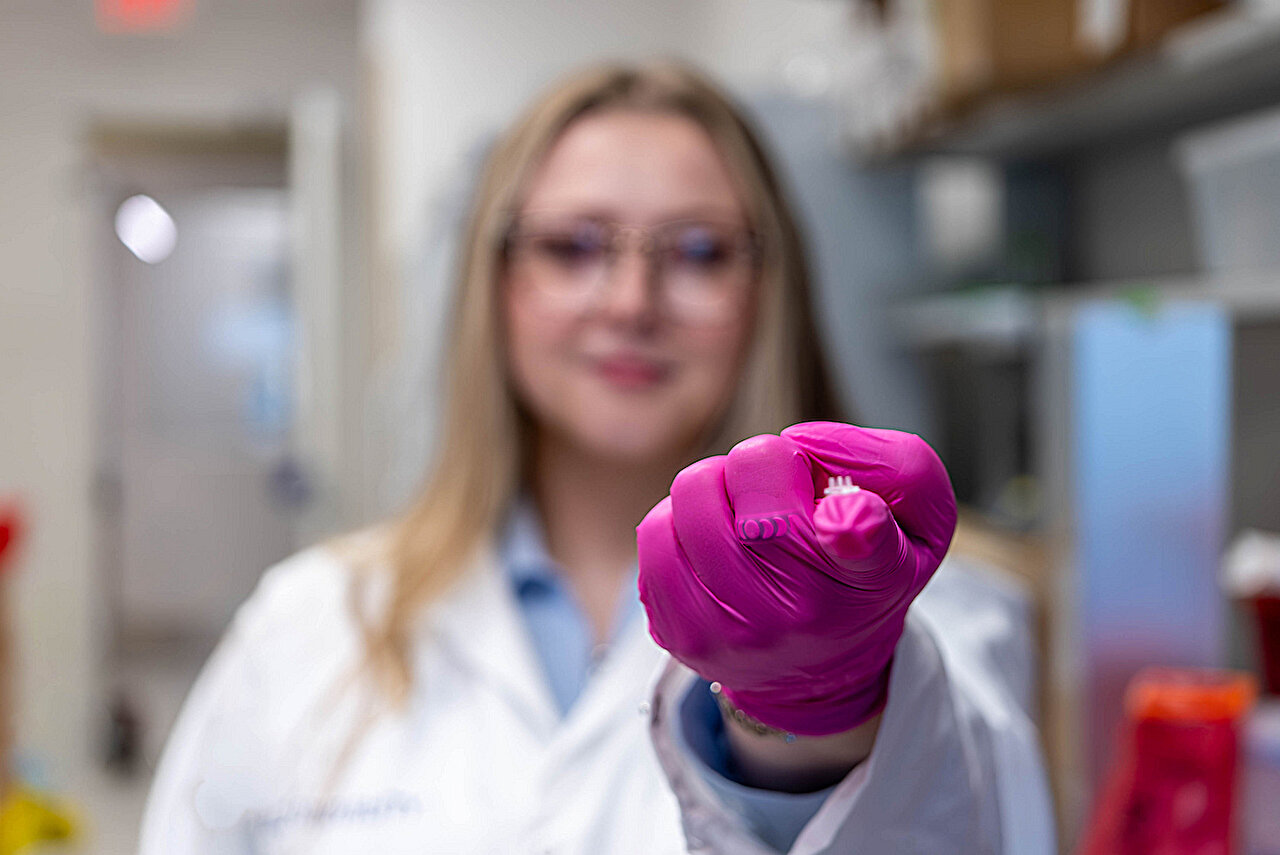
For decades, medicine has chased a simple but elusive goal of delivering the right drug to the right place at the right time. New research from the University of Oregon suggests that when it comes to healing from injury, the timing of regenerative cues might be even more important than previously realized.
The findings suggest a possible explanation for why some regenerative therapies underperform in the clinic despite success in the lab: They may be delivering the right regenerative cues in the wrong order. The research also demonstrates a way to precisely control the rate at which regenerative cues are released. That could someday help doctors better treat complex injuries that require multiple treatments delivered in a specific order to mimic the body's natural healing process.
In two studies published recently in Biomacromolecules and the Journal of Controlled Release, scientists at the Phil and Penny Knight Campus for Accelerating Scientific Impact showed that releasing specialized tissue repair signals in a staggered sequence led to better blood vessel regeneration than releasing them all at once.
"Through a staggered release, we've actually learned more about the order in which these signals act during the regeneration process and how that timing contributes to better healing," said Marian Hettiaratchi, Lary Simpson Professor and associate professor in the department of bioengineering. "This might help explain why some promising therapies haven't lived up to their potential in patients. For future patients, getting the timing right could be just as important as getting the biological signals right."