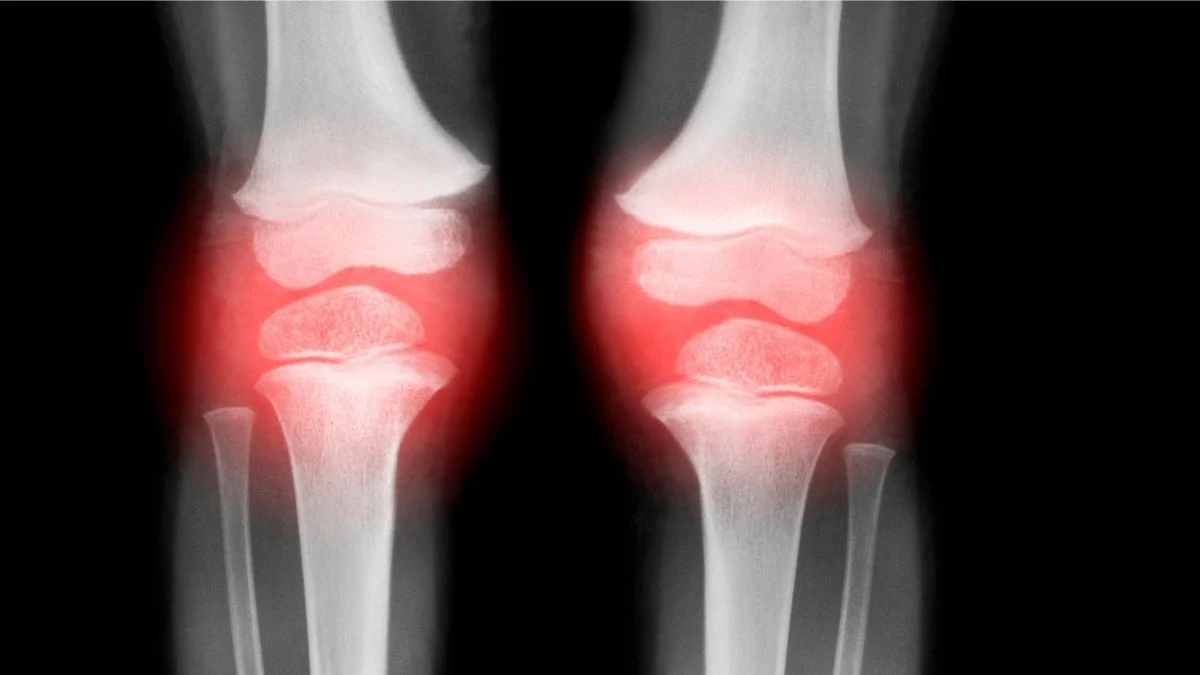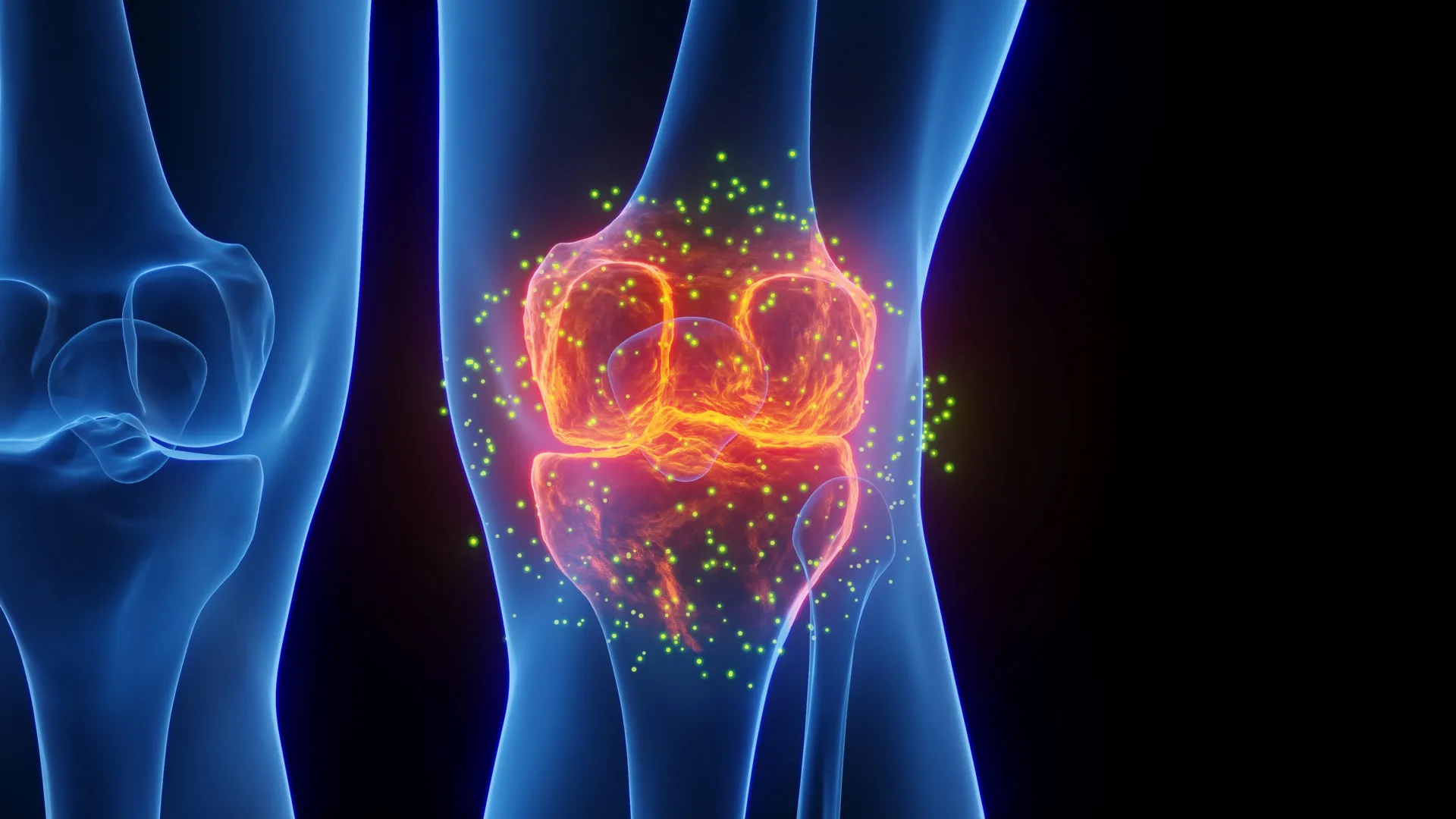
Researchers from the University of Colorado Boulder, CU Anschutz, and Colorado State University have developed a set of experimental treatments that may help aging and damaged joints repair themselves in a matter of weeks. The therapies have shown promising results in animal studies, where they reversed signs of osteoarthritis and restored joint health.
The new approaches include a regenerative injection designed to be administered directly into a joint, as well as a biomaterial-based repair system that encourages the body's own cells to rebuild damaged cartilage.
The work recently received a major boost from the federal Advanced Research Projects Agency for Health (ARPA-H), which announced that the team will move forward to the next stage of a project worth up to $33.5 million. The research is part of the ARPA-H Novel Innovations for Tissue Regeneration in Osteoarthritis (NITRO) program, led by ARPA-H Program Manager Dr. Ross Uhrich.
"In two years, we were able to go from a moonshot idea to developing these therapies to demonstrating that they reverse osteoarthritis in animals," said principal investigator Stephanie Bryant, professor of chemical and biological engineering at CU Boulder. "Our goal is not just to treat pain and halt progression, but to end this disease."