Story audio is generated using AI
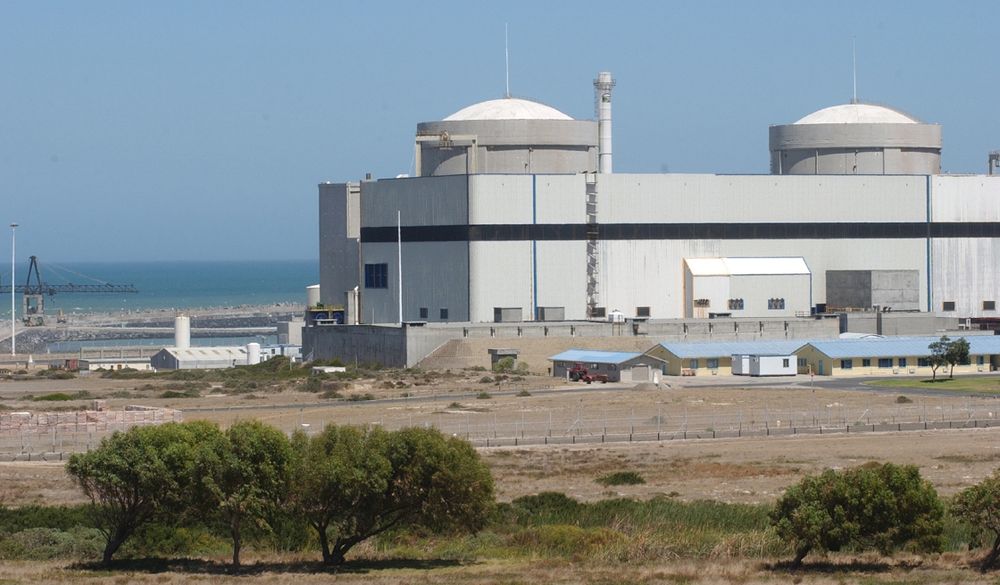
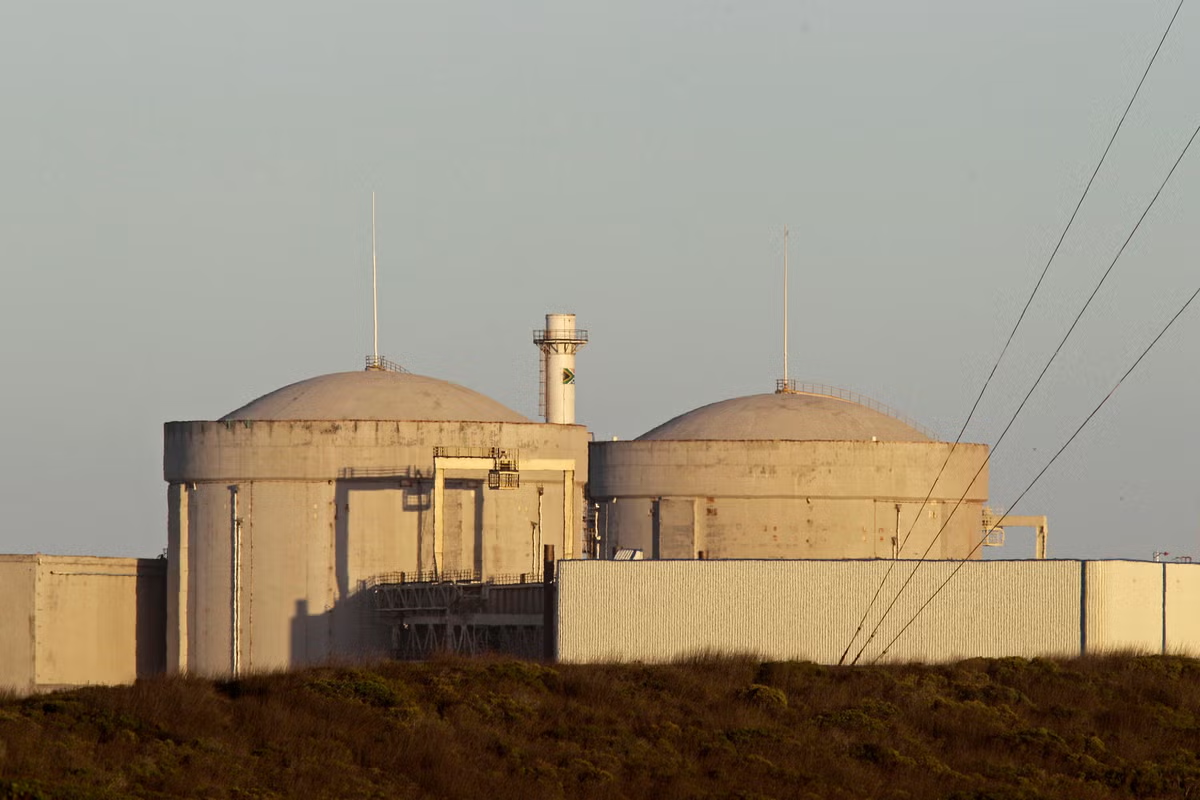
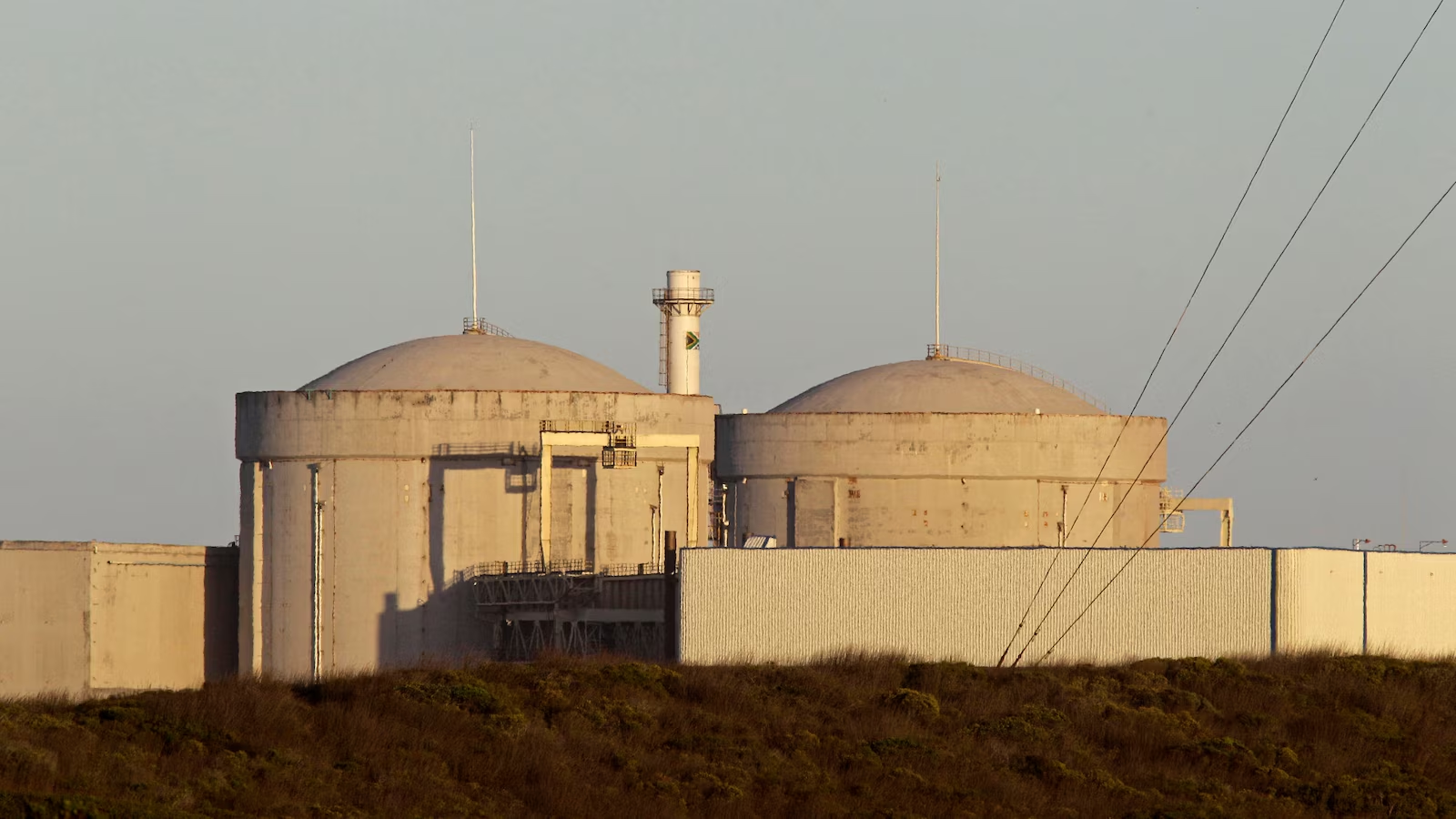
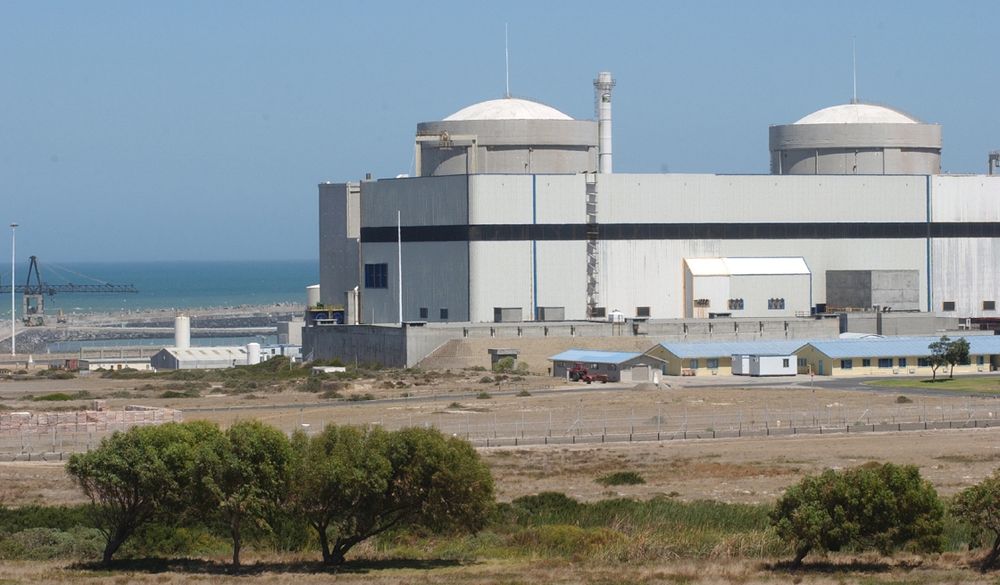
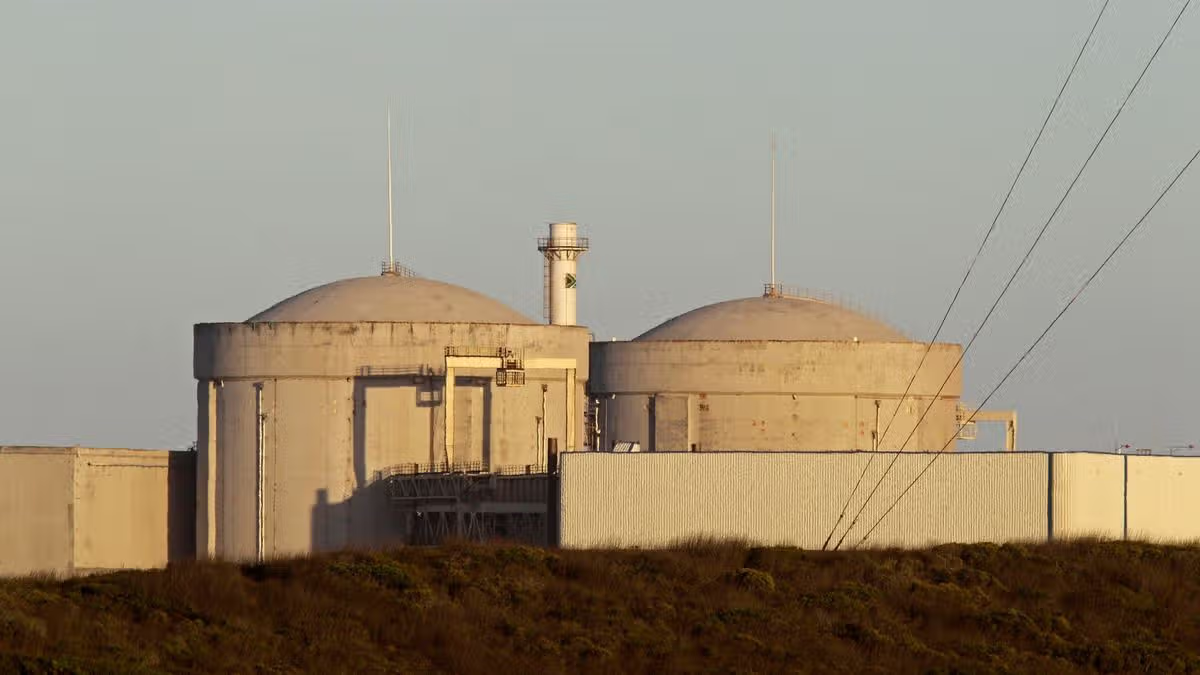
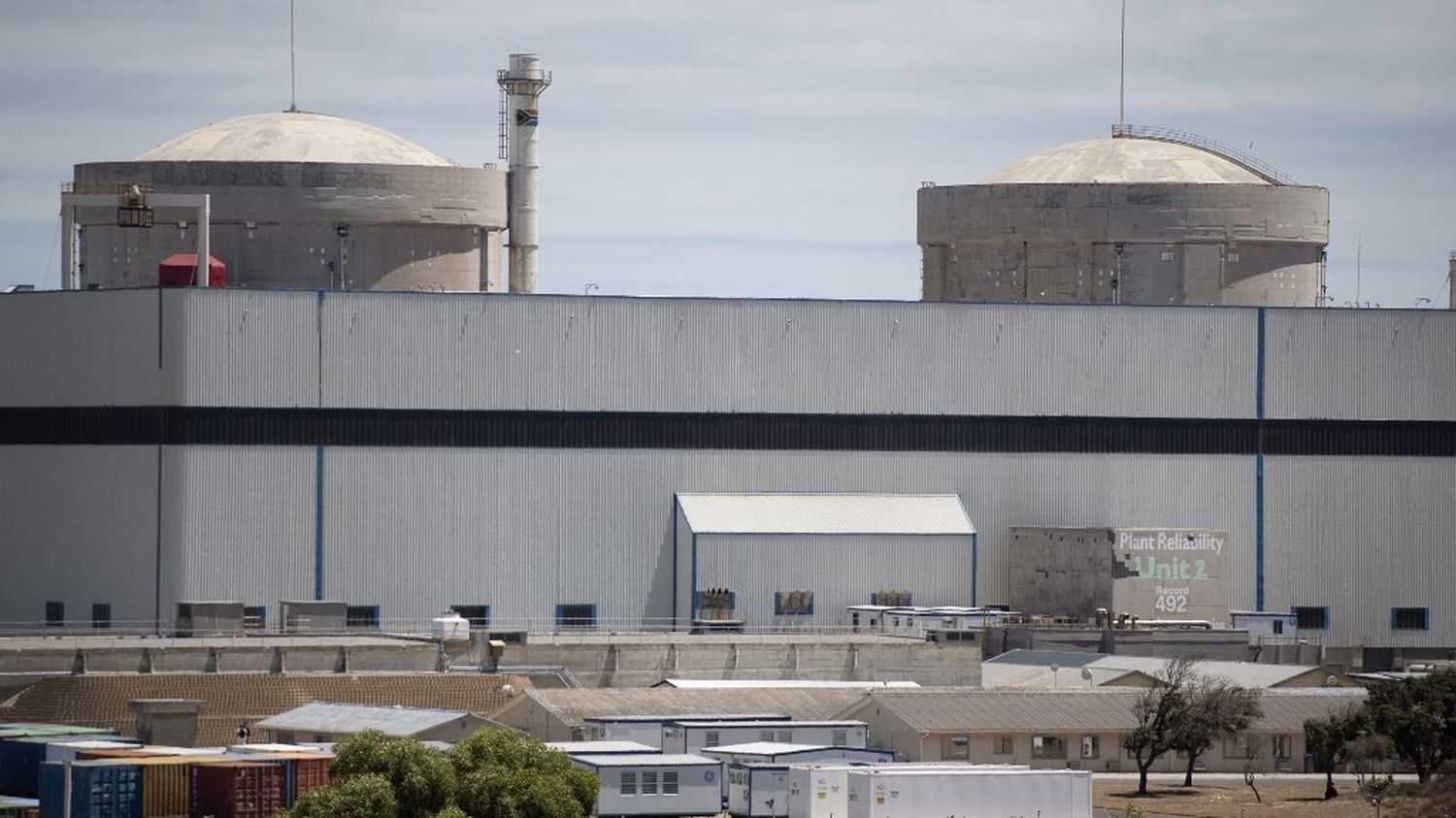
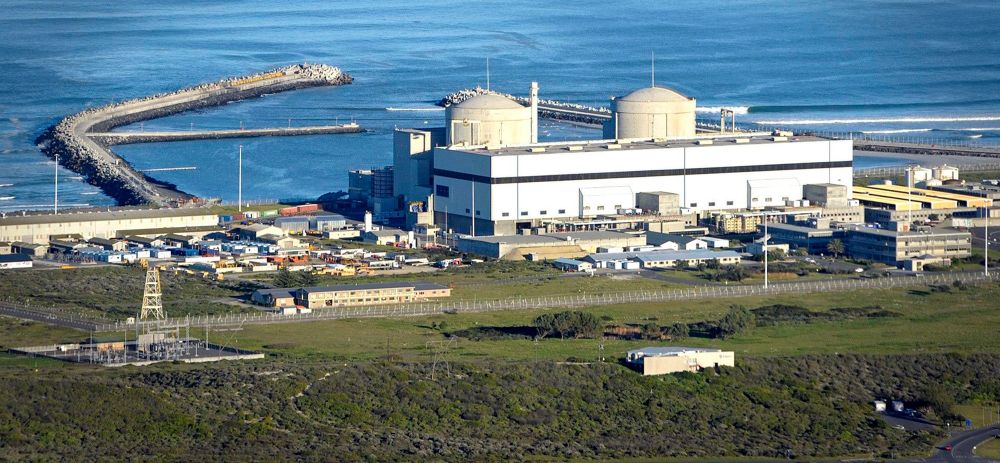
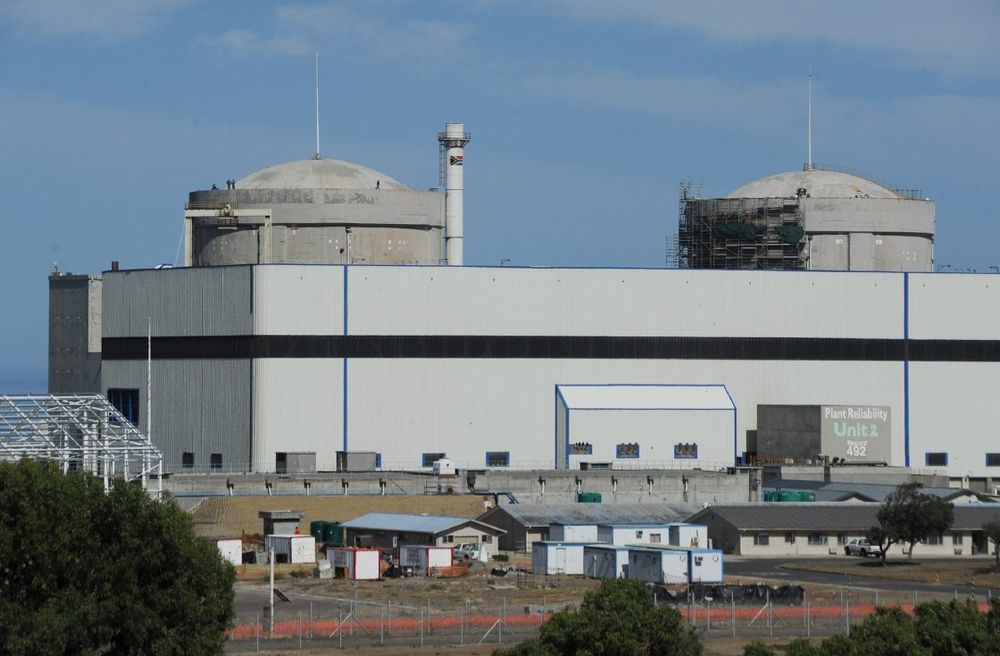
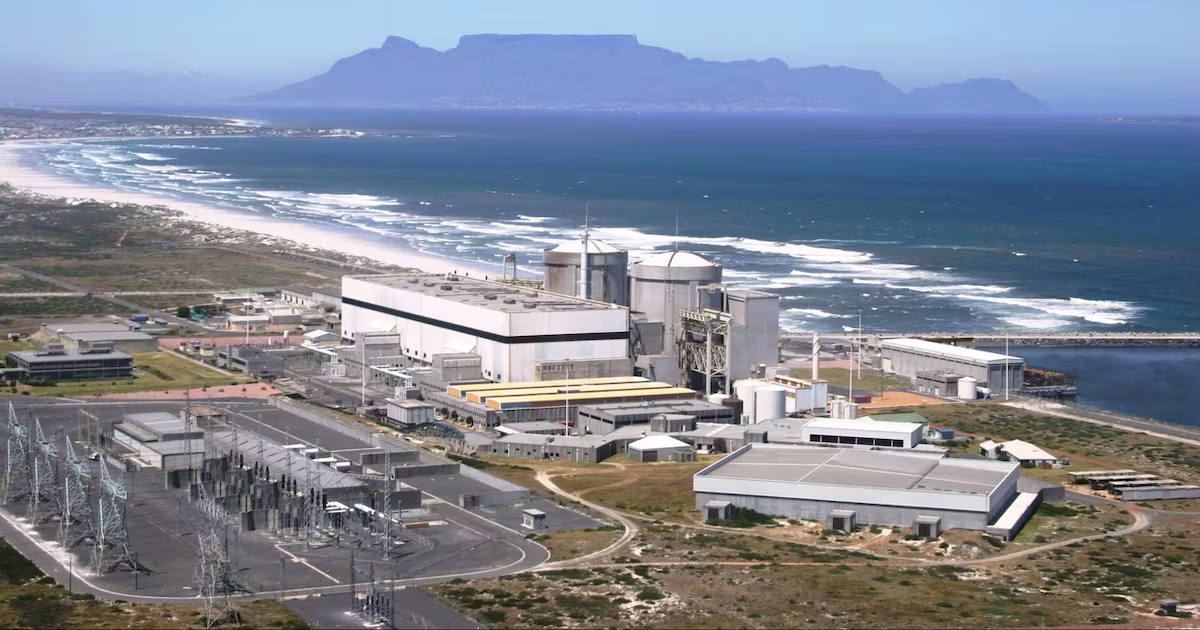
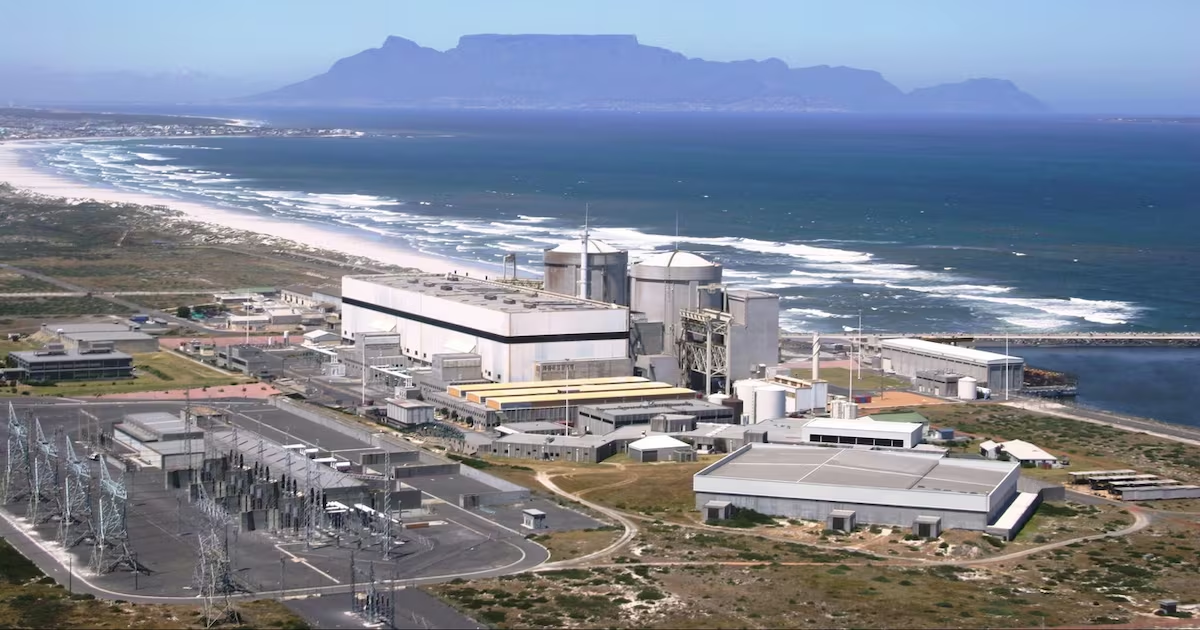
South Africans have been assured there is no danger to the public after a series of minor radioactive contamination incidents at the Koeberg nuclear power station.Electricity and energy minister Kgosientsho Ramokgopa and Eskom said the events were expected operational occurrences that were safely contained and never posed a nuclear accident risk. Ramokgopa, Eskom executives and nuclear safety officials briefed the media on Sunday about recent incidents that occurred during scheduled steam generator eddy current inspections at Koeberg’s unit 2, which is currently undergoing a planned outage. The briefing follows confirmation by the National Nuclear Regulator (NNR) that three radioactive contamination incidents occurred at the plant over the past two weeks. The regulator stressed, however, that no radioactive material was released into the environment. Koeberg, about 40km north of Cape Town, is Africa’s only nuclear power station. Operated by Eskom, its two reactors generate 1,854MW of electricity or about 5% of South Africa’s power supply. In November 2025, the NNR approved a 20-year operating licence extension, allowing the plant to operate until November 2045. Addressing concerns about reports of radioactive contamination, Eskom’s chief nuclear officer Velaphi Ntuli said Koeberg continues to operate according to international nuclear safety standards. “During normal operations, the containment building is completely sealed, and workers are not allowed [in] unless it’s under special permission from the power station GM, but during outages, we open containment for work activities to continue,” Ntuli said. The containment building was intentionally kept under negative pressure to prevent any uncontrolled release of radioactive material. “During outages there is no fuel in containment, and therefore there is no potential for a nuclear accident, and we cannot release radioactive iodine to the public, which will require us to issue potassium iodide tablets,” he said. During normal operations, the containment building is completely sealed, and workers are not allowed [in] unless it’s under special permission from the power station GM, but during outages, we open containment for work activities to continue— Velaphi Ntuli Workers pass through more than six radiation monitoring instruments before leaving the station to ensure they are free of contamination. The incidents occurred during routine eddy current testing of steam generators, an inspection process conducted after the replacement of Koeberg’s steam generators and its first operating cycle following the life extension project. “Eddy current testing is a magnetic probe that we put through the tubes of each steam generator, making sure that the wall thickness of that tube is appropriate to prevent release of radioactivity within our systems at Koeberg.” He said the testing process is known throughout the nuclear industry to generate small amounts of localised airborne radioactive particles. To manage the risk, Eskom erected sealed tents around the work area and installed portable ventilation units to continuously filter the air while additional radiation monitors and protective measures were also implemented. “Our protocol also says that in an event of an alarm, we will stop all work, evacuate our workers, conduct radiation protection surveys and determine what the cause is,” Ntuli said. He detailed four separate operational events. The first, on June 30, involved a personal radiation dosimeter alarm worn by a worker. Investigations found no airborne contamination or radiation problem, and workers returned to work after safety surveys confirmed the area was safe. Ntuli said Eskom did not classify this as an airborne contamination event, though it formed part of information shared by the regulator. The second incident, on July 2, involved a rising radiation trend detected by monitoring equipment. Thirty-one workers were evacuated after an area monitor detected airborne radioactive particles. Investigators later traced the cause to a faulty portable ventilation unit after part of its ducting bent out of position. A third event occurred on July 7 when radiation protection staff detected airborne leakage from one of the work tents into the containment building during eddy current testing. Workers were evacuated before alarms escalated. Fourteen workers underwent whole-body radiation monitoring while seven others voluntarily requested scans. Investigators believe the incident resulted from a portable ventilation unit losing power after becoming disconnected from its power supply. A fourth occurrence on July 16 prompted Eskom to halt work after detecting increasing airborne contamination levels during testing. “There was no alarm at this point, and the area was again cleaned up,” Ntuli said. Such events were expected after major steam generator replacement work because corrosion products naturally accumulate during extensive maintenance. Despite the incidents, radiation exposure remained extremely low. Of the 31 workers directly affected during the July 2 event, 20 recorded zero microsieverts of radiation exposure, while the highest recorded exposure among the remainder was just two microsieverts. “For a radiation worker at Koeberg, what you are allowed to receive is 20,000 microsieverts per year,” said Ntuli. He noted that occupational exposure limits are similar to those in France, while the US permits annual occupational exposure of up to 50,000 microsieverts. To put the figures into perspective, Ntuli said a chest X-ray typically exposes a patient to about 100 microsieverts and a mammogram to about 400 microsieverts, while the average person receives roughly 2,400 microsieverts annually from naturally occurring background radiation. “We believe our radiation protection team acted swiftly and within procedure and professionally to deal with this issue. Our systems and safeguards worked, and where one didn’t work, like our portable ventilation unit, the backup systems detected the problem.” TimesLIVE