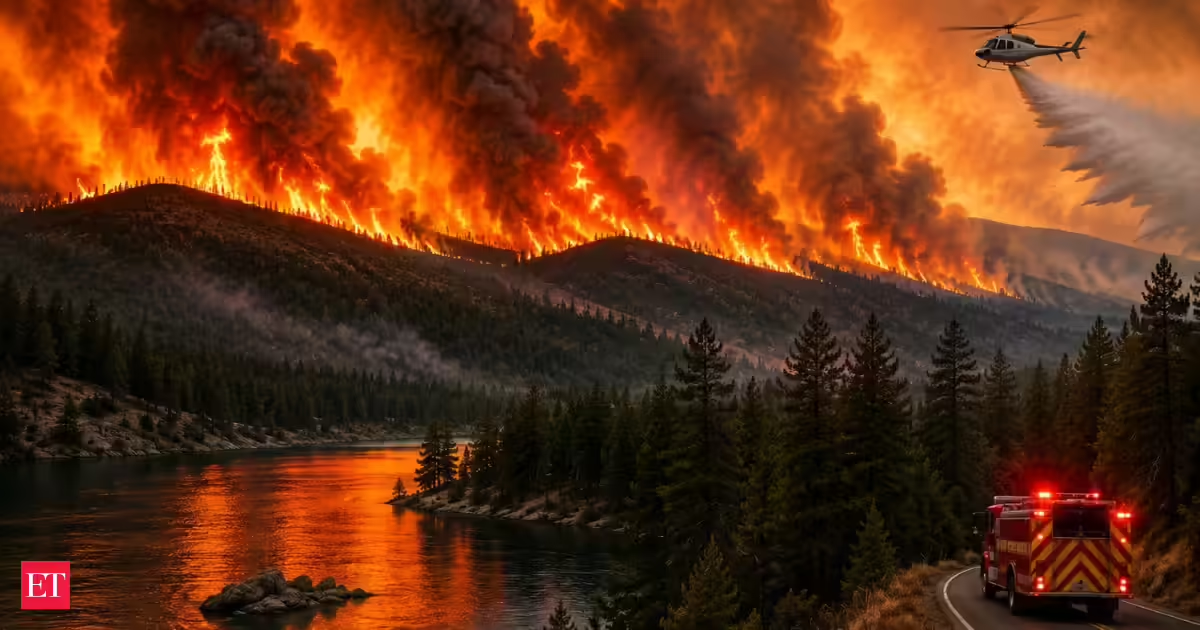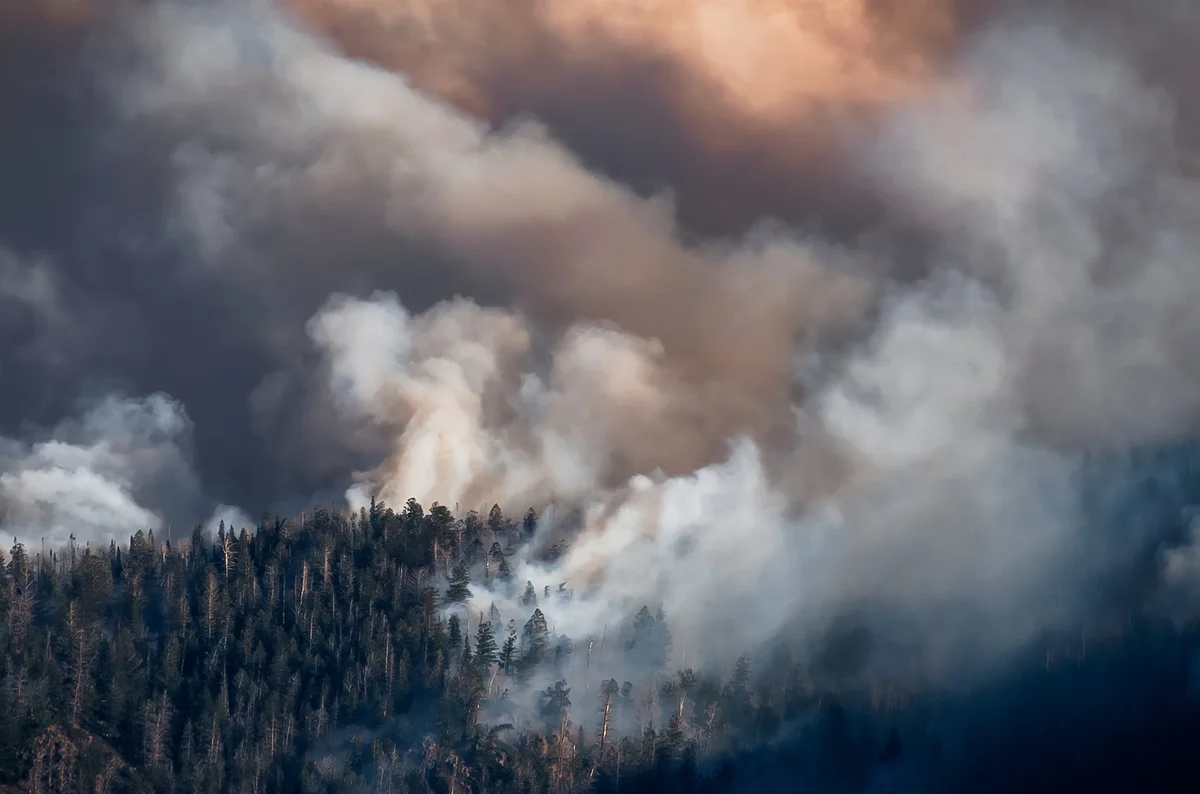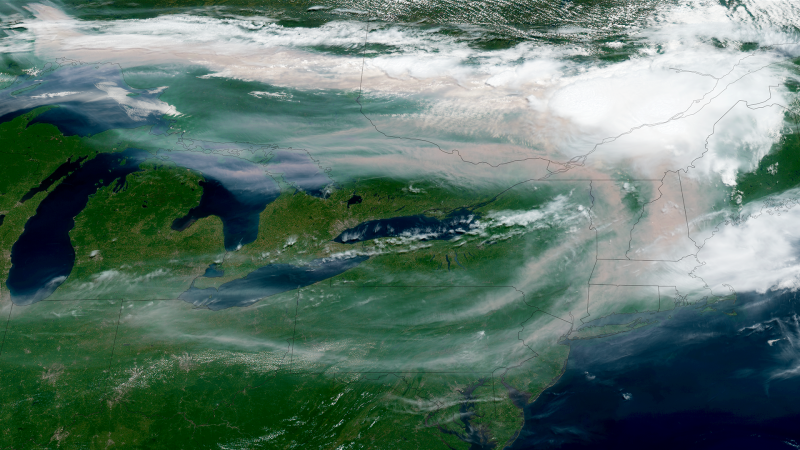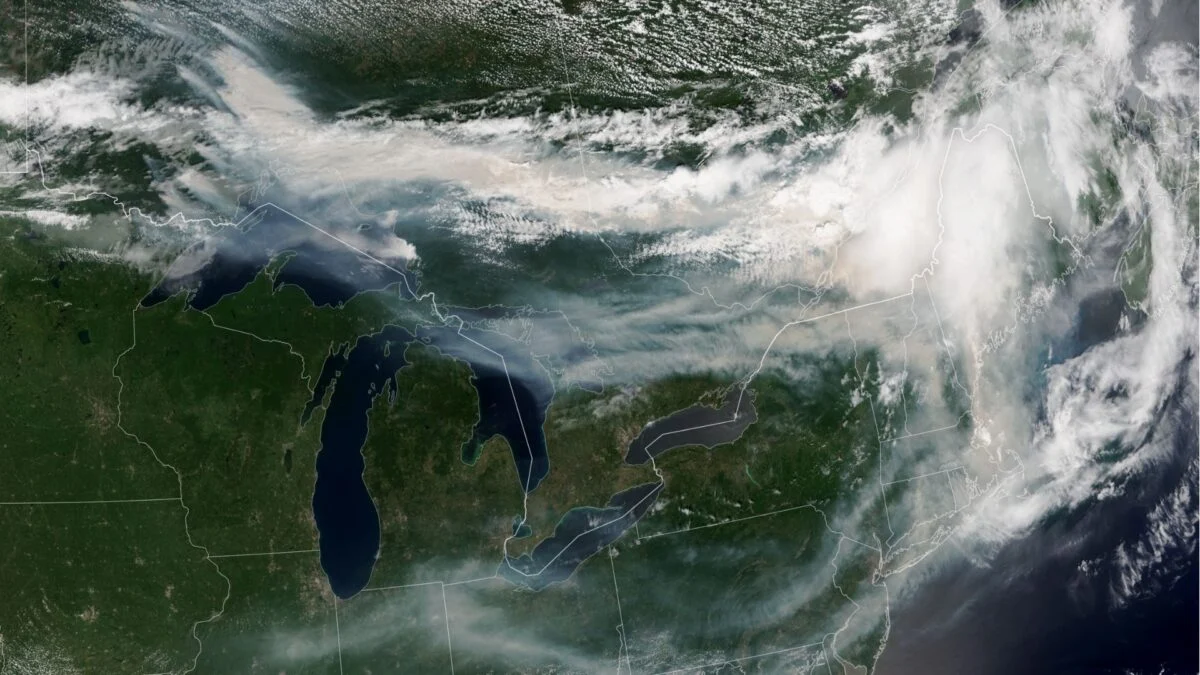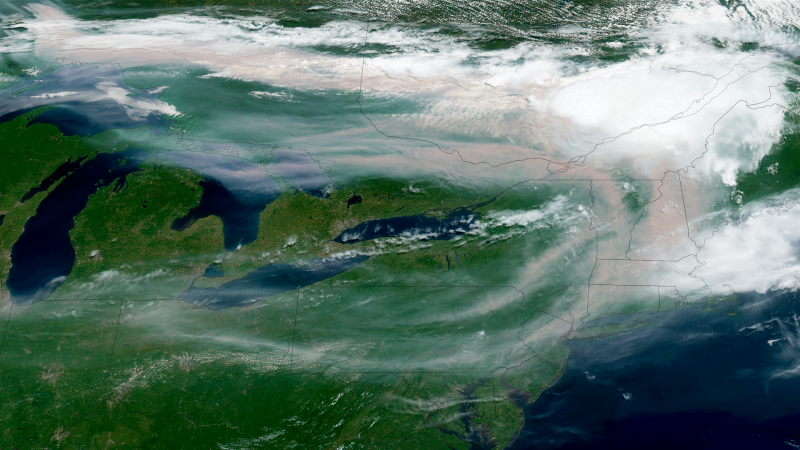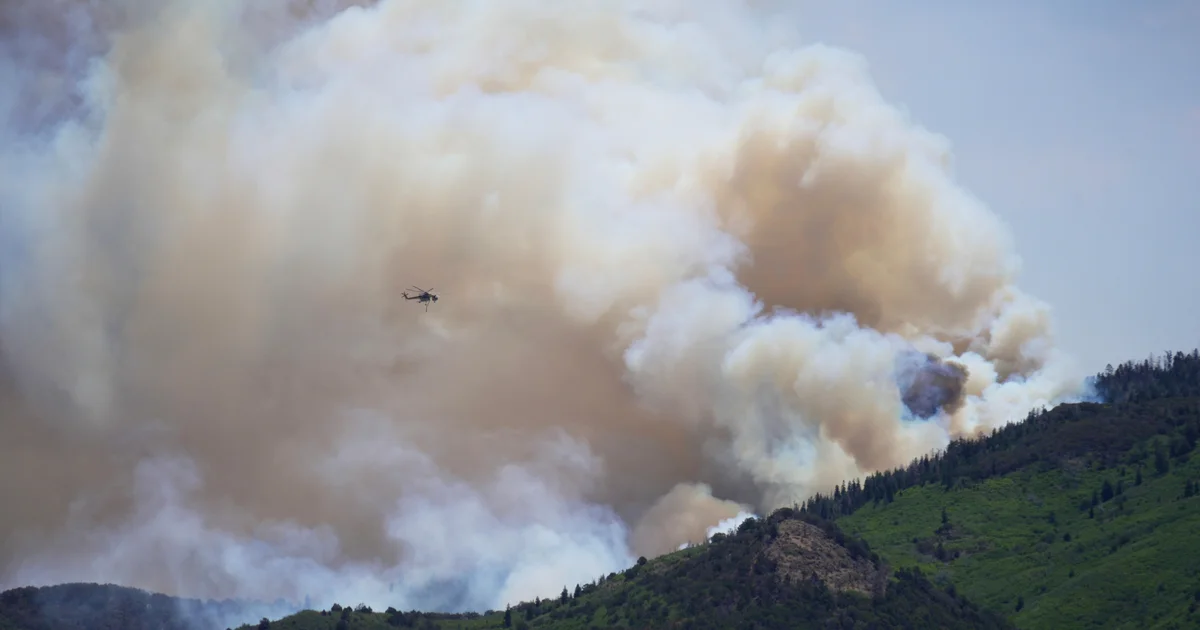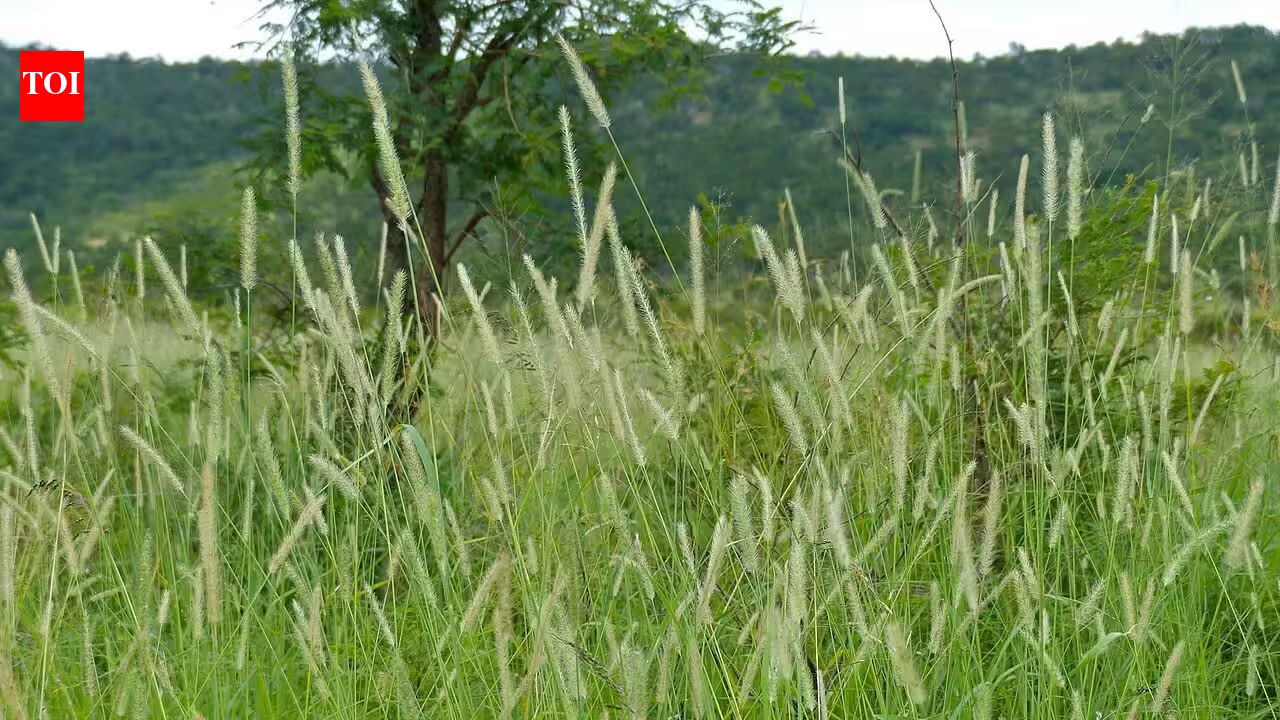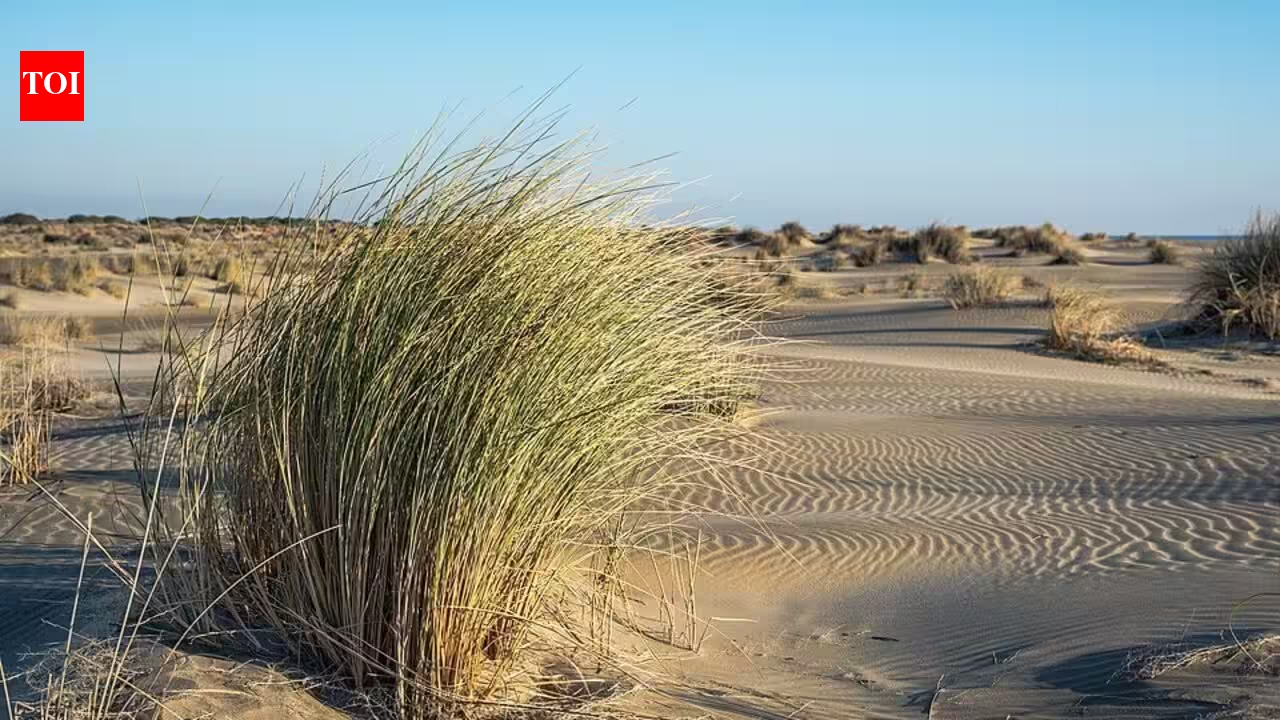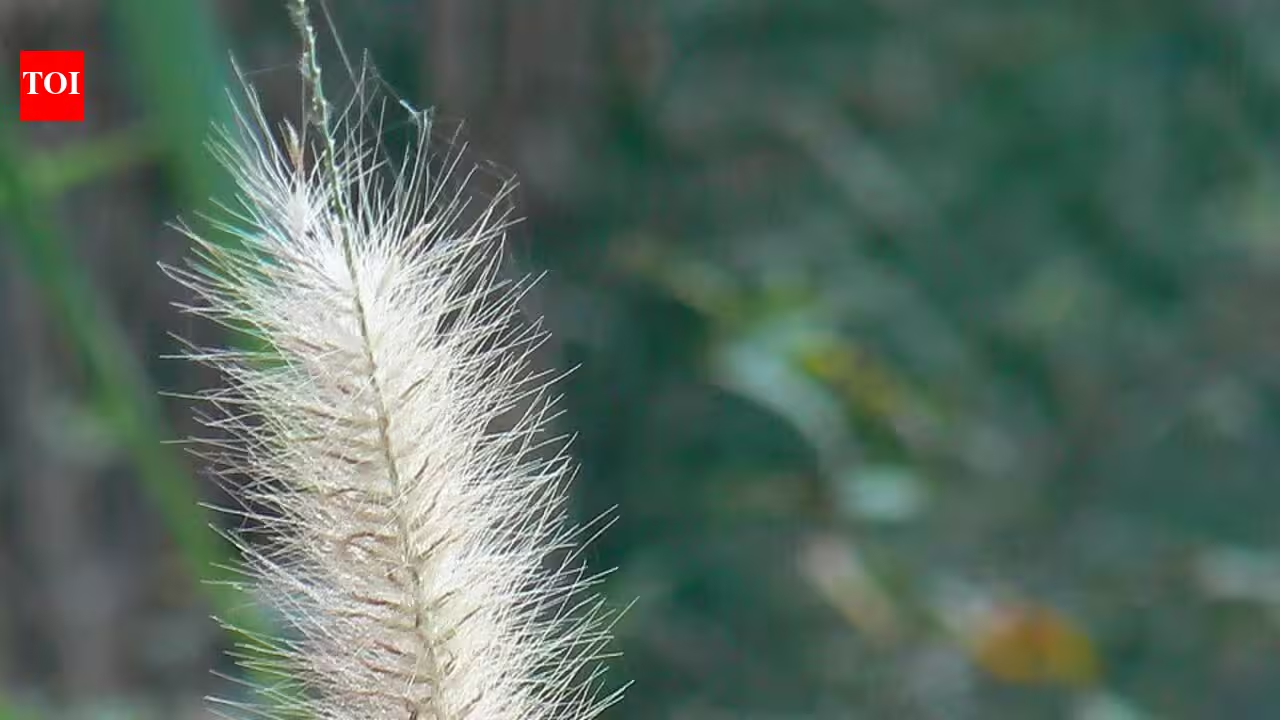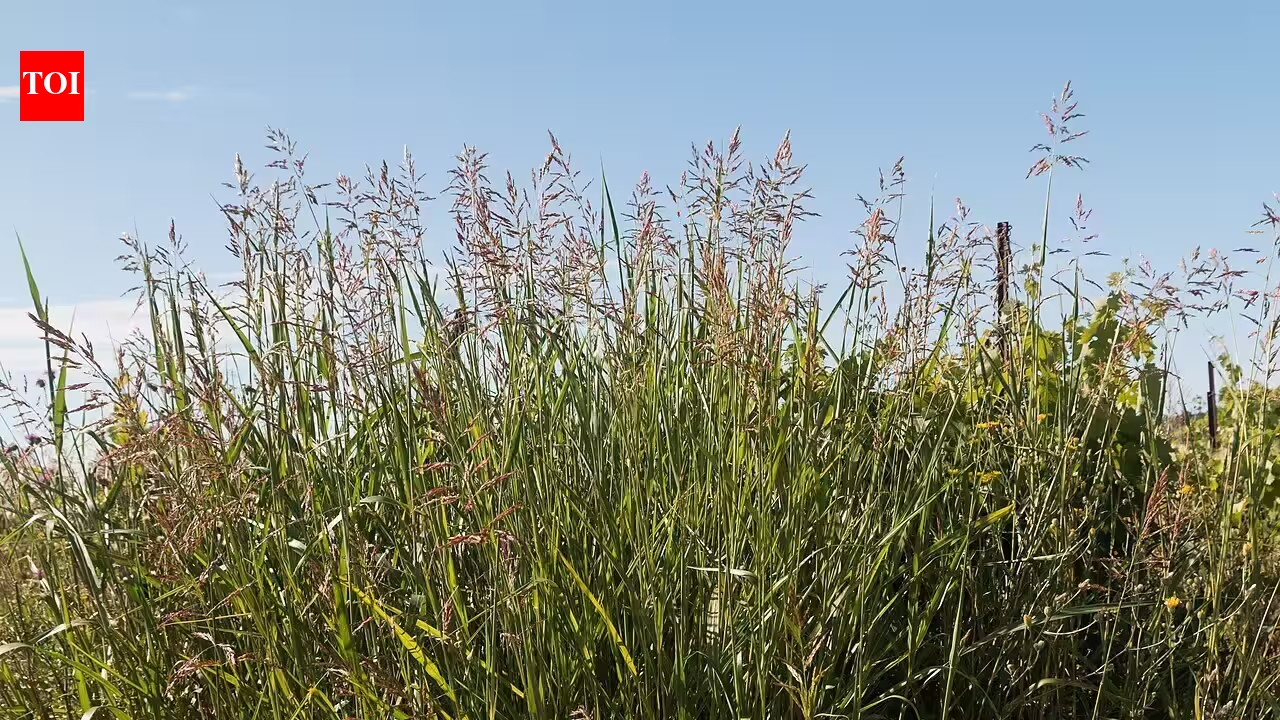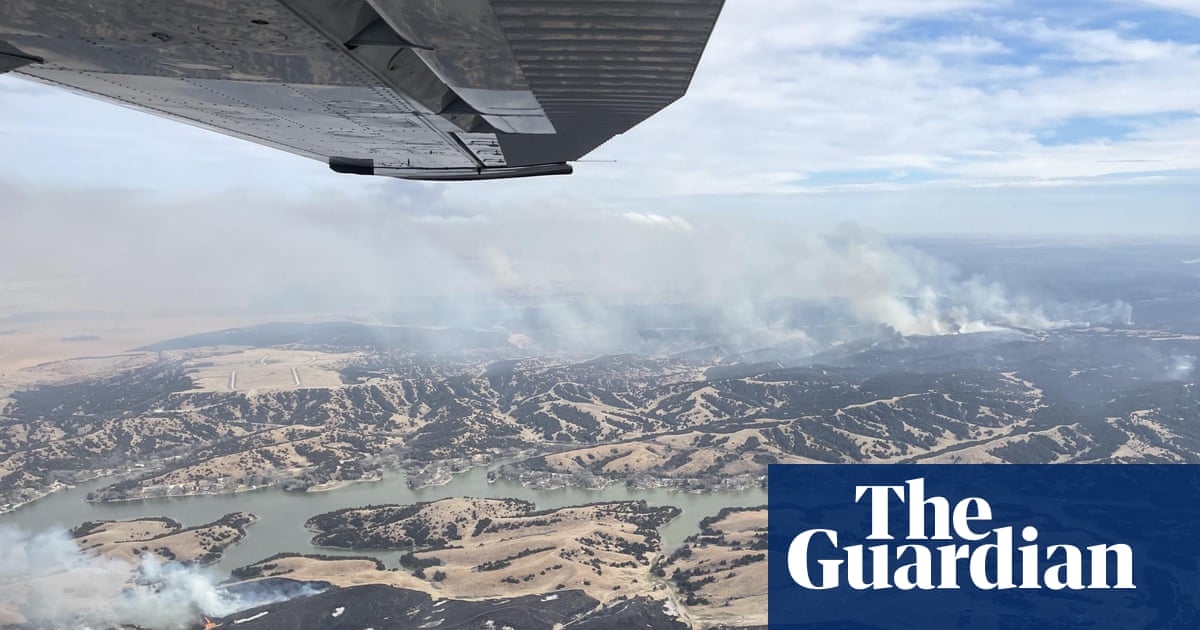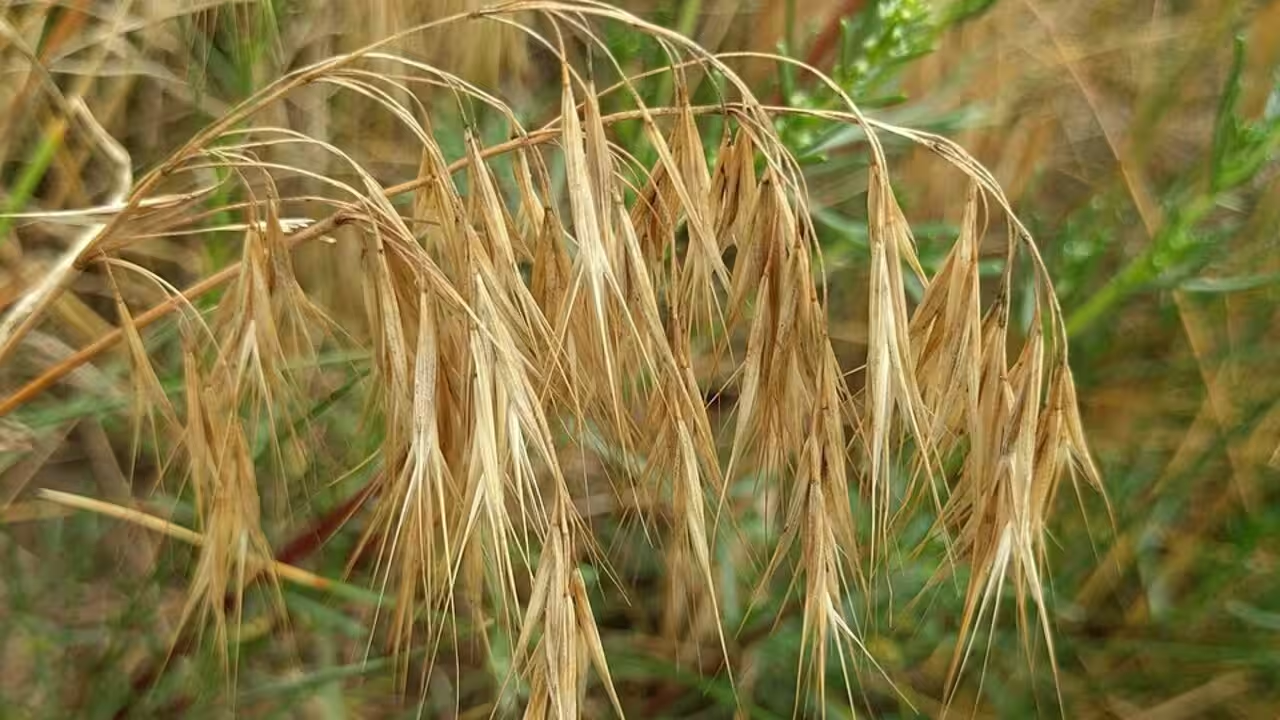
An accidental introduction of cheatgrass reshaped Western landscapes and wildfire cycles. Image Credits: Wikimedia Commons.Mixed unnoticed among sacks of grain carried by European settlers during the late 1800s, the dry, wiry seeds crossed the Atlantic and took root across North America. Few could have predicted that this grass would spread across millions of acres, outcompete native plants, and alter how the American West burns.Today, cheatgrass (Bromus tectorum) is a common invasive species in the western United States. Each year, the grass forms a thick mat of highly flammable vegetation that helps wildfires start more easily, spread faster and occur more often. That, in turn, creates conditions that help cheatgrass spread, reinforcing the cycle. Once cheatgrass takes hold, it is very hard to remove, making it a major ecological problem in the western United States.How cheatgrass spread across the western United StatesCheatgrass is native to Europe, western Asia and parts of North Africa. It arrived in North America during the late nineteenth century, most likely as a contaminant in imported grain, hay, straw and ship ballast brought by settlers. Unlike many native grasses, cheatgrass has traits that help it spread rapidly across disturbed landscapes. The plant germinates in the fall or early spring, often weeks before native vegetation begins growing. By the time many native grasses emerge, cheatgrass has already established an extensive root system, allowing it to capture moisture and nutrients first. It also produces thousands of seeds that can remain in the soil and spread easily by wind, animals, vehicles and human activity.According to the U.S. National Park Service (NPS), cheatgrass now occupies tens of millions of acres across the western United States and continues expanding into new habitats. The invasive annual grass thrives in disturbed areas such as roadsides, overgrazed rangelands and recently burned landscapes, where it often forms dense stands that crowd out native plants. Its rapid growth comes with another dangerous trait. Unlike many native perennial grasses that remain green well into summer, cheatgrass completes its life cycle early. By late spring or early summer, it dies and dries into a continuous layer of fine, highly combustible material covering the ground.That shift has major ecological consequences According to research published in the journal Global Change Biology, cheatgrass has fundamentally altered fire regimes across the western United States by increasing the continuity of fine fuels that allow wildfires to spread quickly across landscapes. The researchers found that the invasion has contributed to more frequent fires in ecosystems that historically experienced much longer intervals between burns, creating conditions that increasingly favour cheatgrass over native vegetation.Satellite observations and long-term fire records show that grass invasions have contributed to substantial increases in the frequency and size of large wildfires, especially during years with favourable growing conditions. Image Credits: Wikimedia Commons.Sagebrush ecosystems have long been at risk. In the absence of cheatgrass, most sagebrush ecosystems used to catch fire only every several decades, some even more rarely than that. With cheatgrass present, fires can become annual events, leaving little time for slower native vegetation to regenerate and giving cheatgrass another chance to thrive. This problem affects more than plants. Wildlife such as greater sage-grouse, pronghorn, mule deer and many insects rely on these plants for habitat.Why cheatgrass and wildfire now fuel each otherOne major challenge in managing cheatgrass is the so-called grass-fire cycle, a self-perpetuating process. When fire sweeps through a region where native shrubs are prevalent, many of those shrubs take years, even decades, to regrow after being burned. Cheatgrass, on the other hand, usually sprouts within days of a fire from its prolific seeds. The following summer, those dense stands dry out into highly flammable fuel that increases the chance of another fire. Each successive fire further reduces native vegetation while creating even better conditions for cheatgrass to spread.According to research published in the journal Proceedings of the National Academy of Sciences (PNAS), invasive annual grasses such as cheatgrass have significantly increased wildfire activity across the Great Basin by expanding the amount of continuous fine fuel available to carry fire. Satellite observations and long-term fire records show that grass invasions have contributed to substantial increases in the frequency and size of large wildfires, especially during years with favourable growing conditions.Land managers are using multiple approaches to slow the invasion. These include carefully timed grazing, herbicide applications, reseeding with native species and restoring damaged habitats after wildfires. Researchers are also investigating biological control methods and improved restoration strategies that can help native vegetation compete more effectively against cheatgrass. However, complete eradication remains unrealistic across its enormous range. Instead, most management programmes focus on reducing fuel loads, protecting high-value habitats and preventing new invasions before they become established.Climate change is likely to complicate these efforts. Warming, earlier spring snowmelt, and droughts could allow cheatgrass to thrive while increasing the likelihood of wildfire across most of the Western United States. More than a century after its accidental introduction on settlers’ wheat crops, cheatgrass has become a major invasive species. Over time, cheatgrass has remade whole ecosystems, disrupted the natural wildfire cycle, and changed how wildfires burn millions of acres of western land. Cheatgrass illustrates how a small stowaway can trigger ecological change that lasts for decades.
In the 1800s, an Old World grass likely arrived in settlers’ grain and other cargo, and today cheatgrass fuels larger, more frequent wildfires across the American West
Mixed unnoticed among sacks of grain carried by European settlers during the late 1800s, the dry, wiry seeds crossed the Atlantic and took root across North America. Few could have predicted that this grass would spread across millions of acres, outcompete native plants, and alter how the American West burns.
864 words~4 min read