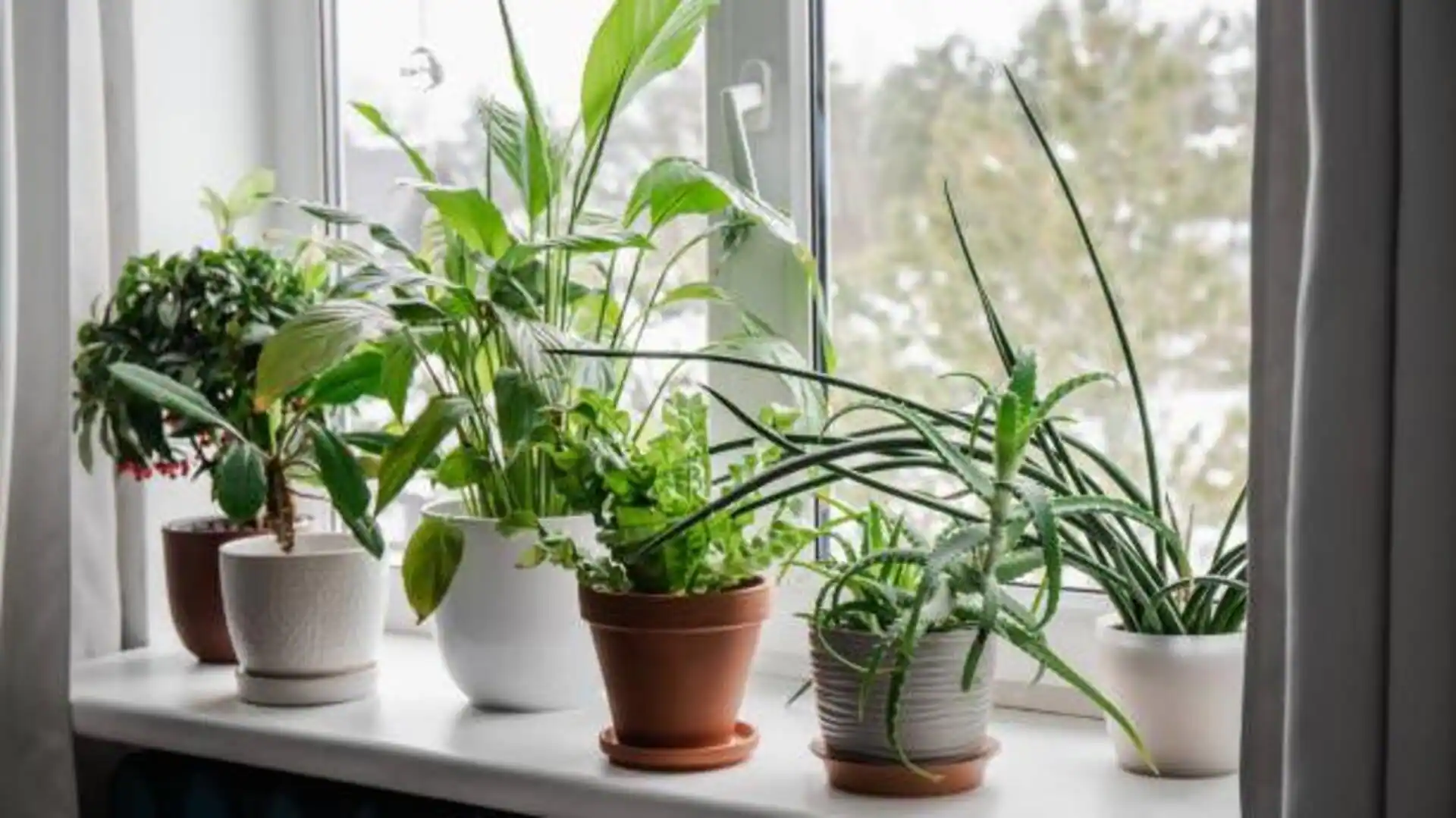
Plant bio-sonification is the practice of translating electrical activity found in plants into ambient sound. This is done through electrodes – small conductive sensors that are attached to a plant’s leaves or stems. You might hear soft pulses, watery tones or chimes that shift with changes in moisture, light and temperature. You can hear this activity through speakers or headphones.
The practice draws on decades of experimental sound work associated with composers such as David Rosenboom and John Cage. The latter’s 1975 improvisational piece “Child of Tree” featured the sound of plucked cactus needles and was designed to show the benefits of surrendering control. “What we’re seeing now is a more realised and refined application of those ideas, particularly within spatial design and wellness contexts,” says Cornwall-based sound artist Justin Wiggan.
Plant bio-sonification advocates believe their creations are soothing and grounding. Evidence of this remains limited, but there is a proven link between exposure to nature and increased heart-rate variability (a marker of nervous system regulation). “Natural soundscapes may influence whether a space feels calm and inviting,” says Dr Fiona Sally Miller, a researcher in sound, music and the body. Her work involves looking at the potential of sounds, such as birdsong and running water, as tools for emotion regulation.