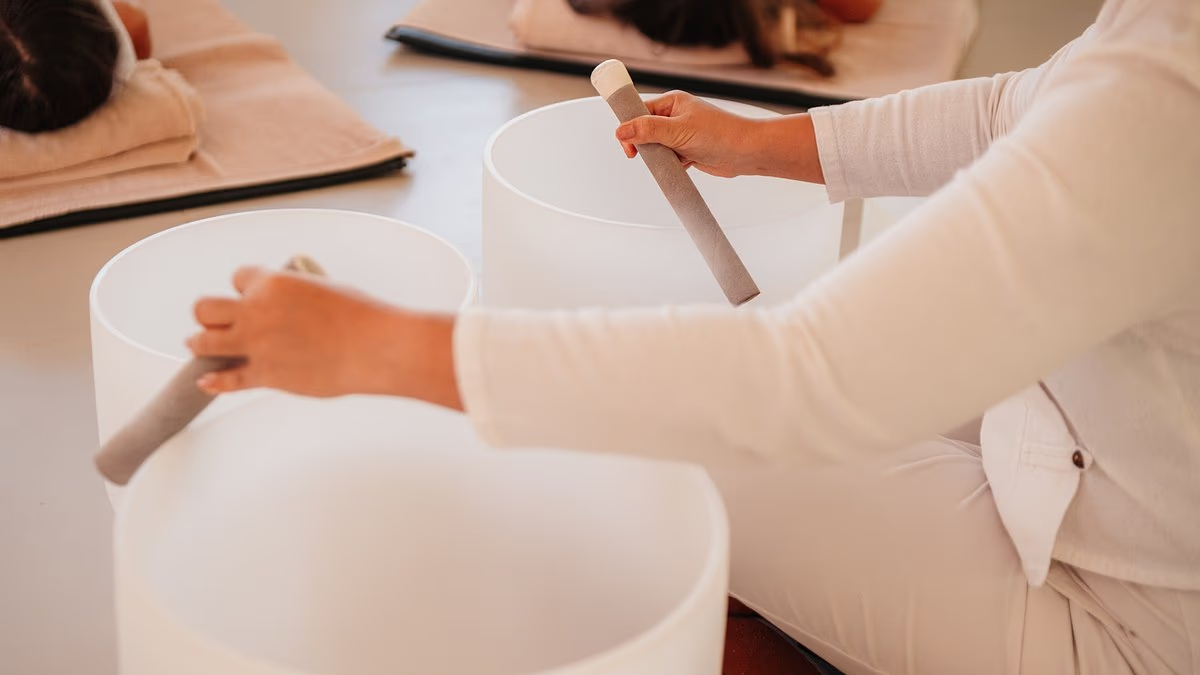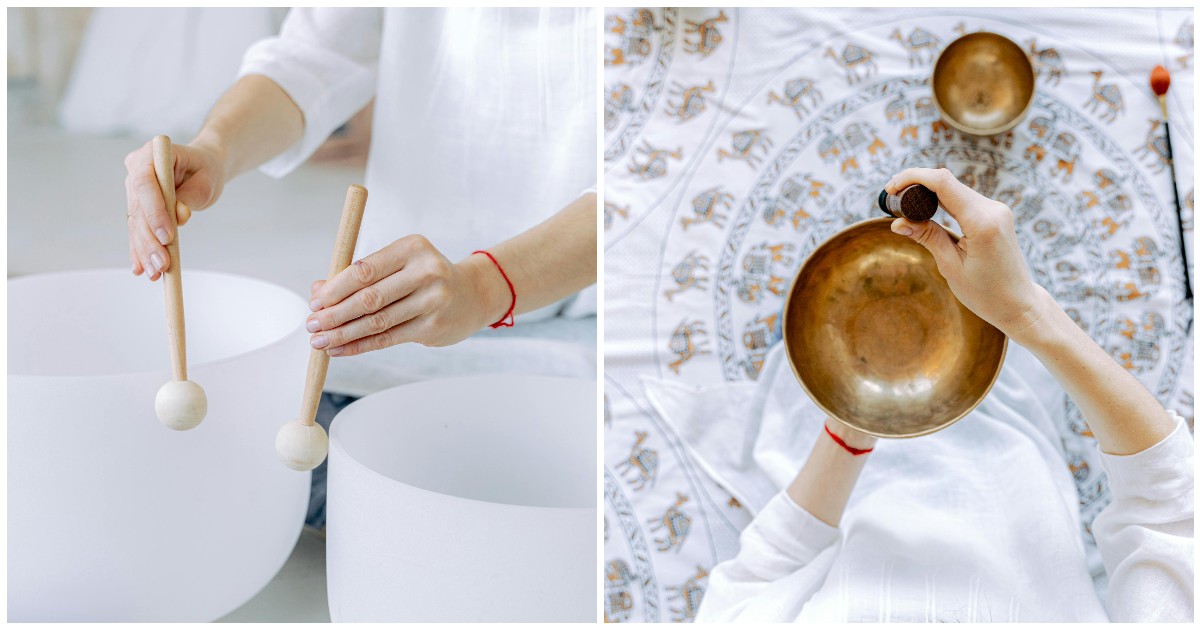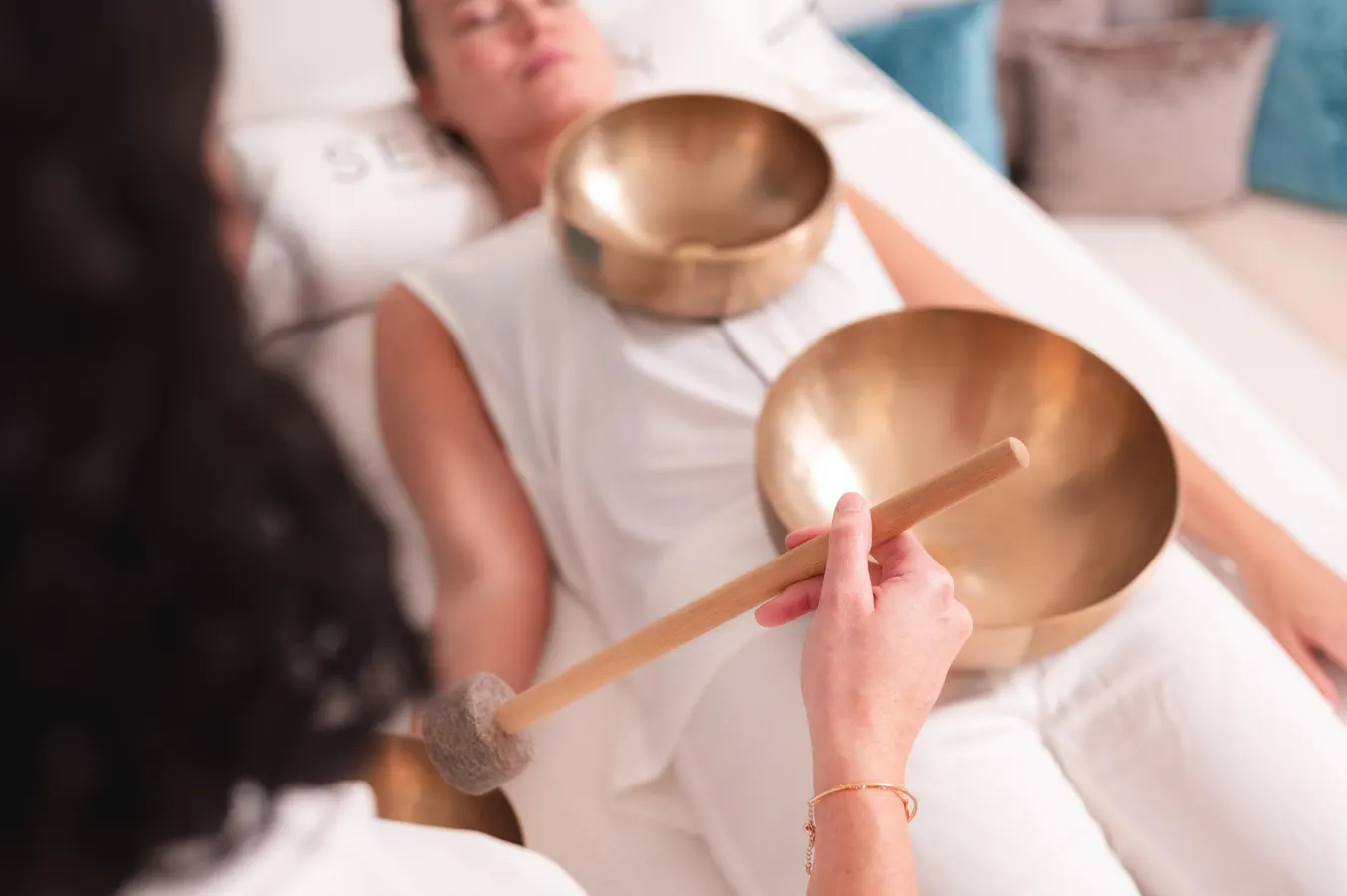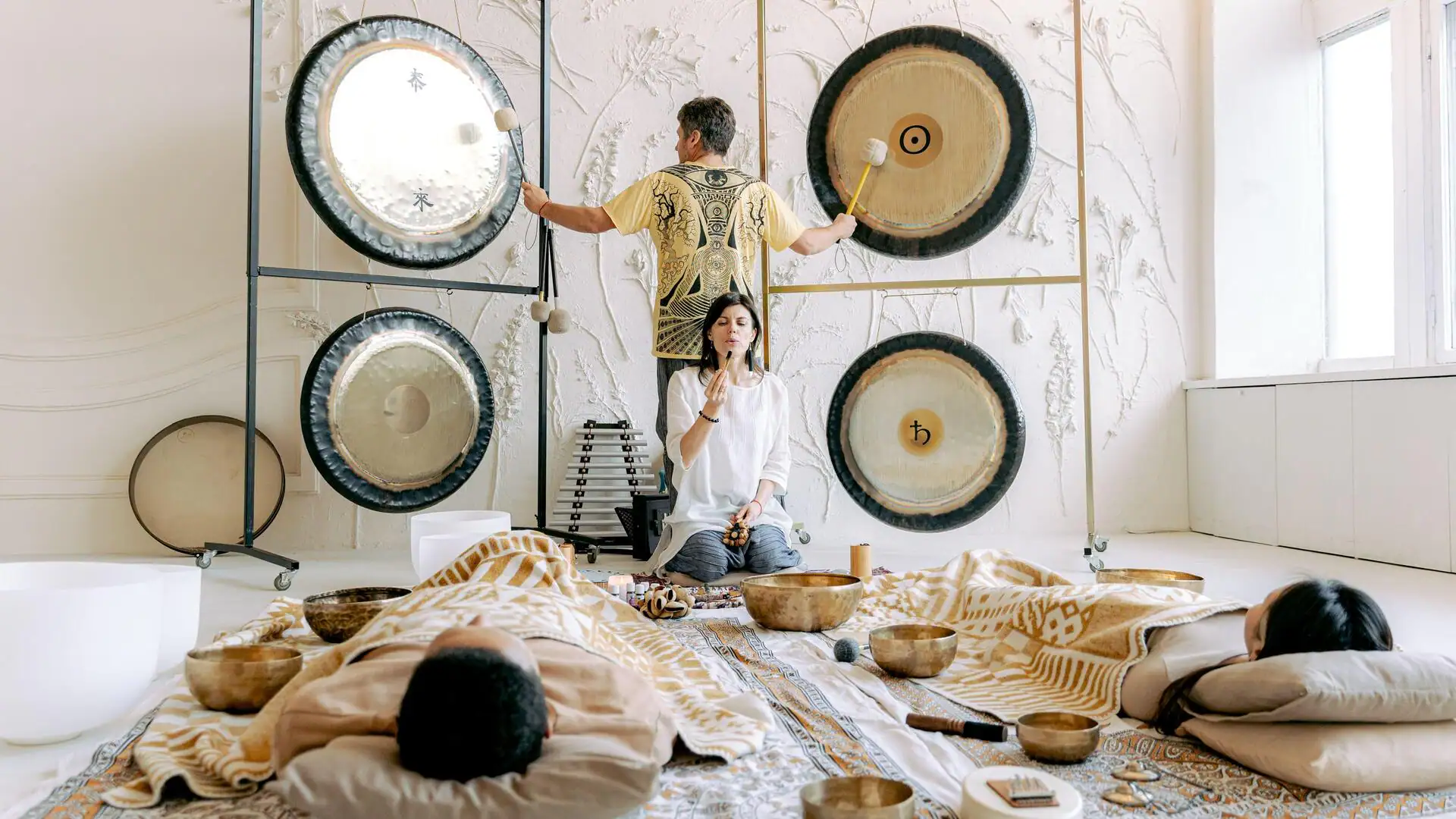
As anyone who’s ever enjoyed a facial or massage knows, the right (or wrong) background music can make or break the experience. Mark Constantine, the co-founder of Lush cosmetics, was driven to rethink the soundscapes for his brand’s spa treatments when, hoping to enjoy a massage on holiday, the soothing tones of nightingales singing outside were obliterated by a generic “chill-out” spa mix. Henceforth, Lush treatments were performed to a soundtrack of birdsong, orchestral scores and Tibetan singing bowls. Hippy-trippy indeed, or so it may have seemed a few years ago.
Because as the beauty and aesthetics world becomes increasingly focused on wellness, new treatments are being set to the whoosh of the Hebridean surf, delta brainwave-inducing “binaural beats”, and even the buzzing of tree sap. If that sounds like whale music taken to the next level, that’s because it is.
Whale song, long a staple in spas and the butt of plenty of jokes, “captured a truth that modern science is only now starting to verify”, the sound artist Justin Wiggan says. Namely that it occupies low-frequency ranges and overlaps with those believed to influence delta and theta brainwave states — the ones linked with deep sleep, memory consolidation and regulation of the nervous system.