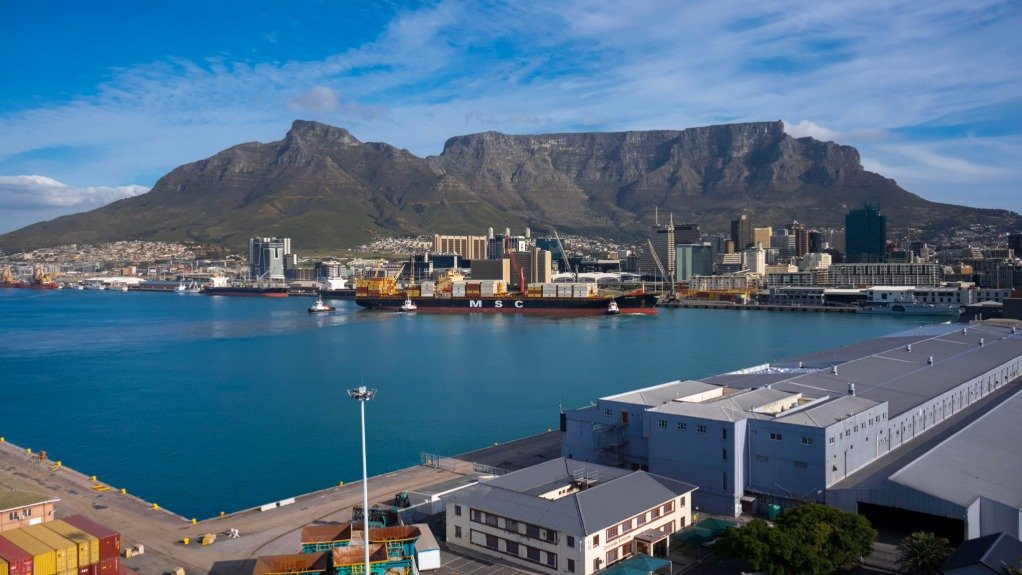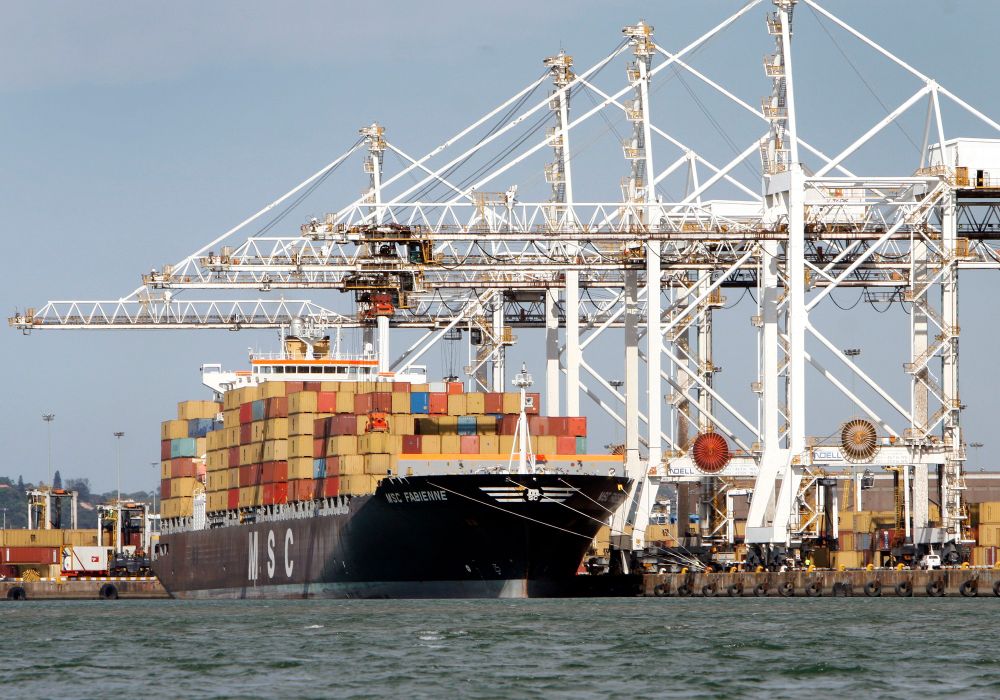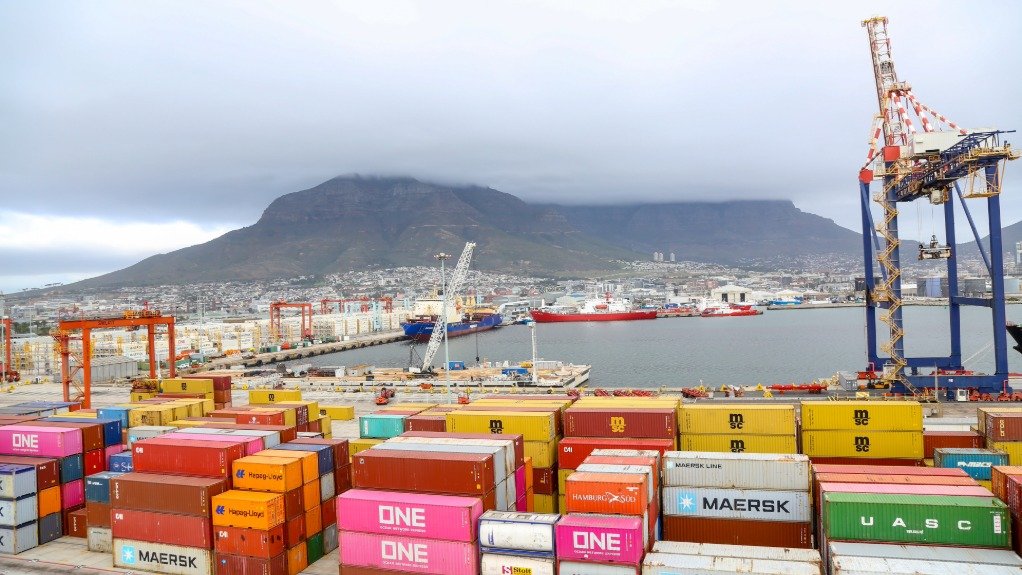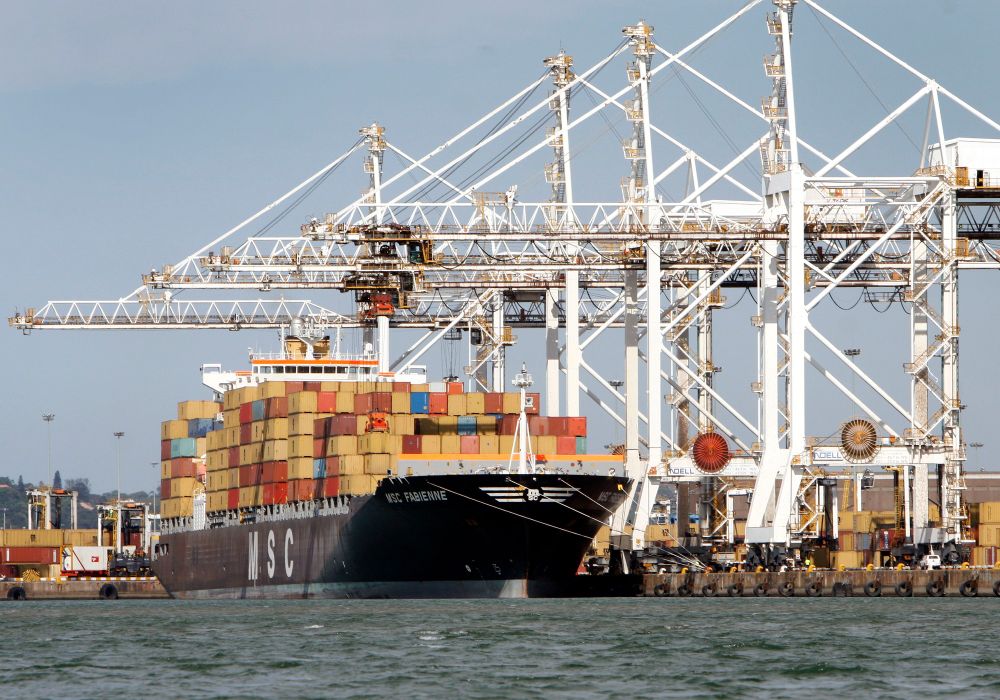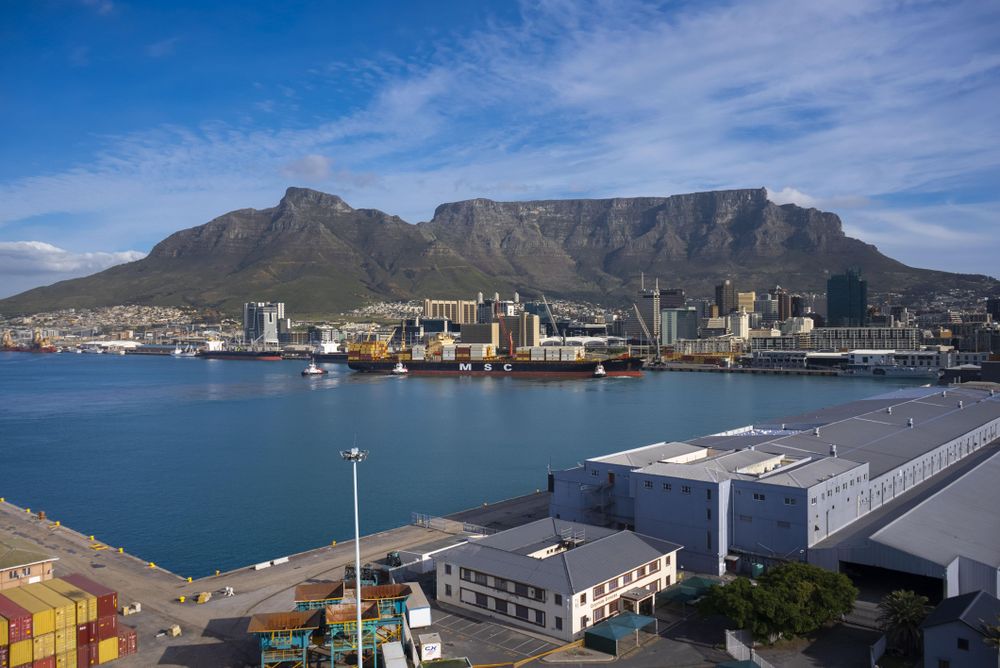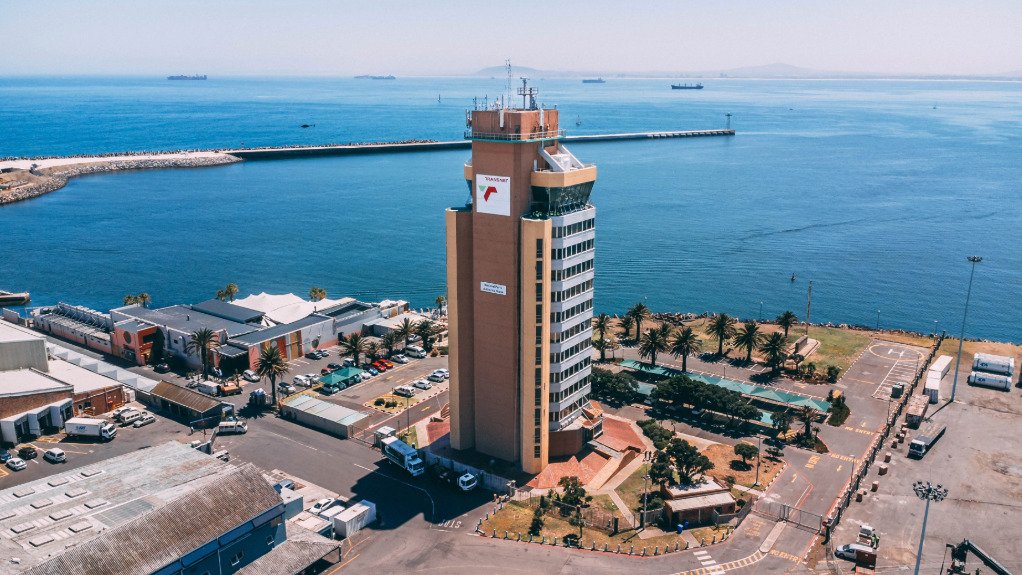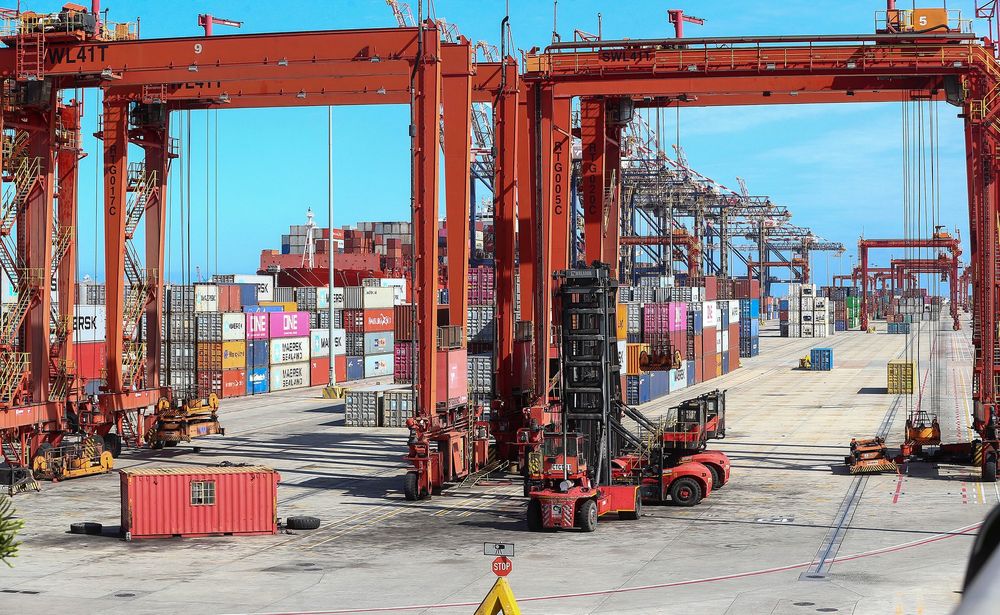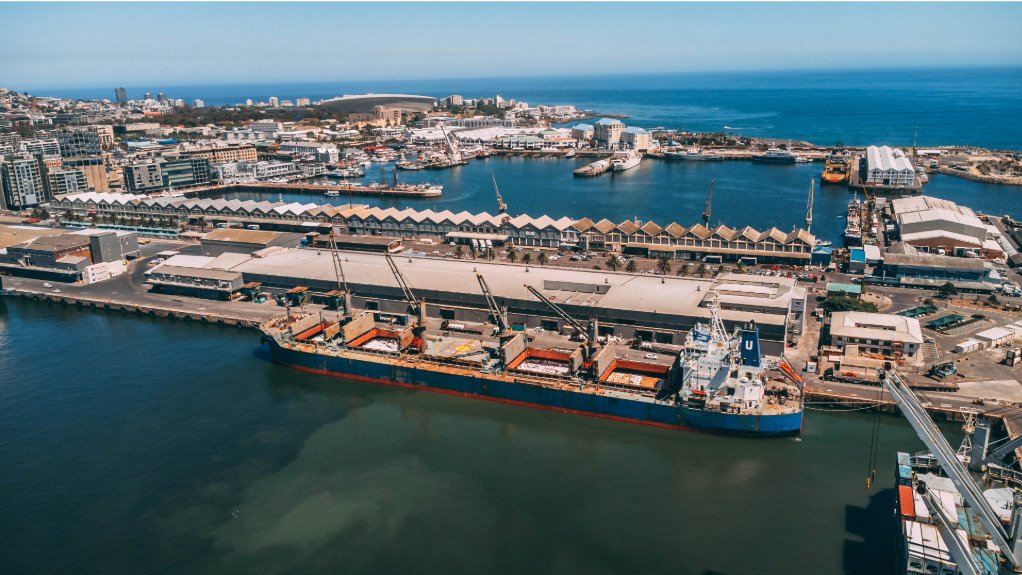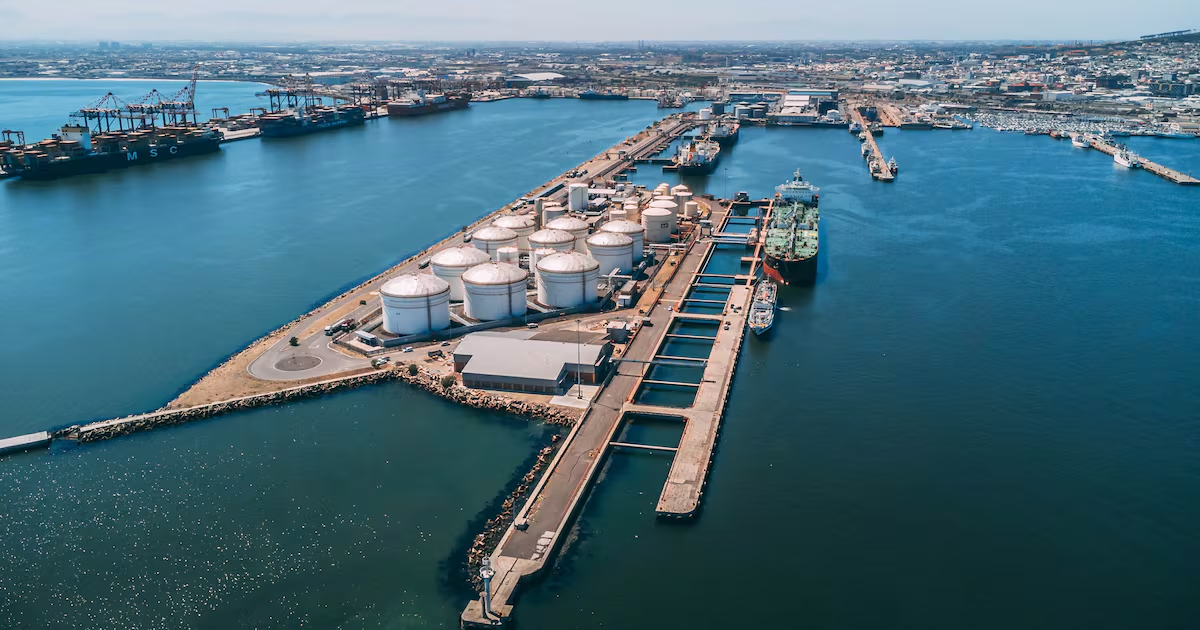
The Port of Cape Town has faced sustained scrutiny, with media coverage highlighting operational bottlenecks, backlogs and delays. However, a closer look at the data reveals a more nuanced story — one of sustained operational improvement and recovery. At the Cape Town Container Terminal (CTCT), Transnet’s combination of capital investment in modern equipment, operational optimisation and closer collaboration with industry is beginning to deliver tangible results. While significant work remains to achieve peak performance levels, the evidence suggests the terminal is moving in the right direction, with improvements that are increasingly reflected in key operational indicators. Comprehensive equipment modernisation Operational turnarounds do not materialise overnight. They are built on a foundation of targeted and intentional capital injection. Nationally, Transnet Port Terminals (TPT) has committed about R12bn over a three-year period to overhaul cargo-handling equipment. A significant share of this investment will be directed at CTCT, a critical artery for agricultural and manufacturing exports. The impact of this investment is increasingly visible on the quayside. CTCT recently introduced 28 new rubber-tired gantry (RTG) cranes, four advanced straddle carriers, 47 haulers, 47 trailers and four reach stackers into its operations, marking a significant shift to a more flexible hybrid model. Powered by both diesel and electric systems, the new straddle carriers reduce fuel consumption and emissions while improving container-handling efficiency and stacking capacity. Combined with advanced tracking technology and comprehensive operator training, these investments are designed to translate directly into faster, more reliable terminal operations. The new RTGs are equipped with anti-sway technology, high-definition 3D camera systems, and tier 3 diesel-electric hybrid engines; the cranes improve precision, safety and environmental performance. Importantly, they can operate in wind speeds of up to 90km/h, significantly higher than the 72km/h threshold of the previous fleet, aligning their wind tolerance with that of the ship-to-shore cranes. By increasing equipment availability and improving handling efficiency, the terminal can execute more container moves per hour, giving operational planners breathing room to buffer against delays. Targeted operational interventions Initiatives to improve efficiency at CTCT include the addition of a fourth shift (suitable for a 24-hour operation) to enhance employee wellness, a performance-based incentive scheme and real-time performance monitoring. The terminal is ramping up and sustaining the eight-gang operation, ensuring the optimal utilisation of all eight gates for inbound and outbound traffic. Collectively, these measures have contributed to improved operational performance and efficiencyOther interventions include: strengthening leadership capacity;increasing supervisor visibility on the ground; and enhancing collaboration with industry stakeholders through ongoing engagement. Collectively, these measures have contributed to improved operational performance and efficiency. Additionally, the terminal’s inland Belcon facility in Bellville enables customers to access their imports and empty boxes. Transnet Freight Rail (TFR), together with TPT, is working to repurpose the Belcon facility to optimise and integrate TFR and TPT terminal operation capacity. This will support TFR’s road-to-rail strategy by redirecting trucks when CTCT is windbound and reducing congestion at the terminal. Driving sustained improvement The Port of Cape Town has achieved consistent year-on-year improvements. Ship turnaround time at the container terminal improved from 103 hours in financial 2024 to 74 hours in financial 2026. Year to date in financial 2027 the average is 58 hours. Vessels are spending significantly less time waiting at anchorage. Average waiting times have dropped from 127 hours in financial 2024 to 79 hours in financial 2026. Strong growth in cargo volumes was recorded in financial 2026 across all major commodity sectors. Container volumes exceeded the budget by 7.9%, supported by a record performance in deep-sea import and export volumes. Liquid bulk volumes exceeded the target by 44%, largely driven by petroleum imports and coastwise export product. Dry bulk volumes outperformed the budget by 46.9%, due to agricultural imports and exports. Break-bulk volumes were 30.9% above budget. Mitigating against weather challenges We are acutely cognisant that the port has been adversely impacted by severe weather conditions. In the 12-month period ending March 2026, it endured more than 74 days of disruptions caused by a combination of high wind gusts, heavy fog and turbulent water. Previously, a weather delay meant a cascading backlog that took weeks to clear. Today, the resilience built into the modernised fleet allows the terminal to absorb these natural shocks far more effectively, clearing backlogs in a fraction of the time once conditions clear. Rather than working at arm’s length, Transnet uses transparent, data-driven joint task teams to provide targeted resource allocation during export peaks such as the high-stakes deciduous fruit season. Together with the Council for Scientific & Industrial Research, Transnet introduced a predictive wind planning model. A new helicopter service has been deployed to ferry pilots out to incoming vessels in high seas, when conditions are unsafe for traditional pilot boats. On the land side, targeted infrastructure upgrades, including container stack optimisation and dedicated truck staging facilities, have dramatically reduced congestion for the logistics fleet feeding the port. This data-driven, co-operative approach ensures that exporters no longer have to guess when their cargo will move. By aligning the needs of the citrus and deciduous fruit industries with the terminal’s real-time operational capacity, Transnet has converted historical friction into a structured, predictive supply chain pipeline. The challenges confronting South Africa’s port network remain real, and the journey toward peak efficiency requires sustained momentum. The evidence of improvement is visible on the sea side and across the land side. Through continued investment, disciplined execution, and a shared operational vision with industry partners, Transnet is shaping a resilient, world-class gateway capable of powering South Africa’s economic ambitions. • Letsoalo is the group COO at Transnet.
SOLLY LETSOALO | Transnet is turning the tide at Cape Town port
Enhancements such as new equipment and new ways of working are bearing fruit at this key trade artery, writes Solly Letsoalo.
923 words~4 min read