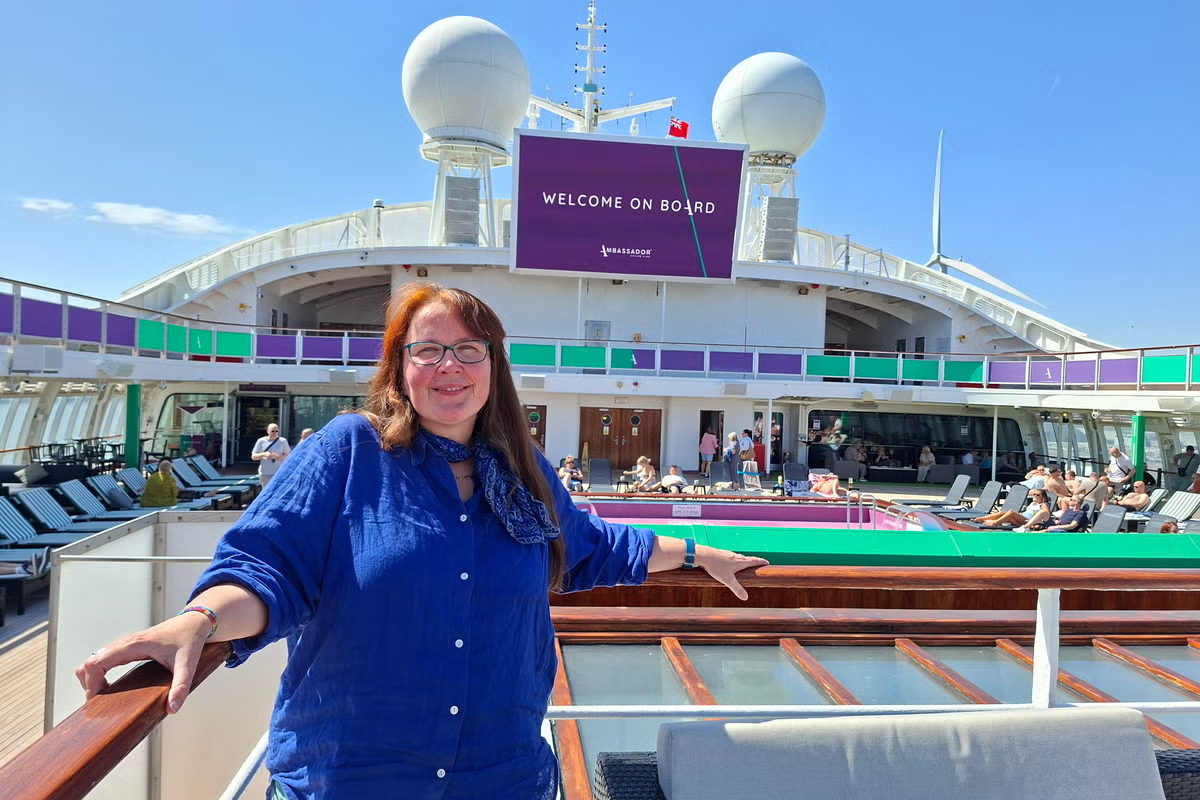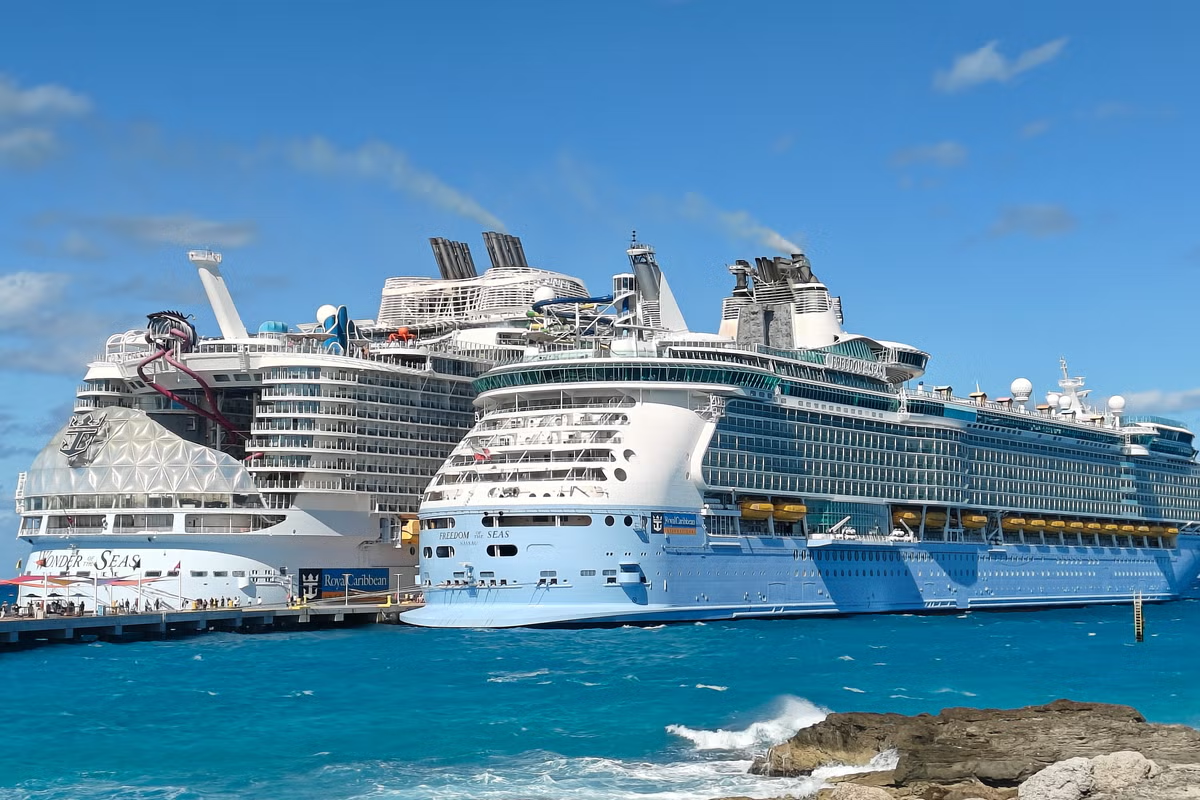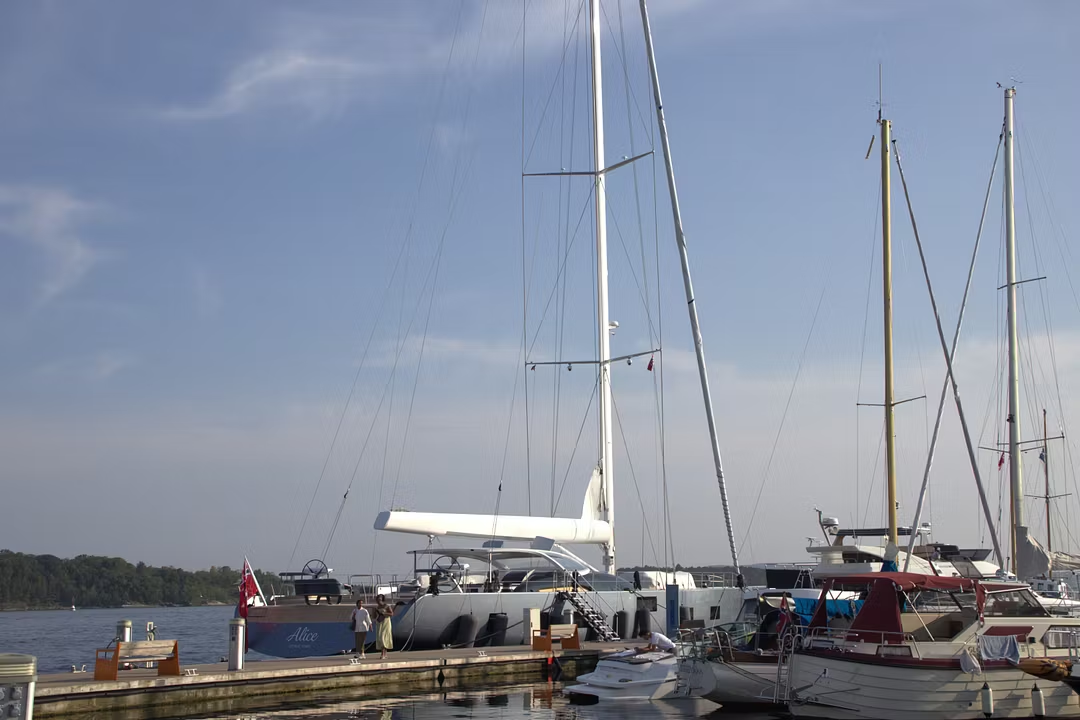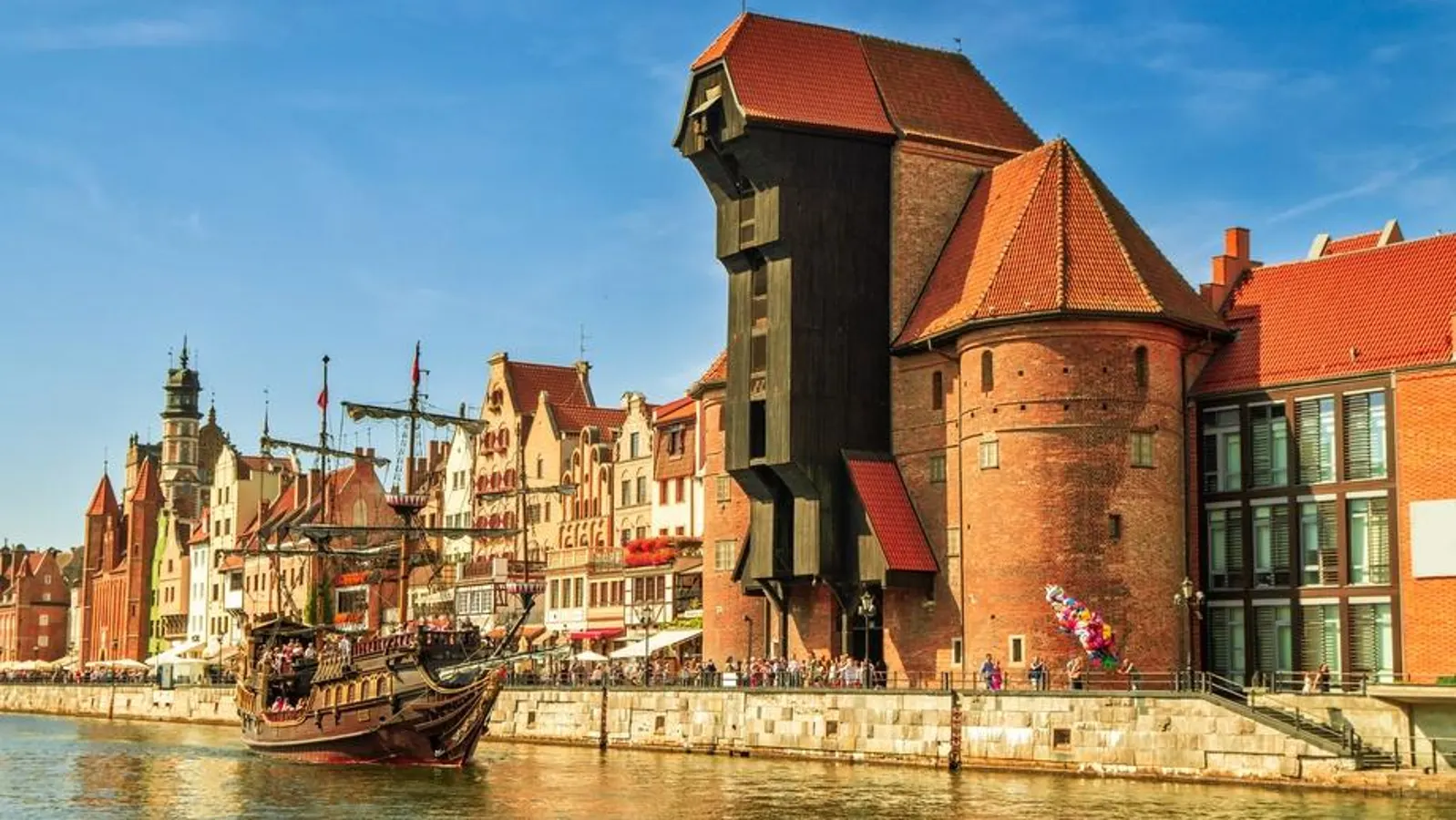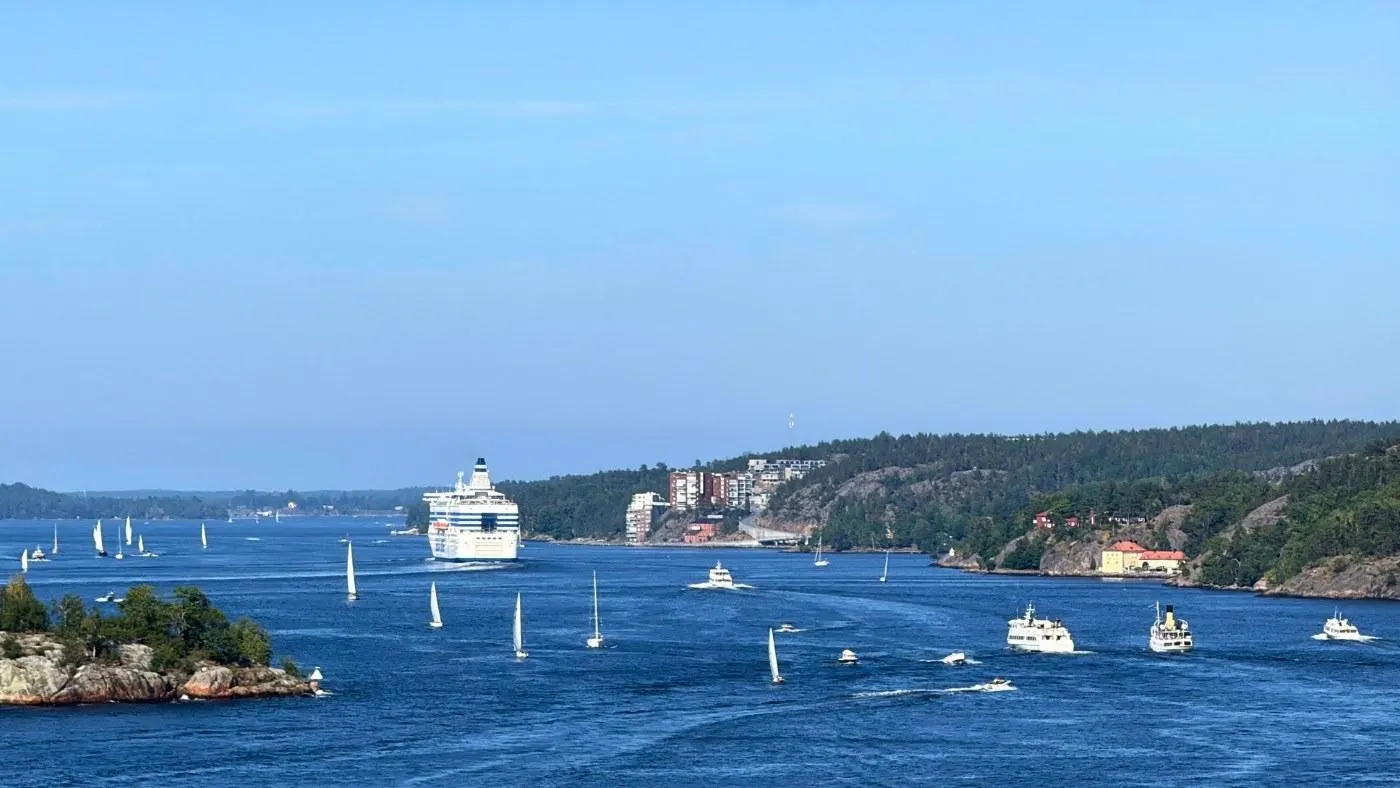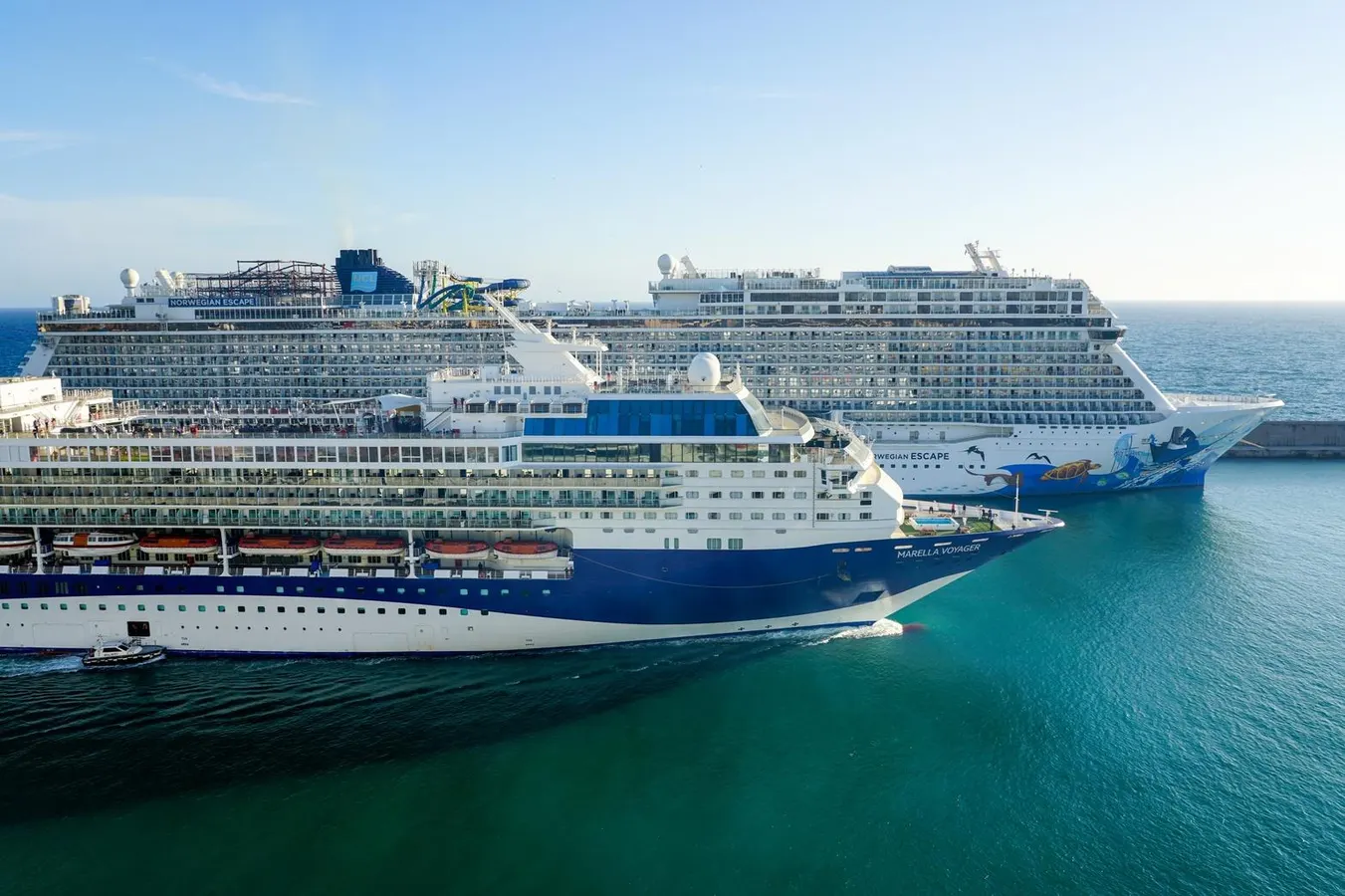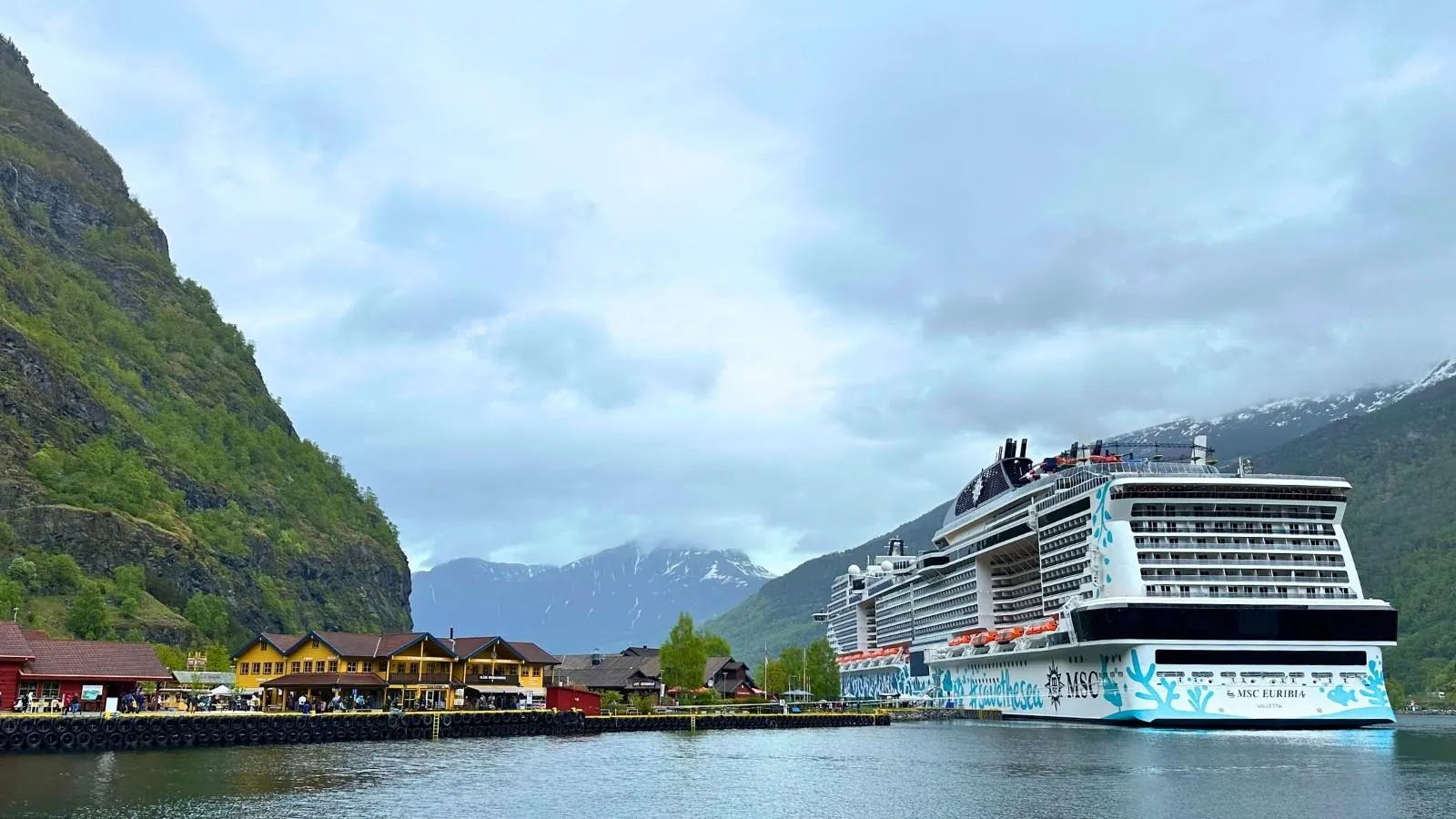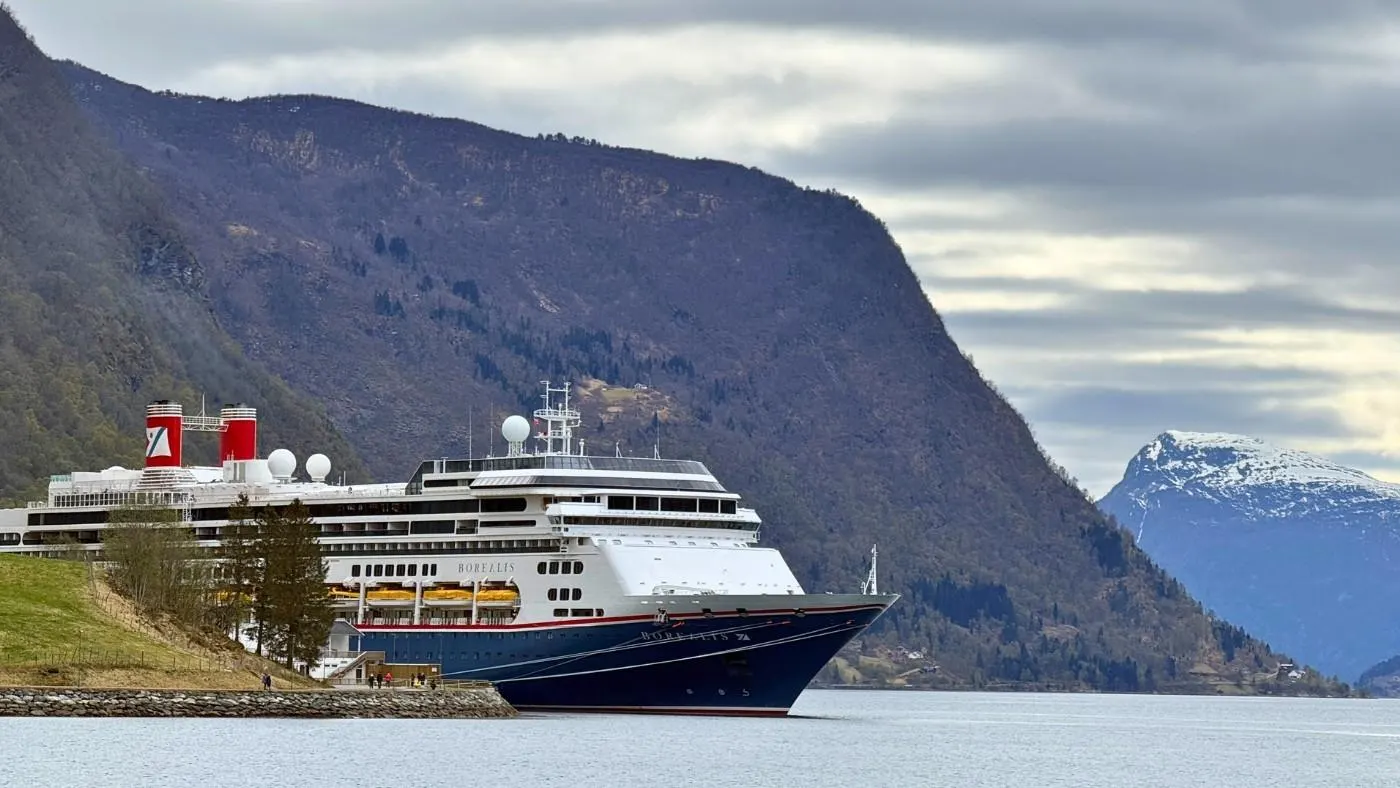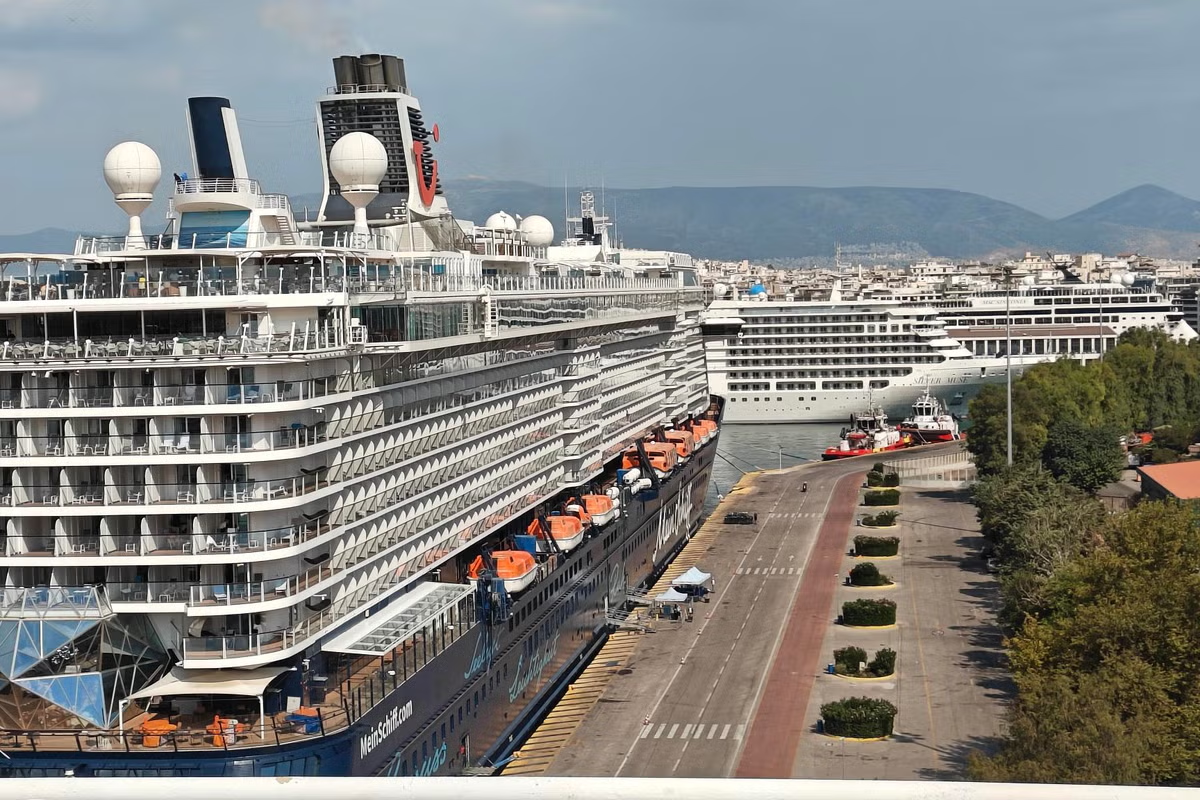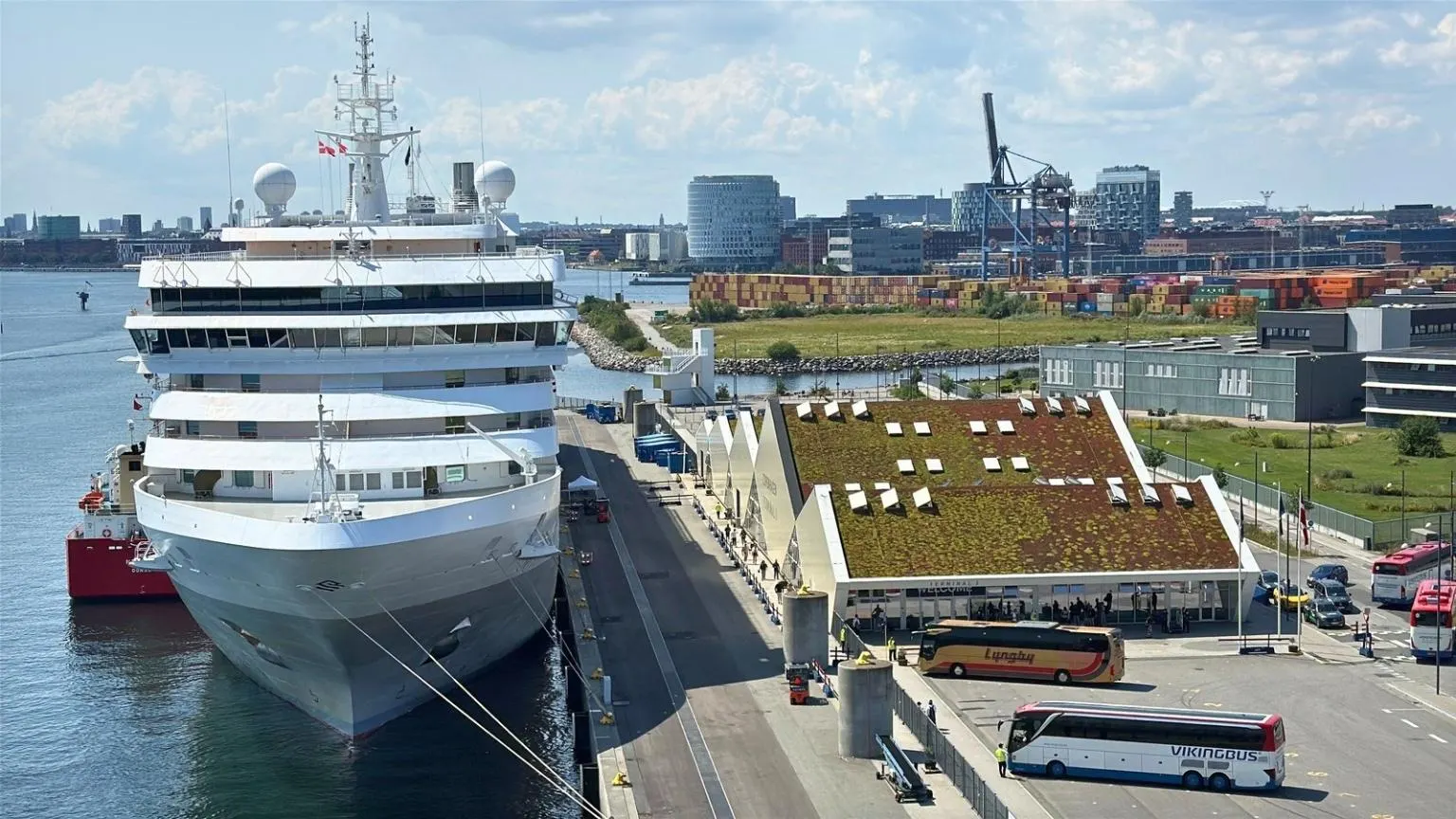
Many cruise ships now dock at Copenhagen’s Ocean Quay (oceankaj) cruise terminal.David NikelBoarding Sapphire Princess in Copenhagen brought back memories of the last time I began a cruise in the Danish capital. A few years earlier, MSC Euribia set off from the exact same terminal for a voyage through the Norwegian fjords.The ships and itineraries were very different, but the departure point was the same. That is no coincidence. Copenhagen has become one of Northern Europe’s most useful cruise hubs and, for passengers, it is easy to understand why.Copenhagen’s cruise port handled nearly 866,500 passengers in 2025 and expects about 880,000 in 2026.For travelers beginning a cruise here, the more significant figure is the number of turnaround calls, when one group disembarks and another begins its voyage. That total is forecast to rise 10%, from 111 in 2025 to 122 in 2026.A Cruise Port That Is Easy To ReachMany major cruise ports involve a lengthy transfer from the nearest international airport. Copenhagen is different. Metro and train services connect Copenhagen Airport with the city center in about 15 minutes.That makes arriving a day or two early remarkably straightforward. Instead of spending the night at an airport hotel or worrying about a long transfer on embarkation morning, passengers can stay in central Copenhagen and begin exploring immediately, effectively adding a full port experience to their cruise itinerary.Cruise operations are spread across Ocean Quay, Langelinie and Nordre Toldbod.Purpose-built Ocean Quay (oceankaj) has three terminal buildings and enough quay space to receive three large ships simultaneously, while Langelinie and Nordre Toldbod are closer to the historic center and welcome smaller vessels.The exact journey depends on the assigned terminal, but all are accessible by public transportation.Well Positioned For Baltic CruisesCopenhagen’s geography is another major advantage. Ships beginning farther west must use valuable vacation time reaching the Baltic region. Starting in Denmark puts a ship close to Sweden, Germany and the entrance to the Baltic Sea.For passengers, that can mean port-intensive Baltic Sea itineraries visiting several countries in little more than a week, with no sea days required simply to reach the region.A typical sailing might combine Stockholm, Helsinki and Tallinn with smaller ports and islands. Beginning in Copenhagen also builds another major European city into the same trip, rather than treating the departure port as somewhere to pass through.The city works equally well as the starting point for a Norwegian fjords cruise. Norway may provide the dramatic landscapes, but Copenhagen offers a contrasting Scandinavian experience: royal palaces, cycling culture, an ambitious food scene and the colorful waterfront of Nyhavn.Spend two nights in Copenhagen before or after the sailing and the city becomes part of the itinerary rather than merely a buffer around it.A Port Investing For The FutureThe port continues to invest behind the scenes. A shore-power facility opened in June 2025, with connection points at Ocean Quay and Langelinie. Shore power allows compatible ships to switch off their auxiliary engines while docked, reducing noise and emissions around the harbor.After 88 cruise calls used the system in 2025, the port expects 183 connections during 2026. Shore power does not remove the wider environmental impact of cruising, but it is a tangible improvement for passengers, port workers and local residents.Ocean Quay is functional rather than scenic, and passengers carrying substantial luggage may still prefer a taxi. Yet the combination of efficient airport links, purpose-built turnaround facilities and an appealing city center remains unusually strong.Copenhagen succeeds because it is not just somewhere to board a ship. It is a destination in its own right and a practical gateway to Baltic, Nordic and North Atlantic itineraries.The logistics are easy, the itinerary possibilities are varied and arriving early feels like an opportunity rather than an obligation. As turnaround calls increase, more passengers are likely to discover that Copenhagen is one of the few cruise ports where embarkation day is only part of the appeal.MORE FROM FORBESForbesLuxury Hotel Brands Are Heading To Sea. Just Don’t Call Them CruisesBy David NikelForbesWhy A Cheap Cruise May Cost More Than You ThinkBy David NikelForbesHow A Baltic Cruise Can Take You To 7 Countries In A WeekBy David Nikel
Why Cruising From Copenhagen Works So Well
Fast airport links, modern cruise terminals and a prime location make Copenhagen an ideal starting point for Baltic and Norwegian fjords cruises.
686 words~3 min read