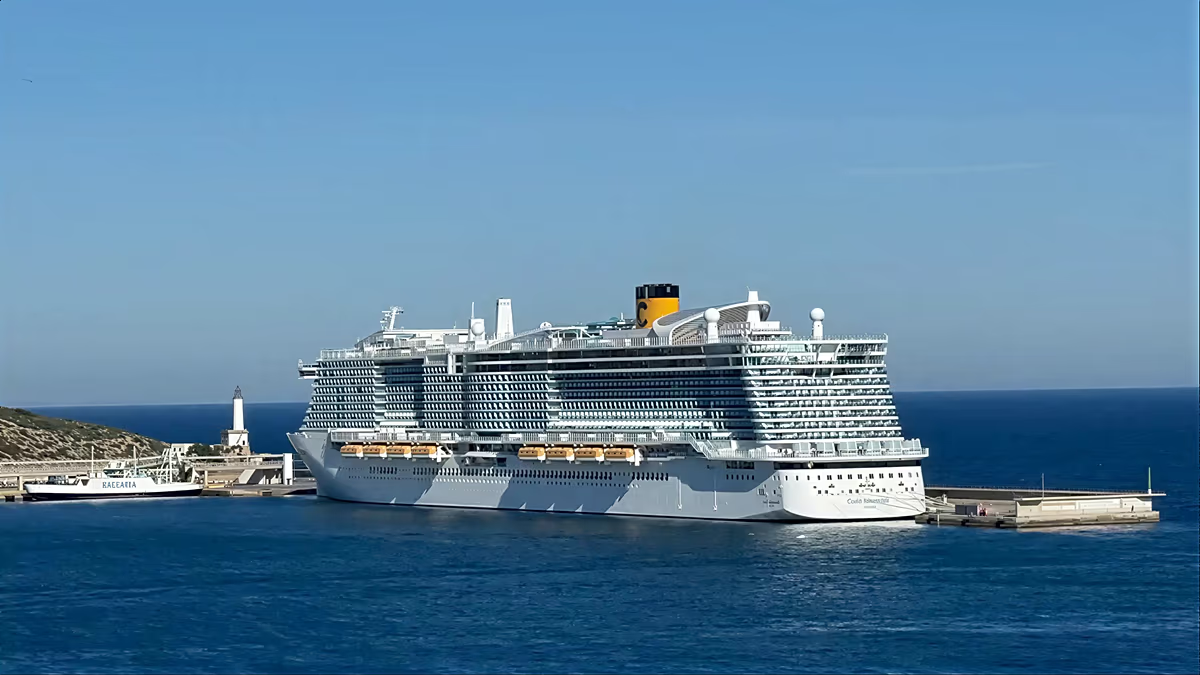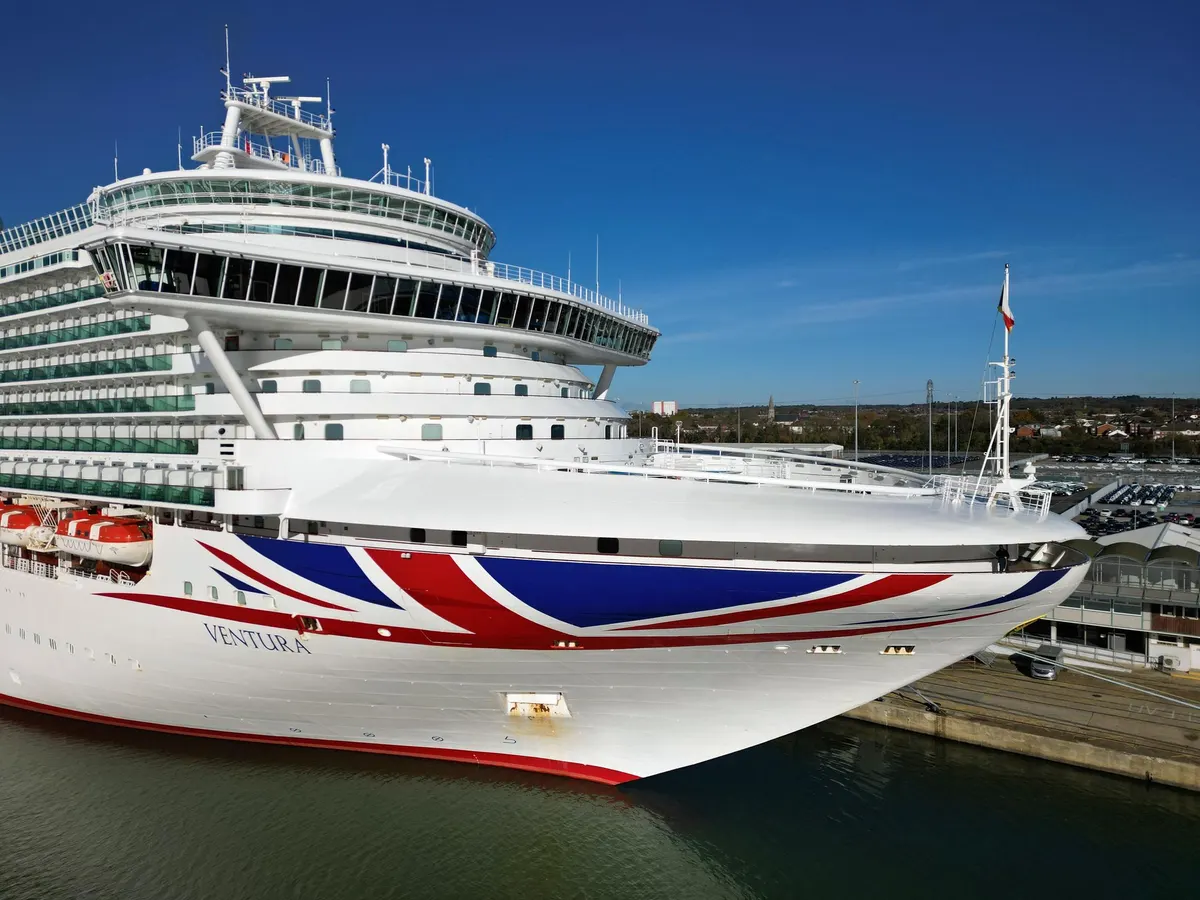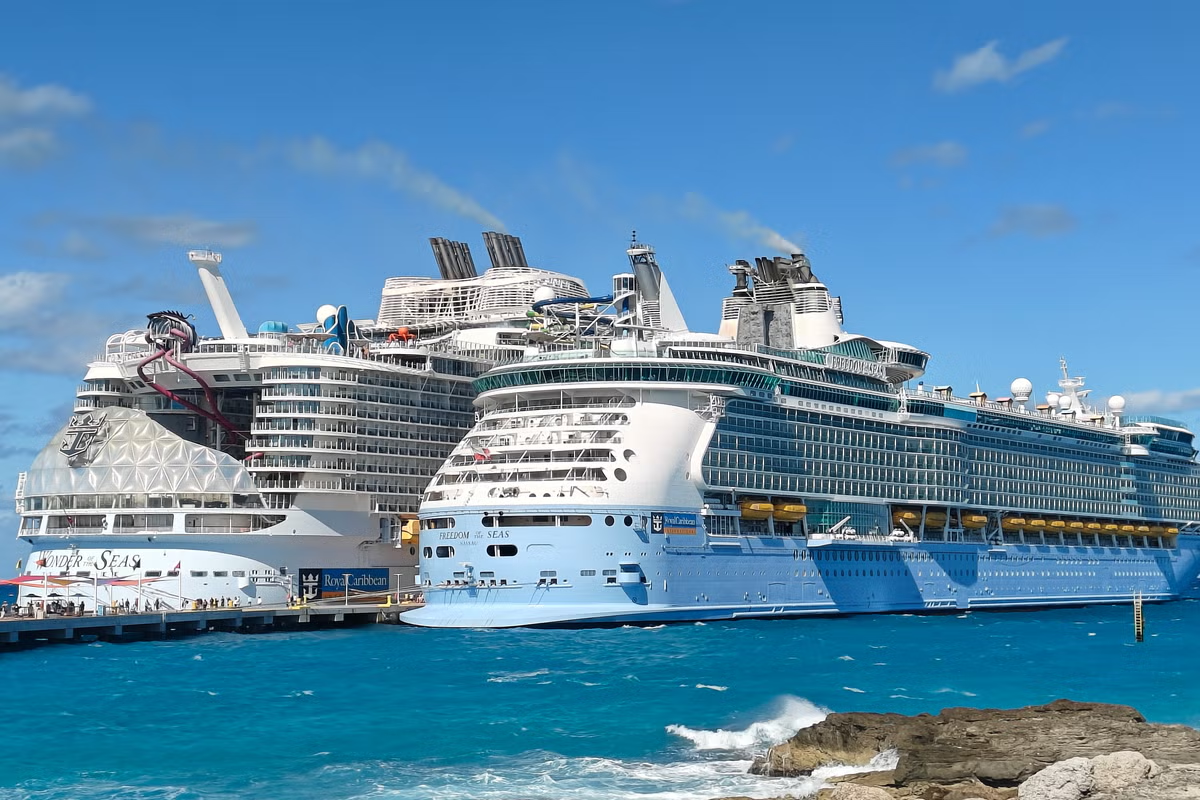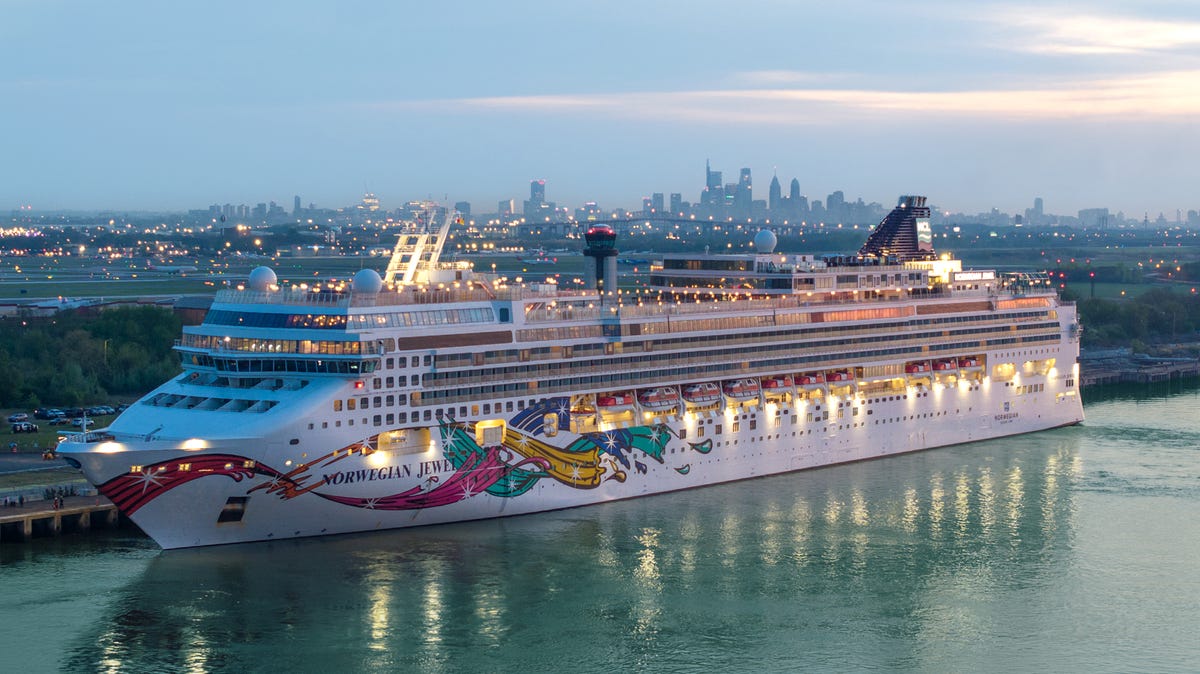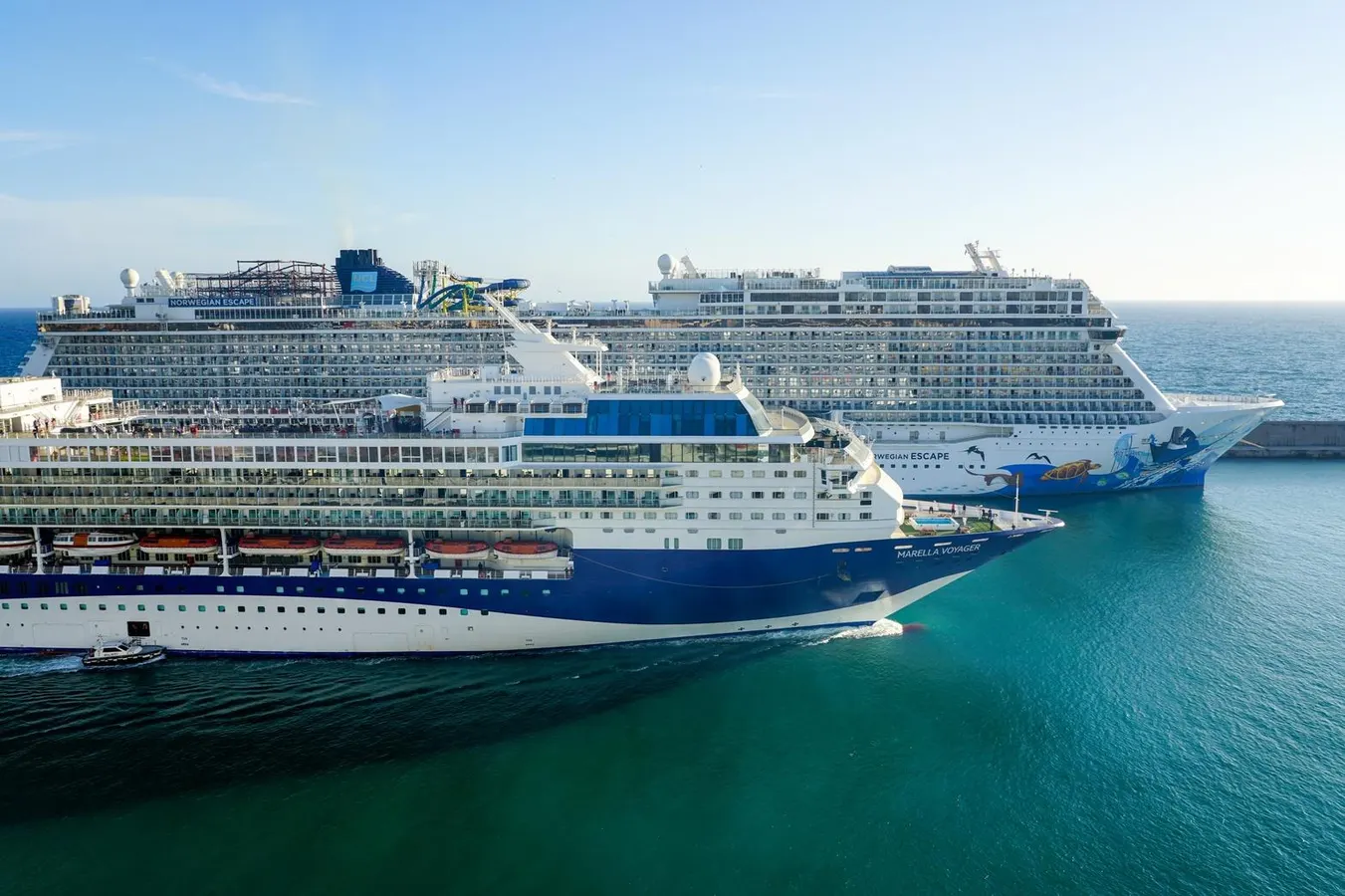
Several European cruise ports can handle multiple large cruise ships at once.gettyBarcelona, Marseille, Rome and Southampton are familiar names on European cruise itineraries, but busy ports do not all perform the same role.Some welcome thousands of passengers for a few hours of sightseeing. Others are turnaround ports, where one group leaves the ship and another checks in to begin a vacation.For travelers choosing a European cruise, a major departure port generally means more ships, more sailing dates and a wider choice of itineraries.A definitive ranking is difficult because European ports report statistics differently. Some publish total traffic, including day visitors, while others separate passengers embarking and disembarking from those making transit calls. British statistics, for example, exclude transit passengers but count round-trip passengers at both departure and arrival.Even so, the latest data reveals a clear group of leading departure hubs.Southampton, EnglandFew European ports are as closely associated with beginning a cruise as Southampton. British government statistics recorded 2.6 million international cruise passenger movements through the port in 2025, excluding passengers visiting during a port call.Southampton is especially important to P&O Cruises and Cunard, while its five cruise terminals also serve international operators including Royal Caribbean, Princess Cruises, MSC Cruises and Norwegian Cruise Line.Its greatest strength is the sheer choice of sailings. For overseas passengers, however, the transfer from the major London airports makes a pre-cruise hotel stay sensible, even though Southampton has its own smaller airport.Barcelona, SpainBarcelona combines a major cruise hub with one of Europe’s most popular urban destinations. In 2025, passengers embarking or disembarking accounted for 58% of its cruise traffic, demonstrating that Barcelona is far more than a day-call destination.The port is a key starting point for Western Mediterranean itineraries, often combining Spanish, French and Italian ports. Extensive international air connections also make it relatively straightforward for North American travelers to reach.However, cruise tourism has become politically contentious. The city and port have agreed to reduce the number of cruise terminals from seven to five by 2030 as part of a broader attempt to manage visitor numbers and port traffic, along with implementing a hike in cruise passenger tax earlier than planned.Civitavecchia, ItalyCruise lines commonly market Civitavecchia as Rome, although the port is a separate coastal city requiring a transfer from the Italian capital and its airports.Despite that complication, Civitavecchia is one of Europe’s cruise giants. It handled a record 3.56 million cruise passenger movements in 2025, including 1.73 million embarkation and disembarkation movements.Its appeal is straightforward: passengers can combine time in Rome with a voyage through the Western or Eastern Mediterranean. Arriving at least one night before departure allows time for sightseeing and reduces the risk of flight or transfer delays resulting in a missed sailing.Hamburg, GermanyHamburg’s scale can be overlooked outside the German-speaking cruise market. More than 1.4 million cruise passengers embarked from the city during 2025, an increase from approximately 1.3 million the previous year.AIDA Cruises has a substantial presence, but ships from MSC Cruises and several international lines also use Hamburg. Its location makes the city a natural starting point for voyages to Norway, Northern European cities, the British Isles and destinations farther into the North Atlantic.The port operates several terminals, so travelers must check exactly where their ship is docked. The newer HafenCity terminal is integrated into a major waterfront development with subway and bus connections, while Steinwerder generally requires more planning.Also popular with the German market, Kiel is particularly well positioned for cruises into the Baltic and Scandinavia. The port handled 1.11 million cruise passengers from 187 ship calls in 2025, its busiest season to date by passenger numbers.Piraeus, GreecePiraeus serves as the cruise gateway to Athens and a natural launch point for voyages through the Greek islands and Eastern Mediterranean.The port handled 1.86 million cruise passenger movements in 2025, an all-time high. Approximately 1.09 million were homeport passengers, continuing rapid growth from just over one million in 2024.Piraeus offers access to island-focused itineraries featuring destinations such as Mykonos, Santorini, Rhodes and Crete, often alongside Turkish ports.A pre-cruise stay in Athens is worthwhile, although passengers should remember that the terminals are in the separate port city of Piraeus.Copenhagen, DenmarkCopenhagen is not Europe’s largest cruise departure port, but it is one of the most useful for international travelers planning a cruise around Scandinavia or the Baltic region.The Danish capital welcomed almost 866,500 cruise passengers across 316 calls in 2025. Of those calls, 111 were turnarounds, meaning the ship began or ended an itinerary and changed passengers in Copenhagen.Copenhagen’s strongest advantage is the destination itself. The city offers enough museums, architecture, food and waterfront neighborhoods to justify arriving several days before departure rather than treating it simply as a place to board the ship.Choosing A European Cruise Departure PortAn embarkation port should be seen as more than simply the place where passengers board the ship.For North American travelers flying to Europe, cities such as Barcelona, Rome and Copenhagen can add another destination to the vacation, making a pre-cruise stay feel like an extra port of call.Southampton offers exceptional itinerary choice, while Hamburg and Kiel provide access to a cruise market that can be less visible to English-speaking travelers. Piraeus is hard to beat for island-focused Eastern Mediterranean routes.The best departure port is ultimately the one combining the right itinerary with manageable flights and a city worth visiting before the ship leaves.MORE FROM FORBESForbesWhy European Cruise Itineraries Don’t Always Tell The Full StoryBy David NikelForbesHow A Baltic Cruise Can Take You To 7 Countries In A WeekBy David NikelForbesWhy Short Cruises Are Becoming Europe’s New City BreakBy David Nikel
These Are Europe’s Most Popular Cruise Departure Ports
Europe’s busiest cruise ports combine extensive choice of itineraries and lines with access to some of the continent’s most appealing cities.
925 words~4 min read