Free daily briefing on global business news.
From Trier, Germany's oldest city, to Seville's centuries-old gateway to the Americas, five European river cruises worth choosing over the Danube
Travelers $TRV who have already conquered the Danube and the Rhine, or who simply prefer to take the road less traveled, should know there are several European river cruise routes that stray off the beaten path. Choosing one of the less popular itineraries below lets travelers avoid peak crowds and overtourism, without sacrificing a trip filled with delicious local wines and cuisine, spectacular architecture, and fascinating history.
The following selections cover some of the top underrated European river cruises. History and heritage run deep across nearly every route on this list, from Trier’s status as Germany’s oldest city and the Douro Valley’s 1756 wine demarcation to Seville’s centuries-old role as Spain’s gateway to the Americas. Wine and food culture feature just as prominently, whether that means Burgundy’s meticulously classified vineyard plots along the Saône, the fortified Port wine of the Douro, or the storied winemaking towns that line the Moselle through three separate countries.
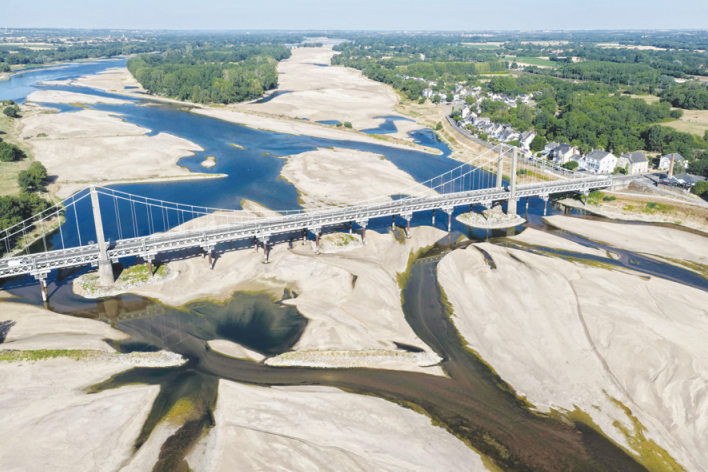
Cruise lengths and seasons vary considerably across these five itineraries too, ranging from weeklong Elbe sailings through fairytale German towns to the eight-day voyages that cover both the Moselle and the Rhine. Several routes also require smaller, specialized vessels that can navigate narrower waterways, a limitation that helps keep certain rivers, like the Guadalquivir, considerably less crowded than their more famous counterparts. Timing a trip around each river’s specific seasonal quirks, whether that means Elbe water levels, Moselle wine festivals, or Guadalquivir summer heat, tends to make the difference between a good sailing and a truly memorable one. Choosing the right river cruise line matters too, since not every operator sails every waterway, and specialized vessels, particularly paddlewheel ships built for shallower stretches, sometimes reach small ports that larger conventional riverboats simply cannot access at all during a typical busy sailing season each and every calendar year.