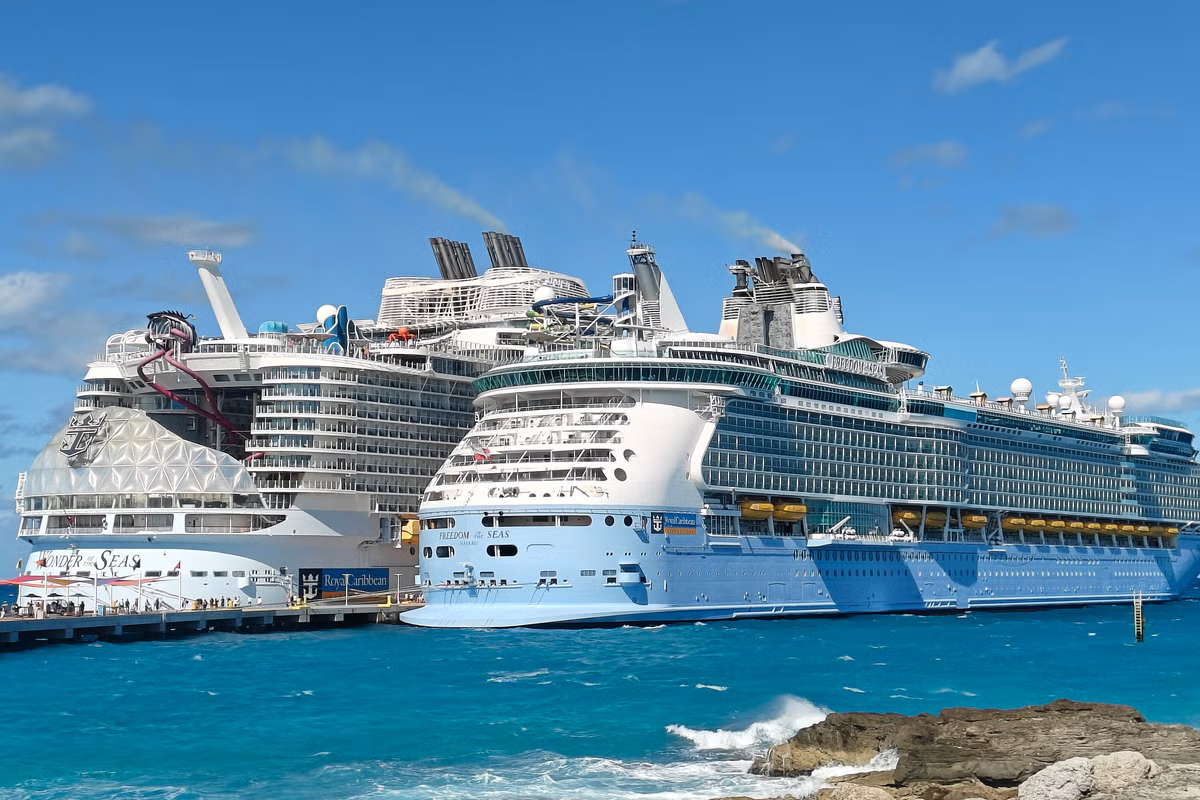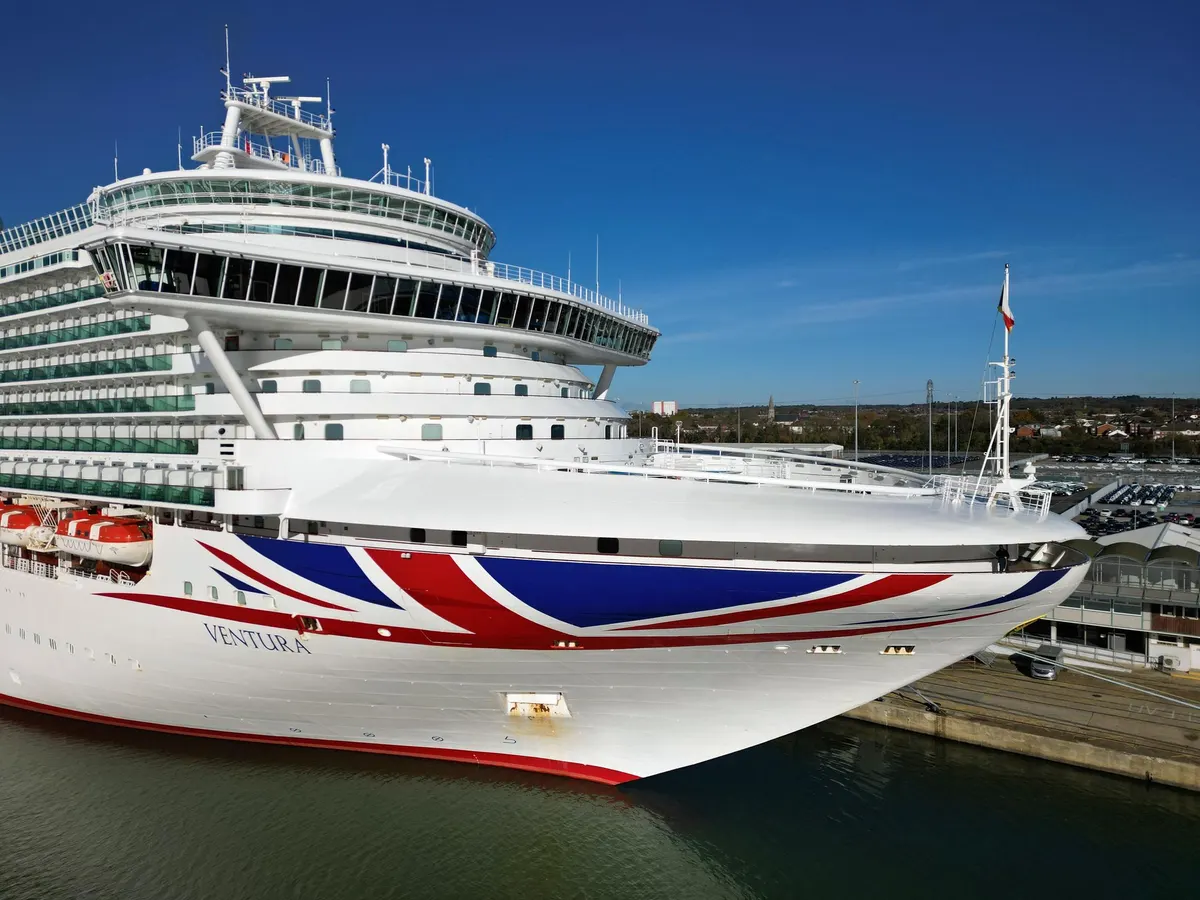
Southampton is one of Europe's most popular turnaround ports for cruise ships.gettyRecent deployment decisions from several major cruise lines point in the same direction. The U.K. is no longer simply a secondary homeport market. It is becoming a priority.The clearest signal came from Royal Caribbean, which recently swapped a planned Southampton deployment for a larger ship. Instead of sending Mariner of the Seas to the U.K. in 2027, the company will now deploy Freedom of the Seas, increasing capacity on its UK program.On its own, that might look like a routine fleet adjustment. In context, it is part of a broader pattern.British Cruise Market Keeps GrowingDemand is the foundation of this shift. The British cruise market has reached record levels in recent years, with passenger numbers exceeding pre-pandemic highs and repeat intent remaining exceptionally strong.Official government data shows cruise passenger numbers at U.K. ports reached 3.1 million in 2024, up 16% year-on-year and 51% higher than in 2019.That demand is also changing. The average age of British and Irish cruise passengers has fallen to 54.3 years, down from 57 in 2019, according to CLIA, reflecting a steady broadening of the customer base.For cruise lines, that matters. A growing, diversifying customer base supports not just more sailings, but more ambitious deployment decisions.More Ships, Better ShipsSeveral major lines are reinforcing their presence in the U.K. and not with leftover capacity.Cruise ships 'Norwegian Bliss' and 'MSC Preziosa' docked in Southampton on a busy turnaround day at the British port.David NikelPrincess Cruises has expanded its Southampton program, confirming multiple ships in the region and increasing departures in response to sustained demand. The company has described its upcoming European seasons as its most extensive ever.Norwegian Cruise Line is also leaning into the British market, with Norwegian Prima scheduled to operate Northern Europe itineraries from Southampton in 2027. That deployment places a modern, premium-leaning ship in a market once dominated by older vessels.Meanwhile, Celebrity Cruises continues to return Celebrity Apex to Southampton, extending what has become a multi-season commitment. Repeated deployments from a premium brand suggest confidence not just in demand, but in yield.Even MSC Cruises, which has been steadily building its U.K. presence, is refining its strategy rather than pulling back. The line is rotating ships through Southampton while adjusting itineraries to better match British preferences, including longer sailings and varied destinations.Taken together, these moves show a clear pattern. The U.K. is not being served as an afterthought. It is welcoming newer ships and more tailored itineraries.UK Cruise Ports Beyond SouthamptonSouthampton remains the center of gravity, handling millions of passengers each year and operating at near-continuous capacity during peak season. Its scale and infrastructure make it one of Europe’s most efficient turnaround ports.But the broader British cruise market is also expanding. Ports such as Liverpool and Dover are reporting strong schedules, while regional departure options remain a key selling point for British travelers.British cruise lines including Ambassador Cruise Line and Fred Olsen Cruise Lines continue to emphasize sailings from multiple British ports, reinforcing the appeal of cruising without the need to fly.Liverpool is a popular homeport for Fred Olsen Cruise Lines.David NikelThis regional spread is significant. It widens the catchment area and supports the idea that the British cruise market is not concentrated in a single port or demographic.The No-Fly AdvantageOne of the most important drivers behind this shift is the continued rise of no-fly cruising.The ability to begin a cruise from a domestic port removes both cost and complexity for passengers. In an environment where travel disruption and rising costs remain concerns, that simplicity has become a powerful selling point.For cruise lines, the appeal is equally clear. A strong homeport market provides a reliable base of customers and allows for more flexible itinerary planning in Northern Europe and beyond.A Strategic Shift In U.K. CruisingIt would be easy to frame recent developments as a temporary response to post-pandemic demand. The evidence suggests something more structural.Cruise lines are not just adding capacity. They are upgrading ships, extending seasons and refining itineraries specifically for the British market. These are longer-term decisions, not short-term experiments.At the same time, the U.K.’s geographic position offers advantages that are difficult to replicate elsewhere. From Southampton, cruise lines can access Northern Europe, the Norwegian fjords and other parts of Norway, Iceland, the Canary Islands and the Mediterranean within a single deployment strategy.That flexibility matters in an industry where demand can shift quickly between regions.MORE FROM FORBESForbesIs ‘Ship-Within-A-Ship’ Premium Cruising Worth The Money?By David NikelForbesHow To Pick The Right Cruise Line For YouBy David NikelForbesWhy Destinations Are Driving Cruise Travel’s Green ShiftBy David Nikel
Why Cruise Lines Are Investing More In The British Cruise Market
Several cruise lines are expanding sailings from Southampton cruise port and beyond as British cruise demand hits record highs.
761 words~3 min read