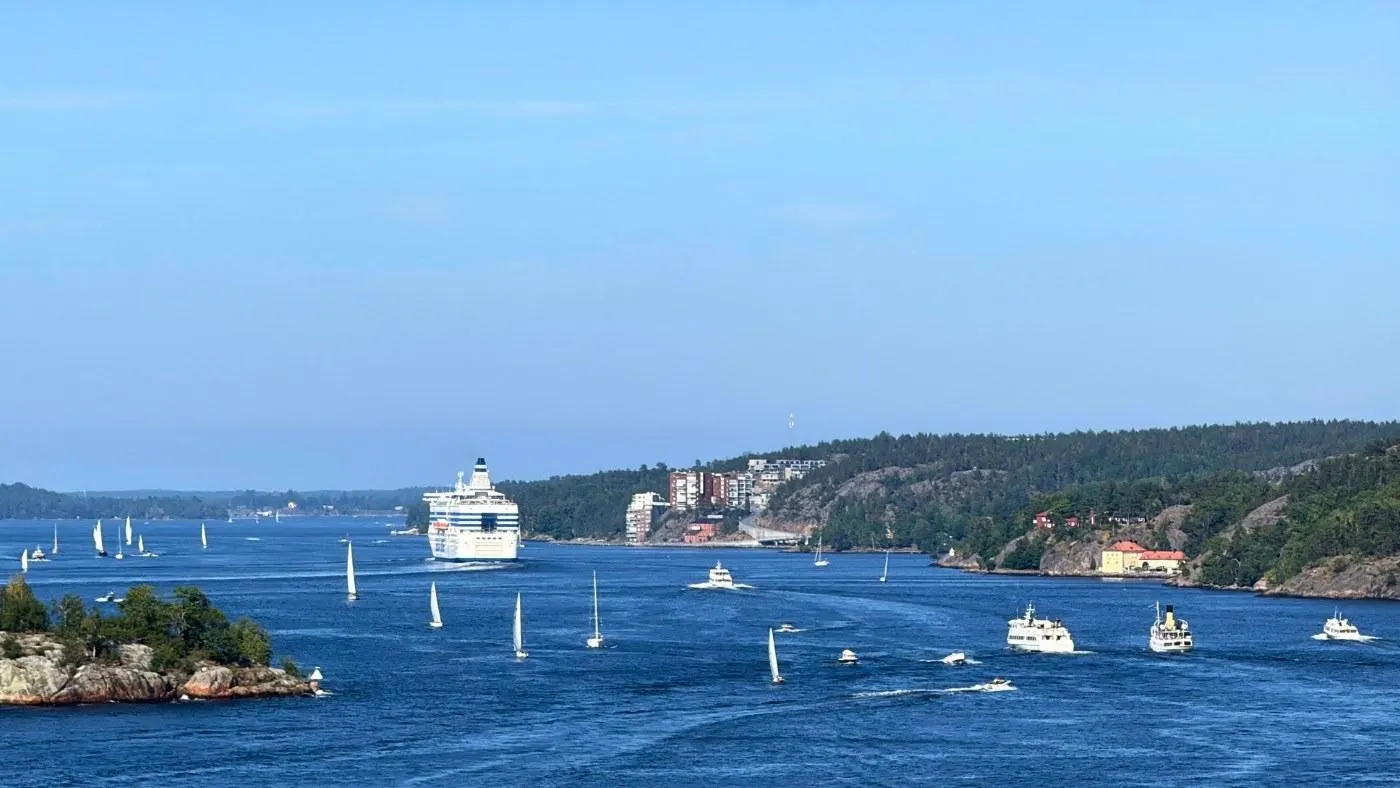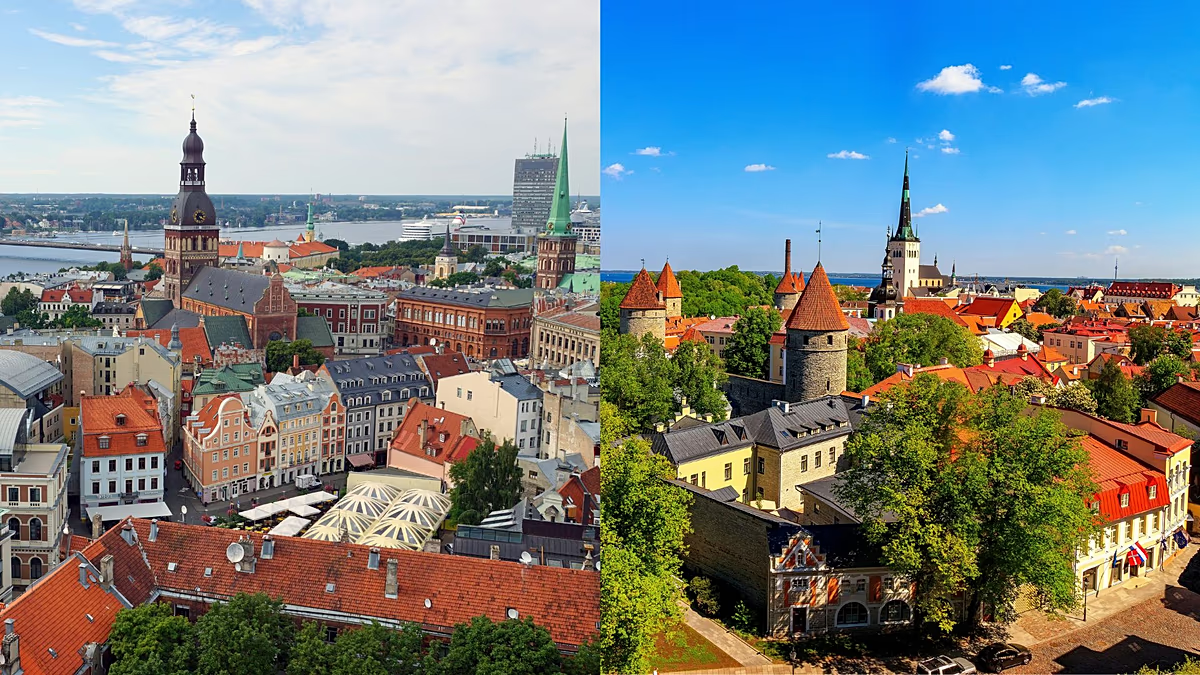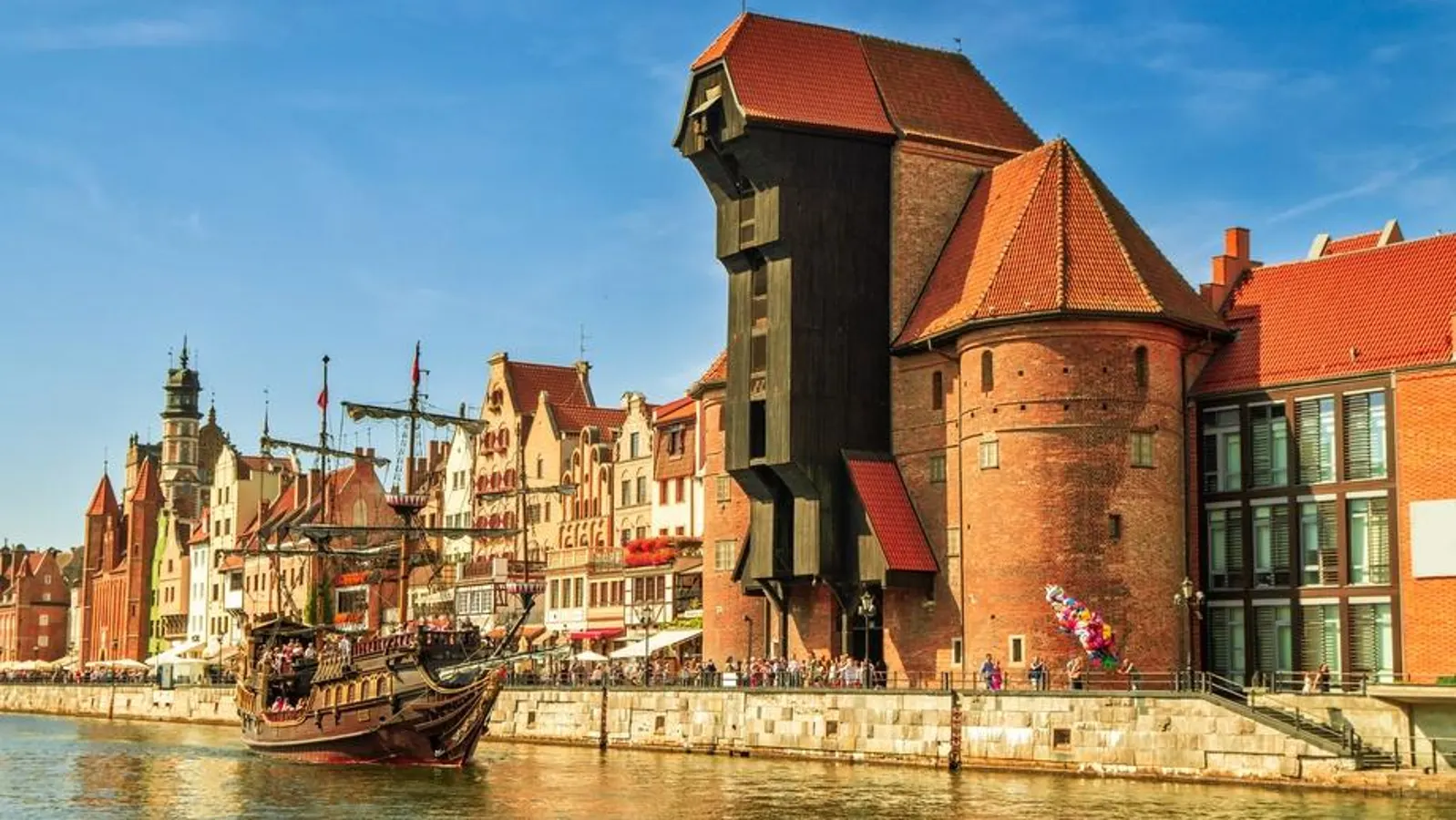
The old town of Gdansk is a delightful stop on a Baltic cruise and a must-see for those keen on European history.gettyFor many years, Baltic cruises were defined by one destination above all others: St. Petersburg. The Russian city was often the headline act, with many ships spending two or even three days there to allow passengers time to visit the Hermitage, Peterhof and Catherine Palace.That era is over for now. Since Russia’s invasion of Ukraine, mainstream cruise lines have mostly removed St. Petersburg from their Baltic itineraries. But rather than ending the appeal of the region, the change has reshaped it.Today’s Baltic cruise is less about one blockbuster port and more about variety. In fact, the region is arguably one of the best places in Europe for a country-hopping vacation by sea.Depending on the itinerary, it is possible to visit seven countries in just a week. Denmark, Germany, Poland, Lithuania, Latvia, Sweden, Estonia and Finland are all regular features on Baltic cruise schedules, while some itineraries also include Norway.A New Country Almost Every DayThe biggest advantage of a Baltic cruise is efficiency. The distances between many of the region’s ports are short enough that ships can often sail overnight and arrive somewhere new by morning.One day might begin in Copenhagen, with its harbor baths, cycling culture and contemporary Nordic dining. The next could bring a call at Warnemünde, a German seaside resort that also serves as a gateway for long excursions to Berlin.Cruise ships on a Baltic cruise approach the city of Stockholm by sailing through the picturesque Stockholm archipelago.Getty ImagesPoland is often represented by Gdynia, the port for Gdansk, one of the most atmospheric cities on the Baltic.Its reconstructed old town, maritime heritage and role in the Solidarity movement give it a very different feel from the Nordic capitals.Klaipeda in Lithuania offers a quieter stop, with a compact old town and access to the Curonian Spit, a narrow, dune-filled peninsula shared by Lithuania and Russia’s Kaliningrad region. Riga, the capital of Latvia, is known not only for its old town but also for its remarkable Art Nouveau architecture.Then there is Tallinn, arguably the perfect Baltic cruise port. Estonia’s capital has one of the best-preserved medieval old towns in Europe, and in many cases passengers can walk from the ship to the city center.Helsinki brings a different mood again, with design stores, food halls, saunas, islands and waterside neighborhoods offering a taste of modern Finland.Stockholm, whether reached directly or via nearby Nynäshamn, adds grand museums, royal history and, if the route allows, a scenic sail through the Swedish archipelago.A Baltic Cruise As A Cultural SamplerOf course, a Baltic cruise is not the same as spending a week in Poland, Estonia or Finland. Cruise passengers typically get a day in each place, sometimes less if the port is far from the main city.The stunning architecture of Helsinki Central Library "Oodi" is a popular attraction on a Baltic cruise.gettyThat means expectations matter. A Baltic cruise is best understood as a cultural sampler: a chance to get a strong first impression of several countries and decide where to return later.The chance to experience so many different languages, cuisines, architectural styles and historical stories in one trip is a major selling point.Unlike some Mediterranean itineraries, where ports can blur together in a haze of sunshine, churches and waterfront promenades, the Baltic often delivers sharper contrasts.A day in medieval Tallinn feels very different from a day in design-focused Helsinki. Gdansk’s history is not Riga’s history. Copenhagen does not feel like Stockholm. That variety is what makes the region work so well by cruise ship.Baltic Cruise Planning TipsAlthough the Baltic is a relatively easy region to cruise, not every port is equally simple. Tallinn, Helsinki and Riga can be straightforward for independent exploration. Others require more thought.Gdynia is the port for Gdansk, so travelers should allow time for the transfer. Nynäshamn can be used as a gateway to Stockholm, but it is not the same as docking in the Swedish capital itself. Warnemünde is a pleasant stop in its own right, but those taking an excursion to Berlin should be prepared for a very long day.It’s also important to understand how exhausting a Baltic cruise can be. With very few sea days, these port-intensive itineraries can feel more like a fast-moving cultural tour than a relaxing vacation, so building in slower mornings or the occasional low-key port day can make the whole trip more enjoyable.With so many port days, the choice of cruise line and ship may matter less than on more ship-focused itineraries.Princess Cruises, Holland America Line, Celebrity Cruises, Norwegian Cruise Line, MSC Cruises, Royal Caribbean, Azamara and Oceania Cruises are among the lines offering Baltic, Scandinavian or wider Northern Europe cruises, giving a wide choice between large resort-style ships, premium lines and smaller, more destination-focused vessels.St. Petersburg may once have been the star of the Baltic cruise. But its absence has revealed something important: the Baltic Sea was never a one-port destination.It is a compact, culturally rich region that rewards curiosity, and today’s Baltic cruise itineraries may be better balanced than ever.MORE FROM FORBESForbesWhy Sweden's Visby Stands Out On Baltic Sea CruisesBy David NikelForbesWhy A Cheap Cruise May Cost More Than You ThinkBy David NikelForbesA Younger Generation Of Travelers Is Reshaping The Cruise IndustryBy David Nikel
How A Baltic Cruise Can Take You To 7 Countries In A Week
A Baltic cruise can take travelers to several diverse European cities in one week, from Copenhagen and Stockholm to Tallinn, Helsinki, Riga, Gdansk and beyond.
883 words~4 min read