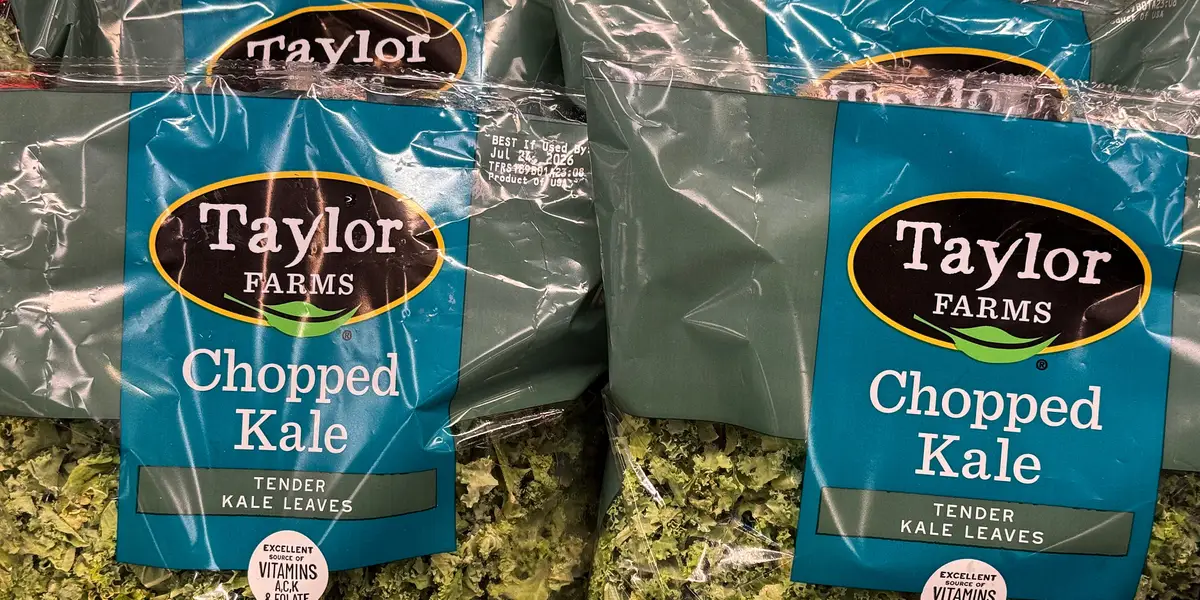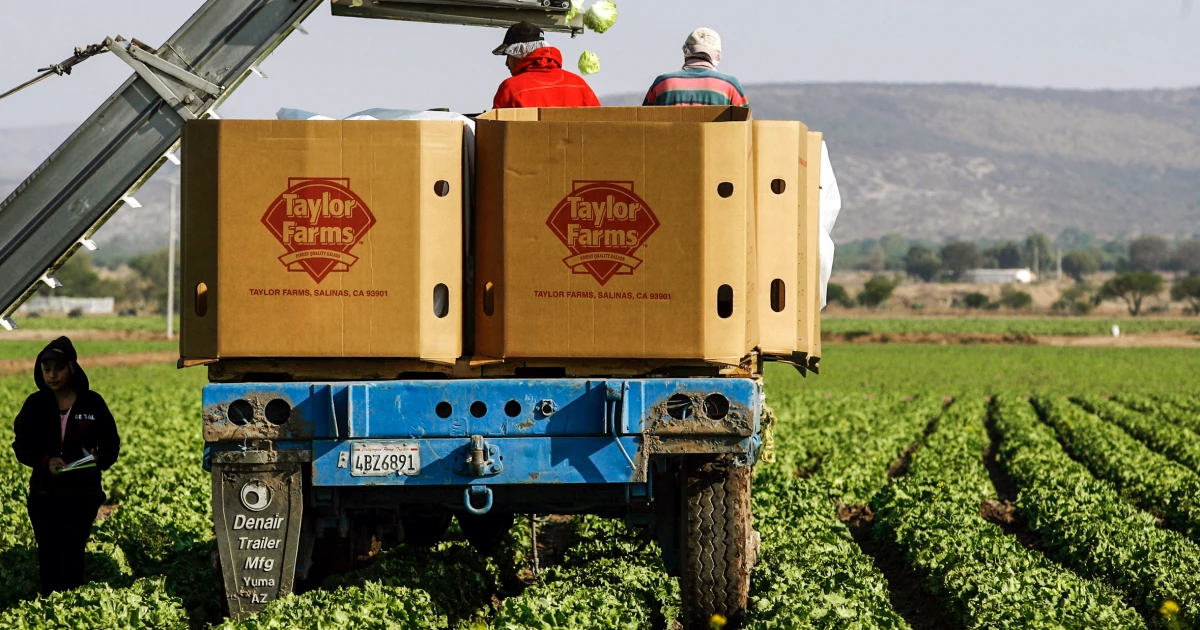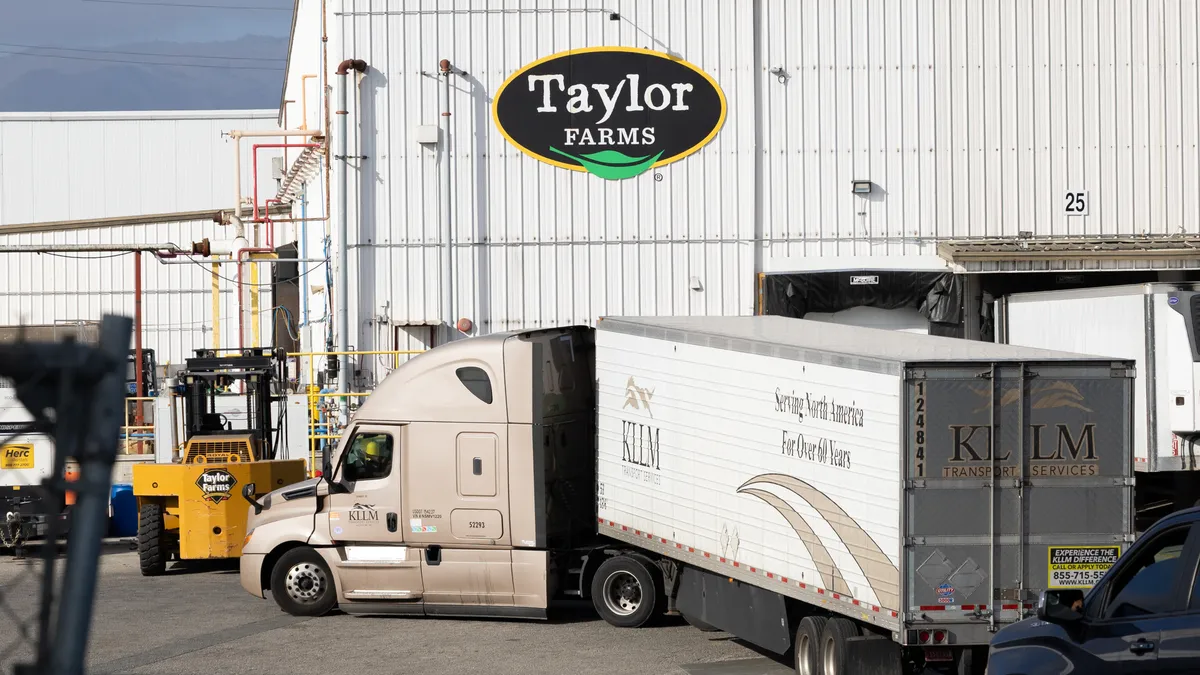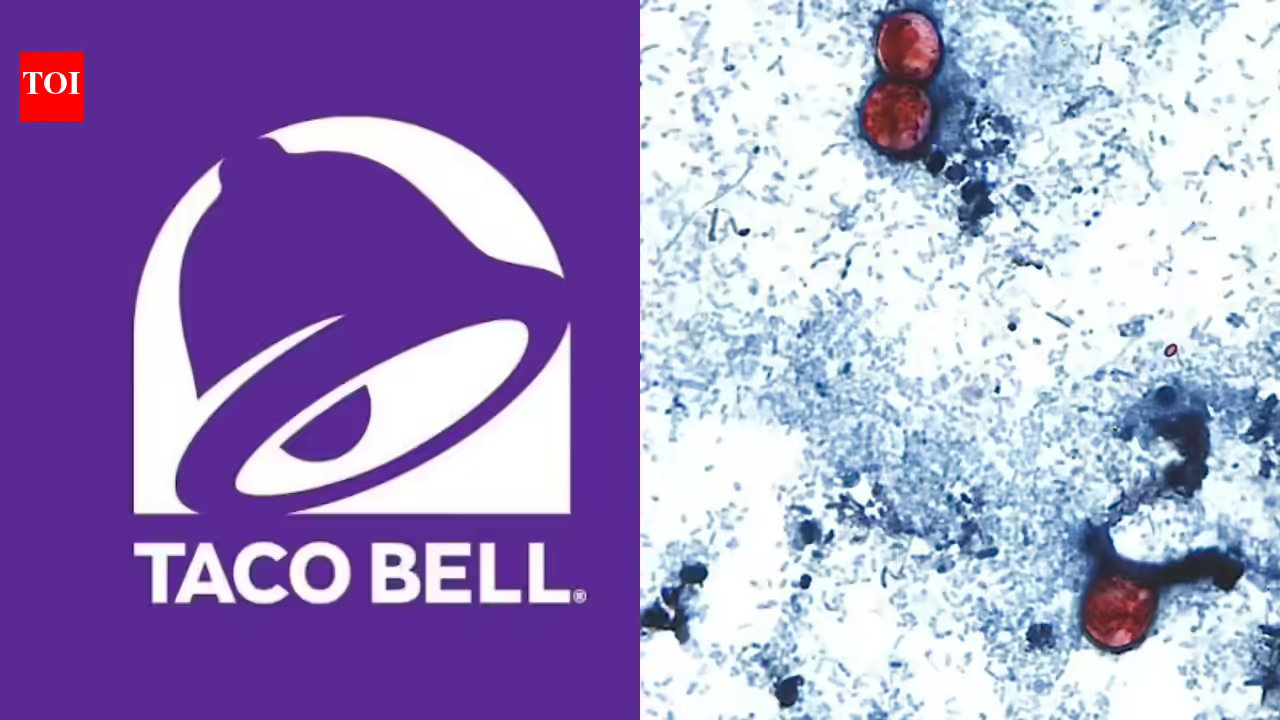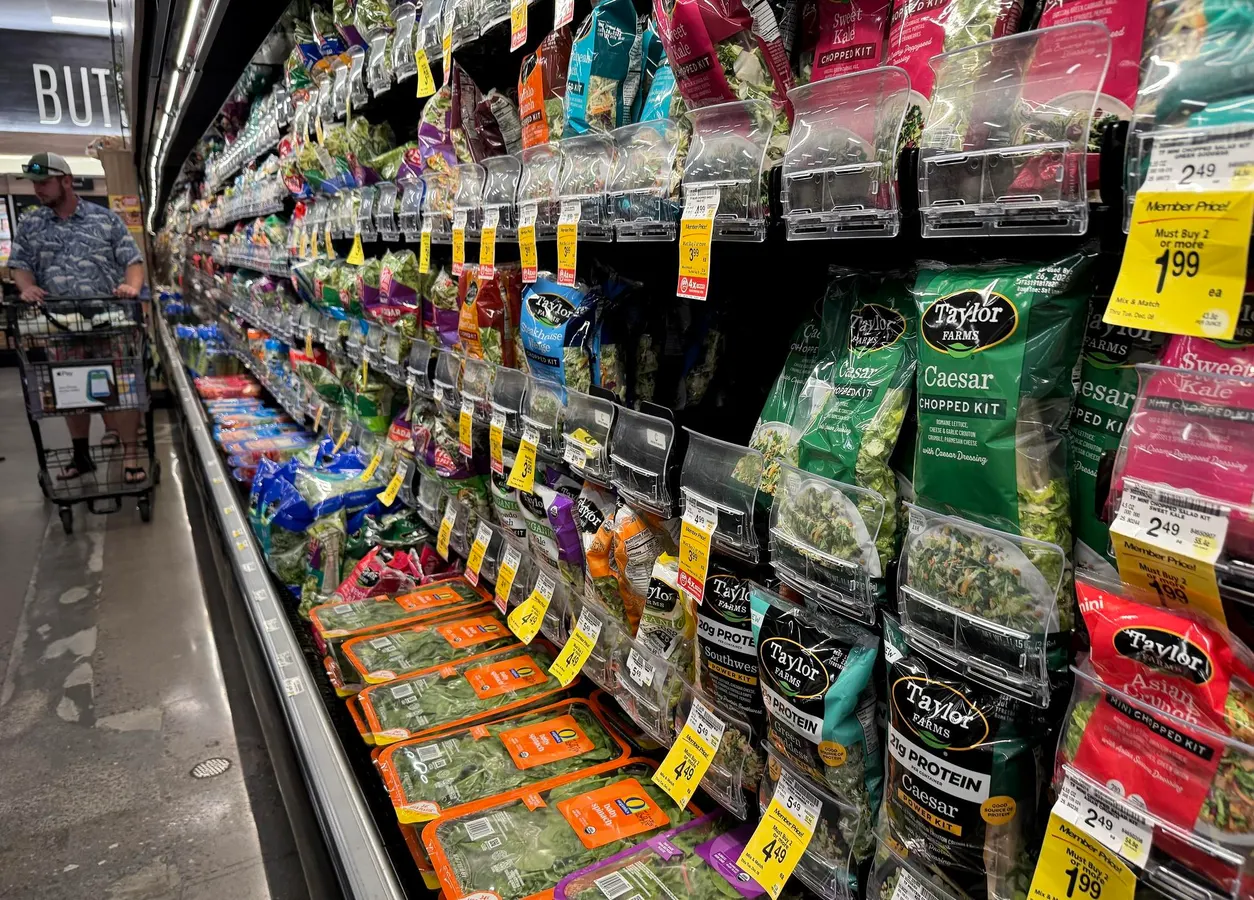
Packages of Taylor Farms salad greens are displayed at a Safeway store on July 16, 2026 in Kings Beach, California. F(Photo by Justin Sullivan/Getty Images)Getty ImagesThe latest developments in the Cyclosporiasis outbreak illustrate an unusual crisis management challenge: what two organizations at different points in a supply chain should do and say when both are connected to the same crisis.The national restaurant chain has taken several steps in response to the spread of the disease. The company was joined Friday by Taylor Farms, which announced that, based on information provided by the FDA, it was voluntarily removing all iceberg lettuce from central Mexico from the U.S. market. “We are committed to doing everything in our power to address this issue, support the ongoing investigation, and help restore trust,” the company said in a statement on its website.Later that day, Taylor Farms told the FDA that it would launch a lettuce recall. The company and the federal agency “did not immediately provide additional information about the recall, including whether it would be limited to iceberg lettuce or include other products,” The Washington Post reported.There is a lot at stake in how the crisis is managed. “You’re not only managing the outbreak; you’re managing confidence and trust. Consumers understand that investigations evolve,” Regina Carswell Russo, founder and CEO of RRight Communications, told me in an email message. .(Photo by Smith Collection/Gado/Getty Images)Gado via Getty ImagesMORE FOR YOUSpeed matters when managing a crisis Taylor Farms moved in the right direction, but apparently more slowly than its customer. “Taco Bell had already pulled the lettuce and started reworking its supply chain before Taylor Farms issued its own statement,” Rasheedah Thomas Ballou, founder of Emerald Digital Solutions, a strategic communications firm, told me in an email interview.When you’re the supplier, not the storefront, “you don’t get to be second. In a live outbreak, whoever acts first controls the story, and whoever follows is reacting to someone else’s timeline instead of their own,” Ballou warned, This is not a crisis that either company can manage by itself. Taco Bell may be the company that is the most visible to consumers, but Taylor Farms is responsible for explaining what happened within its supply chain and what it is doing to address the situation. Their statements and actions should reinforce—not contradict our outpace—one another.Underscoring crisis management best practices The principles that can help protect an organization’s reputation during a crisis apply across all industries and professions. “The companies that tend to emerge with the strongest reputations are the ones that acknowledge concerns early, provide regular updates, and demonstrate clear action. Whether you’re in food, healthcare, technology, or professional services, trust is built by how you respond when uncertainty exists,” Heather Holmes, CEO of Publicity For Good, told me via email.For business leaders, the lesson is clear: Crisis plans should extend beyond the boundaries of their organizations. They should encompass suppliers, distributors, contractors, and other business partners. Organizations should know in advance who will communicate about the crisis, how and when information will be shared, and how quickly precautionary actions will be taken when threats move through supply chains.
How Taco Bell And Taylor Farms Are Managing A Shared Crisis
The Cyclosporiasis outbreak illustrates an unusual crisis management challenge: what two organizations should do and say when faced with the same crisis.
520 words~2 min read