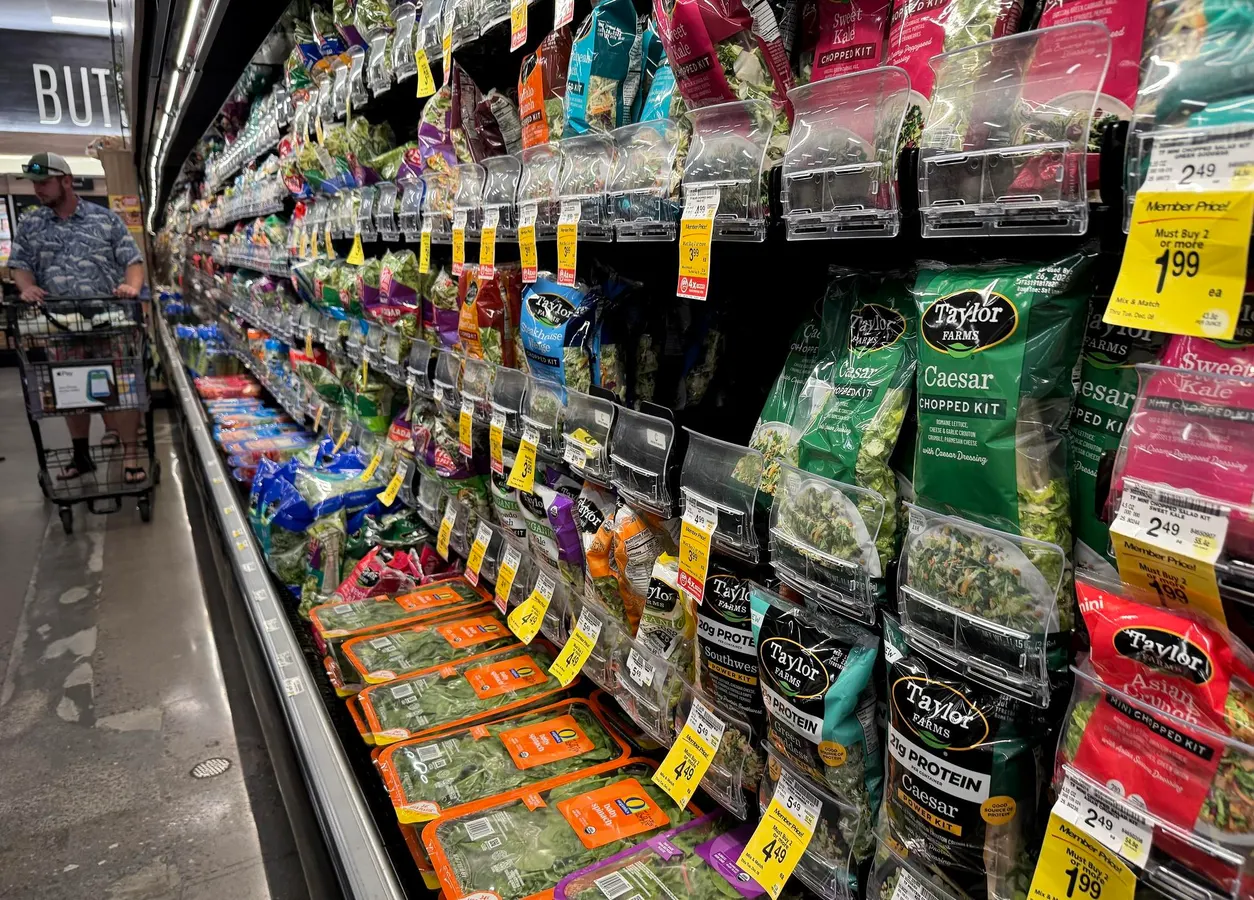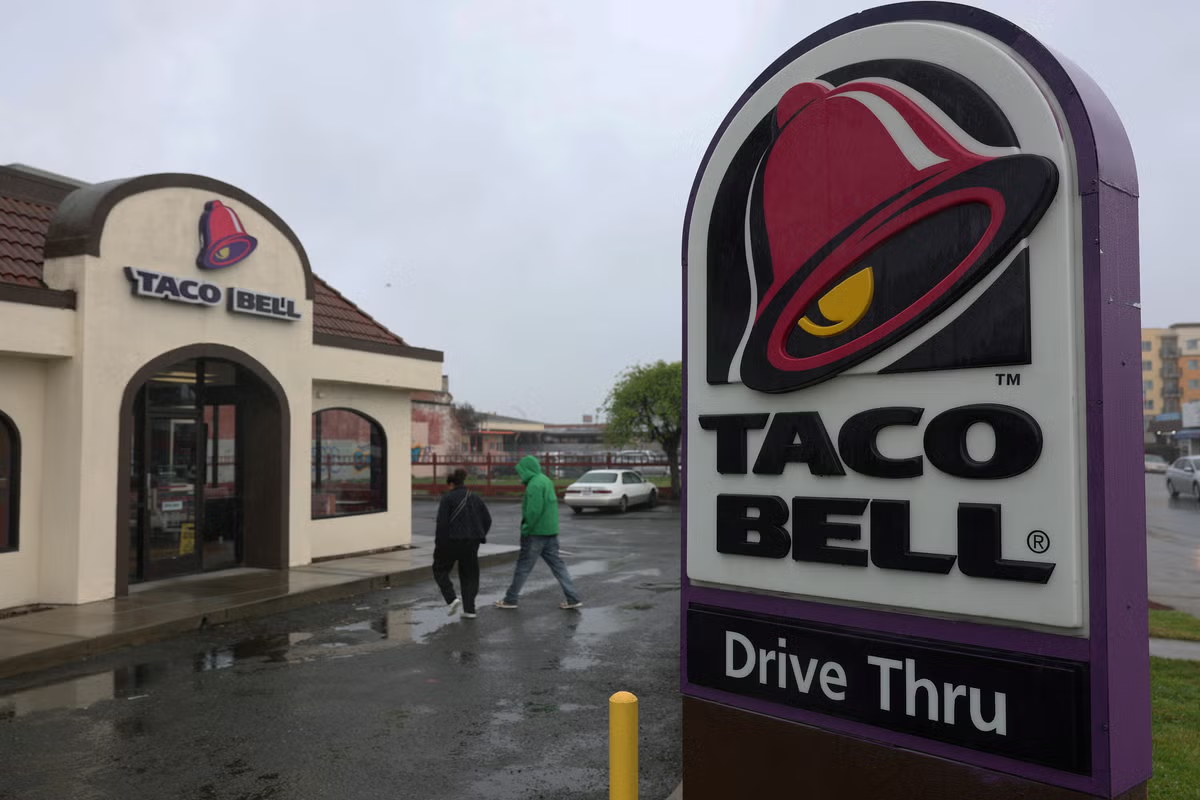
Close-up of Taco bell sign with drive thru signage also visible, Walnut Creek, California, April 8, 2025. (Photo by Smith Collection/Gado/Getty Images)Gado via Getty ImagesIt is important for companies that make or sell products to know what to do and say when issues and questions arise about the safety of their products.Product-safety crises can move much faster than the investigations into what caused them. That is why companies may be forced to make decisions and communicate with customers before all the facts about the matter are known. Unfortunately, waiting for certainty can create a vacuum, while speaking definitively too soon can force an organization to correct or retract what it said in the first place.Following best crisis management practicesThe latest example involves the Taco Bell restaurant chain and the growing investigation into the nationwide outbreak of cyclosporiasis.Federal and state health authorities are examining whether some of the company’s restaurants may be connected to the outbreak of a parasitic gastrointestinal illness that is linked to contaminated fresh produce, the Washington Post reported.In response to that report, Taco Bell is following some of the best practices for responding to an emerging crisis, which includes stating the company’s priorities, explaining what it knows about the crisis, and listing the steps it has taken to deal with the situation.In an emailed statement to Restaurant Business yesterday, Taco Bell Corp. said, “The health and safety of our guests is our top priority. Public health officials have not confirmed a link to Taco Bell or any specific ingredient, supplier, restaurant, or retailer. While authorities continue their broader review, Taco Bell has voluntarily and temporarily removed limited ingredients at select restaurants as a precautionary measure. We will continue to closely monitor the situation and follow the guidance of public health authorities.”MORE FOR YOUBut a technically sound statement will have limited value if customers cannot easily find it. In a food-safety crisis, companies should not rely solely on emailed messages and statements to journalists. They should establish a clearly identified location on their websites and social media channels where customers, employees, franchisees, and other stakeholders can find the latest accurate and verified information. As of this writing, Taco Bell’s corporate website did not appear to include information about the outbreak or the company’s response to it. The company did not immediately respond to requests for an explanation.Federal and state health authorities are examining whether some of Taco Bell’s restaurants may be connected to the outbreak of a parasitic gastrointestinal illness that linked to contaminated fresh produce, the Washington Post reported.(Photo by Justin Sullivan/Getty Images)Getty ImagesA missed opportunity to manage the crisisThat absence represents an important missed opportunity. When customers learn that the ingredients are being removed from restaurants but cannot find an explanation from the company, speculation, misinformation, and disinformation can can fill the information gap. Authoritative and verified information can help reduce confusion, counter rumors, and demonstration that the company is paying close attention to the situation.Although Taco Bell took precautionary operational steps, questions remain about whether the company should have communicated earlier with more visibility about the emerging crisis.One PR practitioner faulted the company for waiting too long to issue its statement. “The biggest lesson for business leaders is that silence does not buy you time. It gives everyone else time to define the crisis for you,” Mike Fahey, CEO and founder of Fahey Communications, told me in an email message.What’s at stake in responding to the crisisA lot can be at stake about how quickly a company responds to a crisis, and what it says concerning the matter. “Perception matters as much as the facts in the early stages of a food safety investigation. Even an unconfirmed link to a food borne illness can cause consumers to rethink where they eat,” said Zak Stambor, an analyst at eMarketer told CNBC. “Even if the chain is ultimately cleared, the investigation could cast a shadow over the brand and weigh on sales in the near term,” he added.In matters involving food safety, “I would rather see a company acknowledge what it knows, be honest about what it does not know yet and keep updating the public [rather] than wait for one perfectly polished statement. Customers can forgive a problem. They are much less forgiving when they feel a company is withholding information, minimizing the risk, or protecting the brand ahead of the people who got sick,” Fahey advised.A critical distinction The distinction between acting and communicating is critical. Removing ingredients can help reduce a potential health hazard, but customers may not understand why menu items have disappeared unless the company clearly explains its decisions. In a crisis, what organizations do about a crisis should be accompanied by an explanation about its actions.“In the midst of a crisis, it’s critical to remember that the response becomes part of the story. Companies are judged not just by the crisis itself but how quickly they acknowledge the situation. Any uncertainty about whether companies are protecting their brand, rather than public health, can quickly damage brand trust,” Ariane Lovell, co-founder and director of public relations at Trifecta Media Group, told me in an email interview.This is why companies need to begin managing a product-safety crisis before investigators have determined responsibility. Precautionary actions do not require an admission of fault. But they can demonstrate sound judgement while protecting customers and preserving the company’s ability to adjust its response as new facts emerge. “Crisis communications plans should prioritize empathy and speed at every turn. Does every message answer the question everyone is asking? “Am I safe?” If the answer is no, you’re answering the wrong questions,” Lovell warned.In the end, Taco Bell’s precautionary removal of some ingredients and carefully worded statement are constructive first steps. The next test will be whether and how the company communicates frequently and visibly enough to help reassure customers while public health officials continue to work to determine the source of the outbreak.For business leaders, the larger lesson is clear: When questions arise about the safety of a product, taking immediate action is only part of the response. Companies must also explain what they did and when, what they know and do not know, and when consumers can expect to receive additional and updated information.In a developing crisis, silence and uncertainty can create a different kind of crisis for organizations.
Crisis Lessons From Taco Bell’s Response To A Cyclosporiasis Outbreak
Taco Bell’s response to a parasitic outbreak offers crisis management lessons for companies confronting questions about the safety of their products.
1,052 words~5 min read