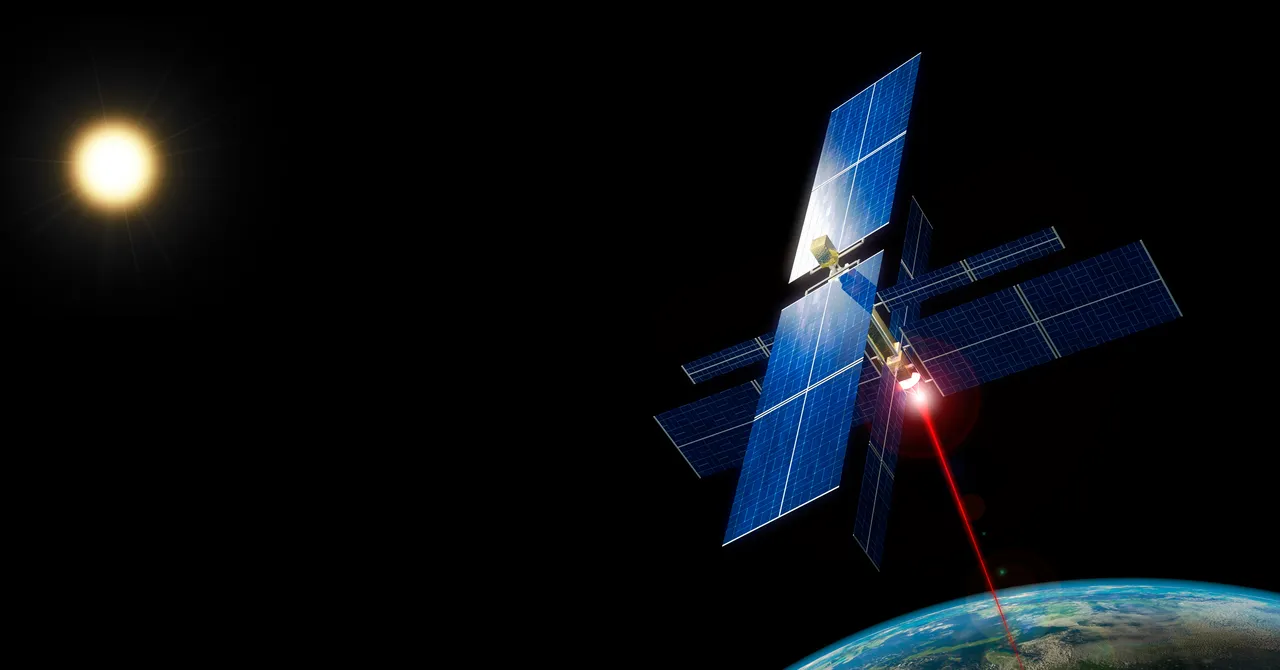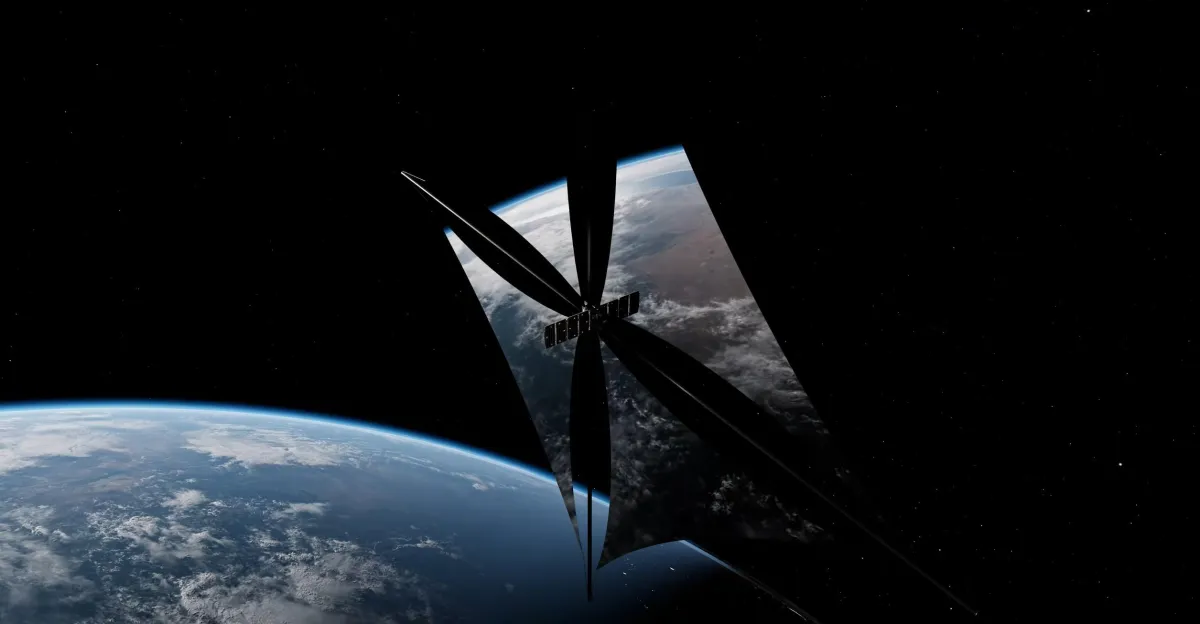
An artist's conception of Eärendil-1 in orbit. Credit: Reflect Orbital.
Reflect Orbital moves ahead with the company's first Eärendil launch amid concerns from the astronomical community.
Move over, Starlink. A new constellation of bright reflector satellites could soon compete with the night sky.
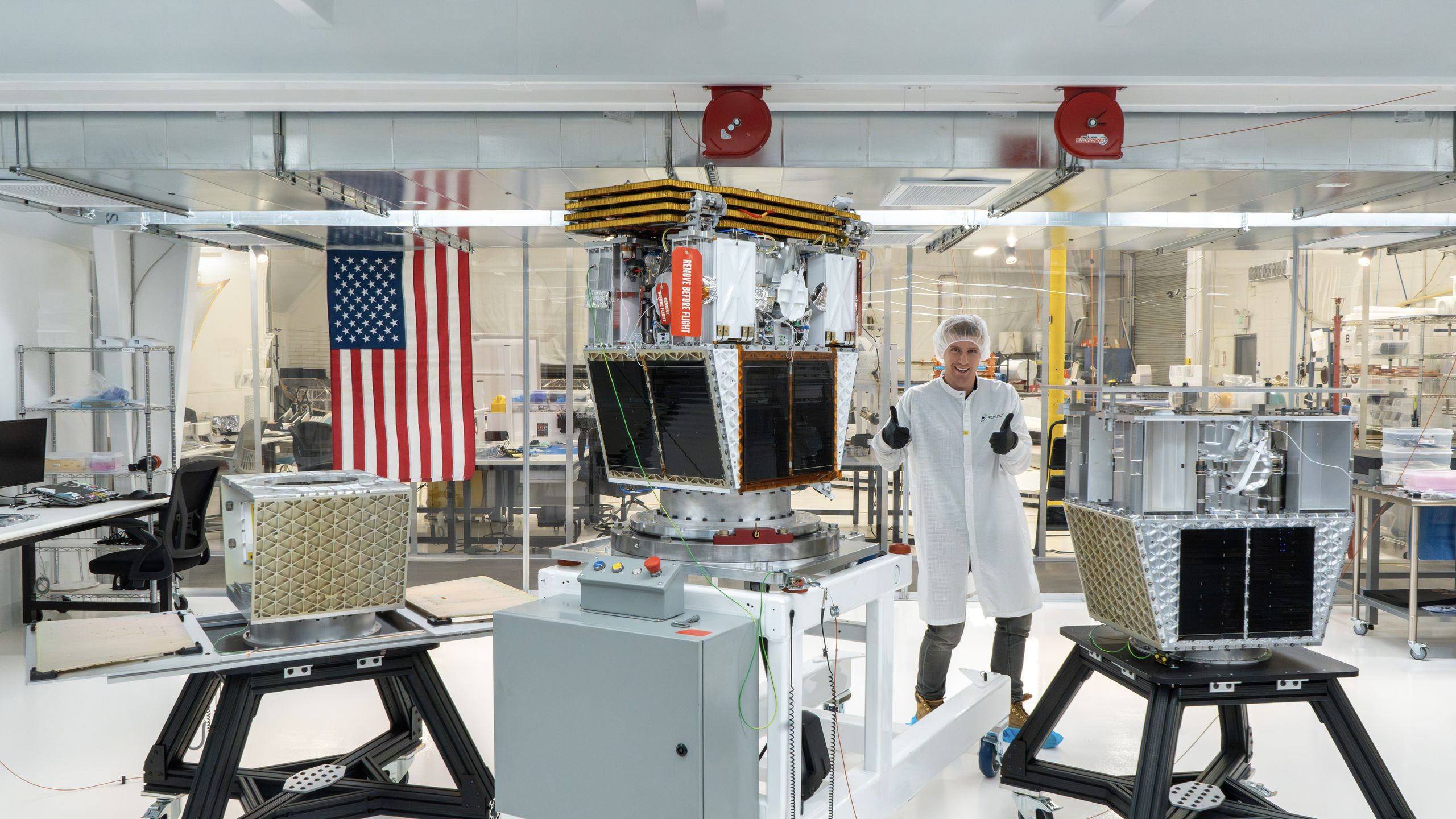
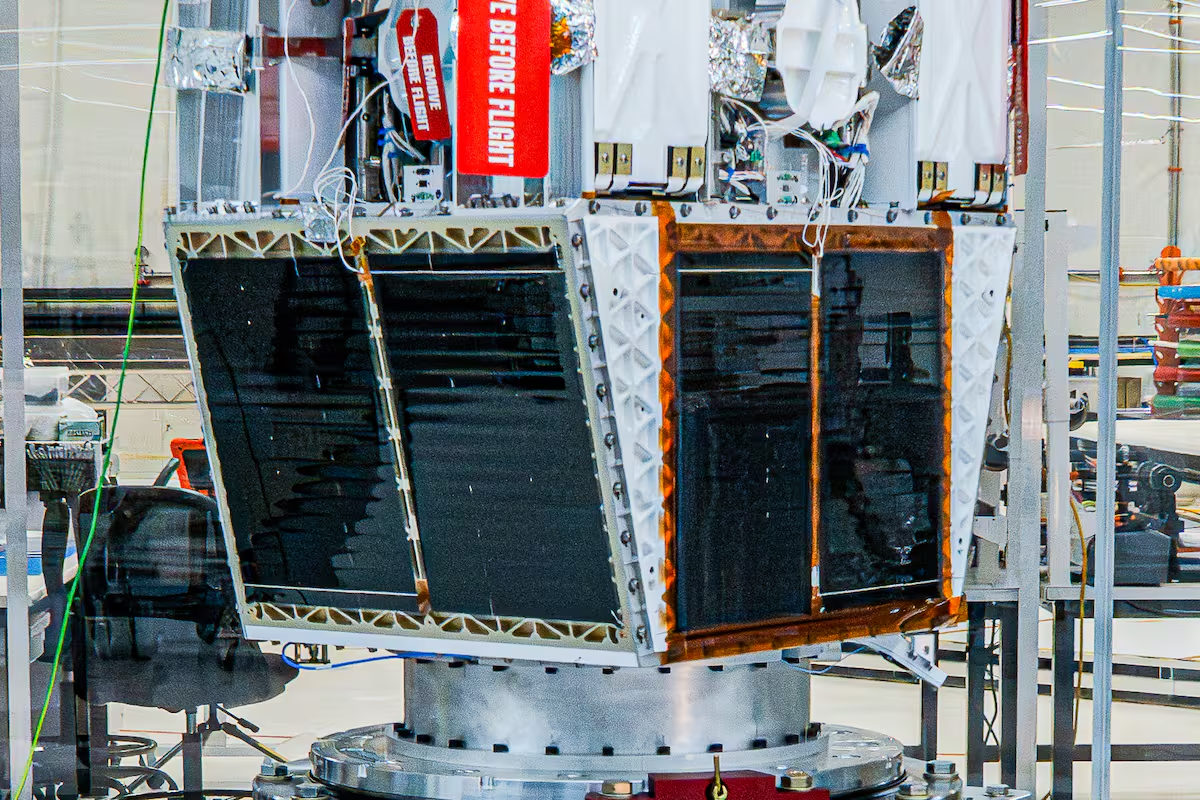
The Federal Communications Commission (FCC) recently approved the first demonstration launch of Reflect Orbital's Eärendil-1 satellite. Sporting an 18-by-18-meter (59-by-59-foot) reflector once unfurled, the satellite will test its ability to reflect sunlight back to Earth on demand. The company envisions more than 50,000 reflectors girding Earth in low Earth orbit by 2035, while many in the astronomical community have raised concerns about the project's impact.
The first launch could occur as early as late this year. The FCC's role in approving the launch was limited to allocating the radio frequency spectrum the satellite will use, rather than assessing the reflector's overall impact. Reflect Orbital plans to launch three unfoldable test reflectors three months apart, starting with this year's approved launch of Eärendil-1. Reflect Orbital CEO Ben Nowack states that the first three will also be used as revenue-generating vehicles for the company. The FCC approval notes a near-polar, 88-degree inclination orbit 625 kilometers from Earth's surface for the first launch, suggesting a Vandenberg launch, probably with SpaceX.