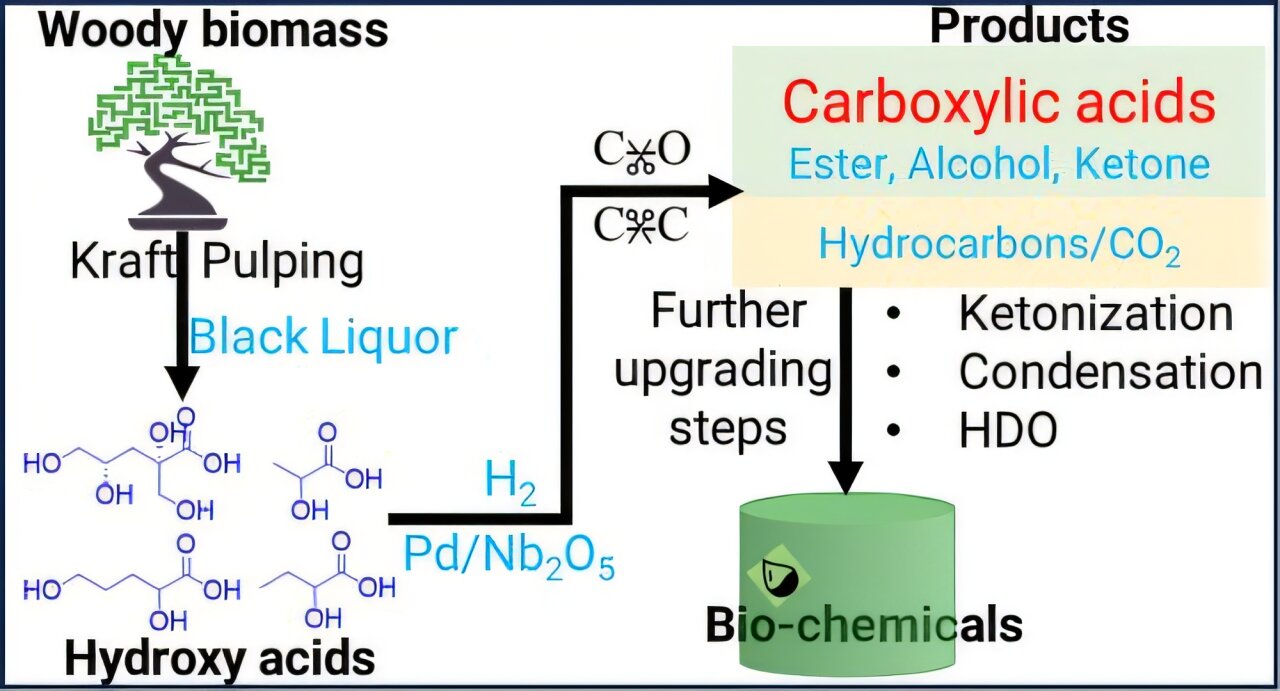
Georgia's $41 billion forest products industry needs a transformation, and a Georgia Tech research team is reimagining how pulp mills use energy and what they can make from their byproduct streams. For nearly a decade, Sankar Nair, professor in the School of Chemical and Biomolecular Engineering and a longtime researcher with the Renewable Bioproducts Institute (RBI), has led a collaborative effort to develop technologies that can radically improve the efficiency and profitability of kraft pulp mills.
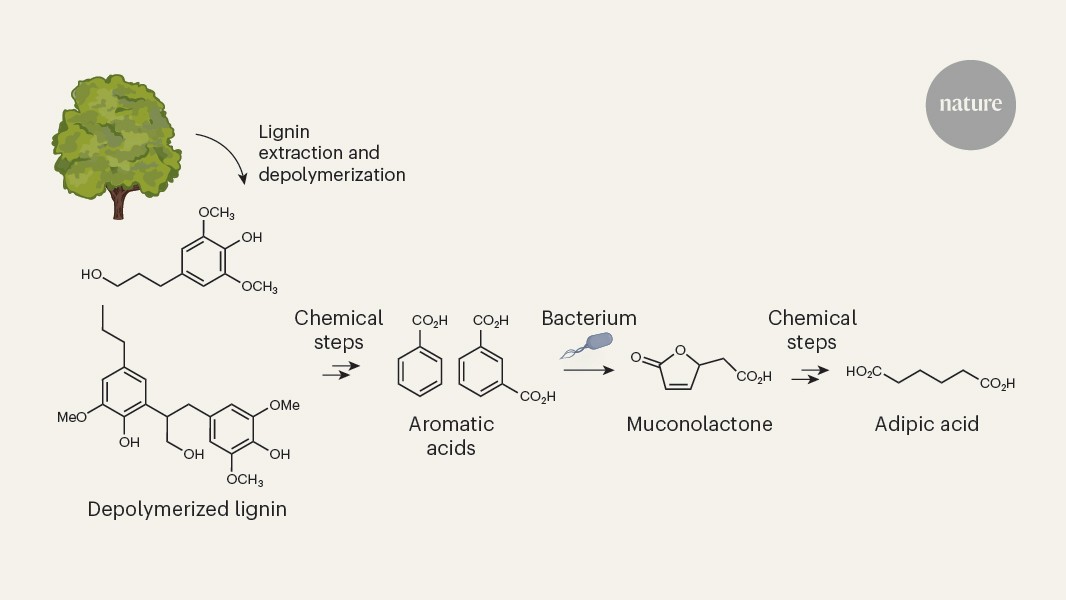
"What began as a project to save energy in pulp production has grown into a much broader vision," Nair explains. "We're not just trying to make mills more efficient. We're working to turn the kraft pulp mill into a kraft-based biorefinery that produces multiple higher-value products."
From energy savings to high-value products
Nair explains that traditional kraft mills use a highly energy-intensive "chemical recovery loop" to handle black liquor—the dark, viscous byproduct left after pulp is separated from wood chips. That loop relies on multistage evaporators and massive recovery boilers to remove water, burn the remaining organics for steam and electricity, and recycle inorganic chemicals back into the process.