SUSTAINABLE SHINE. Prof. Govind S Gupta, Department of Materials Engineering, Indian Institute of Science, Bengaluru
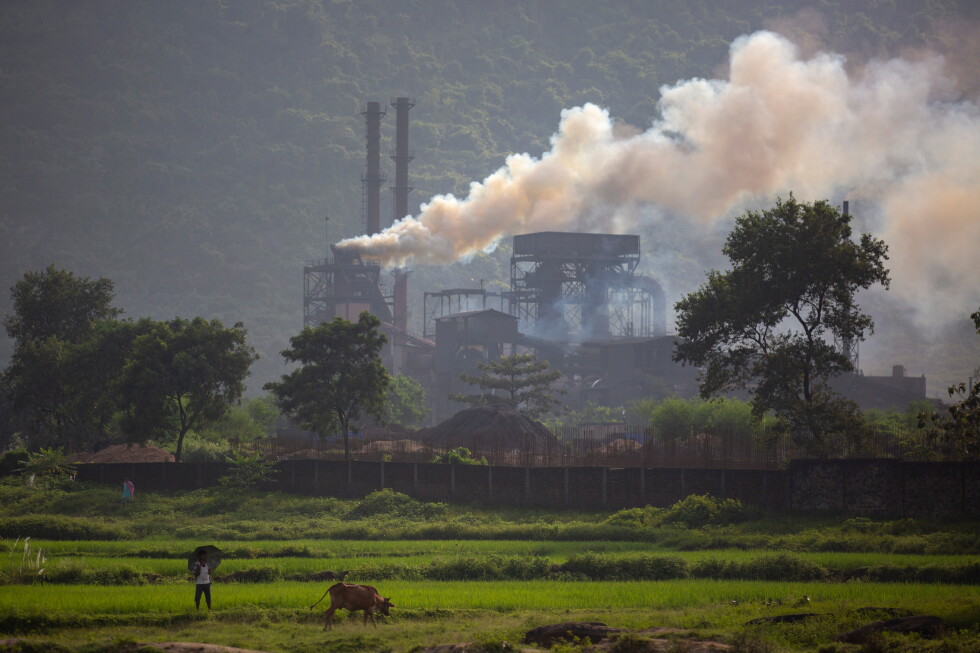
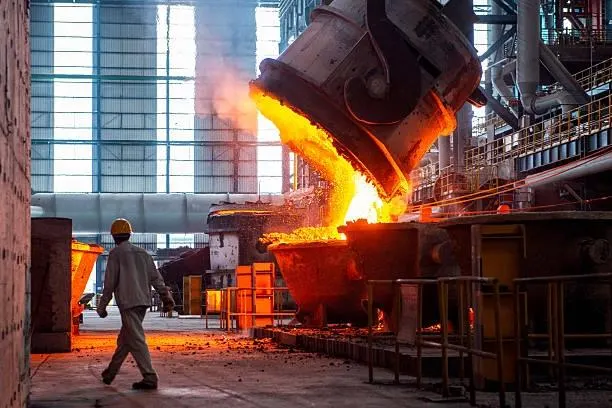
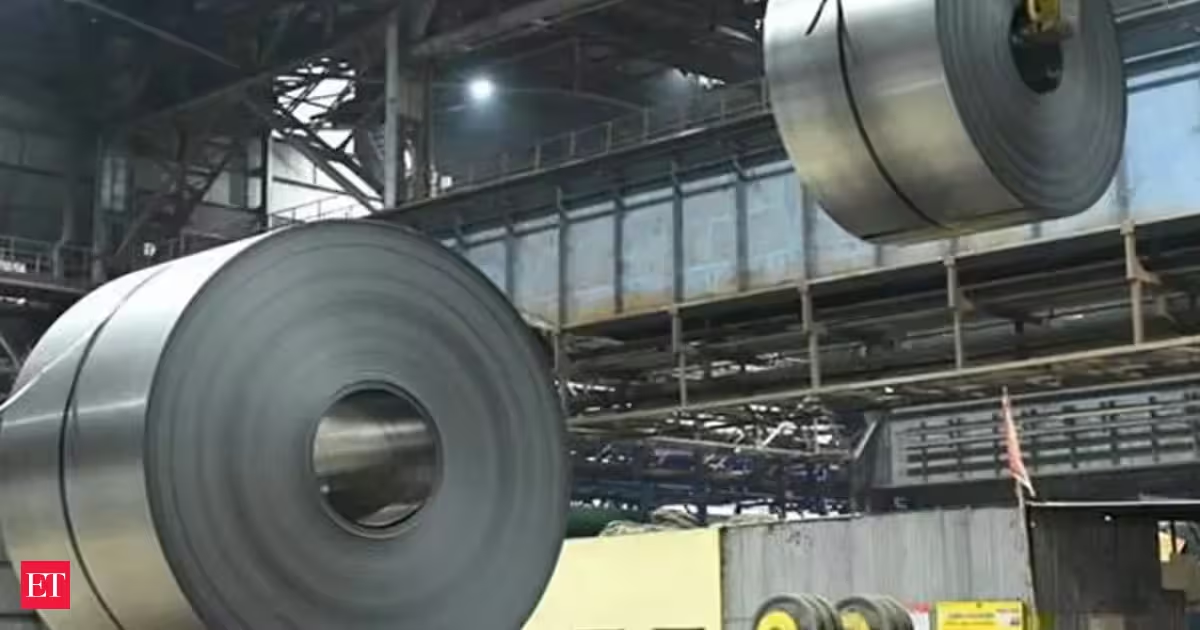
RESCONS Solutions is taking on some tough industrial challenges — from decarbonising steel production to extracting rare earth elements.Incubated by the Indian Institute of Science, Bengaluru, the deep-tech metallurgical startup’s first commercial success — using agricultural biomass to partially replace coal in steel making — could pave the way for cleaner and cheaper industrial processes.Founded in February 2024 by Govind S Gupta, professor at IISc’s department of materials engineering, RESCONS focuses on developing sustainable technologies for the iron, steel, and allied process industries.It works on innovations together with industrial partners, demonstrates them at plant level and supports technology transfer at the deployment stage.Demonstration at siteTo demonstrate the use of agricultural biomass as a partial replacement for coal in steel making, rice husk-based biomass pellets were co-fed with coal into a gasifier at Jindal Steel and Power’s coal gasification plant in Odisha. With 5-10 per cent biomass substitution, the gasifier operated steadily without loss of efficiency. The biomass-derived syngas was successfully used in the steel-making process.Multiple benefitsRESCONS now targets extending this approach to rotary kiln-based industries, where biomass substitution could lead to both decarbonisation and cost-efficiency.“It can significantly reduce carbon dioxide emissions while cutting dependence on imported coal to help save valuable foreign exchange,” Gupta says. The project is supported by Australian science agency CSIRO.RESCONS’ biomass solution addresses three crucial needs through an industrial pathway: reducing coal use; cutting emissions; and productive use of agricultural waste that is otherwise burned in fields, contributing to severe air pollution in cities like Delhi.“Beyond the environmental benefits, the technology has a strong socio-economic impact. The biomass will be procured from rural India, creating an additional source of income for farmers and generating rural employment,” Gupta says.Critical mineralsExtraction of rare earth elements is another area of focus for RESCONS. In association with Adani Enterprises, the company has demonstrated the extraction process from raw ore to the metal stage.It is in discussions with Adani and other companies, as also the Ministry of Mines, to advance the work to pilot-scale validation.The rare earth extraction work is part of RESCONS’ broader focus on critical minerals, alongside its work on green steel and metallurgical process technologies.India’s steel and power sectors are among its most carbon-intensive industries. As steel demand grows, low-carbon process technologies such as RESCONS’ biomass-based coal substitution will become critical to meeting climate goals without slowing industrial expansion.Policy supportProf. Gupta calls for policy decisions to help amplify the momentum.“The government has to look at the policy side. We have demonstrated the technology on a commercial scale, including in the steel sector. The steel and power sectors together account for well over 15 per cent of India’s carbon dioxide emissions, and both are heavily influenced by government policy.“At this stage, the challenge is no longer technological — it is a policy decision. If the government creates the right incentives and regulatory framework, this technology can be adopted across both industries, and it can help India move towards net-zero much faster than currently projected,” he reiterates.Published on July 20, 2026