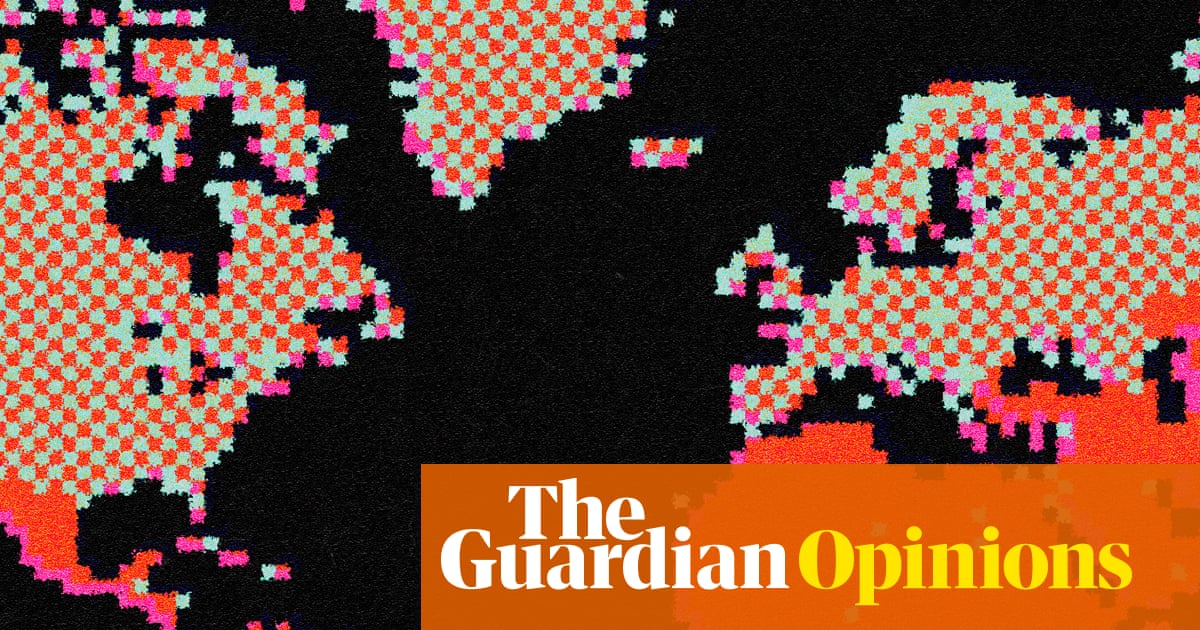
When you view the academic, professional, and technological worlds through the intersectional lens of a woman born and raised in the Global South, you quickly learn to look at every first-world narrative with absolute skepticism. For decades, the intellectual establishment of the global North has built massive, impenetrable walls around knowledge, dictating who gets to speak, who gets to write, and who counts as an authority. They have constructed an intricate system of gatekeeping designed to protect their prestige, maximize their fame, and extract the raw intellectual and natural resources of the rest of the world while leaving the creators in the footnotes.
For a long time, I lived with an intense, suffocating sense of self-doubt. I questioned whether my perspective was relevant, whether my observations had value, and even whether I had the right to claim the labels that describe my own existence. It is a common crisis of identity for those of us from Brazil. We trap ourselves in a bizarre linguistic limbo, wondering: Can I truly call myself Latina? Because first-world media and American-centric bureaucratic boxes heavily dominate global culture, the world has been conditioned to treat "Latino" as a concept synonymous only with Spanish speakers.